
Best protein choices for healthy aging
As you get older, a protein-rich diet becomes more and more important. Protein helps prevent the loss of muscle mass that happens with aging. Foods high in protein also can support energy levels and promote overall health.
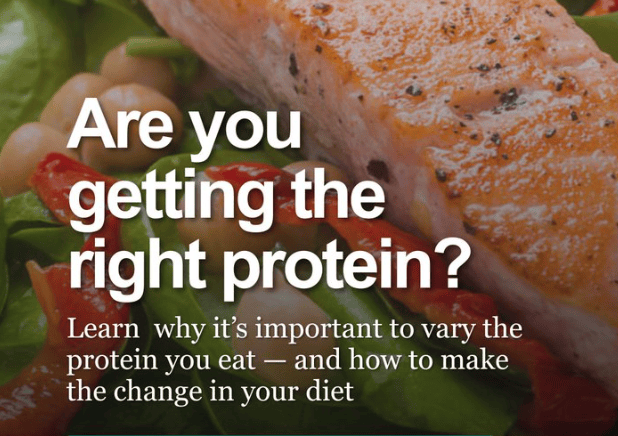
But not all proteins are the same. Here’s why it’s important to vary the protein you eat — and how to make the change in your diet.
Are older adults getting the right protein?
If you’re like most Americans, you’re getting enough protein — but probably not the right kind.
Most older adults eat more than enough red meat, poultry and eggs. But they don’t eat enough of other types of healthy protein, like fish, nuts and seeds, beans, and legumes.
Many people believe they need more red meat to meet their protein needs. While red meat is a source of protein, eating too much of it can be unhealthy.
Studies suggest that diets high in red meat and processed meats, like bacon or lunch meat, can increase the risk of heart disease, high cholesterol and certain cancers.
Best protein sources for healthy aging
Choosing the right sources of protein can have major health benefits.
Fish rich in omega-3s
Salmon, trout and sardines are rich in omega-3 fatty acids. These fats support heart health, lower inflammation and support brain health. Try to eat fish twice a week.
Protein-rich nuts and seeds
Almonds, walnuts, peanuts, chia seeds and flaxseed are not only rich in protein but also provide healthy fats and fiber. Make sure to buy nuts that aren’t salted for the best heart benefits.
Plant-based beans and legumes
Beans, lentils, chickpeas and peas are excellent plant-based sources of protein and fiber. They can help with digestion and improve gut health. Add them to soups, stews and salads for a filling and healthy meal.
Lean chicken and turkey
If you eat meat, choose lean meats like chicken or turkey breast with no skins. You can still eat red meat, but make it a treat once in a while rather than a regular dish.
Low-fat, protein-rich dairy
Low-fat dairy products like Greek yogurt and cheese are easy sources of protein. They also provide calcium and vitamin D, which are important for bone health.
How to eat more healthy protein
Making small changes to your diet can have a big impact on your health:
Find your favorite substitute for red meat
Experiment with bean burgers and fish tacos to enjoy variety and protect your heart.
Add nuts and seeds to your meals
Sprinkle them on salads, yogurt or oatmeal for a delicious and nutritious boost of protein, healthy fats and fiber.
Include beans and lentils in your cooking
Use them in soups, stews and casseroles to add plant-based protein and fiber to your diet.
Choose lean dairy options
Eat Greek yogurt or low-fat cheese to reduce saturated fat intake while still benefiting from protein and essential nutrients.
Include protein with each meal or snack
Aim for 35 grams at a time.
Combine protein and exercise for stronger muscles
To increase the benefit of a protein-rich diet, add resistance training to your day. You can use light dumbbells or resistance bands or do free-weight exercises like sit to stand, squats and pushups. These exercises help replace the muscle mass you lose with age.
Studies show that these exercises, when combined with protein intake, also can improve balance and walking speed. Researchers say that you’ll see the best results if you eat protein after exercise. So follow up your workout with a yogurt smoothie or a handful of nuts.
Do older adults need protein supplements?
Most people can get enough protein through a healthy diet with a variety of fish, nuts, beans, lean meats and low-fat dairy. But if you’re having trouble gaining weight or if you show signs of muscle loss, your healthcare team may recommend adding a protein supplement to your food.
Milk powders, whey protein and egg whites are examples of ingredients that sneak more protein into your food. Many people enjoy protein supplement shakes as well. They can be especially helpful if you need to gain weight but have a smaller appetite.

