Running is good for you 👍🙏 #BlackrockHealth

Health is Wealth

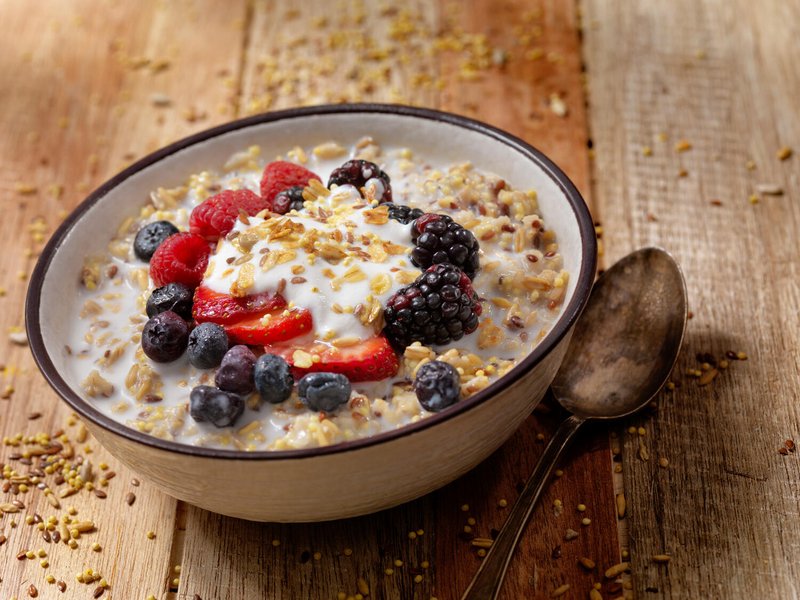
6-grain hot cereal
Start your day with a hearty and nutritious 6-grain hot cereal that will keep you energized and satisfied. Prepare a big batch over the weekend and enjoy a warm, comforting breakfast all week long. Top it with your favorite fruits or a dollop of yogurt for added natural sweetness.
Servings: 14
Serving Size: ½ cup
Make a big batch of this cereal on the weekend and reheat all week. Top with fruit or yogurt to add natural sweetness.
Created by the executive wellness chef and registered dietitians at the Mayo Clinic Healthy Living Program.

Who says pumpkin spice is only exciting in latte form?
Don’t just reserve pumpkin for pumpkin spice lattes and pie! These easy spice cookies are a great way to spread the pumpkin love throughout the entire season.
If you don’t have any aluminum-free baking powder in your cupboard, pick some up the next time you go shopping. Aluminum may pose potential risks to your health as a neurotoxin. While the dose of aluminum is what makes the poison, some studies show a relationship between aluminum that is stored in your body and neuro-disorders (such as Alzheimer’s disease.) Limiting exposure to all metals is a protective measure we can take to optimize our health.
1 cup pumpkin puree, fresh or canned
1 tablespoon pure maple syrup
1/3 cup unsweetened applesauce
1 teaspoon pure vanilla extract
1/4 cup vegan palm shortening or melted coconut oil
1 cup oat flour
1/2 cup almond flour
1/2 teaspoon baking soda
1/2 teaspoon aluminum-free baking powder
1 teaspoon ground cinnamon
1/2 teaspoon pumpkin pie spice
Pinch sea salt
1/2 cup chopped pecans
1/4 cup mini chocolate chips
Makes 3 dozen cookies
Calories: 43
Total fat: 2 g
Saturated fat: 2 g
Cholesterol: 0 mg
Fiber: 1 g
Protein: 1 g
Carbohydrate: 5 g
Sodium: 25 mg
— Recipe courtesy of Mark Hyman, MD.

Cancer Research UKVerified account @CR_UK 26m26 minutes ago
Alcohol damages the DNA inside stem cells, this could explain why it’s linked to cancer http://po.st/BokGoH

May 28, 2024/Pregnancy & Childbirth
Recommendations encourage breast milk exclusively for baby’s first six months and continuing to provide human milk until age 2 and beyond
How and what you feed your baby is probably one of the most basic — and yet deeply personal — decisions you’ll face when you become a parent.
You’ll hear things like “breast is best.” As in, breastfeeding (chestfeeding) is the absolute best way to nourish your baby.
And then you’ll hear the retort, “fed is best.” Meaning breast milk (human milk) and formula are both fine. As long as your baby is getting nutrients in their belly, all is well.
Then come the opinions on how long you should breastfeed. (You’re still breastfeeding? You gave up on nursing already? You fed your baby formula?)
It can feel like there’s no right way to do it. And there’s some truth to that.
Because what works for one family may not be feasible for another. But that’s OK.
Breast milk can provide certain benefits that formula can’t mimic. But breastfeeding, especially for long periods of time, might not work for everyone. Or you may have been given the impression that you’ve continued providing human milk long after others think you “should.”
No one should feel guilt, shame or otherwise crummy about how they feed their baby. Let’s face it, mom guilt is tough enough as it is.
So, we talked with board-certified breastfeeding medicine physician Heidi Szugye, DO, about breastfeeding recommendations.
Science shows that if you can give your baby human milk (either your own or a donor’s), it has its benefits. And the longer, the better, experts recommend.
The American Academy of Pediatrics (AAP) and the World Health Organization (WHO) share these recommendations for breastfeeding duration:
Previous recommendations called for providing breast milk until age 1. But these newer guidelines (implemented in 2022) are based on the understanding that human milk has benefits that continue long after baby’s first birthday. And they help to remove stigmas associated with people who choose to extend breastfeeding into toddlerhood.
“These recommendations are a call to action for everyone, and that includes hospitals, pediatricians and all physicians that are taking care of families,” Dr. Szugye states. “We want to make sure our practices and policies are set up to support people who choose to breastfeed beyond the first year of their child’s life.”
Think of the guidelines as the best-case scenario. If it works for you, your family, your child, your body and your life to breastfeed for two years or longer, you’re doing a great thing. And there’s no reason to stop until you and your child are ready.
If it doesn’t work for you, that’s OK, too. Your worth as a parent and your love for your child can’t be measured in ounces of milk.
The recommendations are based on research showing that human milk has some big benefits. And those perks continue for as long as you continue to supply it.
“Breastfeeding offers tremendous benefits — from custom-made nutrition and increased immunity to protecting you against some forms of cancer. And those benefits don’t go away as your baby ages,” Dr. Szugye shares. “We have more and more data supporting that there are benefits to breastfeeding for more than one year when possible.”
Breastfeeding can offer both you and your baby some big benefits:
| Benefits for lactating parents | Benefits for baby |
|---|---|
| Lower risk of developing conditions like Type 2 diabetes, high blood pressure, cardiovascular disease, breast cancer and ovarian cancer. | Decreased risk for ear infections, respiratory infections, gastrointestinal illnesses, SIDS, leukemia, diabetes, obesity, asthma and eczema. |
“There are a lot of immunologic factors and components to human milk,” Dr. Szugye says. “One big advantage to human milk is that you pass antibodies to the baby. So, if you’re exposed to a respiratory illness or GI illness, those antibodies are passed on to the baby and then that makes them less likely to get sick. And if they do get sick, it’s less severe. It’s almost like a built-in immunity.”
Some people can make enough milk to breastfeed for as long as they and their babies choose. But some don’t. At least not without taking some steps to keep it up.
If you suspect your supply is dwindling as your child gets older, there are ways to help promote more milk production if you want.
“Many people notice their supply drop and mistakenly assume it won’t return,” Dr. Szugye notes. “But if you want to continue to breastfeed, there are options that could help.”
If a supply boost is in order, you can try:
If two or more years of breastfeeding seems daunting, remember that you have options.
For starters, giving your child human milk doesn’t always mean latching them to your breast and nursing. That’s just one way to do it. Pumping milk and putting it in a bottle, cup or spoon are also options.
And you may find that a donor bank could be a route to explore if you don’t lactate or if you have concerns about a low milk supply. Donor milk is pasteurized, screened for drugs, medications and infections, and tested for bacterial contamination before it’s stored and made available for purchase.
“Reach out to your pediatrician or women’s healthcare provider if you’re interested in obtaining donor milk. You may need a prescription from a healthcare provider,” Dr. Szugye suggests.
Remember, too, that any amount of human milk can be a benefit. If keeping up with your baby’s breastfeeding demands becomes too high a burden, there are alternatives.
Some parents may find that supplementing with formula (or other foods and milk after baby turns 1) can help give your child some human milk, while keeping up with their nutritional needs — and not burning yourself out in the process.
“It’s not an all-or-nothing thing,” Dr. Szugye reassures. “Any amount of human milk you can give is a benefit. If it doesn’t work for you to constantly supply human milk, that’s OK. We’re all just doing our best.”
If breastfeeding is going well for both you and your child, there’s no reason to give it up until you’re both ready to.
Feeding a baby is tough work, no matter how you do it. And chances are, you’re doing a fantastic job.

Healthcare providers across the country are bracing for another season of treating respiratory viruses like the flu, respiratory syncytial virus (RSV) and COVID-19.
And while the flu might not seem like something to worry about, it’s a virus we should all be prepared for. So, you may be wondering, Should I get a flu shot?
“Influenza is a very serious disease, and during a normal flu season, around 40,000 or more people die from it,” says infectious disease specialist Kristin Englund, MD. “So, with any preventable disease, we should do everything we can to protect ourselves.”
Getting your flu vaccine is vital to not just keeping you and your family healthy, but also relieving our over-burdened healthcare system.
To learn more about the importance of getting the flu vaccine, we talked to Dr. Englund, along with infectious disease clinical pharmacist Kaitlyn Rivard, PharmD.
First of all, Dr. Englund notes that it’s just good practice to get a flu shot every year. She adds that the vaccine’s prevention-geared properties are key.
“When people get influenza or get the flu, it’s not only just the symptoms that they have, like a cough, fever and an infection in the lungs,” she says. “It taxes the body and really puts a lot of stress on all of the other systems.”
That can cause some serious complications, she continues. “You can have a heart attack or even a stroke as a side effect from having influenza. So, we want to make sure that we’re keeping everybody healthy from all of these complications.”
Dr. Englund says that a flu shot is especially important this year because other respiratory viruses like COVID-19 and RSV will be circulating.
“We’re going to have influenza, RSV and COVID-19 coexisting and there’s a lot of overlap between the symptoms,” she states. “We also anticipate that there will be some people who have co-infections, which could be difficult.”
We bet you’re now wondering: So, when should I get a flu shot?
Dr. Englund and Dr. Rivard advise getting a flu vaccine as soon as it becomes available. Many healthcare providers, including the Cleveland Clinic, begin offering the flu vaccine at the beginning of September.
And in case you were wondering, the flu vaccine doesn’t interfere with the COVID-19 vaccine or the RSV vaccine.
“All available COVID-19 and RSV vaccines can be given at the same time as the flu vaccine,” clarifies Dr. Rivard. “If someone is coming in for their flu shot and they’re eligible for a COVID-19 vaccine or RSV vaccine but haven’t received it yet, we can offer that. In fact, both the CDC [U.S. Centers for Disease Control and Prevention] and the Advisory Committee on Immunization Practices recommend co-administering almost any two vaccines together.”
She adds that there are very few instances in which certain vaccines can’t be administered at the same time, noting that children often receive multiple vaccines during one visit to their pediatrician.
And there’s no concern about overloading our immune systems with multiple vaccines.
“We’re exposed to things that stimulate our immune system all the time,” Dr. Englund says. “Our immune system is constantly responding to various exposures even if you don’t realize it.”
One reason it’s so important to get your annual flu shot is this: Protecting yourself is a lot easier than treating the flu.
“There are some treatments available for the flu that are evolving,” Dr. Englund says. “But to avoid the disease altogether or to only have a mild case because you’ve been vaccinated is much better than trying to treat it. Prevention is best.”
And that goes equally for kids — it’s also crucial to get them vaccinated for the flu.
“It’s important for children to get the flu vaccine, too, because the circulation of flu in children, if nothing else, puts adults at risk, too,” emphasizes Dr. Englund.
“Influenza is a serious disease and it’s unpredictable, and otherwise healthy children are unfortunately hospitalized and die every year because of it. So, even for normal, healthy children, it’s really important to get vaccinated every year.”

Yoga has a lot going for it. It can help you tune in to your breath, relieve stress, and improve your balance and flexibility. It can also help tone your muscles — including your core.
“Understanding how to activate your core and utilize your core muscles is central to the physical practice of yoga,” says yoga instructor Valerie Williams, E-RYT 500.
Williams shares ways that yoga can help strengthen your core muscles and guides us through five poses that target your midsection.
Just about any yoga pose that challenges you can help strengthen your core. But some can be particularly helpful for targeting those muscles.
Start by holding each of the following poses for about two to three breaths at first. As they become easier, challenge yourself by holding them longer.
This pose can help strengthen your core and lengthen your spine, but it may not be right for you if you have chronic knee problems or difficulty with mobility in your arms or shoulders.
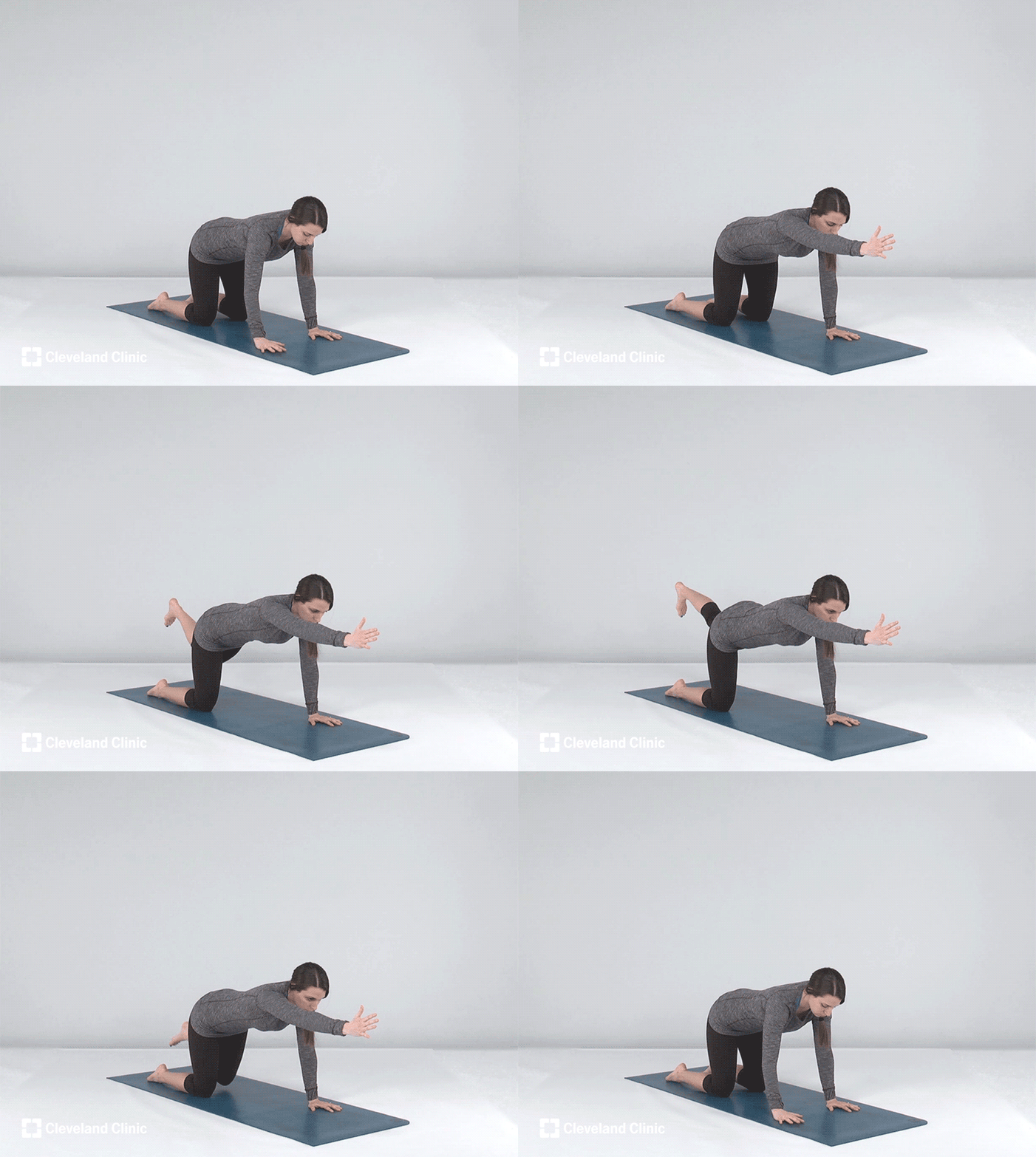
This simple pose can help develop strength in your upper body, forearms, wrists and front abdominal muscles.
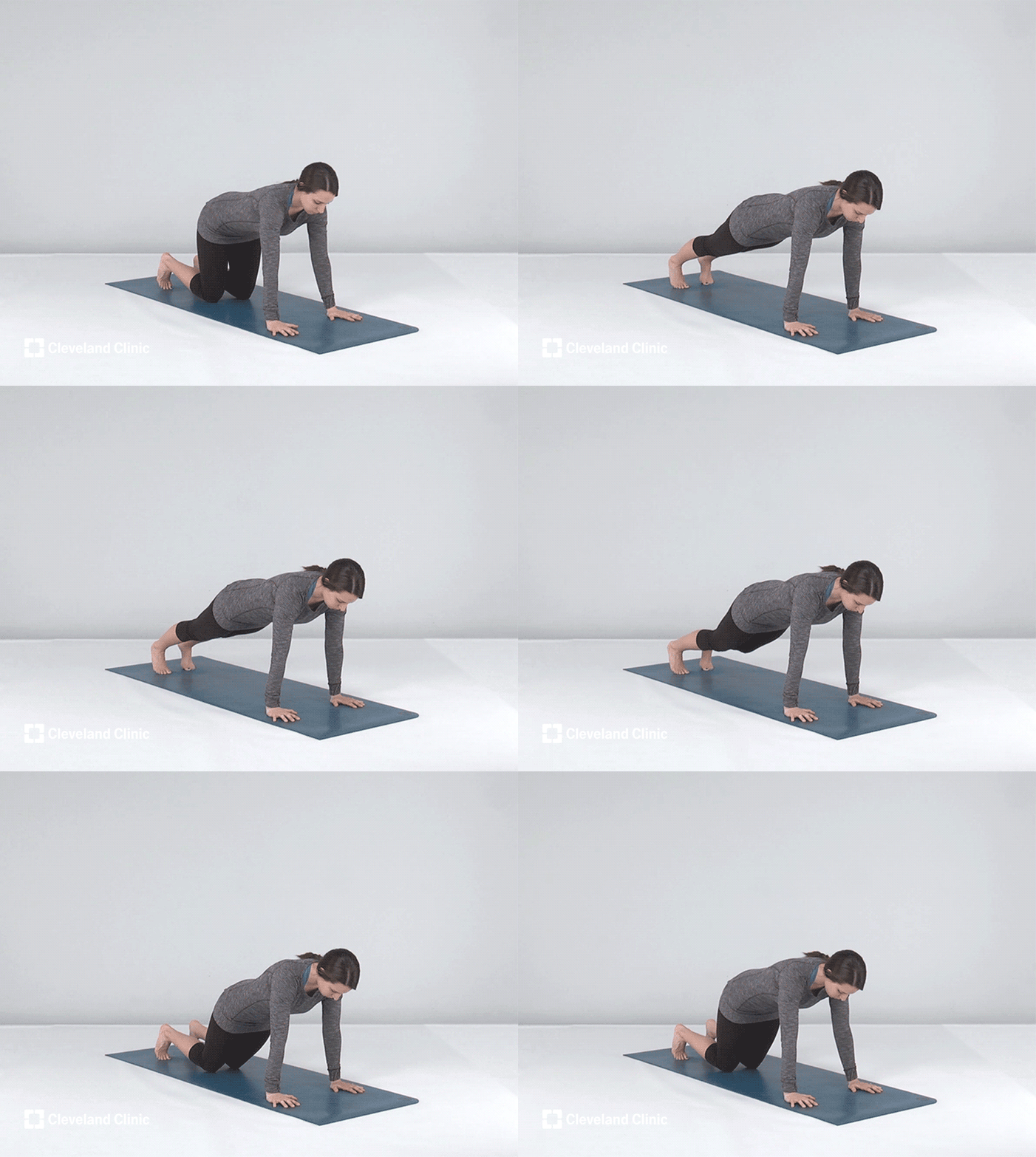
Variation: Drop to your knees to lighten the load.
Side planks can help improve your balance and work your core without putting too much pressure on your back.
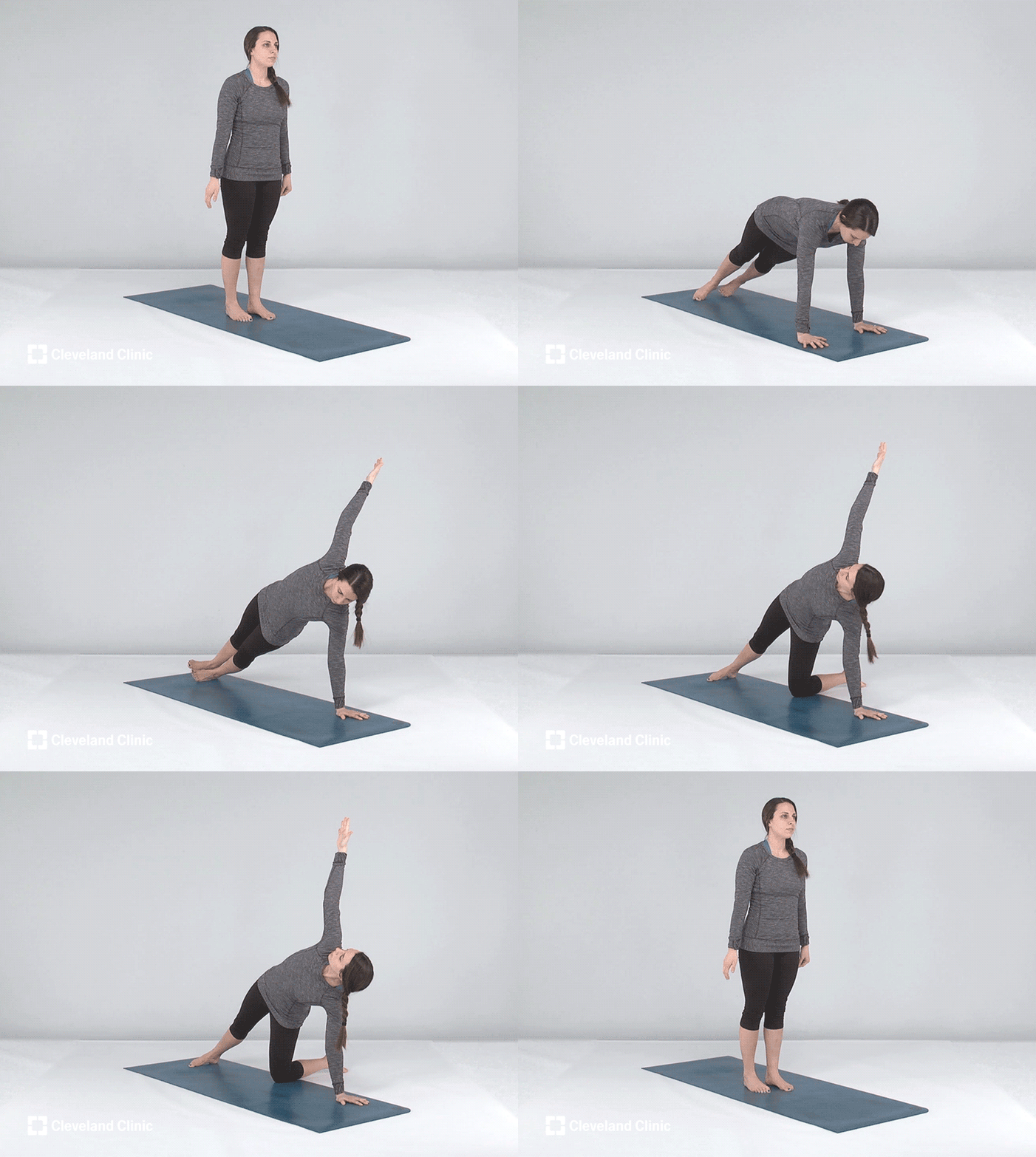
Variation: To make this pose easier, bring your bottom knee to the floor.
This pose can be challenging at first. But it can give your core a good workout.

Variation: For an added challenge, extend your arms in front of you, parallel to the mat, or straighten both knees. At its most challenging, your body will take the shape of the letter ‘V.’
This standing pose puts a lot of focus on your thighs and ankles, demanding more from your core muscles.
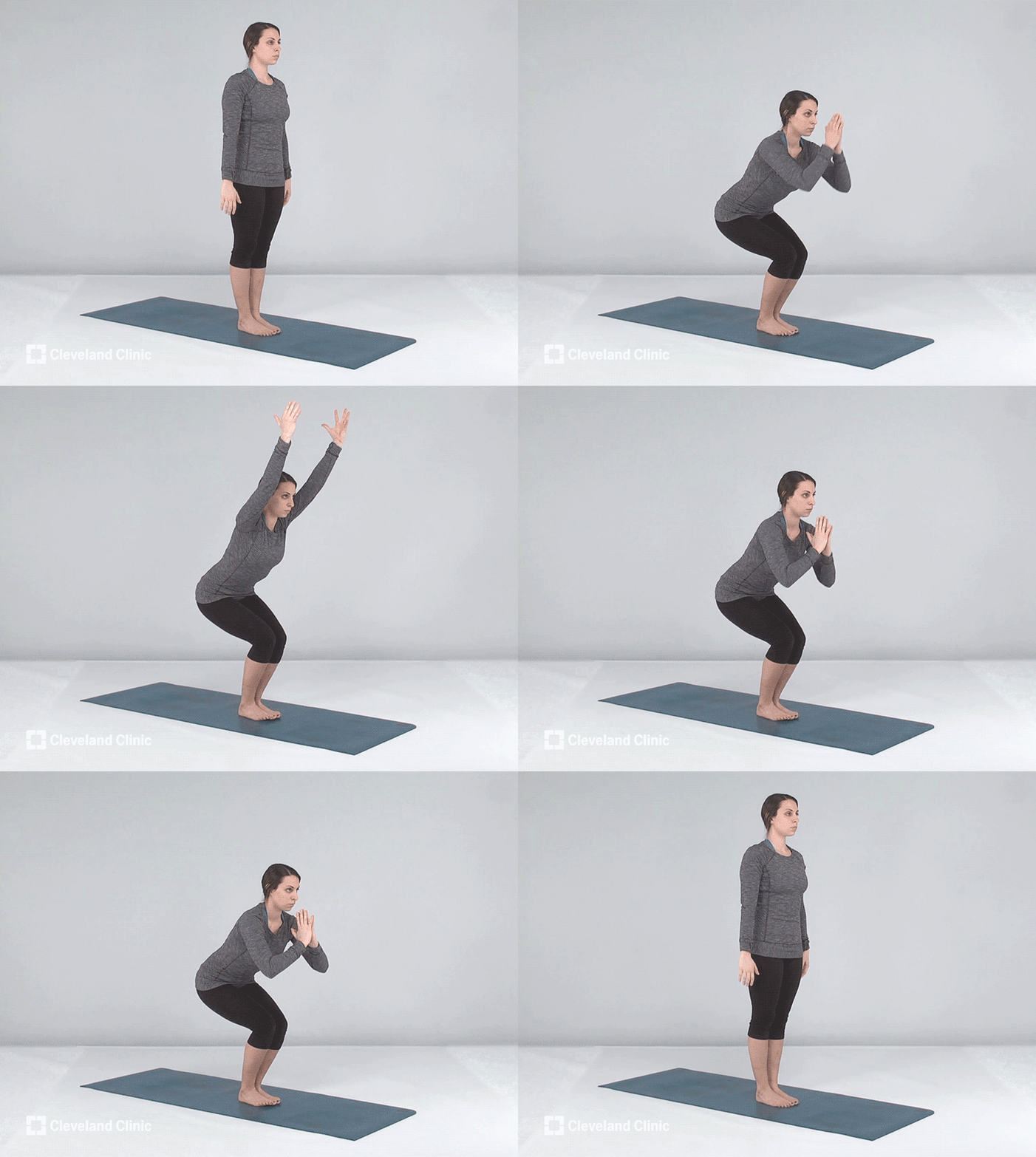
Variation: To make this pose easier, bring your palms together in front of your chest. For an added challenge, sink your butt deeper into your “seat.”
Before you jump in, consider these guidelines to build your core strength with yoga safely:
And, above all, enjoy the many benefits.
“Yoga is highly adaptable to your skill level and your goals,” Williams says. “And while it can certainly help strengthen your core and promote stronger muscles, it can also help you to live more mindfully and get in tune with your body.”

Harvard Health @HarvardHealth·
Among all fruits, #bananas are one of best sources of potassium, with about 450 milligrams (mg) per banana. https://bit.ly/39sYzFj#HarvardHealth


