Blackrock Health Womens Health Centre is officially open at 2-5 Warrington Place, Dublin 2!
From gynaecology to menopause, cardiology to pelvic health – we offer a wide range of services for every stage of your health journey.
Don’t delay your well-being and book your appointment today.
You can access our clinic directly through our website, or with a referral from your GP. Learn more about our patient-centred approach and book an appointment here: https://ow.ly/jGy850XsMvR
Have you ever thought of physiotherapy treatment for your headache?
There are numerous different types of headaches including migraine, tension type headaches and headaches arising from the neck. Many headaches can be caused by reduced movement in the neck, having the neck in a certain position, increased tightness or tension in the neck muscles and sustained poor postures e.g. sitting at a computer.
Physiotherapy treatment may involve mobilising the joints of the neck, soft tissue massage, trigger point release and stretching of neck muscles and retraining muscle strength and coordination.
Cabbage often—and unfairly—gets overlooked, with flashier veggies and protein-dense superfoods getting all the attention. But as far as nutritional food options go, the leafy green is pretty hard to beat. A staple in different cuisines (American coleslaw! Middle Eastern malfouf! Chinese suan la bai cai!), cabbage has been a longtime favorite amongst global chefs.
“Much of this stems from its versatility,” Woldy Reyes, chef and author of the cookbook In the Kusina: My Seasonal Filipino Cooking, tells Vogue. “We are seeing a growing trend of chefs utilizing it as a centerpiece, such as cabbage steaks, rather than as a side dish. The culinary appeal has never been stronger.”
“Its popularity stems from its ability to transform,” adds Tatiana Mora, chef of plant-based Michelin star restaurant Mita. “It can be eaten raw, fermented, steamed, roasted, or sautéed, consistently providing flavor, texture, and nutrition. I love it because it is a noble vegetable that grows easily, keeps well, and can be used almost entirely, making it perfect for a conscious and respectful approach to cooking.”
It’s accessible, easy to cook, and delicious. Here are all the reasons cabbage deserves a seat at your table (get it?) in 2026.
What is cabbage?
Cabbage is a leafy green that is part of the brassica plant family (which also includes broccoli, cauliflower, brussels sprouts, and kale), says Amy Shapiro, RD, registered dietitian and founder of Real Nutrition. It comes in several varieties, but the most common ones you’ll see are green, red (or purple), and savoy. What makes cabbage different from other leafy greens is its density and durability. “It’s heartier, stores longer, and holds up well to cooking, fermenting, and shredding,” Shapiro says. “Nutritionally, it shares many benefits with other cruciferous vegetables, but it’s often milder in flavor and more versatile across cuisines.”
The Benefits
Besides its versatility, one of the main benefits of cabbage is its many nutrients. Shapiro lists other main benefits of the leafy green:
Supports Gut Health
Shapiro says that, because cabbage contains fiber and other compounds that support digestion, eating this leafy green can benefit the gut bacteria and boost gut health.
Anti-Inflammatory Properties
Cabbage is also rich in antioxidants and phytonutrients that studies have shown can reduce inflammation, she says.
Boosts Heart Health
Along with fiber, cabbage has potassium, which supports healthy cholesterol levels and blood pressure. Cabbage also has vitamin K, which is essential for blood clotting (and bone health). Shapiro points to red cabbage in particular, which she says contains antioxidants called anthocyanins that studies have shown can improve brain and heart health.
Regulates Blood Sugar
Cabbage is low in calories and carbs while being high in fiber, which can help stabilize glucose levels in the body.
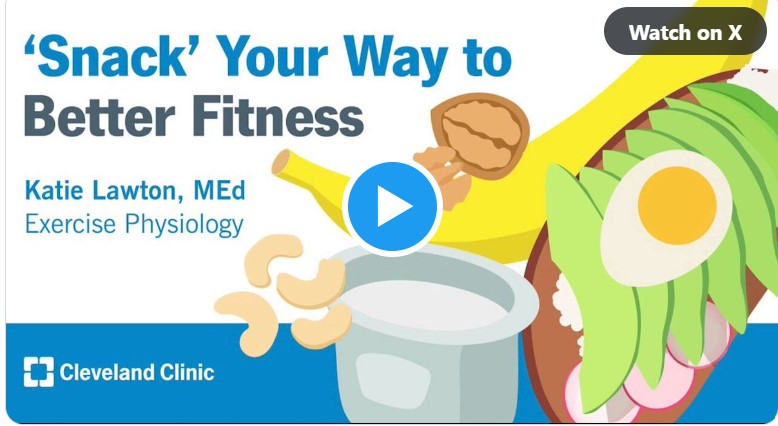
It seems that "exercise snacks" can be a good way to improve your health. Research shows that short bursts of activity done during the normal course of your day can help you build fitness – with no sweating required. Listen in as exercise physiologist Katie Lawton explains. pic.twitter.com/4dpEiWbCTM
Alcohol is a Group-1 carcinogen—but one that happens to be woven into our daily lives and often viewed as a go-to way to cope with stress or disappointment. Here are 5 ways to change that mindset, writes
Alcohol is a Group 1 carcinogen—putting it in the same category as asbestos, radiation, and tobacco.
Alcohol is woven into our daily lives and often viewed as a go-to way to cope with stress and disappointment.
Less than half of Americans are aware that drinking alcohol increases their risk of cancer.
There are healthier, more sustainable ways to manage stress.
“I need a stiff drink!” “Let’s drown our sorrows.” “I just need to unwind with a glass of wine.”
Phrases like these are so common, we barely think twice about them. Alcohol has become deeply woven into our daily lives and culture. It’s often seen as a go-to way to cope with stress, disappointment, or just the pressures of everyday life. Got bad news? Feeling overwhelmed? Need to relax? Society has taught us that it’s totally normal—even expected—to pour a big glass of wine, toss back a couple of tequila shots, or order a double whiskey.
In fact, using alcohol to handle stress is often not only accepted but actively encouraged by friends, coworkers, and the media. Movies and TV shows constantly show characters doing the same, reinforcing the idea that this is just how we deal with life.
But here’s the truth: alcohol is the one of the most widely used drugs in the world. And the way we’ve normalized it’s use as a coping mechanism deserves a closer look.
The Hidden Cost of Your Evening Glass of Wine
Alcohol is a toxic, psychoactive substance that can lead to dependence. It’s also been officially classified as a Group 1 carcinogen by the International Agency for Research on Cancer—putting it in the same category as asbestos, radiation, and tobacco. Research shows that alcohol contributes to at least seven different types of cancer, including some of the most common, like colon cancer and breast cancer. In fact, earlier this year, former U.S. Surgeon General Vivek H. Murthy issued a public health advisory warning about the clear link between alcohol use and cancer risk.
What’s concerning is that less than half of Americans are aware that drinking alcohol increases their risk of cancer. As a psychiatrist who often discusses alcohol use with patients, this lines up with what I see in practice. Many people simply don’t know that alcohol is a carcinogen. Even more common is the belief that low levels of alcohol—like a glass of wine a day—are actually good for your health, especially for the heart and brain. But that idea is being seriously questioned. In January 2023, the World Health Organization published a statement in The Lancet Public Health making it clear: When it comes to alcohol, there is no safe amount that doesn’t affect your health.
5 Things to Think About Before Reaching for a Drink to Cope With Stress
Alcohol is a known carcinogen—and a cancer diagnosis can deeply affect your mental health. Depression and anxiety are incredibly common among people with cancer. Research shows that up to 1 in 5 cancer patients experience depression, and 1 in 10 struggle with anxiety—regardless of where they are in their treatment or disease process. In fact, according to international diagnostic guidelines, about 35–40% of cancer patients meet the criteria for a psychiatric disorder. These mental health challenges don’t just impact emotional well-being—they can significantly reduce the overall quality of life for persons living with cancer. The global rate of depression among cancer patients is currently estimated at 27%. This is a noticeable increase compared to earlier data, and this trend appears to be on the rise.
That “relaxing” drink may be increasing your anxiety. While alcohol can feel calming in the moment, it’s a short-lived effect. Once the pleasurable effects of alcohol wear off, anxiety can rebound—often worse than before. Over time, this can make stress and mood disorders more difficult to manage.
Regular drinking can sneak up on you—building tolerance, dependence, and emotional numbness. What starts as the occasional glass of wine to unwind can quickly become a nightly ritual. Your body builds tolerance, meaning you need more to feel the same effects. Emotionally, alcohol can dull not just stress but joy, connection, and motivation—leaving you feeling more flat than relaxed.
Alcohol disrupts sleep, even if it helps you fall asleep. Many people use alcohol to wind down at night, but it actually interferes with sleep architecture. It may help you fall asleep faster, but it reduces the quality of your rest—leading to more fatigue, irritability, and difficulty coping with stress the next day.
There are healthier, more sustainable ways to manage stress. Whether it’s exercise, deep breathing, journaling, therapy, or connecting with others, there are countless tools for managing stress that don’t carry the risks alcohol does. Exploring these options might not provide the instant hit that a drink does—but they build resilience, not reliance.
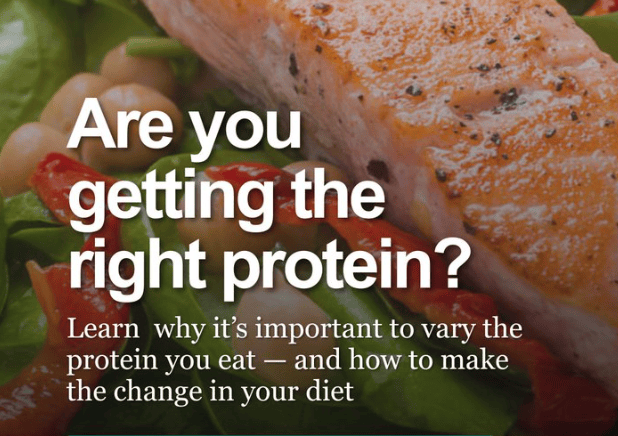
As you get older, a protein-rich diet becomes more and more important. Protein helps prevent the loss of muscle mass that happens with aging. Foods high in protein also can support energy levels and promote overall health.
But not all proteins are the same. Here’s why it’s important to vary the protein you eat — and how to make the change in your diet.
Most older adults eat more than enough red meat, poultry and eggs. But they don’t eat enough of other types of healthy protein, like fish, nuts and seeds, beans, and legumes.
Many people believe they need more red meat to meet their protein needs. While red meat is a source of protein, eating too much of it can be unhealthy.
Studies suggest that diets high in red meat and processed meats, like bacon or lunch meat, can increase the risk of heart disease, high cholesterol and certain cancers.
Best protein sources for healthy aging
Choosing the right sources of protein can have major health benefits.
Fish rich in omega-3s
Salmon, trout and sardines are rich in omega-3 fatty acids. These fats support heart health, lower inflammation and support brain health. Try to eat fish twice a week.
Protein-rich nuts and seeds
Almonds, walnuts, peanuts, chia seeds and flaxseed are not only rich in protein but also provide healthy fats and fiber. Make sure to buy nuts that aren’t salted for the best heart benefits.
Plant-based beans and legumes
Beans, lentils, chickpeas and peas are excellent plant-based sources of protein and fiber. They can help with digestion and improve gut health. Add them to soups, stews and salads for a filling and healthy meal.
Lean chicken and turkey
If you eat meat, choose lean meats like chicken or turkey breast with no skins. You can still eat red meat, but make it a treat once in a while rather than a regular dish.
Low-fat, protein-rich dairy
Low-fat dairy products like Greek yogurt and cheese are easy sources of protein. They also provide calcium and vitamin D, which are important for bone health.
How to eat more healthy protein
Making small changes to your diet can have a big impact on your health:
Find your favorite substitute for red meat
Experiment with bean burgers and fish tacos to enjoy variety and protect your heart.
Add nuts and seeds to your meals
Sprinkle them on salads, yogurt or oatmeal for a delicious and nutritious boost of protein, healthy fats and fiber.
Include beans and lentils in your cooking
Use them in soups, stews and casseroles to add plant-based protein and fiber to your diet.
Choose lean dairy options
Eat Greek yogurt or low-fat cheese to reduce saturated fat intake while still benefiting from protein and essential nutrients.
Include protein with each meal or snack
Aim for 35 grams at a time.
Combine protein and exercise for stronger muscles
To increase the benefit of a protein-rich diet, add resistance training to your day. You can use light dumbbells or resistance bands or do free-weight exercises like sit to stand, squats and pushups. These exercises help replace the muscle mass you lose with age.
Studies show that these exercises, when combined with protein intake, also can improve balance and walking speed. Researchers say that you’ll see the best results if you eat protein after exercise. So follow up your workout with a yogurt smoothie or a handful of nuts.
Do older adults need protein supplements?
Most people can get enough protein through a healthy diet with a variety of fish, nuts, beans, lean meats and low-fat dairy. But if you’re having trouble gaining weight or if you show signs of muscle loss, your healthcare team may recommend adding a protein supplement to your food.
Milk powders, whey protein and egg whites are examples of ingredients that sneak more protein into your food. Many people enjoy protein supplement shakes as well. They can be especially helpful if you need to gain weight but have a smaller appetite.
The risks and harms associated with drinking alcohol have been systematically evaluated over the years and are well documented. The World Health Organization has now published a statement in The Lancet Public Health: when it comes to alcohol consumption, there is no safe amount that does not affect health.
It is the alcohol that causes harm, not the beverage
Alcohol is a toxic, psychoactive, and dependence-producing substance and has been classified as a Group 1 carcinogen by the International Agency for Research on Cancer decades ago – this is the highest risk group, which also includes asbestos, radiation and tobacco. Alcohol causes at least seven types of cancer, including the most common cancer types, such as bowel cancer and female breast cancer. Ethanol (alcohol) causes cancer through biological mechanisms as the compound breaks down in the body, which means that any beverage containing alcohol, regardless of its price and quality, poses a risk of developing cancer.
The risk of developing cancer increases substantially the more alcohol is consumed. However, latest available data indicate that half of all alcohol-attributable cancers in the WHO European Region are caused by “light” and “moderate” alcohol consumption – less than 1.5 litres of wine or less than 3.5 litres of beer or less than 450 millilitres of spirits per week. This drinking pattern is responsible for the majority of alcohol-attributable breast cancers in women, with the highest burden observed in countries of the European Union (EU). In the EU, cancer is the leading cause of death – with a steadily increasing incidence rate – and the majority of all alcohol-attributable deaths are due to different types of cancers.
Risks start from the first drop
To identify a “safe” level of alcohol consumption, valid scientific evidence would need to demonstrate that at and below a certain level, there is no risk of illness or injury associated with alcohol consumption. The new WHO statement clarifies: currently available evidence cannot indicate the existence of a threshold at which the carcinogenic effects of alcohol “switch on” and start to manifest in the human body.
Moreover, there are no studies that would demonstrate that the potential beneficial effects of light and moderate drinking on cardiovascular diseases and type 2 diabetes outweigh the cancer risk associated with these same levels of alcohol consumption for individual consumers.
“We cannot talk about a so-called safe level of alcohol use. It doesn’t matter how much you drink – the risk to the drinker’s health starts from the first drop of any alcoholic beverage. The only thing that we can say for sure is that the more you drink, the more harmful it is – or, in other words, the less you drink, the safer it is,” explains Dr Carina Ferreira-Borges, acting Unit Lead for Noncommunicable Disease Management and Regional Advisor for Alcohol and Illicit Drugs in the WHO Regional Office for Europe.
Despite this, the question of beneficial effects of alcohol has been a contentious issue in research for years.
“Potential protective effects of alcohol consumption, suggested by some studies, are tightly connected with the comparison groups chosen and the statistical methods used, and may not consider other relevant factors”, clarifies Dr Jürgen Rehm, member of the WHO Regional Director for Europe’s Advisory Council for Noncommunicable Diseases and Senior Scientist at the Institute for Mental Health Policy Research and the Campbell Family Mental Health Research Institute at the Centre for Addiction and Mental Health, Toronto, Canada.
We are missing the bigger picture
Globally, the WHO European Region has the highest alcohol consumption level and the highest proportion of drinkers in the population. Here, over 200 million people in the Region are at risk of developing alcohol-attributable cancer.
Disadvantaged and vulnerable populations have higher rates of alcohol-related death and hospitalization, as harms from a given amount and pattern of drinking are higher for poorer drinkers and their families than for richer drinkers in any given society.
“So, when we talk about possible so-called safer levels of alcohol consumption or about its protective effects, we are ignoring the bigger picture of alcohol harm in our Region and the world. Although it is well established that alcohol can cause cancer, this fact is still not widely known to the public in most countries. We need cancer-related health information messages on labels of alcoholic beverages, following the example of tobacco products; we need empowered and trained health professionals who would feel comfortable to inform their patients about alcohol and cancer risk; and we need overall wide awareness of this topic in countries and communities,” adds Dr Ferreira-Borges.
What to know before grabbing an ice-cold beer to beat the heat:
It’s a warm summer day and you’re hanging out with friends and family for the first time in over a year, celebrating being vaccinated and just being together. And to help beat the heat, you reach in the cooler for an ice-cold beer.
While that might be refreshing at the moment, though, there’s good reason to grab some water, too. The heat of summer can be brutal, sometimes, and its effects are amplified when you’ve had a little too much alcohol.
To better understand the risks you face when drinking alcohol during this hot vaccine summer, we spoke with registered dietitian Julia Zumpano, RD.
The biggest danger: dehydration
Whenever you’re outside in the heat for prolonged periods – like at the beach or picnic – you’re at risk of dehydration. Consuming alcohol only heightens that risk.
Alcohol reduces the release of the hormone vasopressin, which keeps your body fluids balanced. At the same time, alcohol is also a diuretic which means more urinating and that can lead to dehydration even without the heat. Add in all that sweat from the hot sun and it’s a recipe for dehydration disaster.
One thing Zumprano points out, too, is that caffeine – whether via coffee, soda or as a mixer for liquor – heightens that dehydration risk even further.
Dehydration can also compound certain aspects of intoxication, she notes. “Altered thinking, altered abilities to drive and make reasonable decisions or even just to have conversations are all things that intoxication can cause.”
Liquor versus beer: Is one worse than the other in the heat?
Given that alcohol content is usually higher in spirits than in your average beer, it makes sense that drinking beer instead of mixed drinks might help you avoid dehydration. But the reality is a little more complex, according to Zumpano.
“If you’re consuming liquor at a volume equivalent to the volume of beer, like 12 ounces of margaritas compared to 12 ounces of an average beer, you will get drunk a lot quicker,” she says. “But if you’re drinking what’s considered an alcoholic drink equivalent, there’s not much of a difference because your alcohol intake is the same.”
According to the National Institute of Health, one alcoholic drink equivalent, also referred to as a “standard drink,” contains around 14 grams of pure alcohol. By those measurements, an average 12-ounce can of beer contains the same amount of alcohol as a 5-ounce glass of wine or a typical shot of distilled spirits like rum, vodka, gin or whiskey.
One thing to keep an eye on, though, is the alcoholic content of your beer. While major brands generally run between 4% and 5% alcohol per 12-ounce can or bottle, certain styles of craft beer are as much as 9% alcohol per the same volume. In other words, one can of your favorite local IPA delivers almost twice the amount of alcohol to your system.
Beware a false sense of hydration
Another mistake you should avoid, Zumpano says, is thinking that drinking all that liquid rehydrates you. “If you’re drinking a lot of beer or alcoholic seltzer, it can feel like you’re drinking a lot of liquid and staying hydrated, but the alcohol offsets that because it’s the dehydrating factor,” she points out.
Not that drinking mixed drinks is any better, according to Zumpano. “If you’re drinking a sugary, sweet mixed drink, you run into the same thing. It feels like you’re staying hydrated because they go down so much smoother than drinking spirits on the rocks. But it’s the same effect as with beer: The alcohol is still dehydrating you unless you’re also drinking enough water.”
Sugar, the hidden villain
All of these drinks have other adverse health effects, too. They can pack a bunch of calories into a single serving – as many as 400 to 500 calories in some mixed drinks and craft beers – and they can come loaded with carbs.
There’s more, though. “If you’re drinking high sugar, high caloric intake beverages and you’re drinking a lot of them, they can be very filling,” Zumpano says. If you’re feeling full, you might not eat any food which can otherwise help absorb some of the alcohol.
How to counter dehydration: water, water, water
So what can you do to avoid dehydration troubles when you’re sipping your favorite boozy beverage by the pool? “To counteract the dehydration risk of alcohol,” Zumpano says, “drink 8 to 12 ounces of water for every alcoholic drink. It slows your intake, keeps you hydrated and can mitigate negative hangover effects.”
She suggests keeping a reusable water bottle with you that you can refill as the day goes on, taking time to drink the necessary water between beers or margaritas. Another option is to buy a pack of 8-ounce bottles of water and alternate with your booze. And you can always infuse your water with fruit to keep it flavorful.
“It’s also important to know what your trigger for over-consumption is,” she adds. “If you’re triggered by over-consuming beer or alcoholic seltzer, you want to be mindful of that. Try to switch a drink you have better control of and keep the water bottle handy.”