Measuring how well a person is aging can be as simple as standing on one leg. It may not be easy for everyone to maintain balance on one leg, but according to Mayo Clinic research, it can be a reliable measure of neuromuscular aging. Learn more: https://t.co/3qnOtIyrQrpic.twitter.com/LhHwd70LJL
Are your kids interested in sports or just want to feel stronger? Strength training can be safe and beneficial for children when it is done the right way. Light weights, proper form and age appropriate guidance matter. Curious about when kids can start and how to keep it safe?
Strength training: OK for kids?
Strength training offers kids many benefits, but there are important warnings to keep in mind. Here’s what you need to know about youth strength training.By Mayo Clinic Staff
Strength training for kids? Great idea! Done right, it offers many benefits to young athletes. Strength training is good even for kids who just want to look and feel better. In fact, strength training might put your child on a lifetime path to better health and fitness.
Strength training, not weightlifting
Don’t confuse strength training with weightlifting, bodybuilding or powerlifting. Trying to build big muscles can put too much strain on young muscles, tendons and areas of cartilage that haven’t yet turned to bone, called growth plates. Also, being more focused on lifting large amounts of weight than on form can make strength training riskier.
For kids, light weights and controlled movements are best. Using good form and being safe are most important.
Children can do many strength training exercises using their own body weight or resistance tubing. Free weights, machine weights and medicine balls are other options. But keep in mind that some equipment designed for adults might be too large for many children.
What can kids get out of strength training?
Done right, strength training can:
Increase children’s muscle strength.
Help protect children’s muscles and joints from sports injuries.
Help children do better in nearly any sport.
Teach children proper form.
Keep in mind that strength training isn’t only for athletes. Even for children who don’t want to play sports, strength training can:
Strengthen bones.
Help promote healthy blood pressure and cholesterol levels.
Help maintain a healthy weight.
Help kids feel good about themselves.
Increase physical activity overall.
When can a child begin strength training?
During childhood, being active improves kids’ body awareness and control and their balance. Strength training can become a part of a fitness plan as early as age 7 or 8.
Younger children who start sports activities such as baseball or soccer also might benefit from strength training. To strength train, children should be able to follow directions and practice proper form.
The Department of Health and Human Services says that school-age children should get 60 minutes or more of daily activity. As part of this activity, muscle- and bone-strengthening exercises are suggested at least three days a week.
For children who have an interest in strength training, remind them that strength training is meant to increase muscle strength and endurance. Increasing muscle size, also called bulking up, is something else.
You might also check with your child’s healthcare professional for the OK to begin a strength training program. Be sure to check with your child’s healthcare professional if your child has a known or suspected health problem, such as a heart condition, high blood pressure or seizures.
What’s the best way to start a strength training program for kids?
A child’s strength training program isn’t just a scaled-down version of an adult program. Here are some things you can do to help your child train safely:
Talk with a professional. Start with a coach or personal trainer who has worked with youth to strength train. The coach or trainer can create a safe strength training program that works based on your child’s age, size, skills and sports interests. Or enroll your child in a strength training class for kids.
Keep watch. Don’t let your child strength train alone. It’s important to have an adult who knows how to strength train oversee your child’s program.
Keep it fun. Help your child vary the routine to prevent boredom.
Urge your child to:
Warm up and cool down. Your child should begin each strength training session with 5 to 10 minutes of light aerobic activity. This could be walking, jogging in place or jumping rope. This warms the muscles and prepares them for harder activity. Each strength training session should be followed with 10 to 15 minutes of light aerobic activity and gentle stretching. This helps keep blood flowing to the muscles during recovery.
Keep it light. Kids can safely lift light adult-size weights. Children can try to do one or two sets of 8 to 12 repetitions with good form. If they can’t do 10 repetitions, the weight might be too heavy.
Focus on good form. Form and technique are more important than the amount of weight your child lifts. Children can increase the resistance or number of repetitions little by little as they build strength.
Rest between workouts. Make sure your child rests at least one full day between exercising each major muscle group. Major muscle groups are the legs, hips, back, abdomen, chest, shoulders and arms.
Results won’t come overnight. But in time, your child will have more muscle strength and be able to work the muscles harder
As you get older, a protein-rich diet becomes more and more important. Protein helps prevent the loss of muscle mass that happens with aging. Foods high in protein also can support energy levels and promote overall health.
But not all proteins are the same. Here’s why it’s important to vary the protein you eat — and how to make the change in your diet.
Most older adults eat more than enough red meat, poultry and eggs. But they don’t eat enough of other types of healthy protein, like fish, nuts and seeds, beans, and legumes.
Many people believe they need more red meat to meet their protein needs. While red meat is a source of protein, eating too much of it can be unhealthy.
Studies suggest that diets high in red meat and processed meats, like bacon or lunch meat, can increase the risk of heart disease, high cholesterol and certain cancers.
Best protein sources for healthy aging
Choosing the right sources of protein can have major health benefits.
Fish rich in omega-3s
Salmon, trout and sardines are rich in omega-3 fatty acids. These fats support heart health, lower inflammation and support brain health. Try to eat fish twice a week.
Protein-rich nuts and seeds
Almonds, walnuts, peanuts, chia seeds and flaxseed are not only rich in protein but also provide healthy fats and fiber. Make sure to buy nuts that aren’t salted for the best heart benefits.
Plant-based beans and legumes
Beans, lentils, chickpeas and peas are excellent plant-based sources of protein and fiber. They can help with digestion and improve gut health. Add them to soups, stews and salads for a filling and healthy meal.
Lean chicken and turkey
If you eat meat, choose lean meats like chicken or turkey breast with no skins. You can still eat red meat, but make it a treat once in a while rather than a regular dish.
Low-fat, protein-rich dairy
Low-fat dairy products like Greek yogurt and cheese are easy sources of protein. They also provide calcium and vitamin D, which are important for bone health.
How to eat more healthy protein
Making small changes to your diet can have a big impact on your health:
Find your favorite substitute for red meat
Experiment with bean burgers and fish tacos to enjoy variety and protect your heart.
Add nuts and seeds to your meals
Sprinkle them on salads, yogurt or oatmeal for a delicious and nutritious boost of protein, healthy fats and fiber.
Include beans and lentils in your cooking
Use them in soups, stews and casseroles to add plant-based protein and fiber to your diet.
Choose lean dairy options
Eat Greek yogurt or low-fat cheese to reduce saturated fat intake while still benefiting from protein and essential nutrients.
Include protein with each meal or snack
Aim for 35 grams at a time.
Combine protein and exercise for stronger muscles
To increase the benefit of a protein-rich diet, add resistance training to your day. You can use light dumbbells or resistance bands or do free-weight exercises like sit to stand, squats and pushups. These exercises help replace the muscle mass you lose with age.
Studies show that these exercises, when combined with protein intake, also can improve balance and walking speed. Researchers say that you’ll see the best results if you eat protein after exercise. So follow up your workout with a yogurt smoothie or a handful of nuts.
Do older adults need protein supplements?
Most people can get enough protein through a healthy diet with a variety of fish, nuts, beans, lean meats and low-fat dairy. But if you’re having trouble gaining weight or if you show signs of muscle loss, your healthcare team may recommend adding a protein supplement to your food.
Milk powders, whey protein and egg whites are examples of ingredients that sneak more protein into your food. Many people enjoy protein supplement shakes as well. They can be especially helpful if you need to gain weight but have a smaller appetite.
Throat cancer is one of the fastest-growing cancers, and it is often linked to HPV. There are three ways to reduce your risks and help prevent head and neck cancer. Learn more: https://t.co/m2IQGxO3Fzpic.twitter.com/H28s0BsZh1
Measuring how well a person is aging can be as simple as standing on one leg. It may not be easy for everyone to maintain balance on one leg, but according to Mayo Clinic research, it can be a reliable measure of neuromuscular aging. Learn more: https://t.co/3qnOtIyrQrpic.twitter.com/LhHwd70LJL
There is no magic pill to reverse the aging process. But if you want to counter the biological mechanisms that drive age-related conditions, like the accumulation of senescent cells, you will need to exercise.
Can eating the rainbow help to reduce inflammation?
11/6/2025 by Tamara Soerense
n
Inflammation is a natural process initiated by the immune system in response to illness, trauma, toxins, physical stress and chronic disease. While acute inflammation is protective and allows our bodies to heal, it can become harmful if it persists, leading to chronic inflammation. Chronic inflammation, in turn, can lead to conditions such as arthritis, heart disease, and diabetes.
Several foods can contribute to inflammation. These include highly processed foods, refined carbohydrates, or foods high in added sugars. Conversely, other foods can help calm the immune system, decreasing inflammation.
Let’s explore which foods help lower inflammation and how they can be incorporated into an anti-inflammatory diet.
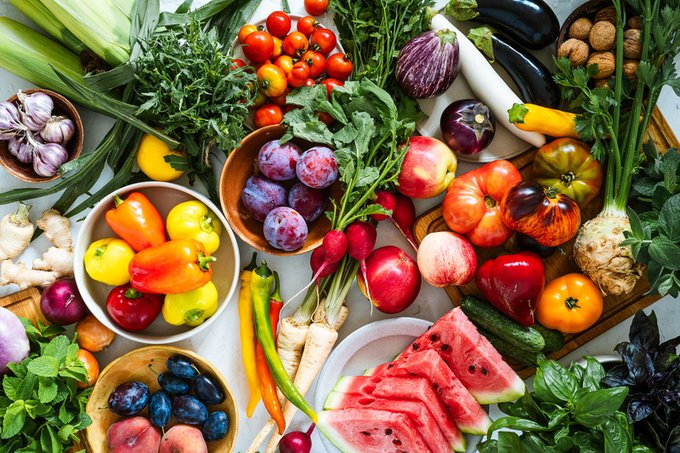
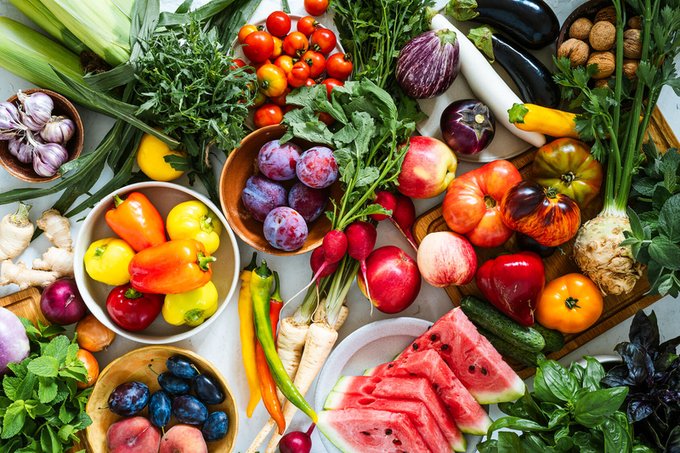
Fruits and Vegetables: Colorful fruits and vegetables naturally contain various phytonutrients and bioactive compounds that help keep inflammation in check. These foods form the foundation of the anti-inflammatory diet and can be enjoyed in abundance. For an extra boost of protection, try drizzling antioxidant-rich olive oil on your veggies..
Protein: Choose primarily from plant-based sources such as legumes, soy, nuts, and seeds, with smaller amounts from lean cuts of animal protein and fatty fish. The fats in these proteins, mainly monounsaturated and omega-3, play a significant role in combating inflammation. The American Heart Association recommends 6 to 8 ounces of fatty fish and 5 ounces of legumes, nuts, and seeds per week.
Whole grains: Whole grains contain all parts of the grain, whereas refined grains remove the germ and bran, eliminating important inflammation-reducing compounds. Of these, fiber is a bit of a superstar, shown to help reduce blood sugar and cholesterol levels. Aim for at least 50% of your grains from whole grain sources, such as rolled oats and brown rice.
Herbs and Spices: Herbs and spices add flavor to your food and help reduce oxidative stress, which can trigger inflammation. Add ginger, turmeric, clove, cinnamon, oregano, and garlic to your next meal.
What change can you make today to shift your body into a less inflamed state?
Consider adding one colorful fruit or vegetable to your diet each day. Suggestions include tomatoes, oranges, yellow bell peppers, arugula, blueberries, pumpkin and broccoli.
Tamara Soerensen completed her bachelor’s degree in biology at the University of California, Santa Barbara and her master’s in nutrition at Bastyr University. She is currently a dietetic intern at Mayo Clinic in Rochester, Minnesota. Special interests include digestive health and the utilization of diet for disease prevention.