#MondayMotivation: Albert Einstein said… ‘Life is like riding a bicycle. To keep your balance, you must keep moving.’ Sign up for our #LoveActivity resources to get the nation moving: http://bit.ly/2WrzXD9
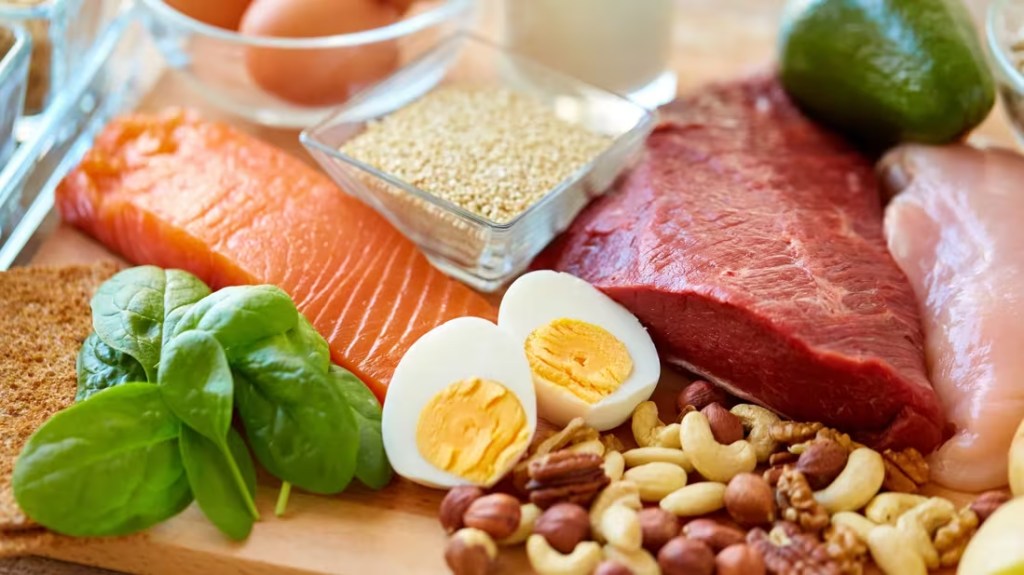
Lean meats, fish, dairy and plant proteins can help you meet your protein needs without piling on saturated fat and sugar
You have options when it comes to putting protein on your plate. Lots and lots of options. But as you’re considering what proteins to include, remember this: Not all proteins are created equal.
For example, both hot dogs and cooked lentils offer protein — but one brings a little more to the table when it comes to nutrition and your health. (It’s lentils, just to be clear.)
“There’s more to it than just getting as many grams of protein as possible,” says registered dietitian Julia Zumpano, RD, LD. “Quality matters — and a lot of us don’t regularly consume good-quality protein that enhances our overall diet.”
What makes a protein source a good choice?
Foods aren’t made of protein alone. That’s why simply comparing the number of protein grams on two nutrition labels doesn’t really tell you which might be the healthier choice.
Other factors matter, too, including the food’s overall nutrient profile. Consider how much added sugar, sodium or saturated fat it contains. Look at whether it provides beneficial nutrients, like fiber, vitamins and minerals.
“Over the long term, all of these affect your health,” says Zumpano.
Ideally, she recommends getting most of your protein from a variety of whole or minimally processed foods. That can include animal-based products, as well as plant-based protein sources.
What might that look like for meals? Start with these healthy protein sources.
Fish
If you’re fishing for a healthy protein, the seas are an excellent place to start. Like other animal proteins, fish naturally provide a concentrated source of protein. Fish generally contain about 7 grams of protein per ounce, although the exact amount varies by type.
Many fish are also lower in saturated fat and higher in omega-3 fatty acids, a one-two combination that makes them a standout for heart health. They’re also packed with key nutrients like vitamin D.
“Fish is a phenomenal protein source,” says Zumpano. “Regularly swapping it in for other meat sources can help you build a healthier and more varied eating pattern.”
Lean red meat
Red meat has a place in a healthy diet. But the key is to choose lean cuts.
Picking a leaner cut gets you protein — about 7 grams per ounce — while minimizing saturated fat. Examples of lean cuts include tenderloin, sirloin, top round and flank steak. For ground beef, opt for 90% lean or higher.
Skinless poultry
Chicken, turkey and other poultry can give you protein without all the saturated fat found in some other meat choices — but how you prepare it makes a difference.
Zumpano recommends going with skinless white meat poultry. Like fish and red meat, it provides roughly 7 grams of protein per ounce. (There’s some variation depending on what you choose.)
Prefer dark poultry meat? That’s OK! It has a place on the table. Ideally, try to choose dark varieties (like legs, thighs and wings) a little less often because they’re higher in saturated fat.
Lean toward baking, grilling or roasting your poultry, too, and go easy on adding salt. Avoid deep-frying chicken or coating it in breading to stay on the healthier side.
Dairy foods
Dairy-based foods can be an easy way to work more protein into your day, especially at breakfast. Zumpano says she often recommends eating Greek yogurt or cottage cheese in the morning.
Greek yogurt typically packs 11 to 12 grams of protein in a half-cup serving. Cottage cheese has 12 to 14 grams of protein in a half-cup serving.
Starting the day with either can pay off later. A protein-rich breakfast can help support steadier energy, blood sugar and appetite levels, which can keep you from crashing as the hours pass by.
Eggs
Eggs are another simple, whole-food protein source that traditionally shines in the morning.
But eggs can also bring a protein boost to your lunch, Zumpano says. Hard-boiled eggs make a good snack, too!
That versatility with eggs makes it easier to spread protein intake throughout your day, which maximizes your body’s ability to get the most out of it. One large egg typically has 6 grams of protein.
Legumes
Plant proteins deserve a regular place on your plate — and not just if you’re vegetarian or vegan. Cooked beans, lentils and other legumes provide about 15 grams of protein per cup, along with benefits you won’t get from meat alone.
“Plant proteins offer a whole slew of powerful vitamins, minerals and antioxidants — and the fiber that’s in it aids in creating a healthy gut microbiome, digestion and regularity,” Zumpano explains.
Nuts and seeds
Nuts and seeds are another easy way to add plant-based protein to your diet when you get the munchies. They offer a healthy dose of protein — on average, 6 to 7 grams per ounce — along with fiber and other nutrients.
The healthy fats found in nuts and seeds can also help manage your blood sugar and appetite throughout the day.
“A handful of nuts or seeds can be a nutrient-dense snack choice that offers far more than chips or other carb-heavy options,” notes Zumpano.
Tofu and tempeh
If you want to make plants the star of the meal, tofu and tempeh are excellent choices. These soy-based foods are rich in protein and have enough texture and heft to serve as meat substitutes.
Tofu typically offers between 10 and 15 grams of protein per half cup. Tempeh is higher at 15 to 20 grams.
But don’t feel like you need to go “plant-only” to use tofu and tempeh. Add them into your meal rotation with red meat, chicken and fish. “Use them to build some variety into your diet,” suggests Zumpano.
High-protein foods to limit
A package that screams “20 grams of protein!” doesn’t automatically make a food healthy.
Some protein choices come with lots of saturated fat or heavy processing that may make them less than ideal.
Try to limit:
Processed meats: Bacon, sausage, hot dogs and deli meats may contain protein, but they’re also high in saturated fat. That doesn’t mean they’re off-limits forever — but they shouldn’t be your go-to protein sources.
Fast-food burgers and other fatty meats: Yes, a double cheeseburger or a deli sandwich has protein. They also tend to come with a lot of saturated fat, sodium and calories. Try to limit meals from a drive-thru window.
Highly processed protein-enhanced foods: Protein chips. Protein cereal. Protein waffles. Yes, protein seems to be everywhere. But everything you eat doesn’t need to be protein-packed. Don’t choose processed food solely for the promise of extra protein.
Tips to make healthier protein choices
You don’t need to obsess over every gram of protein when putting together meals. Instead, focus on quality, variety and nutritional balance. Zumpano recommends:
Choosing whole foods: Build meals around foods that aren’t heavily processed.
Mix up your sources: Don’t rely only on animal protein. Include plant proteins, too.
Spread it out: Many people pack in their protein at dinner and skimp at breakfast and lunch. Aim for a more even distribution.
Pair protein with fiber: This combination can slow digestion, helping support steadier blood sugar levels and keeping you feeling full longer. It can also make meals and snacks more balanced and satisfying.
Be skeptical of protein marketing: High-protein is only one part of the nutritional story. Look closely at products to understand better what you’re eating.
“Protein doesn’t have to feel complicated,” reinforces Zumpano. “Find some protein-rich whole foods you enjoy and build meals from there. Do that consistently and your body will get the healthy protein it needs.”
BRIDGING
This is the one of a physiotherapist’s staple exercises, if in doubt…bridge 😂
Often when children are growing, they come up against muscle imbalances, which can lead to aches and pains. A great way to protect the body from these is by keeping a good strong core!
A tip my top #pilates friend showed me was rolling the spine up and down, like a Mexican wave 👋🏽! Go follow @excellencepilates@excellence_physio for much more specialist knowledge than I can offer 😁
HOW TO INCORPORATE INTO PLAY
Get some lovely little cars or animals on one side of your child, and help them create a BRIDGE (!) so you can drive those little toys under their bottom!
….a traffic jam can always help you keep their bottom up for little longer 😏
This bright, lemony salad is best made with farm-fresh asparagus, which is dressed and eaten raw here. Look for stalks that are bright green with firm, tight tips. Buy it in season from your local farmer’s market.
Ingredients
1 pound fresh asparagus 1 tablespoon fresh lemon juice 1 tablespoon extra virgin olive oil 1/8 teaspoon kosher salt 1/8 teaspoon freshly ground black pepper 1 tablespoon shaved Parmesan 8 fresh chives
Directions
Break off the tough ends of the asparagus and discard.
Use a vegetable peeler to make long thin ribbons of asparagus. Add to a large bowl.
In a small bowl, whisk together the lemon juice, oil, salt and pepper. Drizzle over the asparagus ribbons and toss well.
Use the vegetable peeler to shave thin strips from a piece of fresh Parmesan (about 1 tablespoon) and scatter over the salad.
Use kitchen shears to cut the chives into small pieces directly over the salad.
Nutritional information (per serving)
Makes 4 servings
Calories: 70 Total fat: 4 g Saturated fat: 1 g Trans fat: 0 g Protein: 4 g Total carbohydrate: 7 g Fiber: 3 g Sugar: 2 g Cholesterol: 0 mg Sodium: 95 mg
—Developed by Sara Quessenberry for Cleveland Clinic Wellness.
It’s hard to feel sad or stressed with all this cuteness. We have science to prove it! Pets help raise their owners’ fitness levels, improve blood pressure, cholesterol and blood sugar levels, and boost overall happiness and well-being. pic.twitter.com/onB8EEGK5W
— American Heart Association (@American_Heart) June 27, 2025
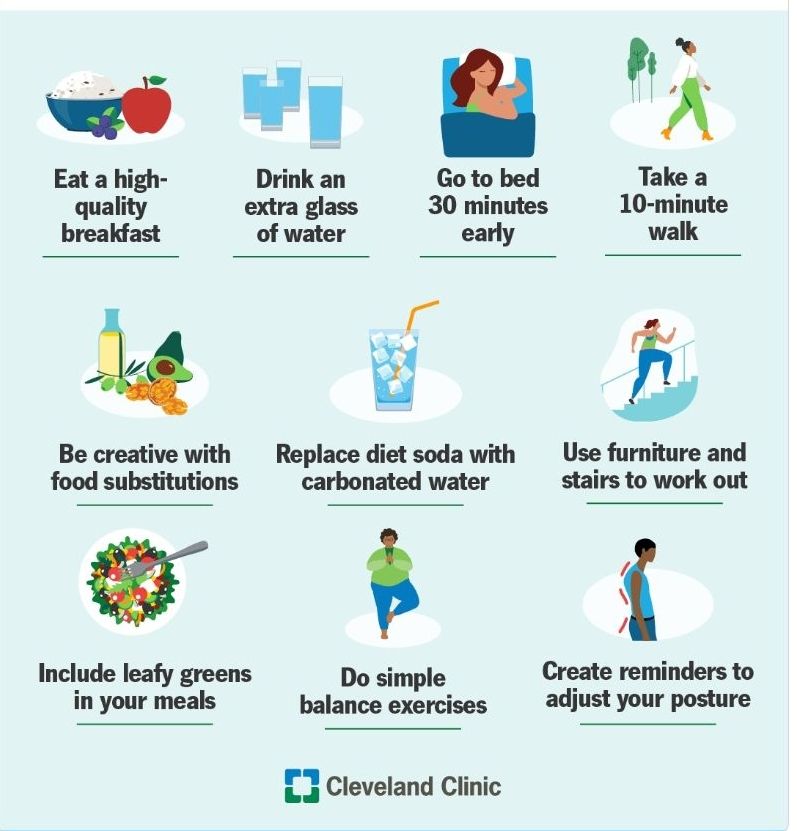
Building healthy habits is important because small, everyday behaviors can have a compounding effect on your health over time. And learning how to make lifestyle changes now will come in handy when life gets busy or if health concerns crop up. To build healthy habits that stick,
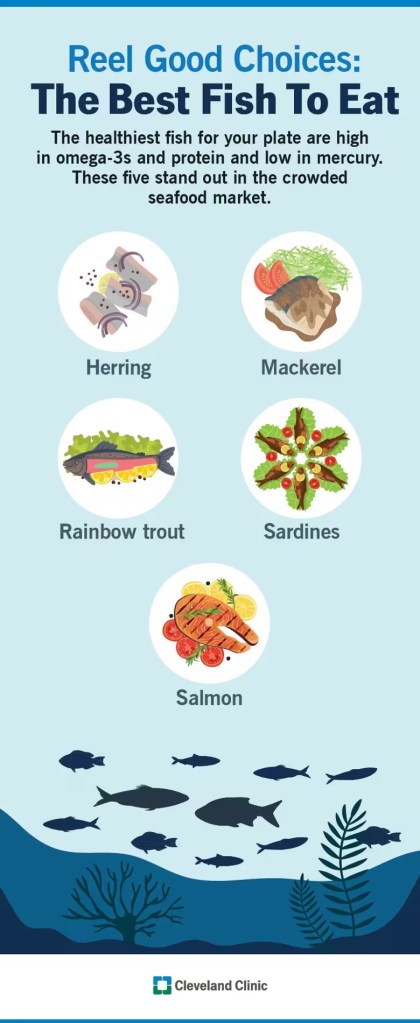
The best choices are high in omega-3s and protein and low in mercury
Fish has earned its reputation as one of the healthiest proteins you can put on your plate. But with so many options in the seafood case, it can be hard to know which ones deserve a spot in your shopping cart.
“It can get overwhelming sometimes with so many choices,” says registered dietitian Julia Zumpano, RD, LD. “The key is choosing fish that give you the most nutritional benefit while limiting your mercury exposure.”
The 5 best fish to eat
Fish is packed with lean protein, but its biggest nutritional advantage is omega-3 fatty acids. These healthy fats can help support heart and brain health and lower inflammation, among other benefits.
Zumpano’s top choices for fish are all high in omega-3s and protein, as well as other vitamins and nutrients.
They’re also low in mercury, a toxic metal that brings health concerns in high amounts.
Here are five fish choices to search out at the market.
1. Sardines
Don’t let their tiny size fool you: “Sardines offer big health benefits,” says Zumpano.
A 3-ounce serving provides about 2 grams of omega-3 fatty acids — one of the highest amounts of any fish. They’re also a good source of calcium and vitamin D, essential nutrients your body needs to work right.
Another perk? They’re inexpensive and easy to keep on hand. You can buy sardines packed in olive oil or tomato sauce and add them to:
Salads
Pasta dishes
Grain bowls
Toast
If you’re watching your sodium intake, compare nutrition labels and choose lower-sodium varieties when possible.
2. Herring
Herring is another oily fish loaded with omega-3s. While it contains slightly less omega-3 than sardines, herring still delivers plenty of heart-healthy fats. It’s also swimming in vitamin B12 and vitamin D.
Depending on your preferences, herring can be eaten:
Cooked fresh
Smoked
Pickled
Canned
“Herring has a stronger, fishier flavor because it’s rich in those healthy oils,” Zumpano notes. “If you’re trying it for the first time, using mustard and dill is a traditional preparation that’s a great place to start.”
3. Mackerel
Mackerel is another excellent source of omega-3s and lean protein, but there’s one important catch: Not all mackerel is created equal.
It’s best to choose the smaller Atlantic or Spanish mackerel, which are relatively low in mercury, clarifies Zumpano. And pass on king mackerel, a larger predator fish that contains much higher mercury levels.
Mackerel is tasty grilled, baked or poached. The fish pairs well with vegetables, salads and whole grains for a balanced meal.
4. Salmon
No list of healthy fish would be complete without salmon. Popular with diners for its rich and meaty texture, salmon is another excellent source of protein, omega-3 fatty acids and key vitamins.
When it comes to nutritional value, wild salmon holds a slight edge over responsibly raised farmed salmon, notes Zumpano. But both are excellent choices.
“If you have the opportunity to choose wild Pacific salmon, it’s a great option,” she adds. “But don’t be afraid to eat farm-raised Atlantic salmon if that’s what’s available or fits your budget.”
5. Rainbow trout
Rainbow trout is another option in the seafood case that checks a lot of good-for-your-health boxes. It’s rich in lean protein and omega-3 fatty acids while also providing important key vitamins and nutrients.
“Rainbow trout has a mild flavor and soft texture, too, so it’s easy to work into meals,” says Zumpano. Try it baked, grilled or pan-seared. It goes nicely with veggies, salads or whole grains for a balanced plate.
Fish to limit
No fish is completely “bad” for you, given the protein and other nutrients they offer. But some are worth eating less often because they’re lower in omega-3s or potentially higher in mercury or other contaminants.
This list includes:
Tilapia: While tilapia is a lean source of protein, it lacks the omega-3 content of other fish. “Most people don’t get enough omega-3s in their diet, so if you’re going to enjoy fish, try to choose fish that are highest in that nutrient,” suggests Zumpano.
Tuna: Both fresh and canned tuna provide protein and omega-3s. The concern is mercury. Larger fish tend to accumulate more mercury over time, so Zumpano recommends limiting tuna to about 6 ounces per week. If you buy canned tuna, chunk light varieties generally contain less mercury than albacore.
Imported catfish: Most catfish sold in the United States is imported, which brings concerns about potential contaminants, cautions Zumpano. If catfish is a favorite, look for farm-raised fish from the U.S.
Larger fish: Mercury concerns typically rise with the size of the fish. The reason? Big fish (like marlin, shark and swordfish) eat smaller fish and absorb the mercury that accumulates in their bodies over time.
Final thoughts
While fish consumption in the United States has risen in recent years, most Americans still don’t eat from the seas often enough, says Zumpano. That adds up to a lot of people missing out on an important source of omega-3 fatty acids.
In general, health experts recommend that adults eat two 4-ounce servings of fish per week as part of a healthy and balanced diet. (Pregnant or breastfeeding women should limit it to one serving per week, given the mentioned mercury concerns.)
Zumpano recommends adding a variety of seafood to your meals. If you’re looking for choices other than the fish cited here, check out the “best choices” list put together by the U.S. Food and Drug Administration (FDA).
“Fish is one of the healthiest sources of protein you can eat,” reiterates Zumpano. “When you choose fish that’s high in omega-3s and lower in mercury, you’re getting the greatest nutritional benefit.”