This bright, lemony salad is best made with farm-fresh asparagus, which is dressed and eaten raw here. Look for stalks that are bright green with firm, tight tips. Buy it in season from your local farmer’s market.
Ingredients
1 pound fresh asparagus 1 tablespoon fresh lemon juice 1 tablespoon extra virgin olive oil 1/8 teaspoon kosher salt 1/8 teaspoon freshly ground black pepper 1 tablespoon shaved Parmesan 8 fresh chives
Directions
Break off the tough ends of the asparagus and discard.
Use a vegetable peeler to make long thin ribbons of asparagus. Add to a large bowl.
In a small bowl, whisk together the lemon juice, oil, salt and pepper. Drizzle over the asparagus ribbons and toss well.
Use the vegetable peeler to shave thin strips from a piece of fresh Parmesan (about 1 tablespoon) and scatter over the salad.
Use kitchen shears to cut the chives into small pieces directly over the salad.
Nutritional information (per serving)
Makes 4 servings
Calories: 70 Total fat: 4 g Saturated fat: 1 g Trans fat: 0 g Protein: 4 g Total carbohydrate: 7 g Fiber: 3 g Sugar: 2 g Cholesterol: 0 mg Sodium: 95 mg
—Developed by Sara Quessenberry for Cleveland Clinic Wellness.
Here’s a medical news story that combines a common habit (drinking coffee) with a common skin condition (rosacea) — and it even has a happy ending.
What is rosacea?
Rosacea is probably something you’ve seen plenty of times and didn’t know what it was — or perhaps you have it yourself. It’s that pink or red discoloration on the cheeks some people have, especially fair-haired women. Sometimes there are small bumps that may look a bit like acne. If you look closely (after asking nicely for permission, of course), you’ll see tiny blood vessels just under the surface of the skin. In more severe cases it may involve the chin, forehead, nose, ears, and other skin surfaces. It may affect the eyes, eyelids, and cause thickening of the skin over the nose.
We don’t know what causes rosacea. However, there are theories that it may be, at least in part, a genetic condition, as it can run in families. Because the immune system seems to be involved in the inflammation of rosacea, and because other autoimmune conditions (such as type 1 diabetes and multiple sclerosis) may accompany rosacea, abnormal immune function may play a role. Medications (such as topical anti-inflammatory drugs) and antibiotics can reduce redness and inflammation but there is no cure. Many people seem to be able to reduce signs of rosacea by modifying their diet to avoid foods that trigger it.
Rosacea affects more than 14 million people in the US, including some celebrities, such as Bill Clinton and the late Diana, Princess of Wales. And while it’s not dangerous, it can have a significant cosmetic impact. Caffeine, sun exposure, spicy foods, and hormonal factors are thought to be able to trigger rosacea’s development or make it worse once present. Yet, a new study challenges the connection between caffeine and rosacea.
More coffee, less rosacea?
A recent study analyzed health data from surveys provided to nearly 83,000 women over more than a decade and found that:
Those drinking four or more cups of coffee per day were significantly less likely to report a diagnosis of rosacea than those who drank little or no coffee.
Those drinking less than four cups of coffee each day were also less likely to have rosacea, though the protective effect was smaller.
Consumption of decaffeinated coffee was not linked to a lower incidence of rosacea.
Caffeine intake from other foods or beverages (such as chocolate or tea) had no impact on the likelihood of developing rosacea.
Why is this important?
These results of this study are more than just interesting observations. If other research can confirm the findings, it could lead to a better understanding of why rosacea develops in some people and not in others. Because inflammation driven by the immune system is thought to play an important role in rosacea, insights into the development of this disease could extend to advances in other autoimmune disorders. Finally, many people with rosacea (or a family history of the disease) who like coffee may avoid it because of the widespread notion that coffee will make it worse. The findings of this study suggest that’s not true.
There are always caveats
As with all research of this type, there are limitations to consider. For example, this study
only included women, most of whom were white — we’ll need additional studies of men and other ethnic groups to know if the findings extend widely.
relied on health surveys and study participants’ memories regarding past diagnoses and diet; such survey data may not always be accurate.
found a link between higher coffee consumption with lower risk of rosacea, but it cannot determine whether coffee consumption actually caused a reduction in rosacea.
The bottom line
Coffee is one of the mostly widely consumed beverages on the planet, and it’s also among the most widely studied. While it can cause problems for some people (such as heartburn, tremor, or palpitations), it’s a source of pleasure and enjoyment for millions. In addition, coffee has been linked with a number of health benefits, ranging from reductions in type 2 diabetes and liver cancer to greater longevity. From this latest research, it appears that you can add the possible prevention of rosacea to the list.
About the Author
Robert H. Shmerling, MD, Senior Faculty Editor, Harvard Health Publishing; Editorial Advisory Board Member, Harvard Health Publishing
Dr. Robert H. Shmerling is the former clinical chief of the division of rheumatology at Beth Israel Deaconess Medical Center (BIDMC), and is a current member of the corresponding faculty in medicine at Harvard Medical School. … See Full Bio
A creamy smoothie with crunchy toppings — in a bowl!
Ingredients
Smoothie base
1 1/2 cups plain yogurt
1 banana, frozen
1/2 cup orange juice
1 cup berries of your choice
1 tablespoon flaxseeds
1 scoop vanilla plant-based protein powder, optional
Toppings
1 tablespoon slivered almonds
1 teaspoon chia seeds
1 tablespoon pomegranate seeds
Directions
Blend all base ingredients together until smooth, adjusting for sweetness and thickness.
Serve immediately in a large bowl with toppings.
Ingredient health benefits
Yogurt: With probiotics and prebiotics to go around, yogurt is a great way to show your stomach some love. Yogurt is also a complete protein, which means it has all nine essential amino acids that your body needs to function properly (but can’t make on its own). And, most famously, it has calcium to keep your bones happy and healthy.
Bananas: Most everyone knows that bananas are a great source of potassium, but there’s so much more to this zany-looking fruit than popular knowledge conveys. Bananas also have magnesium and vitamin B6, which help regulate blood pressure and metabolism. And they have fiber to keep your gut working properly.
Flaxseed: This little seed really is worth the hype. Flaxseed is a source of omega-3 fatty acids (omega-3s, for short), which are vital for your body to function as it should. Flaxseed also has fiber and antioxidants that fight damaging free radicals and chronic inflammation.
Chia seeds: Another tiny seed with plenty of perks, chia seeds improve your digestion and promote the growth of good bacteria that keep your gut healthy. Their quirky ability to expand in fluid can help you stay fuller for longer when they’re in your stomach juices, which can be helpful if you’re trying to lose weight.
Pomegranate seeds: These little gems are as good for you as they taste. The squishy packets around the seeds contain juice that’s high in antioxidants, which might support the health of your heart. Pomegranate juice may also have cancer-fighting abilities, but research is ongoing. Still, incorporating pomegranates into a hearty, nutritious diet wouldn’t hurt!
Nutrition information (per serving)
Makes 4 servings Serving = 3/4 cup
Calories: 160 Carbohydrate: 27 g Sugars: 17 g Fiber: 4 g Saturated fat: 0.5 g Cholesterol: 5 mg Protein: 9 g Sodium: 70 mg
We love hearing @DollyParton sing “vaccine, vaccine, vaccine, vacciiiiiiiinnnnne” on our campus today, just before she got hers. Dolly’s generous support helped fund early research at Vanderbilt Health into what is now a vaccine that’s helping end the pandemic. THANK YOU, DOLLY!Mandatory Credit: Photo by Stephen Lovekin/Shutterstock (10472108hg)
Dolly Parton
53rd Annual CMA Awards, Arrivals, Bridgestone Arena, Nashville, USA – 13 Nov 2019
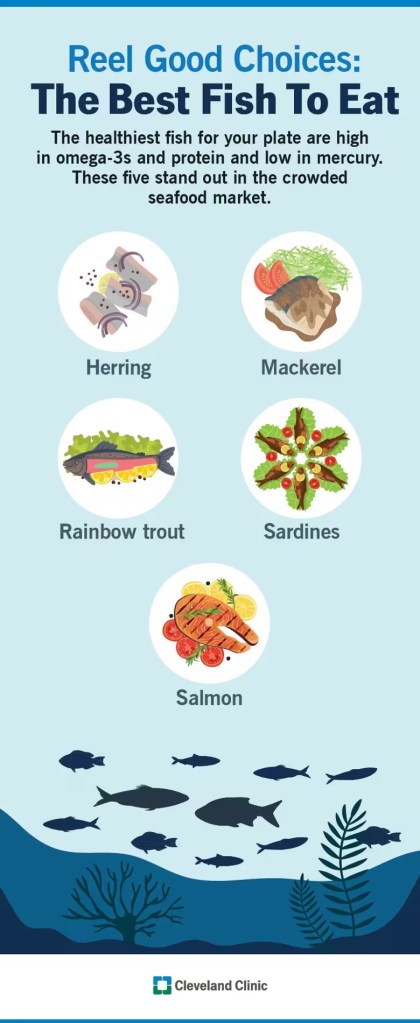
The best choices are high in omega-3s and protein and low in mercury
Fish has earned its reputation as one of the healthiest proteins you can put on your plate. But with so many options in the seafood case, it can be hard to know which ones deserve a spot in your shopping cart.
“It can get overwhelming sometimes with so many choices,” says registered dietitian Julia Zumpano, RD, LD. “The key is choosing fish that give you the most nutritional benefit while limiting your mercury exposure.”
The 5 best fish to eat
Fish is packed with lean protein, but its biggest nutritional advantage is omega-3 fatty acids. These healthy fats can help support heart and brain health and lower inflammation, among other benefits.
Zumpano’s top choices for fish are all high in omega-3s and protein, as well as other vitamins and nutrients.
They’re also low in mercury, a toxic metal that brings health concerns in high amounts.
Here are five fish choices to search out at the market.
1. Sardines
Don’t let their tiny size fool you: “Sardines offer big health benefits,” says Zumpano.
A 3-ounce serving provides about 2 grams of omega-3 fatty acids — one of the highest amounts of any fish. They’re also a good source of calcium and vitamin D, essential nutrients your body needs to work right.
Another perk? They’re inexpensive and easy to keep on hand. You can buy sardines packed in olive oil or tomato sauce and add them to:
Salads
Pasta dishes
Grain bowls
Toast
If you’re watching your sodium intake, compare nutrition labels and choose lower-sodium varieties when possible.
2. Herring
Herring is another oily fish loaded with omega-3s. While it contains slightly less omega-3 than sardines, herring still delivers plenty of heart-healthy fats. It’s also swimming in vitamin B12 and vitamin D.
Depending on your preferences, herring can be eaten:
Cooked fresh
Smoked
Pickled
Canned
“Herring has a stronger, fishier flavor because it’s rich in those healthy oils,” Zumpano notes. “If you’re trying it for the first time, using mustard and dill is a traditional preparation that’s a great place to start.”
3. Mackerel
Mackerel is another excellent source of omega-3s and lean protein, but there’s one important catch: Not all mackerel is created equal.
It’s best to choose the smaller Atlantic or Spanish mackerel, which are relatively low in mercury, clarifies Zumpano. And pass on king mackerel, a larger predator fish that contains much higher mercury levels.
Mackerel is tasty grilled, baked or poached. The fish pairs well with vegetables, salads and whole grains for a balanced meal.
4. Salmon
No list of healthy fish would be complete without salmon. Popular with diners for its rich and meaty texture, salmon is another excellent source of protein, omega-3 fatty acids and key vitamins.
When it comes to nutritional value, wild salmon holds a slight edge over responsibly raised farmed salmon, notes Zumpano. But both are excellent choices.
“If you have the opportunity to choose wild Pacific salmon, it’s a great option,” she adds. “But don’t be afraid to eat farm-raised Atlantic salmon if that’s what’s available or fits your budget.”
5. Rainbow trout
Rainbow trout is another option in the seafood case that checks a lot of good-for-your-health boxes. It’s rich in lean protein and omega-3 fatty acids while also providing important key vitamins and nutrients.
“Rainbow trout has a mild flavor and soft texture, too, so it’s easy to work into meals,” says Zumpano. Try it baked, grilled or pan-seared. It goes nicely with veggies, salads or whole grains for a balanced plate.
Fish to limit
No fish is completely “bad” for you, given the protein and other nutrients they offer. But some are worth eating less often because they’re lower in omega-3s or potentially higher in mercury or other contaminants.
This list includes:
Tilapia: While tilapia is a lean source of protein, it lacks the omega-3 content of other fish. “Most people don’t get enough omega-3s in their diet, so if you’re going to enjoy fish, try to choose fish that are highest in that nutrient,” suggests Zumpano.
Tuna: Both fresh and canned tuna provide protein and omega-3s. The concern is mercury. Larger fish tend to accumulate more mercury over time, so Zumpano recommends limiting tuna to about 6 ounces per week. If you buy canned tuna, chunk light varieties generally contain less mercury than albacore.
Imported catfish: Most catfish sold in the United States is imported, which brings concerns about potential contaminants, cautions Zumpano. If catfish is a favorite, look for farm-raised fish from the U.S.
Larger fish: Mercury concerns typically rise with the size of the fish. The reason? Big fish (like marlin, shark and swordfish) eat smaller fish and absorb the mercury that accumulates in their bodies over time.
Final thoughts
While fish consumption in the United States has risen in recent years, most Americans still don’t eat from the seas often enough, says Zumpano. That adds up to a lot of people missing out on an important source of omega-3 fatty acids.
In general, health experts recommend that adults eat two 4-ounce servings of fish per week as part of a healthy and balanced diet. (Pregnant or breastfeeding women should limit it to one serving per week, given the mentioned mercury concerns.)
Zumpano recommends adding a variety of seafood to your meals. If you’re looking for choices other than the fish cited here, check out the “best choices” list put together by the U.S. Food and Drug Administration (FDA).
“Fish is one of the healthiest sources of protein you can eat,” reiterates Zumpano. “When you choose fish that’s high in omega-3s and lower in mercury, you’re getting the greatest nutritional benefit.”
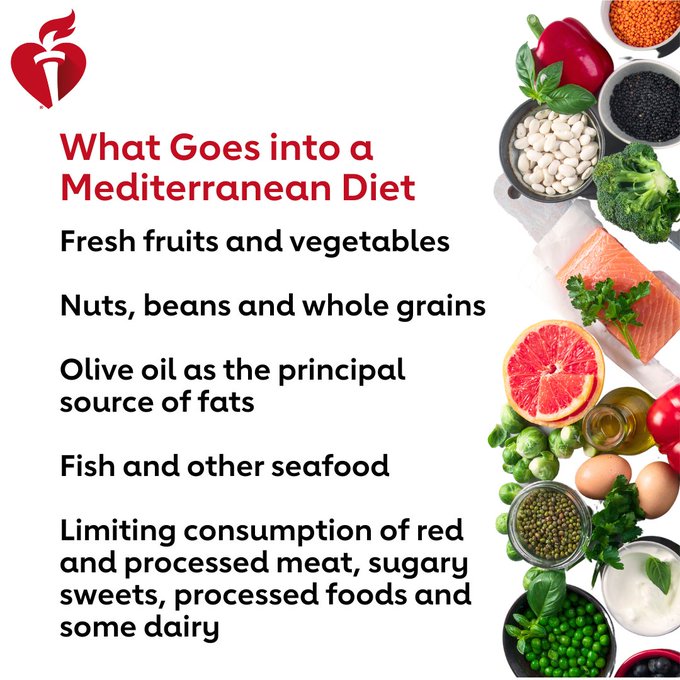
The Mediterranean diet has been shown time and again to lower heart attack and stroke risks. But it’s not about eating specific amounts of particular foods. It’s a pattern of healthy eating that includes
Fuel up with protein and healthy fats for breakfast!
A meal that’s heavy in sugar and starch is no way to start your day – especially if you’re following the ketogenic diet.
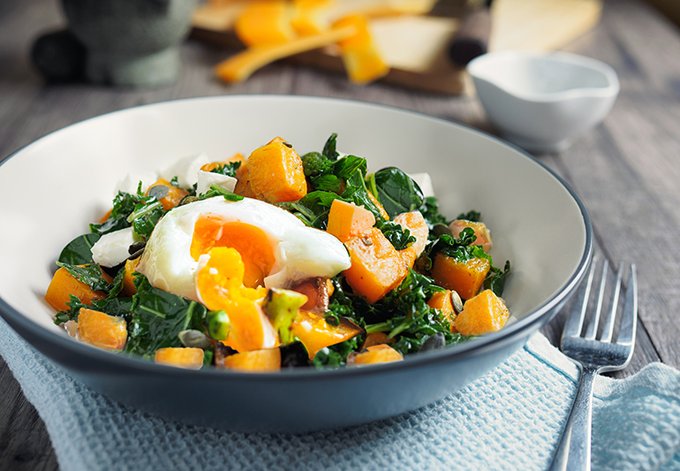
These recipes from functional medicine specialist Mark Hyman, MD, are a great way for anyone — keto or not — to bring real, whole, fresh foods (including non-starchy vegetables) to your plate first thing in the morning.