Recipe: Berry Smoothie Bowl @ClevelandClinic

Recipe: Berry Smoothie Bowl

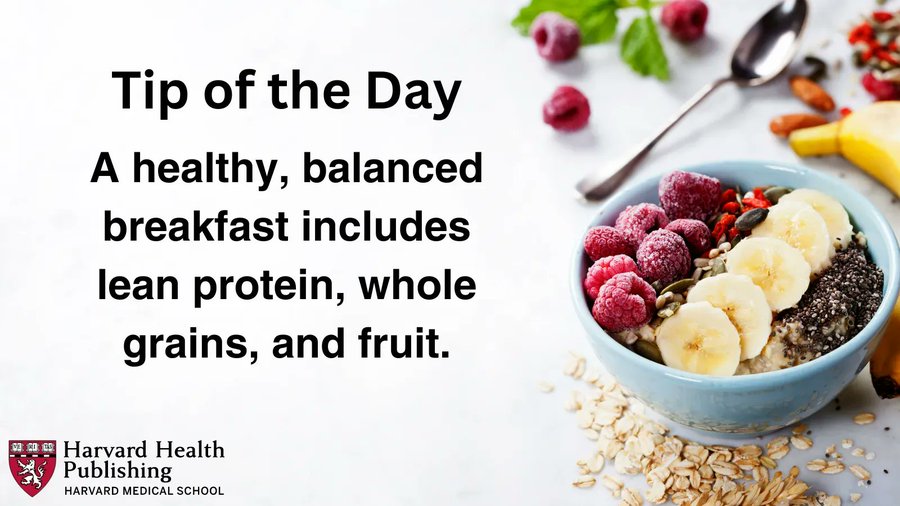
A creamy smoothie with crunchy toppings — in a bowl!

Ingredients

Smoothie base

  • 1 1/2 cups plain yogurt
  • 1 banana, frozen
  • 1/2 cup orange juice
  • 1 cup berries of your choice
  • 1 tablespoon flaxseeds
  • 1 scoop vanilla plant-based protein powder, optional

Toppings

  • 1 tablespoon slivered almonds
  • 1 teaspoon chia seeds
  • 1 tablespoon pomegranate seeds

Directions

  1. Blend all base ingredients together until smooth, adjusting for sweetness and thickness.
  2. Serve immediately in a large bowl with toppings.

Ingredient health benefits

  • Yogurt: With probiotics and prebiotics to go around, yogurt is a great way to show your stomach some love. Yogurt is also a complete protein, which means it has all nine essential amino acids that your body needs to function properly (but can’t make on its own). And, most famously, it has calcium to keep your bones happy and healthy.
  • Bananas: Most everyone knows that bananas are a great source of potassium, but there’s so much more to this zany-looking fruit than popular knowledge conveys. Bananas also have magnesium and vitamin B6, which help regulate blood pressure and metabolism. And they have fiber to keep your gut working properly.
  • Flaxseed: This little seed really is worth the hype. Flaxseed is a source of omega-3 fatty acids (omega-3s, for short), which are vital for your body to function as it should. Flaxseed also has fiber and antioxidants that fight damaging free radicals and chronic inflammation.
  • Almonds: This nut may seem ordinary, but its benefits certainly aren’t. Almonds are rich in calcium and unsaturated fats that raise your “good” (HDL) cholesterol. Your brain will also thank you for the flavonoids and vitamin E.
  • Chia seeds: Another tiny seed with plenty of perks, chia seeds improve your digestion and promote the growth of good bacteria that keep your gut healthy. Their quirky ability to expand in fluid can help you stay fuller for longer when they’re in your stomach juices, which can be helpful if you’re trying to lose weight.
  • Pomegranate seeds: These little gems are as good for you as they taste. The squishy packets around the seeds contain juice that’s high in antioxidants, which might support the health of your heart. Pomegranate juice may also have cancer-fighting abilities, but research is ongoing. Still, incorporating pomegranates into a hearty, nutritious diet wouldn’t hurt!

Nutrition information (per serving)

Makes 4 servings
Serving = 3/4 cup

Calories: 160
Carbohydrate: 27 g
Sugars: 17 g
Fiber: 4 g
Saturated fat: 0.5 g
Cholesterol: 5 mg
Protein: 9 g
Sodium: 70 mg

Caffeine is one of the key ingredients that give coffee its benefits for skin care @clevelandclinic

  • Caffeine is one of the key ingredients that give coffee its benefits for skin care. And it’s become so popular that you can find it in a variety of products, ranging from under-eye lotions and face masks to anti-cellulite creams and beyond.⁣

    If you want antioxidant effects to have a direct effect on your skin, topical methods are the most effective way to deliver them. When you consume them, like drinking coffee, they’re distributed throughout the body and only a small fraction reaches the skin.⁣

    As coffee has antioxidant effects that help fight off free radicals, coffee can be good for you inside and out.⁣

    Skin care benefits of coffee:⁣

    ✅Protection from free radical damage⁣
    ✅Reduction of under-eye bags⁣
    ✅Reduced inflammation and swelling⁣
    ✅Improves the appearance of cellulite⁣
    ✅Helps exfoliate the skin⁣

    If you’re using coffee and other caffeinated skin care products for temporary tightening, brightening and the like, it’s best to use them in the morning. As the product wears off, so, too, will its benefits. But as long as you’re using it, it could do some good if your body tolerates it.1w
  • I came across your post and found it really interesting, especially your experience working with international clients.

High temperature,infections widespread at this time of year @ClevelandClinic #childtherapy

We all want to protect our kids whether it be from falls, bumps and bruises — or avoidable infections and diseases. To help your child avoid illness, it’s important to encourage good habits and take steps to boost their immune system from an early age.

“Most of what makes a child’s immune system strong is common sense,” says pediatrician Adriane Lioudis, MD. If you keep these five tips in mind, you’ll stack the deck in your child’s favor for a healthier life.

1. For newborns, consider breastfeeding

While it’s a very personal decision (that isn’t always possible), if you are able to exclusively breastfeed your child for at least six months, it may have benefits. Some research shows that breastfeeding your child might possibly reduce allergies, Dr. Lioudis says.

2. Promote regular hand washing

Eighty percent of infections are spread by touch. Teach your little one to take the time to wash their hands after sneezing, coughing and going to the bathroom. Washing hands with warm water and soap for at least 20 seconds can remove bacteria and viruses and can reduce the chance of lung infections by up to 45%.

3. Don’t skip immunizations

Follow your pediatrician’s advice when it comes to the childhood vaccination schedule. Immunizations start in infancy and continue to adulthood and prevent measlesmumpschickenpoxrotavirus and other infections.

“Get the flu shot for your child yearly, as well,” Dr. Lioudis says. This is particularly important for children with asthma and other chronic health conditions.

Also, if your family will be traveling internationally, it’s important to seek advice from your child’s healthcare provider about any needed vaccinations.

4. Make sleep a priority

To maximize immunity, children must get enough sleep.

Sleep requirements for each night vary by age:

  • Babies between 0 and 3 months need 14 to 17 hours of sleep. Those between 4 and 12 months need 12 to 16 hours of sleep.
  • Children between the ages of 1 and 2 need between 11 and 14 hours.
  • Kids between the ages of 3 and 5 should get from10 to 13 hours.
  • Children ages 6 to 12 should get between 9 and 12 hours.
  • Teens between the ages of 13 to 18 need 8 to 10 hours.

Not getting enough sleep limits the body’s ability to produce proteins called cytokines that help fight infection and reduce inflammation.

5. Encourage a healthy diet

healthy diet is also important for your child’s immune system.

Dr. Lioudis recommends encouraging your child to “eat the rainbow” when it comes to fruits and vegetables. A good selection of whole grains should be part of their diet as well. Keep processed foods to a minimum. Proper food choices can help ensure that your child gets enough vitamins — such as vitamin A and E. These vitamins are needed to maintain good health and a strong immune system.

You can’t avoid all illness, but some kids need extra protection

“Even if you follow these tips, your child might still get between seven and 11 colds each year,” says Dr. Lioudis. She adds that you can expect each one to last up to two weeks.

Also, keep in mind that some things billed as common “remedies” aren’t effective in boosting immunity. For example, there’s no definitive proof that large amounts of vitamin C or echinacea help prevent colds or shorten them, she says.

However, if your child has a compromised immune system, work closely with your pediatrician to find ways to improve his or her immunity. Each child needs a personalized approach because their individual immune system varies, Dr. Lioudis says.

“There’s generally a different protocol with immunocompromised children. There are some vaccines we have to add in on top of what most children have, but it’s something that we must determine on a case-by-case basis.

Oneday there will be a gym in my practice with physical therapists and I will be prescribing exercise. @DrBrianHiggins

harvard strength trainingDr Nina Byrnes and Angela O’Donoghue liked

One of my favourite things is to do some exercises with patients. Basic stuff for knee or shoulder pain but it is so rewarding to have something to offer other than tablets. Someday there will be a gym in my practice with physical therapists and I will be prescribing exercise.

Our best balance boosters #physiotherapy😉 @HarvardHealth

harvard balance boosters

Harvard Health
@HarvardHealth

Our best balance boosters. bit.ly/2rkMG0N #HarvardHealth

Image: Jacob Ammentorp Lund/iStock

Many older adults focus on exercise and diet to stay healthy. But one of the worst offenders to health—poor balance—is often an afterthought. “I see a lot of older adults who are nonchalant about balance,” says Liz Moritz, a physical therapist at Harvard-affiliated Brigham and Women’s Hospital.

Unfortunately, imbalance is a common cause of falls, which send millions of people in the United States to emergency departments each year with broken hips and head injuries. But there are many things you can do to improve your balance. The strategies below are some of the most effective.

Physical therapy

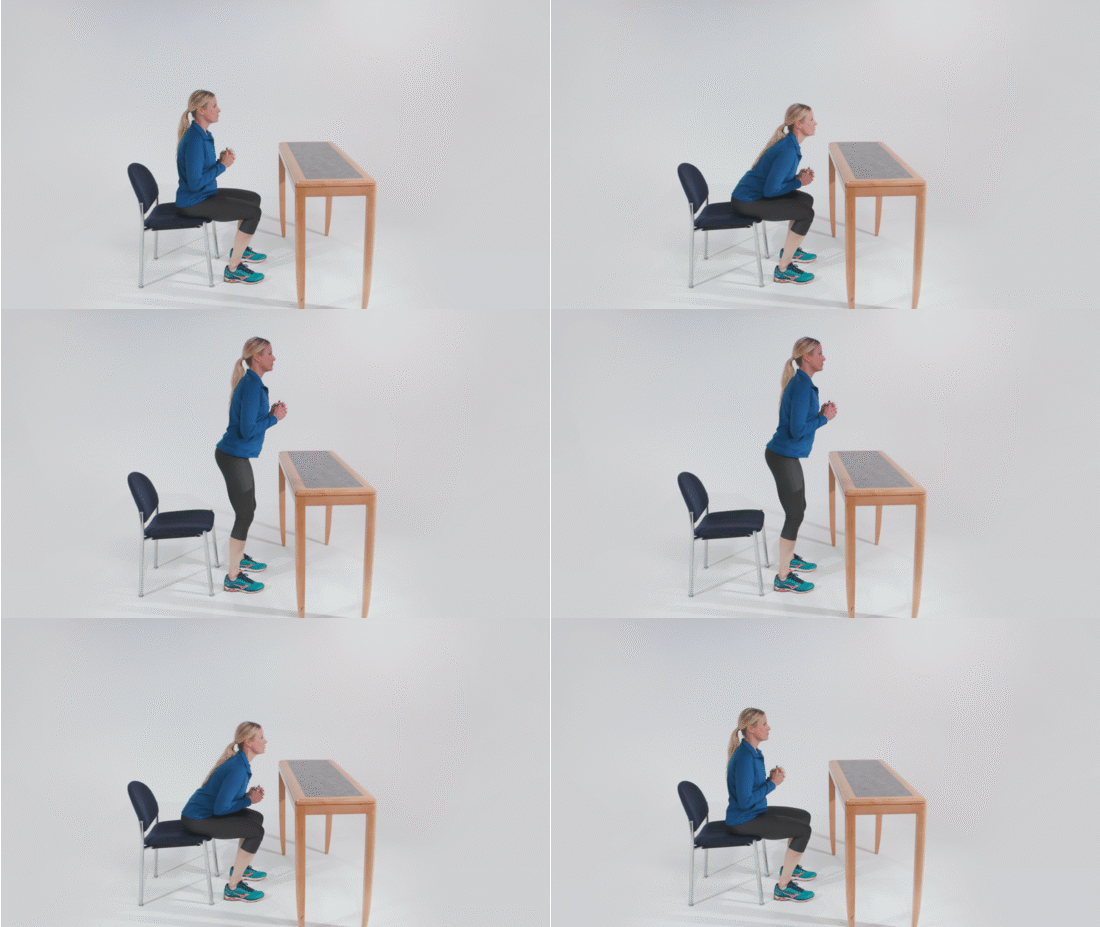
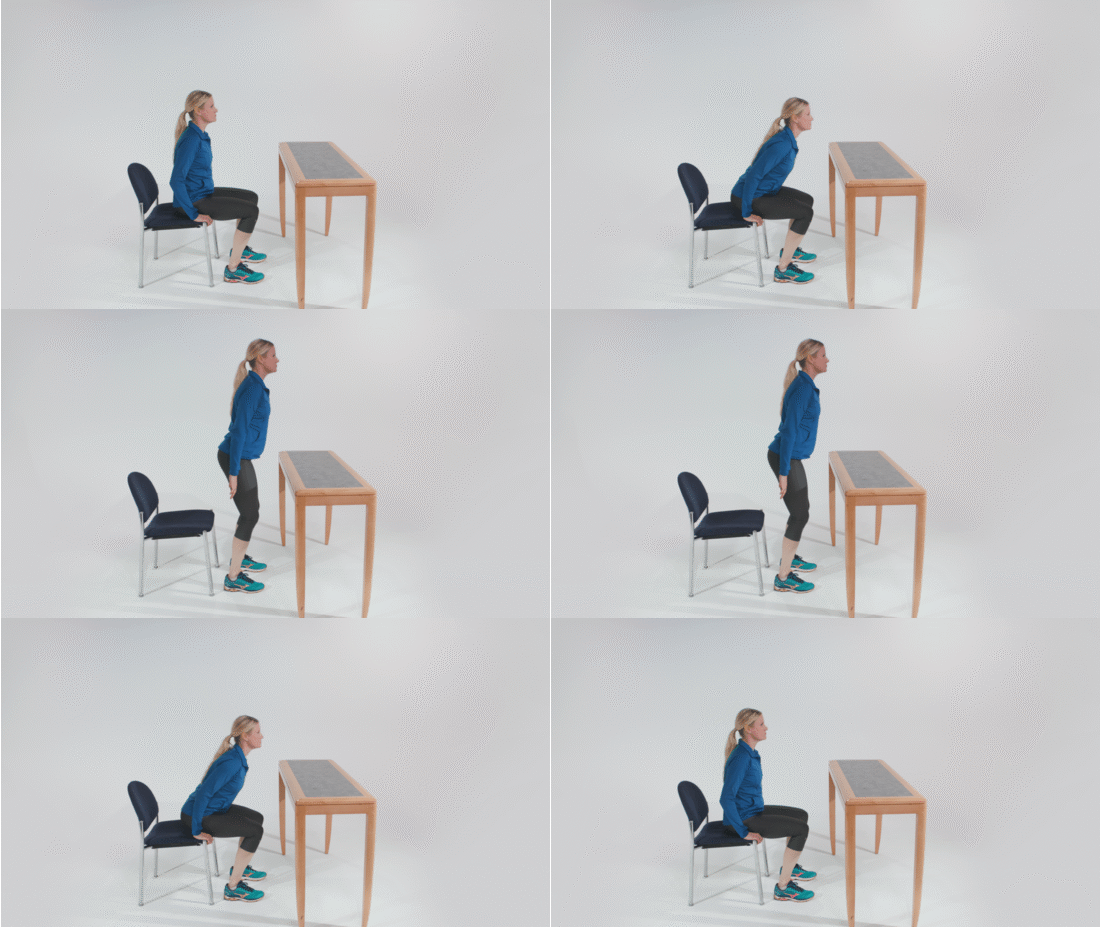
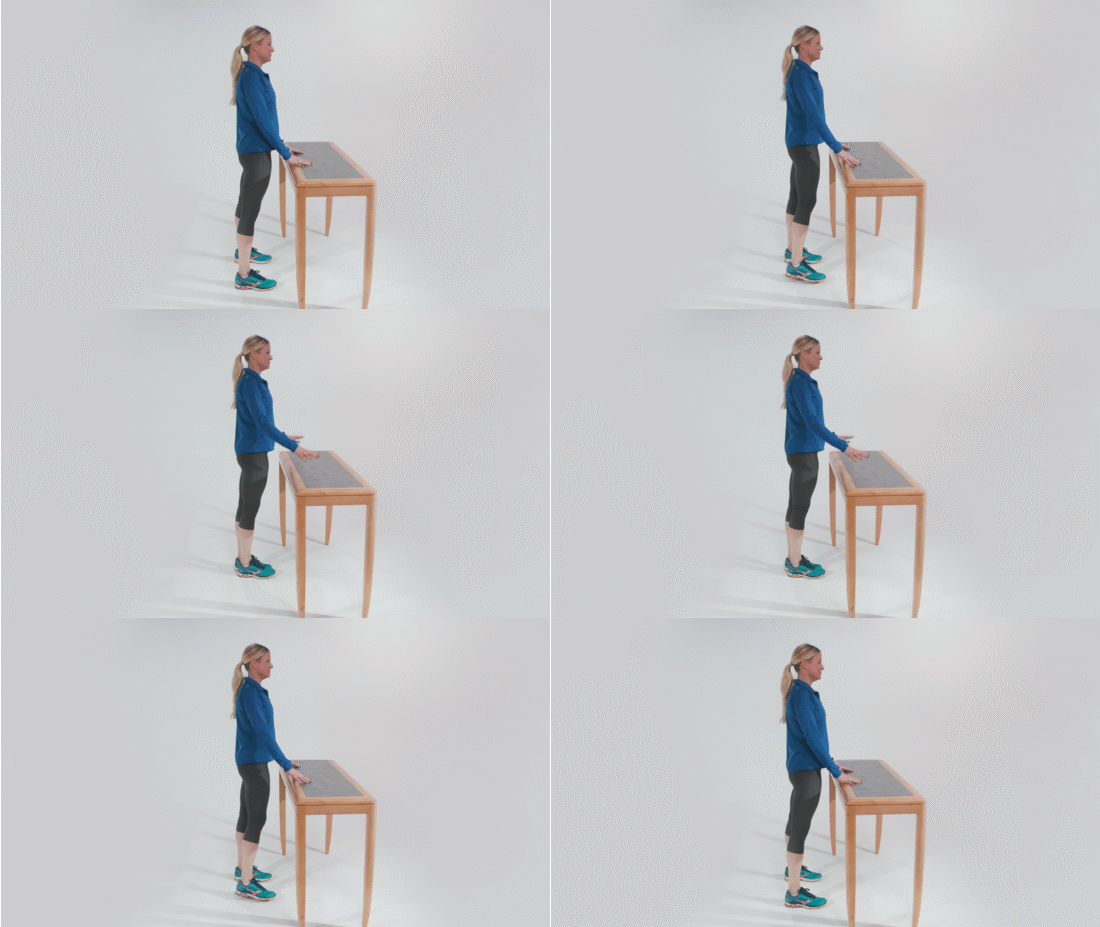
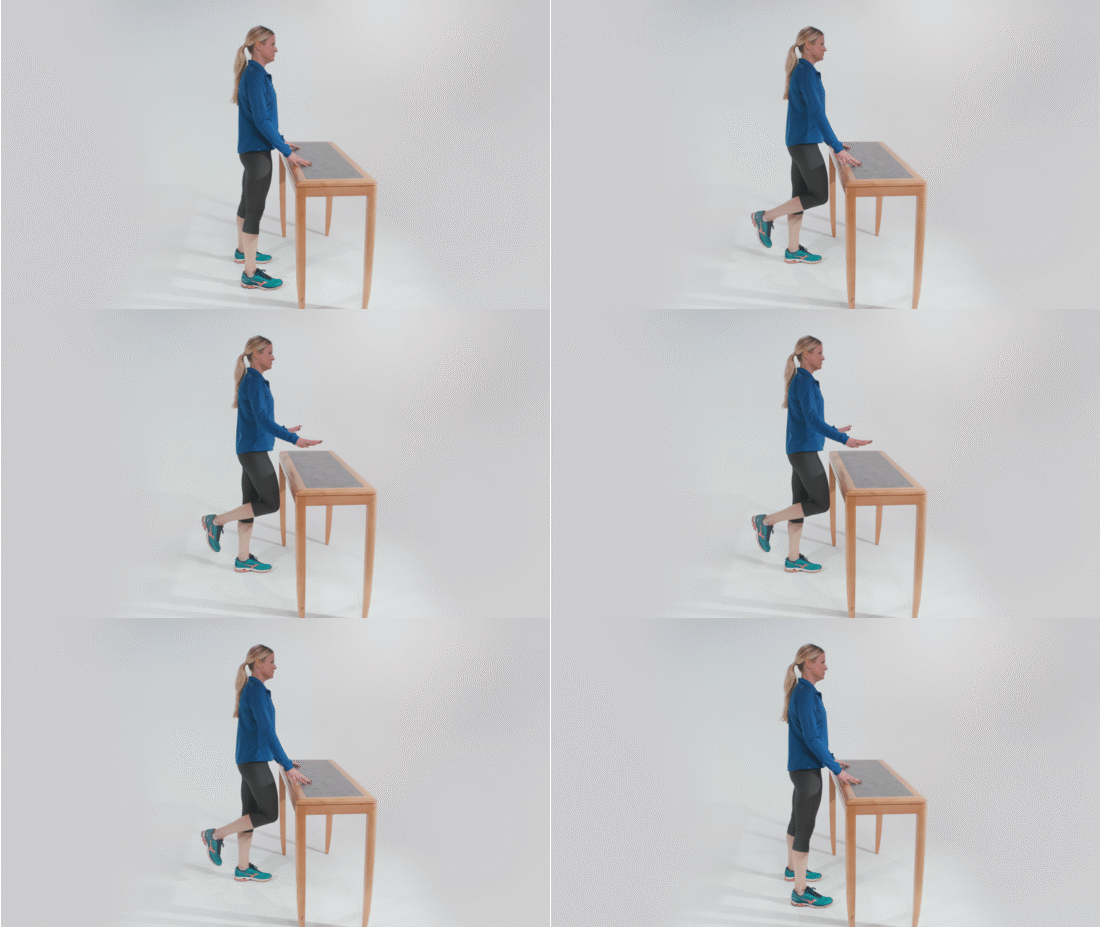
Physical therapy for balance focuses on the ability of the joints and brain to communicate, the balance system in the ear (the vestibular system), and vision. “We coordinate all three with exercises such as standing on one foot, first with the eyes open, and then with the eyes closed. We also work on joint flexibility, walking, and lower-extremity exercises on one or two legs,” says Moritz. Other exercises that boost balance include chair stands (see “Move of the month”) and squats. Make sure you get training before attempting these exercises at home.

Muscle strengthening

“Core strength is very important for balance. If the abdominal muscles in your core are weak, they cannot support your limbs, especially when you’re walking. If the gluteal muscles in your buttocks and hips aren’t strong, they won’t be able to propel you forward,” says Moritz. Muscle strengthening can help. Moritz suggests starting with gentle core exercises like a pelvic tilt (lie on the floor with your knees bent up, then roll your pelvis up) and then moving to more intense exercises such as wall planks (stand six inches from a wall, keeping your body rigid, then lean forward with your forearms flat against the wall, and hold the position for 20 seconds). Leg lifts will strengthen the gluteal muscles, and adding resistance bands to leg lifts makes the exercise even more effective.

Tai chi and yoga

“Tai chi and yoga are exercises that make you pay attention to the control and quality of movement, rather than the quantity, which improves your balance,” says Moritz. In tai chi, you practice slow, flowing motions and shift your weight from one limb to another. Yoga incorporates a series of focused postures and breathing. Both exercises increase flexibility, range of motion, leg and core strength, and reflexes. The result: you become better at balancing in a number of different positions, which helps you avoid falling if you encounter uneven pavement or obstacles in your path.

Vision correction

“If you can’t see where you’re going, your fall risk goes up,” says Moritz. “A lot of people I treat for balance are here be-cause they tripped when they didn’t see something on the floor.” The fix may be as simple as a new eyeglasses prescription. Get a comprehensive, dilated eye exam every one or two years if you’re 65 or older, every one to three years if you’re age 55 to 64, and every two to four years if you’re 40 to 54. If you have an increased risk for other eye conditions, you may need an eye exam more often.

Assistive walking devices

A cane or a walker can complement your balance and give you more stability and confidence walking. But don’t buy a device on your own. “If it’s too high or too low, that can cause a fall. You need to get it measured, and you need training to learn how to use it,” says Moritz. Training takes just a few physical therapy sessions. Walkers are available with wheels intended for different terrain, lockable brakes, seats, baskets, and other features such as headlights. Canes are available with various handgrips and bases.

https://www.health.harvard.edu/staying-healthy/our-best-balance-boosters?utm_content=bufferbc3b8&utm_medium=social&utm_source=facebook&utm_campaign=buffer

Running is great exercise. A dietitian talks about what runners should eat ― and when ― for optimal nutrition and performance. @HopkinsMedicine

If you run regularly, whether it’s an easy jog around the block to stay fit or an intense training regimen to prepare for a marathon, you need proper nutrition.

Here are some tips to help keep runners well-nourished and ready to win.

Foods for Runners and Joggers

A good diet can boost your physical health and help you meet your fitness goals. Make sure your meals emphasize the following basic components:

  • Fruit and vegetables for vitamins, minerals and antioxidants
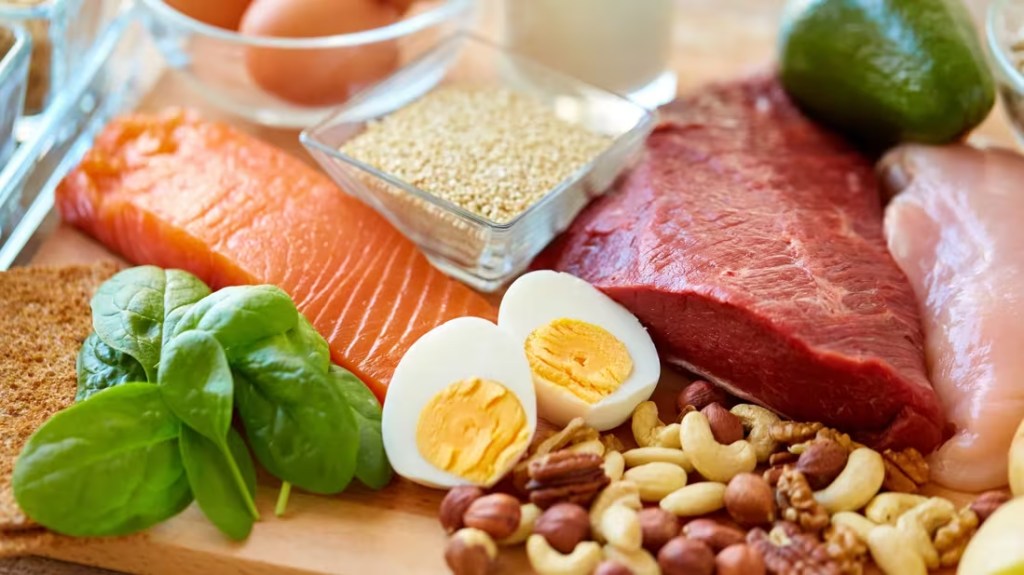
  • Lean protein such as fish, poultry, beans, lentils and tofu
  • Healthy fats such as olive oil, avocado and nuts
  • Healthy carbohydrates such as rice, whole grain breads/pastas and oatmeal

Individuals may have different optimal balances, but in general, people who include running or jogging as part of their fitness regimen should get 60% to 70% of their calories from carbohydrates, with lean protein and healthy fats each accounting for 15% to 20% of their remaining calories.

Don’t skimp on carbohydrates

Although low carbohydrate diets are popular go-to’s for people wanting to lose weight, they’re not ideal for distance runners, who thrive on carbohydrates for endurance.

That is why very low carbohydrate diets, such as the ketogenic diet, plus running is not a good idea. Experts do not recommend keto to runners unless they have been told by their doctor that this a medically safe option for them and they are being monitored while in ketosis.

Distance runners need more carbs than people who aren’t training. Undereating carbohydrates can be hard on your body and affect your recovery after your run.

Here’s why: Running uses both glucose in the blood and your stores of glycogen. Glucose is the form of sugar that circulates in the bloodstream, and glycogen is the sugar stored in your liver and muscles that acts as the primary fuel for endurance exercise.

Eating plenty of carbs helps ensure that these energy stores are ready to support your training. When those stores get too low, runners are more likely to run out of energy and “burn out” or “hit a wall” while training.

Running Diet — Vitamins and Minerals

Running changes your body and your nutritional needs. Often when people start a running regimen, they are trying to lose weight or get in shape quickly, and they don’t realize they need to adjust their diet.

Especially in women runners, dietitians report seeing a tendency to overdo the running while not eating enough, and this can have an effect on health if they do not adequately replenish lost vitamins and minerals in their diet.

For women in particular, calcium and vitamin D are essential for bone health to avoid loss of bone mineral density and the risk of stress fractures.

For more vitamin D, include these foods in your meals:

  • Vitamin D-fortified dairy and almond, soy or rice based beverages
  • Eggs
  • Cereal fortified with vitamin D
  • Tuna
  • Salmon

For more calcium, try:

  • Yogurt and cheese
  • Tofu
  • Edamame
  • Almonds
  • Canned fish with bones (such as sardines)

Iron deficiency can affect women and even have an impact on their running performance. Menstruation puts people at higher risk of iron deficiency, and if iron isn’t replenished in the diet, decreases in hemoglobin can occur and bring on anemia. Hemoglobin is what carries oxygen throughout the body, including the muscles, so if there is a deficit, the muscles may feel the effect of insufficient oxygen during exercise.

Iron-rich foods include:

  • Poultry and other meat
  • Legumes, such as peas and beans
  • Dark, leafy green vegetables such as kale
  • Dried fruits and raisins
  • Iron-fortified breads and cereals

Dietitians recommend eating eating iron rich foods in combination with foods high in vitamin C, such as citrus, bell peppers or berries, since vitamin C helps increase the body’s absorption of iron.

What to Eat Before Running ― and When

The best time to eat a full meal is about two to three hours before you hit the road, track or trail. Have a good source of carbs paired with protein, making sure the meal focuses on a healthy carb source.

If it’s been more than three to four hours since you’ve eaten, a carbohydrate-rich snack a half-hour before running can ensure you have adequate glucose available before you head out. Directly before a run, it’s best to stick with easy-to-digest carbohydrates to avoid gastrointestinal [GI] distress such as cramping or diarrhea.

Try these:

  • Bananas
  • Applesauce
  • Crackers, pretzels or cereal
  • White bread
  • Potatoes

Glucose Boosters for Long Distance Runners

If you are training for a marathon or distance event and are going to be out for over an hour, you will want to bring some fuel with you. Energy drinks, gel tubes and other sources of quick blood-glucose boosters are available, but you can also use something as simple as fruit snacks.

Try practicing with these items as you train so you can pick the formulas that are best for you, and you can work on accessing and ingesting them smoothly without breaking stride.

What foods should runners avoid?

Before a run or the night before a big race, Eidel recommends going easy on:

  • Spicy foods or foods overly high in fat, which can cause GI upset
  • Foods that are very high in fiber, which can cause gas and cramping
  • Caffeine ― Although it is tempting to grab a caffeine boost right before a run, runners should remember that for some people, caffeine can stimulate the GI tract, which can result in diarrhea or the need for an emergency bathroom break

Does carb-loading work?

It might. Carb loading is the practice of eating a lot of carbohydrates ― particularly those that are easily absorbed, such as white bread, pasta and rice ― for 24 to 48 hours before a big race or distance run, to shore up your body’s stores of glycogen and lessen the risk of burnout before finishing the event.

Some studies show carb loading is beneficial for people preparing for a race, but it’s important to make sure during that time you’re also allowing your body to rest and giving it time to store what you are ingesting. The number of carbohydrate grams will be differ from person to person, but in general, evidence shows carb loading can be beneficial prior to a distance event.

In contrast, casual runners likely do not need to carb load. Ensuring that their day-to-day diets include extra carbohydrates can be sufficient.

What to Eat After a Run

It’s common for people not to feel hungry after a run, but a snack or light meal of complex carbohydrates and protein within the first hour after running can help replenish glycogen stores and to support recovery and rebuild stressed muscles. For example:

  • Peanut butter and banana
  • Egg on toast
  • Sandwich with deli meat
  • Pasta with meat or plant-based protein
  • Veggie burger on a bun
  • Protein shake or smoothie

Running to Lose Weight

If you’re interested in running as part of a weight loss plan, getting adequate nutrition is a must. Even casual running or jogging burns calories and can be hard on the body. Runners can become undernourished at first because they don’t understand how much energy they’re burning when they run and what they need to properly recover.

Eating enough is also essential to building muscles, which can aid in fat burning ― a plus for people working on achieving or maintaining a healthy weight.

For optimal weight loss, your plan should not rely on running alone but also include strength training and proper nutrition.

Listen to your body

If you run regularly, you should pay attention to the effects of what you eat and when, especially on running performance. Learning what works best for you can take some time and a little trial and error, but it is worth it, since running, jogging and other regular aerobic exercise offers so many health advantages.

Always feel free to consult a dietitian or doctor, and listen to your body if you’re not keeping up with your training goals.

Recipe: Salmon Marsala @ClevelandClinic

This recipe switches up chicken marsala by swapping in salmon. It’s a great way to get delicious and healthy fish on the menu. You should be able to find Marsala wine in the cooking wines or condiments section of your local grocery store.

Ingredients

  • 1 tablespoon olive oil
  • 1 onion, cut into wedges
  • 1 teaspoon minced garlic
  • 10 fresh mushrooms, sliced (or one 7-ounce can of sliced mushrooms, drained)
  • 4 (4 ounces each) skinless salmon filets
  • 1/3 cup Marsala wine
  • 2/3 cup chicken broth (1/3 less sodium)
  • 1/4 teaspoon salt (optional)
  • 4 teaspoons cornstarch
  • 4 grinds of fresh ground pepper

Directions

  1. Prep the onions and mushrooms.
  2. Heat oil in nonstick skillet over medium-high heat; add onion, garlic and mushrooms to the skillet and begin sautéing.
  3. Add the salmon filets to the skillet, cooking for 10 minutes per inch of thickness (turn them over midway in the cooking time).
  4. Mix together the wine, broth, cornstarch and fresh ground pepper; when the fish is nearly done (you can tell by twisting the center of the thickest part — if it flakes easily, it’s done), add the wine/broth mixture to the salmon.
  5. Stir gently, as the liquid turns into a thick gravy within one minute. Serve over whole-grain pasta or brown rice, with steamed asparagus or vegetable of your choice.

Ingredient health benefits

  • Olive oilOlive oil is one of those ingredients that’s actually worth the hoopla. It has fat-soluble vitamins like vitamins D and K, which support your bones and blood cells. It’s also home to unsaturated fats that help decrease your LDL (“bad”) cholesterol and increase your HDL (“good”) cholesterol, helping your heart stay happy. And if you need another reason to use olive oil beyond this recipe, it has polyphenols and other antioxidants to fight inflammation and free radicals, keeping your cells in peak condition and helping to prevent diseases down the road.
  • Onions: They may not be the most “a-peel-ing” ingredient in the produce aisle, but looks can be deceiving. Onions have prebiotics and fiber to feed your “good” gut bacteria and support healthy digestion. And that’s not all those layers have to offer! There are also vitamin C and flavonoids that help lower inflammation while boosting your immunity.
  • Garlic: Like onions, these alliums aren’t the most exciting of foods. But “unremarkable” doesn’t mean “devoid of nutrition.” On the contrary, garlic is considered a superfood! Aside from keeping vampires away, eating garlic may strengthen your immunity as part of a well-balanced eating plan. It might also help regulate your blood pressure, and certain natural compounds in garlic can lower inflammation and protect your cells from damage.
  • Mushrooms: They may not be plants or animals, but mushrooms are just as nutritious! They’re packed with antioxidants like selenium and zinc that promote healing and may enhance your immune cells’ ability to fight diseases like cancer. Mushrooms are also a surprising source of B vitamins — like vitamins B3,B5 and B6 — which are crucial for creating and fixing DNA, as well as helping your body turn the food you eat into usable energy. Even your heart can benefit from the potassium found in these fantastic fungi, which helps regulate your blood pressure and keep the beat.
  • Salmon: Not just for the bears! This hearty fish is a complete protein that’s pescatarian-friendly, meaning it has all the amino acids your body needs to keep moving. Salmon is also low in mercury content and high in omega-3s, heart-helpful fats that are essential for your head-to-toe health. And that’s not all for omega-3s! They also double as an anti-inflammatory that promotes your immune system.

Nutrition information (per serving)

Makes 4 servings

Calories: 450
Fat: 12 g
Fiber: 9 g
Sodium: 147 mg (doesn’t include the optional salt)
Carbohydrates: 44 g
Protein: 37 g

— Recipe courtesy of Speaking of Women’s Health.

Even a small apple a day may help keep diabetes away @HarvardHealth #stayhealthy 😀🤩


Harvard Health

@HarvardHealth

Even a small apple a day may help keep diabetes away: https://bit.ly/33FmI8w #HarvardHealth

News briefs

e522fb00-4fdb-4594-bdfa-fb72961f3da7A modest uptick in the amount of fruit and vegetables you eat can help ward off type 2 diabetes, according to a study published online July 8, 2020, by The BMJ. From a much larger study involving some 340,000 people from eight European countries, scientists selected 9,754 participants who were newly diagnosed with diabetes over a decade. Researchers compared the fruit and vegetable intakes of these people to those of about 13,000 participants who remained diabetes-free during the study period. Researchers also measured blood levels of seven key plant-derived nutrients, including vitamin C and brightly colored antioxidant pigments called carotenoids. People with the highest intakes of fruit and vegetables and the highest blood levels of the plant-derived nutrients were 25% to 50% less likely to get diabetes during the study period, compared with those who ate the least of these food groups or had the lowest nutrient levels. Even better, it didn’t take a whole lot of extra green, red, yellow, and orange on the plate to make a dent in diabetes risk. The equivalent of only two-thirds of a medium apple or just over one-third of a cup of mixed fruit each day offered protection.

Image: © RomoloTavani/Getty Images