https://www.instagram.com/reel/DE8mryky48a/?igsh=aGlja3lxamJvZXpv


Health is Wealth

A salad combination you may not have thought of, but will now be hooked on
This salad is a perfect addition to a large dinner menu when you have guests over for dinner and have a lot of other dishes to prepare. It’s bright and flavorful, and you can make the dressing a day or two ahead to prep!
Dressing
1 1/2 cups frozen raspberries, thawed
2 to 4 tablespoons orange juice (depending on thickness desired)
1 tablespoon white wine vinegar
1 teaspoon sugar
1 tablespoon orange zest
4 tablespoons chopped fresh chives
Salad
1 pound romaine lettuce, washed, dried and torn into bite-sized pieces
1 pound radicchio, washed, dried, shredded
3 carrots, peeled and grated
1 cup mandarin oranges, drained, patted dry
20 cherry tomatoes, quartered
Calories: 107
Total fat: 0.5 g
Saturated fat: 0.1 g
Protein: 3 g
Carbohydrate: 25 g
Fiber: 5.4 g
Sodium: 37 mg
—Recipe developed and copyrighted by Kristine Napier, MPH, RD, LD.




·
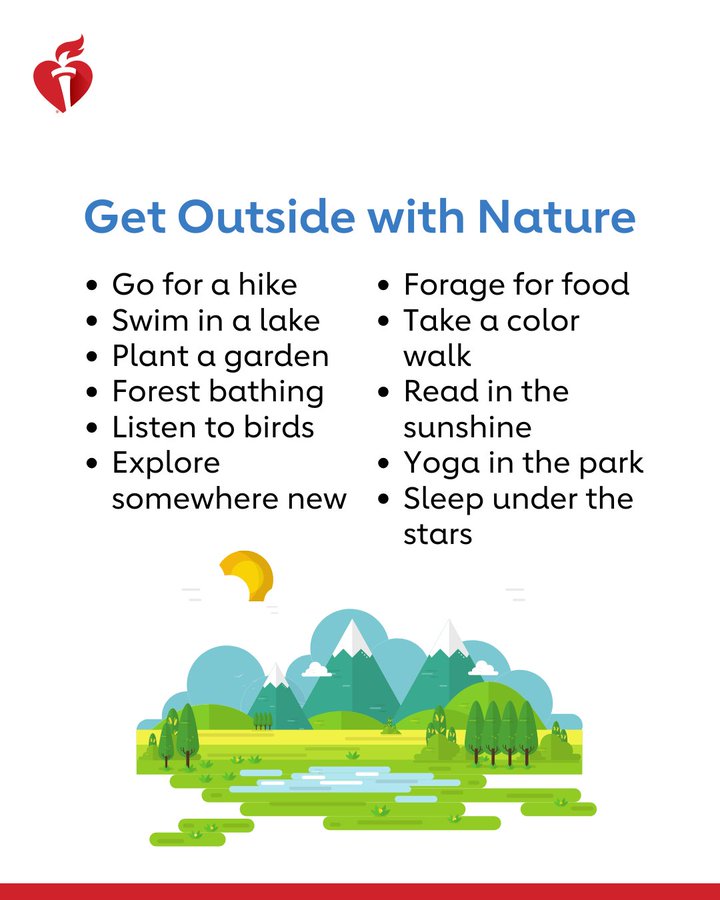
For less stress, keep outside in mind! Spending time in nature can help lower stress and anxiety, improve your mood, and boost feelings of happiness and well-being.


·
Beginning in January, one of our expert physiotherapists, Doireann Nash of
, discussed the many health benefits of running with
of
.

World Health Organization (WHO) reposted

WHO in occupied Palestinian territory
An estimated 55 000 women are pregnant in #Gaza, with one third facing high-risk pregnancies. Around 130 babies are born each day, 27% by caesarean. Due to the aid blockade,
’s supplies for maternal and child health are critically low. Portable incubators, ventilators for neonatal intensive care, ultrasound machines, and oxygen pumps, along with 180 000 doses of routine childhood vaccines have not been permitted to enter, leaving ill newborns and young children without the life-saving care they urgently need. Lift the aid blockade. Protect health care. Ceasefire. Statement http://bit.ly/3XMLJul #WorldHealthDay
 Healthaware