
Walk the lakes, forests 😀💚 Co.Cavan🇮🇪

Health is Wealth


https://x.com/i/broadcasts/1ynKOlrpYWWGR

World Health Day, celebrated on 7 April 2025, will kick off a year-long campaign on maternal and newborn health. The campaign, titled Healthy beginnings, hopeful futures, will urge governments and the health community to ramp up efforts to end preventable maternal and newborn deaths, and to prioritize women’s longer-term health and well-being.
WHO and partners will also share useful information to support healthy pregnancies and births, and better postnatal health.
Visit the World Health Day 2025 campaign page
This task is critical. Tragically, based on currently published estimates, close to 300 000 women lose their life due to pregnancy or childbirth each year, while over 2 million babies die in their first month of life and around 2 million more are stillborn. That’s roughly 1 preventable death every 7 seconds.
Based on current trends, a staggering 4 out of 5 countries are off track to meet targets for improving maternal survival by 2030. 1 in 3 will fail to meet targets for reducing newborn deaths.
Women and families everywhere need high quality care that supports them physically and emotionally, before, during and after birth.
Health systems must evolve to manage the many health issues that impact maternal and newborn health. These not only include direct obstetric complications but also mental health conditions, noncommunicable diseases and family planning.
Additionally, women and families should be supported by laws and policies that safeguard their health and rights.
Here’s what you can do to support the campaign:
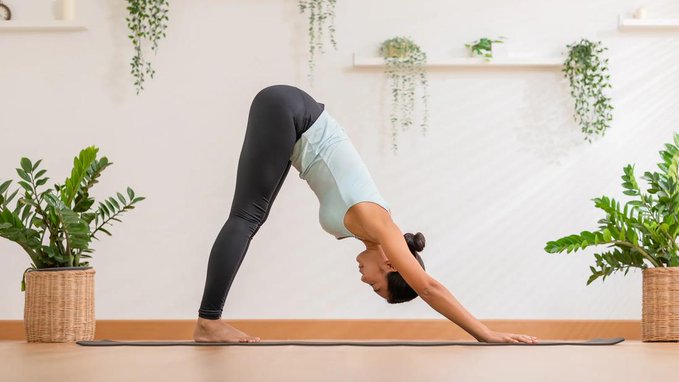
Take a ‘Paws’ With Downward Dog
This transitional and restorative yoga pose provides a full-body stretch
Physical therapist Dawn Lorring, PT, MPT, walks through the steps of how to do downward dog correctly and shares its many benefits.
From beginner’s yoga to more advanced practices, downward dog is one of the most popular poses…with a few common misconceptions.
Rounding your back, placing your feet too far apart or putting too much weight into your wrists can all create a deeper stretch than intended — which increases your risk of injury.
Physical therapist Dawn Lorring, PT, MPT, walks through the steps of how to do downward dog correctly and shares its many benefits.
Downward dog (also known as downward facing dog, facing dog pose or Adho Mukha Svanasana in Sanskrit) is a foundational yoga pose. It’s often used as a transition between movements, like sun salutations. It’s also a form of active resting, active stretching and strengthening. This allows you to check in with yourself and re-evaluate your intentions during your practice.
You do downward facing dog by putting your body into an inverted V-shape (or pyramid), as if there were a straight line that runs through the top of your head up your spine and out of your butt toward the ceiling.
Facing dog pose won’t usually be your first movement when doing yoga. Before trying it, it’s best to loosen up your muscles and joints and find ways to work it into your overall yoga practice.
Once you’re warmed up and ready to go, follow these steps:
“Downward facing dog isn’t about keeping your heels on the ground or holding it for long periods of time,” clarifies Lorring. “It’s really about making sure you’re going to a place that’s comfortable for you, so you can adjust your body as often as you need in this pose.”
If you have a hard time getting down on your hands and knees, try this wall variation:
For a more challenging stretch that deeply engages your hips and hamstrings:
Downward facing dog provides a full body stretch, while also strengthening and working your:
Adho Mukha Svanasana helps improve your flexibility and control, and provides you a moment of active rest. It also increases blood flow to your head and upper body when you’re in the inverted V position. But because of this, you should talk to your yoga instructor, athletic trainer or healthcare provider before starting this position if you have:
“Facing dog pose tries to improve flexibility but also builds the strength to control that flexibility,” says Lorring. “If you’re feeling excessive stress to a certain part of your body, then you’re probably holding the pose for too long or you’re trying to go into a range that you’re not ready for. We can help you get there.”

6-grain hot cereal
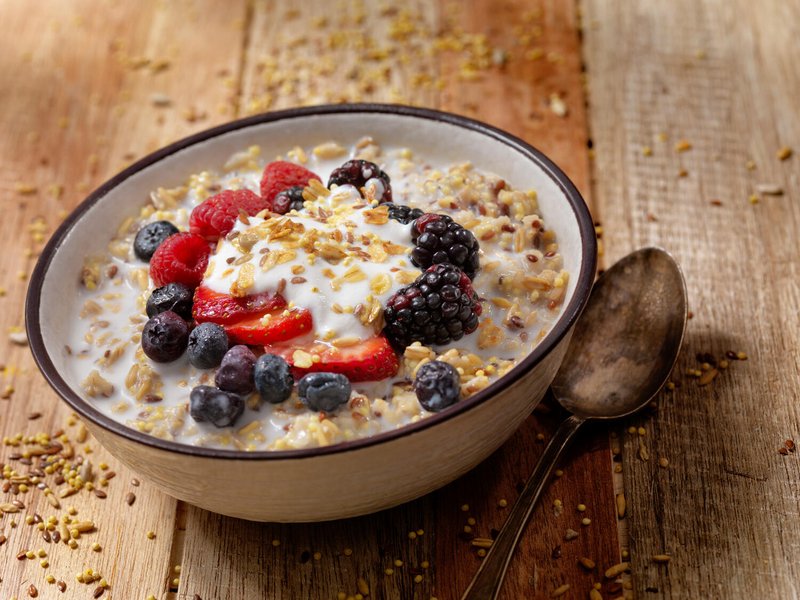
Start your day with a hearty and nutritious 6-grain hot cereal that will keep you energized and satisfied. Prepare a big batch over the weekend and enjoy a warm, comforting breakfast all week long. Top it with your favorite fruits or a dollop of yogurt for added natural sweetness.
Servings: 14
Serving Size: ½ cup
Make a big batch of this cereal on the weekend and reheat all week. Top with fruit or yogurt to add natural sweetness.
Created by the executive wellness chef and registered dietitians at the Mayo Clinic Healthy Living Program.
6-grain hot cereal
Start your day with a hearty and nutritious 6-grain hot cereal that will keep you energized and satisfied. Prepare a big batch over the weekend and enjoy a warm, comforting breakfast all week long. Top it with your favorite fruits or a dollop of yogurt for added natural sweetness.
Servings: 14
Serving Size: ½ cup
Make a big batch of this cereal on the weekend and reheat all week. Top with fruit or yogurt to add natural sweetness.
Created by the executive wellness chef and registered dietitians at the Mayo Clinic Healthy Living Program.

6-grain hot cereal
Start your day with a hearty and nutritious 6-grain hot cereal that will keep you energized and satisfied. Prepare a big batch over the weekend and enjoy a warm, comforting breakfast all week long. Top it with your favorite fruits or a dollop of yogurt for added natural sweetness.
Servings: 14
Serving Size: ½ cup
Make a big batch of this cereal on the weekend and reheat all week. Top with fruit or yogurt to add natural sweetness.
Created by the executive wellness chef and registered dietitians at the Mayo Clinic Healthy Living Program.
 Healthaware