Alcohol heightens the risk of dehydration @ClevelandClinic #sugarysweeteners


Cleveland Clinic

@ClevelandClinic
·


What to know before grabbing an ice-cold beer to beat the heat:

It’s a warm summer day and you’re hanging out with friends and family for the first time in over a year, celebrating being vaccinated and just being together. And to help beat the heat, you reach in the cooler for an ice-cold beer.

While that might be refreshing at the moment, though, there’s good reason to grab some water, too. The heat of summer can be brutal, sometimes, and its effects are amplified when you’ve had a little too much alcohol.

To better understand the risks you face when drinking alcohol during this hot vaccine summer, we spoke with registered dietitian Julia Zumpano, RD.

The biggest danger: dehydration

Whenever you’re outside in the heat for prolonged periods – like at the beach or picnic – you’re at risk of dehydration. Consuming alcohol only heightens that risk.

Alcohol reduces the release of the hormone vasopressin, which keeps your body fluids balanced. At the same time, alcohol is also a diuretic which means more urinating and that can lead to dehydration even without the heat. Add in all that sweat from the hot sun and it’s a recipe for dehydration disaster.

One thing Zumprano points out, too, is that caffeine – whether via coffee, soda or as a mixer for liquor – heightens that dehydration risk even further.

Dehydration can also compound certain aspects of intoxication, she notes. “Altered thinking, altered abilities to drive and make reasonable decisions or even just to have conversations are all things that intoxication can cause.”

Liquor versus beer: Is one worse than the other in the heat?

Given that alcohol content is usually higher in spirits than in your average beer, it makes sense that drinking beer instead of mixed drinks might help you avoid dehydration. But the reality is a little more complex, according to Zumpano.

“If you’re consuming liquor at a volume equivalent to the volume of beer, like 12 ounces of margaritas compared to 12 ounces of an average beer, you will get drunk a lot quicker,” she says. “But if you’re drinking what’s considered an alcoholic drink equivalent, there’s not much of a difference because your alcohol intake is the same.”

According to the National Institute of Health, one alcoholic drink equivalent, also referred to as a “standard drink,” contains around 14 grams of pure alcohol. By those measurements, an average 12-ounce can of beer contains the same amount of alcohol as a 5-ounce glass of wine or a typical shot of distilled spirits like rum, vodka, gin or whiskey.

One thing to keep an eye on, though, is the alcoholic content of your beer. While major brands generally run between 4% and 5% alcohol per 12-ounce can or bottle, certain styles of craft beer are as much as 9% alcohol per the same volume. In other words, one can of your favorite local IPA delivers almost twice the amount of alcohol to your system. 

Beware a false sense of hydration

Another mistake you should avoid, Zumpano says, is thinking that drinking all that liquid rehydrates you. “If you’re drinking a lot of beer or alcoholic seltzer, it can feel like you’re drinking a lot of liquid and staying hydrated, but the alcohol offsets that because it’s the dehydrating factor,” she points out.

Not that drinking mixed drinks is any better, according to Zumpano. “If you’re drinking a sugary, sweet mixed drink, you run into the same thing. It feels like you’re staying hydrated because they go down so much smoother than drinking spirits on the rocks. But it’s the same effect as with beer: The alcohol is still dehydrating you unless you’re also drinking enough water.”

Sugar, the hidden villain

All of these drinks have other adverse health effects, too. They can pack a bunch of calories into a single serving – as many as 400 to 500 calories in some mixed drinks and craft beers – and they can come loaded with carbs.

There’s more, though. “If you’re drinking high sugar, high caloric intake beverages and you’re drinking a lot of them, they can be very filling,” Zumpano says. If you’re feeling full, you might not eat any food which can otherwise help absorb some of the alcohol.

How to counter dehydration: water, water, water

So what can you do to avoid dehydration troubles when you’re sipping your favorite boozy beverage by the pool? “To counteract the dehydration risk of alcohol,” Zumpano says, “drink 8 to 12 ounces of water for every alcoholic drink. It slows your intake, keeps you hydrated and can mitigate negative hangover effects.”

She suggests keeping a reusable water bottle with you that you can refill as the day goes on, taking time to drink the necessary water between beers or margaritas. Another option is to buy a pack of 8-ounce bottles of water and alternate with your booze. And you can always infuse your water with fruit to keep it flavorful.

“It’s also important to know what your trigger for over-consumption is,” she adds. “If you’re triggered by over-consuming beer or alcoholic seltzer, you want to be mindful of that. Try to switch a drink you have better control of and keep the water bottle handy.”
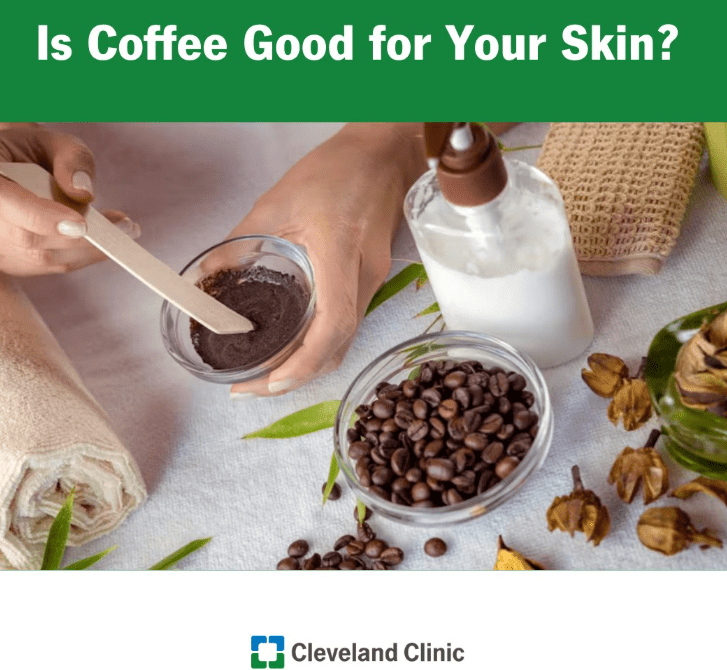
Caffeine is one of the key ingredients that give coffee its benefits for skin care @clevelandclinic

  • Caffeine is one of the key ingredients that give coffee its benefits for skin care. And it’s become so popular that you can find it in a variety of products, ranging from under-eye lotions and face masks to anti-cellulite creams and beyond.⁣
    ⁣
    If you want antioxidant effects to have a direct effect on your skin, topical methods are the most effective way to deliver them. When you consume them, like drinking coffee, they’re distributed throughout the body and only a small fraction reaches the skin.⁣
    ⁣
    As coffee has antioxidant effects that help fight off free radicals, coffee can be good for you inside and out.⁣
    ⁣
    Skin care benefits of coffee:⁣
    ⁣
    ✅Protection from free radical damage⁣
    ✅Reduction of under-eye bags⁣
    ✅Reduced inflammation and swelling⁣
    ✅Improves the appearance of cellulite⁣
    ✅Helps exfoliate the skin⁣
    ⁣
    If you’re using coffee and other caffeinated skin care products for temporary tightening, brightening and the like, it’s best to use them in the morning. As the product wears off, so, too, will its benefits. But as long as you’re using it, it could do some good if your body tolerates it.1w
  • I came across your post and found it really interesting, especially your experience working with international clients.

Running is great exercise. A dietitian talks about what runners should eat ― and when ― for optimal nutrition and performance. @HopkinsMedicine

If you run regularly, whether it’s an easy jog around the block to stay fit or an intense training regimen to prepare for a marathon, you need proper nutrition.

Here are some tips to help keep runners well-nourished and ready to win.

Foods for Runners and Joggers

A good diet can boost your physical health and help you meet your fitness goals. Make sure your meals emphasize the following basic components:

  • Fruit and vegetables for vitamins, minerals and antioxidants
  • Lean protein such as fish, poultry, beans, lentils and tofu
  • Healthy fats such as olive oil, avocado and nuts
  • Healthy carbohydrates such as rice, whole grain breads/pastas and oatmeal

Individuals may have different optimal balances, but in general, people who include running or jogging as part of their fitness regimen should get 60% to 70% of their calories from carbohydrates, with lean protein and healthy fats each accounting for 15% to 20% of their remaining calories.

Don’t skimp on carbohydrates

Although low carbohydrate diets are popular go-to’s for people wanting to lose weight, they’re not ideal for distance runners, who thrive on carbohydrates for endurance.

That is why very low carbohydrate diets, such as the ketogenic diet, plus running is not a good idea. Experts do not recommend keto to runners unless they have been told by their doctor that this a medically safe option for them and they are being monitored while in ketosis.

Distance runners need more carbs than people who aren’t training. Undereating carbohydrates can be hard on your body and affect your recovery after your run.

Here’s why: Running uses both glucose in the blood and your stores of glycogen. Glucose is the form of sugar that circulates in the bloodstream, and glycogen is the sugar stored in your liver and muscles that acts as the primary fuel for endurance exercise.

Eating plenty of carbs helps ensure that these energy stores are ready to support your training. When those stores get too low, runners are more likely to run out of energy and “burn out” or “hit a wall” while training.

Running Diet — Vitamins and Minerals

Running changes your body and your nutritional needs. Often when people start a running regimen, they are trying to lose weight or get in shape quickly, and they don’t realize they need to adjust their diet.

Especially in women runners, dietitians report seeing a tendency to overdo the running while not eating enough, and this can have an effect on health if they do not adequately replenish lost vitamins and minerals in their diet.

For women in particular, calcium and vitamin D are essential for bone health to avoid loss of bone mineral density and the risk of stress fractures.

For more vitamin D, include these foods in your meals:

  • Vitamin D-fortified dairy and almond, soy or rice based beverages
  • Eggs
  • Cereal fortified with vitamin D
  • Tuna
  • Salmon

For more calcium, try:

  • Yogurt and cheese
  • Tofu
  • Edamame
  • Almonds
  • Canned fish with bones (such as sardines)

Iron deficiency can affect women and even have an impact on their running performance. Menstruation puts people at higher risk of iron deficiency, and if iron isn’t replenished in the diet, decreases in hemoglobin can occur and bring on anemia. Hemoglobin is what carries oxygen throughout the body, including the muscles, so if there is a deficit, the muscles may feel the effect of insufficient oxygen during exercise.

Iron-rich foods include:

  • Poultry and other meat
  • Legumes, such as peas and beans
  • Dark, leafy green vegetables such as kale
  • Dried fruits and raisins
  • Iron-fortified breads and cereals

Dietitians recommend eating eating iron rich foods in combination with foods high in vitamin C, such as citrus, bell peppers or berries, since vitamin C helps increase the body’s absorption of iron.

What to Eat Before Running ― and When

The best time to eat a full meal is about two to three hours before you hit the road, track or trail. Have a good source of carbs paired with protein, making sure the meal focuses on a healthy carb source.

If it’s been more than three to four hours since you’ve eaten, a carbohydrate-rich snack a half-hour before running can ensure you have adequate glucose available before you head out. Directly before a run, it’s best to stick with easy-to-digest carbohydrates to avoid gastrointestinal [GI] distress such as cramping or diarrhea.

Try these:

  • Bananas
  • Applesauce
  • Crackers, pretzels or cereal
  • White bread
  • Potatoes

Glucose Boosters for Long Distance Runners

If you are training for a marathon or distance event and are going to be out for over an hour, you will want to bring some fuel with you. Energy drinks, gel tubes and other sources of quick blood-glucose boosters are available, but you can also use something as simple as fruit snacks.

Try practicing with these items as you train so you can pick the formulas that are best for you, and you can work on accessing and ingesting them smoothly without breaking stride.

What foods should runners avoid?

Before a run or the night before a big race, Eidel recommends going easy on:

  • Spicy foods or foods overly high in fat, which can cause GI upset
  • Foods that are very high in fiber, which can cause gas and cramping
  • Caffeine ― Although it is tempting to grab a caffeine boost right before a run, runners should remember that for some people, caffeine can stimulate the GI tract, which can result in diarrhea or the need for an emergency bathroom break

Does carb-loading work?

It might. Carb loading is the practice of eating a lot of carbohydrates ― particularly those that are easily absorbed, such as white bread, pasta and rice ― for 24 to 48 hours before a big race or distance run, to shore up your body’s stores of glycogen and lessen the risk of burnout before finishing the event.

Some studies show carb loading is beneficial for people preparing for a race, but it’s important to make sure during that time you’re also allowing your body to rest and giving it time to store what you are ingesting. The number of carbohydrate grams will be differ from person to person, but in general, evidence shows carb loading can be beneficial prior to a distance event.

In contrast, casual runners likely do not need to carb load. Ensuring that their day-to-day diets include extra carbohydrates can be sufficient.

What to Eat After a Run

It’s common for people not to feel hungry after a run, but a snack or light meal of complex carbohydrates and protein within the first hour after running can help replenish glycogen stores and to support recovery and rebuild stressed muscles. For example:

  • Peanut butter and banana
  • Egg on toast
  • Sandwich with deli meat
  • Pasta with meat or plant-based protein
  • Veggie burger on a bun
  • Protein shake or smoothie

Running to Lose Weight

If you’re interested in running as part of a weight loss plan, getting adequate nutrition is a must. Even casual running or jogging burns calories and can be hard on the body. Runners can become undernourished at first because they don’t understand how much energy they’re burning when they run and what they need to properly recover.

Eating enough is also essential to building muscles, which can aid in fat burning ― a plus for people working on achieving or maintaining a healthy weight.

For optimal weight loss, your plan should not rely on running alone but also include strength training and proper nutrition.

Listen to your body

If you run regularly, you should pay attention to the effects of what you eat and when, especially on running performance. Learning what works best for you can take some time and a little trial and error, but it is worth it, since running, jogging and other regular aerobic exercise offers so many health advantages.

Always feel free to consult a dietitian or doctor, and listen to your body if you’re not keeping up with your training goals.

Recipe: Salmon Marsala @ClevelandClinic

This recipe switches up chicken marsala by swapping in salmon. It’s a great way to get delicious and healthy fish on the menu. You should be able to find Marsala wine in the cooking wines or condiments section of your local grocery store.

Ingredients

  • 1 tablespoon olive oil
  • 1 onion, cut into wedges
  • 1 teaspoon minced garlic
  • 10 fresh mushrooms, sliced (or one 7-ounce can of sliced mushrooms, drained)
  • 4 (4 ounces each) skinless salmon filets
  • 1/3 cup Marsala wine
  • 2/3 cup chicken broth (1/3 less sodium)
  • 1/4 teaspoon salt (optional)
  • 4 teaspoons cornstarch
  • 4 grinds of fresh ground pepper

Directions

  1. Prep the onions and mushrooms.
  2. Heat oil in nonstick skillet over medium-high heat; add onion, garlic and mushrooms to the skillet and begin sautéing.
  3. Add the salmon filets to the skillet, cooking for 10 minutes per inch of thickness (turn them over midway in the cooking time).
  4. Mix together the wine, broth, cornstarch and fresh ground pepper; when the fish is nearly done (you can tell by twisting the center of the thickest part — if it flakes easily, it’s done), add the wine/broth mixture to the salmon.
  5. Stir gently, as the liquid turns into a thick gravy within one minute. Serve over whole-grain pasta or brown rice, with steamed asparagus or vegetable of your choice.

Ingredient health benefits

  • Olive oil: Olive oil is one of those ingredients that’s actually worth the hoopla. It has fat-soluble vitamins like vitamins D and K, which support your bones and blood cells. It’s also home to unsaturated fats that help decrease your LDL (“bad”) cholesterol and increase your HDL (“good”) cholesterol, helping your heart stay happy. And if you need another reason to use olive oil beyond this recipe, it has polyphenols and other antioxidants to fight inflammation and free radicals, keeping your cells in peak condition and helping to prevent diseases down the road.
  • Onions: They may not be the most “a-peel-ing” ingredient in the produce aisle, but looks can be deceiving. Onions have prebiotics and fiber to feed your “good” gut bacteria and support healthy digestion. And that’s not all those layers have to offer! There are also vitamin C and flavonoids that help lower inflammation while boosting your immunity.
  • Garlic: Like onions, these alliums aren’t the most exciting of foods. But “unremarkable” doesn’t mean “devoid of nutrition.” On the contrary, garlic is considered a superfood! Aside from keeping vampires away, eating garlic may strengthen your immunity as part of a well-balanced eating plan. It might also help regulate your blood pressure, and certain natural compounds in garlic can lower inflammation and protect your cells from damage.
  • Mushrooms: They may not be plants or animals, but mushrooms are just as nutritious! They’re packed with antioxidants like selenium and zinc that promote healing and may enhance your immune cells’ ability to fight diseases like cancer. Mushrooms are also a surprising source of B vitamins — like vitamins B3,B5 and B6 — which are crucial for creating and fixing DNA, as well as helping your body turn the food you eat into usable energy. Even your heart can benefit from the potassium found in these fantastic fungi, which helps regulate your blood pressure and keep the beat.
  • Salmon: Not just for the bears! This hearty fish is a complete protein that’s pescatarian-friendly, meaning it has all the amino acids your body needs to keep moving. Salmon is also low in mercury content and high in omega-3s, heart-helpful fats that are essential for your head-to-toe health. And that’s not all for omega-3s! They also double as an anti-inflammatory that promotes your immune system.

Nutrition information (per serving)

Makes 4 servings

Calories: 450
Fat: 12 g
Fiber: 9 g
Sodium: 147 mg (doesn’t include the optional salt)
Carbohydrates: 44 g
Protein: 37 g

— Recipe courtesy of Speaking of Women’s Health.

The health of mothers and babies is the foundation of healthy families and communities, helping ensure hopeful futures for us all. @WHO

https://x.com/i/broadcasts/1ynKOlrpYWWGR

The health of mothers and babies is the foundation of healthy families and communities, helping ensure hopeful futures for us all.

World Health Day, celebrated on 7 April 2025, will kick off a year-long campaign on maternal and newborn health. The campaign, titled Healthy beginnings, hopeful futures, will urge governments and the health community to ramp up efforts to end preventable maternal and newborn deaths, and to prioritize women’s longer-term health and well-being.

WHO and partners will also share useful information to support healthy pregnancies and births, and better postnatal health.

Visit the World Health Day 2025 campaign page
 

Helping every woman and baby survive and thrive

This task is critical. Tragically, based on currently published estimates, close to 300 000 women lose their life due to pregnancy or childbirth each year, while over 2 million babies die in their first month of life and around 2 million more are stillborn. That’s roughly 1 preventable death every 7 seconds.

Based on current trends, a staggering 4 out of 5 countries are off track to meet targets for improving maternal survival by 2030. 1 in 3 will fail to meet targets for reducing newborn deaths.

Listening to women and supporting families

Women and families everywhere need high quality care that supports them physically and emotionally, before, during and after birth.

Health systems must evolve to manage the many health issues that impact maternal and newborn health. These not only include direct obstetric complications but also mental health conditions, noncommunicable diseases and family planning.

Additionally, women and families should be supported by laws and policies that safeguard their health and rights.

Campaign goals

  • To raise awareness about gaps in maternal and newborn survival and the need to prioritize women’s longer-term well-being.
  • To advocate for effective investments that improve the health of women and babies. 
  • To encourage collective action to support parents as well as health professionals who provide critical care.
  • To provide useful health information relating to pregnancy, childbirth, and the postnatal period.
     

Get involved

Here’s what you can do to support the campaign:

  • Spread awareness: share information about the campaign using #HopefulFutures and #HealthForAll.
  • Participate: attend our global events to learn more about what it will take to end maternal and newborn mortality.
  • Donate: contribute to the WHO Foundation which supports WHO’s work to protect mothers and babies in countries around the world.
  • Share your lived experiences: share your own experiences or stories of pregnancy and birth and thank those who provide quality care.

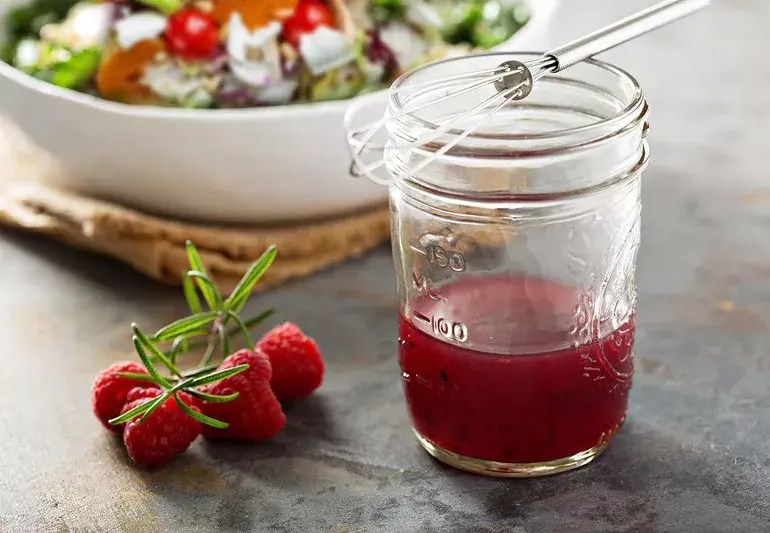
Recipe: Raspberry Chive Salad @ClevelandClinic. A salad combination you may not have thought of, but will now be hooked on

A salad combination you may not have thought of, but will now be hooked on

This salad is a perfect addition to a large dinner menu when you have guests over for dinner and have a lot of other dishes to prepare. It’s bright and flavorful, and you can make the dressing a day or two ahead to prep!

Ingredients

Dressing

1 1/2 cups frozen raspberries, thawed
2 to 4 tablespoons orange juice (depending on thickness desired)
1 tablespoon white wine vinegar
1 teaspoon sugar
1 tablespoon orange zest
4 tablespoons chopped fresh chives

Salad

1 pound romaine lettuce, washed, dried and torn into bite-sized pieces
1 pound radicchio, washed, dried, shredded
3 carrots, peeled and grated
1 cup mandarin oranges, drained, patted dry
20 cherry tomatoes, quartered

Directions

  1. Assemble salad ingredients in salad bowl and toss.
  2. Put all ingredients for the dressing in food processor or blender (except for 2 tablespoons chives), and process.
  3. After all is processed, stir in the remaining 2 tablespoons chives.
  4. Pour over salad just before serving and toss.

Nutrition information (per serving)

Calories: 107
Total fat: 0.5 g
Saturated fat: 0.1 g
Protein: 3 g
Carbohydrate: 25 g
Fiber: 5.4 g
Sodium: 37 mg

—Recipe developed and copyrighted by Kristine Napier, MPH, RD, LD.