


Try our lighter carrot cake, which the entire family will love. It has just the right texture, like a slightly sweetened, light corn bread. It’s great on its own or with a dollop of frozen whipped topping or nonfat ice cream.
Ingredients
No-stick baking spray with flour
1 cup unbleached all-purpose flour
½ cup whole wheat flour
½ cup granulated sugar substitute
¼ cup packed light brown sugar
¼ cup nonfat dry milk
1 ¼ teaspoons baking soda
1 ½ teaspoons baking powder
1 teaspoon ground cinnamon
¼ teaspoon ground cloves
½ teaspoon ground nutmeg
½ teaspoon ground allspice
¼ cup canola oil
1 large egg
¾ cup egg substitute
1 ½ cups finely grated carrots
2 tablespoons finely chopped walnuts
2 tablespoons golden raisins
One 6-ounce can unsweetened crushed pineapple, drained
2 tablespoons confectioners’ sugar, optional
Directions
- Preheat the oven to 350ºF. Coat a 10-inch pan with baking spray.
- Sift the white and whole wheat flours into a large bowl. Add the sugar substitute, brown sugar, dry milk, baking soda, baking powder and spices. Stir to mix well. Using the medium setting of an electric mixer, beat in the oil, egg and egg substitute until the batter is smooth. Fold in the carrots, walnuts, raisins and pineapple.
- Spread the batter into the prepared pan and bake for 30 minutes, until a toothpick inserted in the center of the cake comes out clean. Cool in the pan. Remove the outer ring of the pan and sift confectioners’ sugar over the top, if desired. Serve at room temperature.
Nutrition information
Makes 12 servings.
Serving: 1 slice
Calories: 120 (33% calories from fat)
Fat: 4.5g
Saturated Fat: 0g
Protein: 3g
Carbohydrates: 17g
Dietary Fiber: 1g
Cholesterol: 15mg
Sodium: 180mg
Potassium: 125mg
Dietitian’s Note: Never has carrot cake tasted so good, and been so guiltless! When compared to traditional carrot cake with icing, you save 180 calories, 12 grams of fat, and 4 grams of saturated fat.
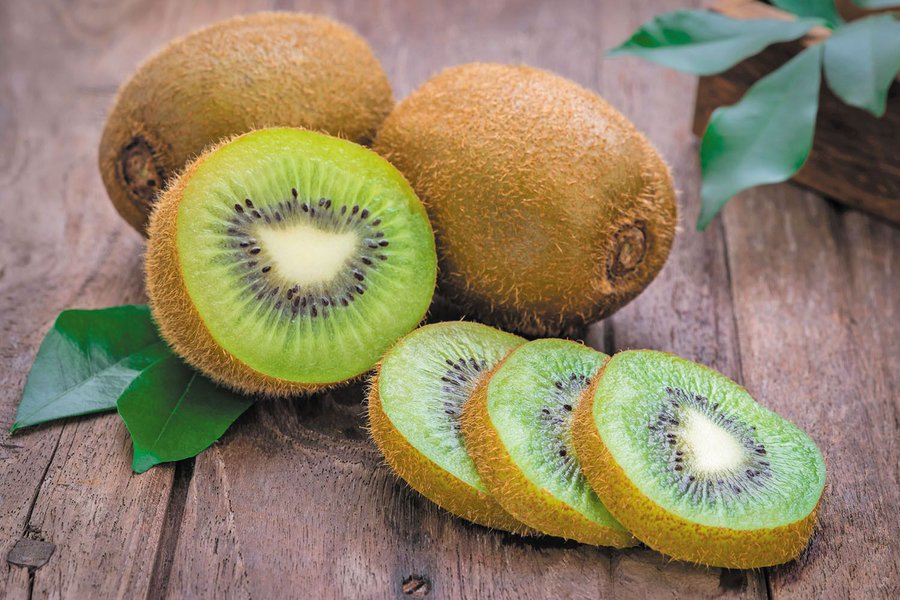





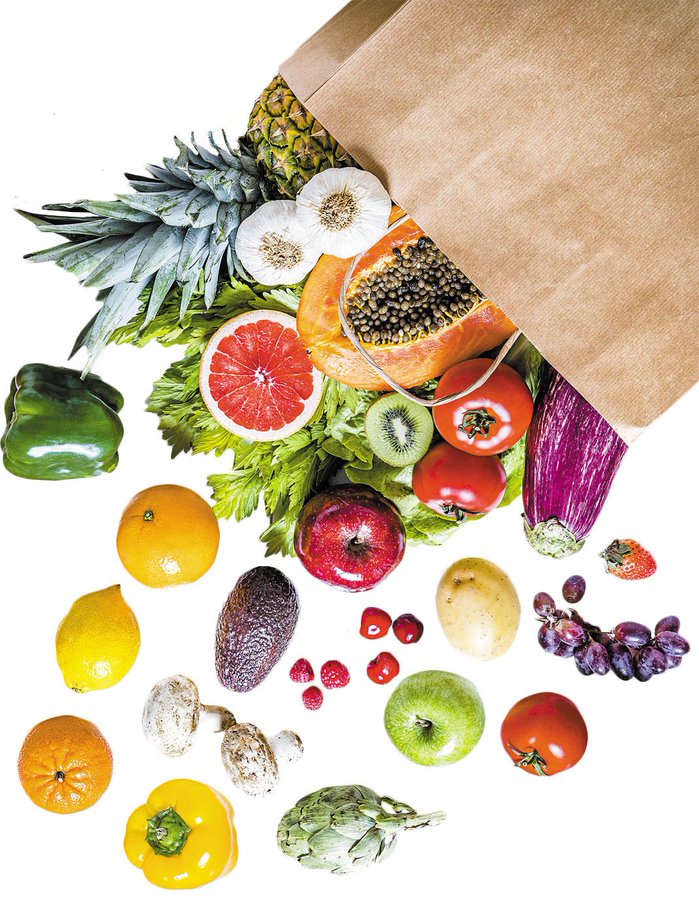





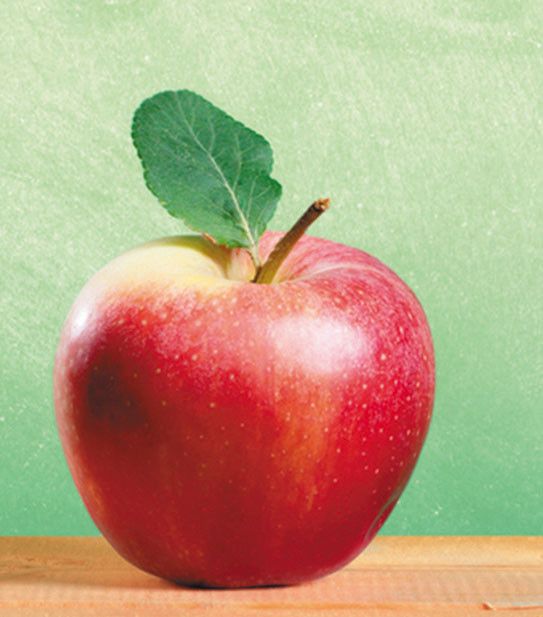
 A modest uptick in the amount of fruit and vegetables you eat can help ward off type 2 diabetes, according to a study published online July 8, 2020, by The BMJ. From a much larger study involving some 340,000 people from eight European countries, scientists selected 9,754 participants who were newly diagnosed with diabetes over a decade. Researchers compared the fruit and vegetable intakes of these people to those of about 13,000 participants who remained diabetes-free during the study period. Researchers also measured blood levels of seven key plant-derived nutrients, including vitamin C and brightly colored antioxidant pigments called carotenoids. People with the highest intakes of fruit and vegetables and the highest blood levels of the plant-derived nutrients were 25% to 50% less likely to get diabetes during the study period, compared with those who ate the least of these food groups or had the lowest nutrient levels. Even better, it didn’t take a whole lot of extra green, red, yellow, and orange on the plate to make a dent in diabetes risk. The equivalent of only two-thirds of a medium apple or just over one-third of a cup of mixed fruit each day offered protection.

