Berry Smoothie Bowl 🤪 @ClevelandClinic. creamy, crunchy

Recipe: Berry Smoothie Bowl

A creamy smoothie with crunchy toppings — in a bowl!

Ingredients

Smoothie base

  • 1 1/2 cups plain yogurt
  • 1 banana, frozen
  • 1/2 cup orange juice
  • 1 cup berries of your choice
  • 1 tablespoon flaxseeds
  • 1 scoop vanilla plant-based protein powder, optional

Toppings

  • 1 tablespoon slivered almonds
  • 1 teaspoon chia seeds
  • 1 tablespoon pomegranate seeds

Directions

  1. Blend all base ingredients together until smooth, adjusting for sweetness and thickness.
  2. Serve immediately in a large bowl with toppings.

Ingredient health benefits

  • Yogurt: With probiotics and prebiotics to go around, yogurt is a great way to show your stomach some love. Yogurt is also a complete protein, which means it has all nine essential amino acids that your body needs to function properly (but can’t make on its own). And, most famously, it has calcium to keep your bones happy and healthy.
  • Bananas: Most everyone knows that bananas are a great source of potassium, but there’s so much more to this zany-looking fruit than popular knowledge conveys. Bananas also have magnesium and vitamin B6, which help regulate blood pressure and metabolism. And they have fiber to keep your gut working properly.
  • Flaxseed: This little seed really is worth the hype. Flaxseed is a source of omega-3 fatty acids (omega-3s, for short), which are vital for your body to function as it should. Flaxseed also has fiber and antioxidants that fight damaging free radicals and chronic inflammation.
  • Almonds: This nut may seem ordinary, but its benefits certainly aren’t. Almonds are rich in calcium and unsaturated fats that raise your â€śgood” (HDL) cholesterol. Your brain will also thank you for the flavonoids and vitamin E.
  • Chia seeds: Another tiny seed with plenty of perks, chia seeds improve your digestion and promote the growth of good bacteria that keep your gut healthy. Their quirky ability to expand in fluid can help you stay fuller for longer when they’re in your stomach juices, which can be helpful if you’re trying to lose weight.
  • Pomegranate seeds: These little gems are as good for you as they taste. The squishy packets around the seeds contain juice that’s high in antioxidants, which might support the health of your heart. Pomegranate juice may also have cancer-fighting abilities, but research is ongoing. Still, incorporating pomegranates into a hearty, nutritious diet wouldn’t hurt!

Nutrition information (per serving)

Makes 4 servings
Serving = 3/4 cup

Calories: 160
Carbohydrate: 27 g
Sugars: 17 g
Fiber: 4 g
Saturated fat: 0.5 g
Cholesterol: 5 mg
Protein: 9 g
Sodium: 70 mg
Why Having a Pet Can Boost Your Mood and Keep Your Brain Healthy @ClevelandClinic


Cleveland Clinic

@ClevelandClinic
·


It’s easy to feel alone and overwhelmed. How bonding with an animal can help with social support and unconditional love.

Therapy animals have long been the trusted companions of people with disabilities. Now, animals of all kinds are proving their value to individuals dealing with a wide range of mental health conditions, including depression and even dementia.

Physiology helps explain why animals are such effective therapists for all of us, says Marwan Sabbagh, MD, Director of Cleveland Clinic’s Lou Ruvo Center for Brain Health: “Simply petting an animal can decrease the level of the stress hormone cortisol and boost release of the neurotransmitter serotonin, resulting in lowered blood pressure and heart rate and, possibly, in elevated mood.”

Pets can bring calm and companionship

Whether you’re an older adult, a patient dealing with mental health conditions or a caregiver, it’s easy to feel alone and overwhelmed. Depression isn’t uncommon, either, a byproduct of isolation and loneliness.

In these cases, bonding with an animal can help fill this void with social support and, from dogs in particular, unconditional love.

An Australian study of 199 patients who were dealing with mental health conditions such as depression, anxiety or post-traumatic stress disorder found that 94% reported a “reduction of anxiety through tactile stimulation” thanks to a psychiatric assistance dog (PAD). Additionally, 51% of the patients reported that their PAD was responsible for “interrupting undesirable behavior.”

Pets can also foster human connections for their owners. Take a dog for a ramble and strangers who would never dream of approaching you in other situations will strike up a conversation centered on the animal. Even a mere smile from a passerby is a connection that can brighten your day.

survey of 14 community-dwelling adults aged 65 or older with pets by the journal Aging & Mental Health found that their pets might benefit them by “providing companionship, giving a sense of purpose and meaning, reducing loneliness and increasing socialisation.”

But besides living up to the billing as a human’s best friend, there’s yet another benefit that pets, particularly dogs, can bring owners.

The extra benefit of exercise

If your pet is a dog, especially an active one that loves walking, that can yield a second, equally important benefit: physical exercise, which is also key to a brain-healthy lifestyle.

According to the Centers for Disease Control and Prevention, adults need at least 150 minutes a week of moderate-intensity aerobic activity for good health and double that amount for greater health benefits. Brisk walking (at least 3 mph, around 20 minutes per mile) qualifies as moderate-intensity activity.

The payoff extends beyond enhanced brain health to weight control, improved cardiorespiratory fitness and muscular strength and reduced risk of chronic diseases and killers such as heart disease, stroke, cancer and diabetes.

“We know that physical exercise, and aerobic exercise in particular, is very beneficial for maintaining brain health, even in people who are at risk for developing dementia and Alzheimer’s disease (AD),” says neuropsychologist Aaron Bonner-Jackson, PhD. “You can make a major difference in terms of how your body is functioning and, as a result, how your brain is functioning.”

Recipe: Perfect Chocolate Chia Pudding Sweet mix of coconut, cherries and chocolate @ClevelandClinic #foodaware #womenshealth

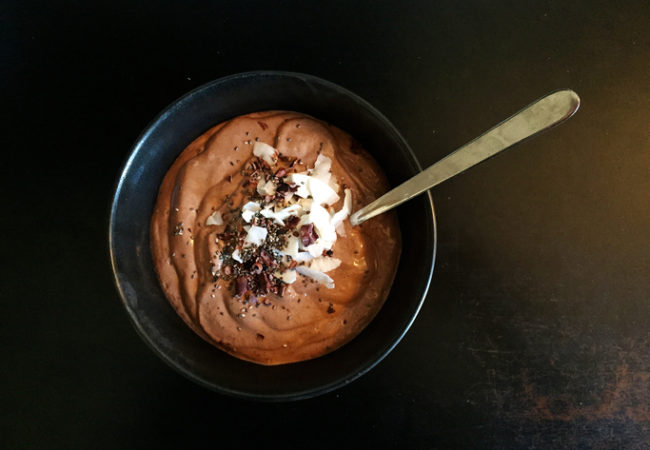
A top-down view of a chocolate smoothie bowl (thick smoothie served in a bowl with a spoon) garnished with chia seeds, large coconut flakes and cacao nibs. Healthy vegan breakfast. The smoothie portion contains banana, chocolate, almond milk and ice.

This pudding is packed with health-promoting chia seeds, almond milk, cinnamon, cocoa, coconut flakes and dried fruit. It’s the perfect chocolate treat.

Ingredients

½ cup Chia seeds
1 cup vanilla almond milk, unsweetened
1 cup 2% milk (may use all almond for non-dairy option)
1½ tablespoons honey
1 tablespoon cocoa powder, unsweetened
1 teaspoon cinnamon
1 teaspoon vanilla extract
2 tablespoons coconut flakes, unsweetened
2 tablespoons dried tart cherries, or other unsweetened dried fruit

Directions

  1. Place chia seeds, milks, honey, cocoa, cinnamon and vanilla in a glass container with a tight lid.
  2. Seal and shake well to combine. Refrigerate for at least 5 hours or overnight.
  3. Serve topped with coconut flakes and dried fruit to garnish.

Note: For a smoother texture, blend pudding in a high power blender before refrigerating. Be sure to blend well to avoid a gritty texture.

Nutrition information

Makes 6 servings

Each 1/2 cup serving contains:

Calories 140
Total fat 7g
Saturated fat 2g
Trans fat 0g
Protein 4g
Total carbohydrate 16g
Fiber 6g
Sugar 7g
Cholesterol 5mg
Sodium 150mg

https://health.clevelandclinic.org/2017/09/recipe-perfect-chocolate-chia-pudding/

Tulipa Carnaval de Nice @the_rhs

the_rhs

It’s that time of year to start thinking about which bulbs to plant for spring, so what better time for the results of the 2025 tulips trials to come out to give you some inspiration! 🌷

 
Held at @rhs_wisley, the trials assessed the performance of exciting new cultivars alongside cherished older selections, with 19 stand-out performers receiving the RHS Award of Garden Merit (AGM). Head to the link in our bio to find out more about our recent trials.