Make 2025 the year your health resolution sticks. Small, sustainable changes are the key to success. Health is more than just weight. Prioritize quality food, movement, and healthy habits. @MayoClinic

Making your weight-loss resolution stick

12/19/2024 by Luke Hafdahl, M.D.

Scale_widget

As the Earth completes another trip around the sun, many people reflect on the previous year’s weight-loss resolutions that didn’t work out as planned. You have undoubtedly seen an explosion of weight-loss medication advertisements over the last year. While these medicines can potentially be helpful, they need to be used in conjunction with healthy lifestyle changes. Here are some tips to make 2025 the year your weight-loss resolutions stick!

Start with a diet to lose weight. Weight loss is 20% in exercise and 80% in the kitchen. You will get far more weight loss by focusing on diet to start.

Think small! Aim to lose about three to five pounds per month. Rapid weight loss is usually a sign that you’re doing something that will be hard to keep up. Don’t go on a “diet,” instead make a “lifestyle change” by focusing on small things you can sustain for the rest of your life. Remember: Small changes over a long period yield big results.

Rethink your drink. Calories are experts at sneaking into your diet without you even noticing, especially in beverages. Reducing or eliminating sugary drinks and alcohol can make a HUGE difference. Consider these simple substitutions: diet soda instead of regular soda, skim milk instead of whole milk for your coffee, flavored water instead of fruit juice, etc.

Avoid portion pitfalls. Oversized portions derail the best weight-loss plans. Give these quick fixes a try:

  • At restaurants, put half of your meal in a to-go box as soon as it comes to the table.
  • At home, keep serving dishes away from the dining table to discourage seconds and thirds.
  • With snacking, put your snack in a bowl or container rather than sit and munch with the whole package at hand.
  • Spoil your dinner! A healthy snack before dinner that leads to eating less at your meal is A-OK!

Ease into exercise. Exercise is key to a healthy life, but if you’re not doing much exercise to start, going from zero to 60 is a recipe for crash and burn. Start low and go slow. Start with 10 minutes of exercise per week. Add 10 minutes weekly and slowly build up to 30 minutes five days a week. How do you know if you’re exercising right? If you’re breathing hard enough that it would be challenging to have a conversation with someone, then you’re doing it right!

Put a dietitian in your pocket. Have a smartphone or tablet device? Use it to work for you! Knowing which foods are good and bad is only part of the struggle. MyFitnessPal is a fantastic, free app that helps you set weight-loss goals and track your calories.

Most important: Don’t focus on weight too much! Weight is only one piece of the health puzzle! We tend to focus on weight as it is the easiest to see and measure, but being healthy is much more than your weight. The quality of the food you eat, the exercise you get and the unhealthy choices you avoid are just as important!

Remember that your healthcare clinician is there for you. Don’t hesitate to ask for guidance and talk about available tools to lose weight and be healthy. Make 2025 the year your weight-loss resolutions stick so you have many more trips around the sun.

Luke Hafdahl, M.D.,β€―is a Community Internal Medicine, Geriatrics and Palliative Care physician. He has a particular interest in medical education.


Biking is a good way to get your blood flowing..πŸ˜πŸ˜ƒ@ClevelandClinic #heartaware

Screenshot_2020-07-27 #biking hashtag on Instagram β€’ Photos and Videos

Cleveland Clinic
@ClevelandClinic

Β 

You know exercise builds muscles, strengthens bones, keeps your heart healthy and your mind sharp. But it also does something that you might not think much about: It helps keep your immune system β€” your internal defenses against infection β€” in tip-top shape.

If you take time for some physical exertion each day, it helps get your body ready to attack bacteria, viruses and toxins that can sneak in and make you sick.

But how much exercise is effective? Do too little or too much, and it won’t have the best effect on yourΒ immune system.

Clinical immunologist Β Leonard Calabrese, DO, answers common questions about how exercise can impact your immunity and how to use your workouts to shut out a world of would-be invaders.

Q: How does breaking a sweat boost immunity?

A:Β If you exercise moderately on a regular basis, it tunes up the immune system in many ways. It enhances your broad-based defenses against viral infections, such as those causing upper respiratory infections.

Working out regularly also reduces the risk of many chronic diseases such as cardiovascular, respiratory illnesses and metabolic diseases, such as type 2 diabetes.

Q: How much exercise do you need?

A:Β Fortunately, you don’t have to push yourself to the limit to rev up your immune system. In fact, your immune system needs less of a workout than you get with your average cardio routine.

Focus on getting 20-30 minutes of moderate exercise, five days a week, and yourΒ immune systemΒ will thank you.

Q: What types of exercise are most helpful?

A:Β Moderate exercises, including biking or walking briskly in your neighborhood, are good ways to get your blood flowing. Swimming is also a good option for non-weight-bearing exercise for your joints.

Also try mind-body exercises such as Tai-Chi, Qi Gong and yoga, which are all options that help keep your joints flexible. These exercises also reduce chronic stress, which in itself is a powerful immune booster. These exercises can also help alleviate osteoarthritis andΒ fibromyalgiaΒ symptoms.

Q: Can too much exercise set your immune system back?

A:Β Yes, though, the level to which it can slow your system down is still up for debate.

ResearchΒ shows that exercising for more than 1.5 hours without refueling your body or giving it enough time to recover suppresses your immune responses for up to a few days. During that time, your cortisol levels rise, your white blood cell count drops and you’re more likely to develop a respiratory infection.

This problem usually affects elite athletes, such asΒ marathonΒ runners, most.

On the flip side, staying sedentary also increases your risk of infection, inflammation and chronic disease.

Q: Can exercise make an illness worse?

A:Β Yes, it can. This is a complex issue, but I like to tell my patients to do a β€œneck check.” If your symptoms are mostly of a mild cold without fever or lower respiratory symptoms, such as a productive cough, wheezing or shortness of breath, mild exercise can actually reduce congestion and may make you feel better.

If your symptoms are primarily in your lungs or you have a significant fever its better to rest until things settle down. Regardless, good hydration is important.

Looking to stabilize your blood sugar, lower your cholesterol, reduce inflammation and feel full longer? Look no further than the delicious apple! @ClevelandClinic

Cleveland Clinic

@ClevelandClinic
Β·


You go to the store to pick up some apples. Seems simple enough β€” until you’re faced with a dozen different varieties in the produce aisle. You want the healthiest apple, so which one will keep the doctor away?
Dietitian Mira Ilic, RD, LD, reveals the juicy details about this popular fruit.
Big difference in taste, not nutrition
Apples have slightly different nutrients depending on their type and color. For instance, Red Delicious apples have polyphenols that are exclusively found in dark red fruits. Polyphenols are plant compounds that may help prevent cancer, heart disease and other conditions.
But if the thought of biting into a Red Delicious isn’t appealing, don’t worry. Any apple you buy will deliver a punch of health-boosting nutrients.
β€œThe nutritional differences among apple varieties are small,” says Ilic. β€œBut the taste differences are big. Don’t choose an apple based on a small nutrient difference if you don’t like the taste.”
Choose fresh and local apples
Whatever apple variety you pick, make sure it’s fresh. Old apples aren’t as nutritious, don’t taste as good and could be rotten. β€œChoose a firm apple with no bruises,” says Ilic. β€œLook for bright color, keeping in mind that some apple varieties are naturally more colorful. Fresh apples usually have a nice aroma, too.”
Whenever possible, go with local apples. The less your apple had to travel, the more nutritious it is when it gets to you. July through October is prime apple season in the U.S. During these months, local apples are easy to find.
When you choose apples in the off-season, check the sticker for its country of origin. If your apple traveled a long distance, it probably lost some of its nutrition in transport. Try to choose apples that come from a nearby country. β€œWe don’t have the option to eat local apples year-round,” Ilic says. β€œIn the off-season, we have to get apples from other parts of the world. No matter where they come from, wash them thoroughly.”
You don’t need any chemicals or tools to wash your apples. Wash your hands first. Then wash your apple with running water. Gently scrub the skin with a cloth or brush.
Are organic apples healthier?
Some organic fruits may be slightly more nutritious than conventionally grown ones. But you don’t need to buy organic apples. They tend to cost more, which can be a downside if you’re sticking to a grocery budget.
β€œGrowers use different growing practices for organic apples and while pesticides are used on conventionally grown apples, some organic growers may actually use pesticides approved for organic farming,” explains Ilic. β€œThe government has guidelines about what pesticides growers can use. Both types are safe and nutritious. Just wash them well if you’re still concerned about pesticide residue or you can peel your apples, but you’ll lose some nutrients and fiber found in the skin.”
Have fun with apple sampling
With so many apple varieties, you’re bound to find one you like. Hold an apple sampling by picking a few different types. Cut them into bite-sized pieces, put them on a plate and label them. Have your family members try the different apples and choose their favorite.
An apple sampling can be a fun way to get kids to eat more apples, too. Kids often like having some control over the types of foods they eat.
All apples are amazing
Whether your favorite is a sour Granny Smith or a sweet Honeycrisp, you can’t go wrong with apples. β€œAll apples are a good source of fiber, including pectin, which may help lower cholesterol,” Ilic says. β€œThey also contain phytochemicals like polyphenols, which are antioxidants linked to multiple health benefits. Some studies have suggested that apples may also help reduce the risk of some cancers.”
Bottom line: An apple a day is a healthy habit, so don’t stress about picking the right one. β€œEat the apples you like because they’re all healthy,” Ilic says.

FACEBOOK
TWITTER
LINKEDIN
PINTEREST

Email
apples fiber

Lorraine Cooney, Specialist Gastroenterology Dietitian and Head of Dietetics Department at Blackrock Health, Blackrock Clinic #WorldIBDDay #GutHealth

This World IBD Day, we’re recognising the strength of those living with Inflammatory Bowel Disease (IBD). Conditions like Crohn’s Disease and Ulcerative Colitis can be unpredictable, often bringing physical discomfort and emotional strain.

As Lorraine Cooney, Specialist Gastroenterology Dietitian and Head of Dietetics Department at Blackrock Health, Blackrock Clinic, says,

“IBD affects more than just your gutβ€”it can impact every part of life. And diet in IBS matters! There’s no one-size-fits-all, so support should be personal. The right approach depends on your type of IBD, how active it is, any IBS-type symptoms, your nutrition status, culture and even your relationship with food. On World IBD Day, let’s raise awareness and remind people with IBD that they’re not alone.”

At Blackrock Health, our gastroenterology teams understand the impact of IBD. Across our three hospitals, we offer expert care, timely diagnostics, and ongoing support to help patients manage symptoms and take back control of their health.

If you’re living with IBD or experiencing persistent digestive issues, we’re here to help.

Learn more here: https://ow.ly/sfTE50VPVtZ

#WorldIBDDay#CrohnsAndColitis#BlackrockHealth#GutHealthCare#BetterTogether

“Catherine’s Rose” @the_rhs – Chelsea Flower Show 20Β – 24 May 2025…

princeandprincessofwales's profile picture

princeandprincessofwales

and

4 others

Liked by tinasjourney123 and others

  • princeandprincessofwales
  • Spending time in nature has always been a source of comfort and strength. Gardens and green spaces provide not only beauty and joy, but also vital support for our mental, physical and spiritual wellbeing.

    Today the Royal Horticultural Society are announcing a new Rose, β€œCatherine’s Rose”, grown by Harkness Roses. The proceeds from this rose will support The Royal Marsden Cancer Charity, helping patients across the country live well with, and beyond, cancer 🌹1w

Blackrock Health: Nutrition critical to Sound Health

On World Health Day, we are emphasising the importance of proactive health management through informed dietary choices. Nutrition plays a critical role in preventative care, supporting overall well-being and mitigating the risk of chronic diseases.

Adopting a balanced and personalised approach to dietetics can significantly contribute to improved health outcomes.

Our team of experienced dietitians provides comprehensive nutritional assessments and tailored plans to meet individual needs. We are committed to empowering individuals to take control of their health through evidence-based dietary strategies.

Learn more about our Dietetics & Nutrition services and how we can support your health goals: https://ow.ly/mp0q50VsnLX

#WorldHealthDay#Dietetics#Nutrition#ProactiveHealth#PreventativeCare#CorporateWellness#BlackrockHealth#BetterTogether#Healthcare

7 Reasons Why Cottage Cheese Is Good for You @ClevelandClinic

This dairy product can help you lose weight, manage blood sugar and strengthen bones

Cottage cheese doesn’t typically receive a lot of attention. It gets left out from the fancy cheese counter at the grocery store. It doesn’t make the cut for a charcuterie (meat and cheese) board. And it isn’t typically included in recipes for favorite foods such as pizza, grilled cheese or baked ziti.

It’s a soft, white, fresh cheese that’s different in texture and taste than more popular cheddar, Parmesan and blue cheeses. But cottage cheese holds a prominent place in the dairy aisle for good reasons, says registered dietitian Julia Zumpano, RD, LD.

β€œIt’s a portable food that’s easy to add to your diet,” she says. β€œAnd cottage cheese offers lots of health benefits.”

As a dairy product, cottage cheese is a great calcium source, which is important for bone health. Having healthier bones makes you less likely to get osteoporosis (weak bones). Cottage cheese in your diet can even help with your blood sugar levels.

Thinking about giving cottage cheese a go? Zumpano explains what you need to know.

Is cottage cheese healthy?

Cottage cheese is low in calories while providing protein and vital nutrients, Zumpano says, making it one of the healthiest cheeses you can eat. It’s made by curdling pasteurized (sterilized) cow’s milk β€” when milk turns acidic, the milk protein separates and forms curds (clumps). These loose curds serve as the base for cottage cheese.

Depending on the fat content of curdled dairy milk, cottage cheese is available as nonfat, low fat (1% or 2%) or whole fat. The milk type affects the nutritional content.

β€œTo get the most bang for your buck, choose a low-fat or even full-fat cottage cheese,” Zumpano advises. β€œNonfat cottage cheese may sound like a good idea, but it contains less protein and won’t be as satisfying.” Full-fat cottage has 1.5 grams more of saturated fat when compared to 2% but can be the most satisfying.

Health benefits of cottage cheese

Cottage cheese may be mild in flavor, but it packs a punch when it comes to potential health benefits. Some of the many benefits of cottage cheese include:

Provides good nutrition

A 100-gram serving (just under a half cup) of low-fat (2%) cottage cheese provides:

Source: U.S. Department of Agriculture

Aids in weight loss

Three factors make cottage cheese a great choice if you’re looking to lose pounds or maintain your weight:

  • High in protein: Research finds that eating a high-protein diet helps curb your appetite and manage hormones associated with appetite, digestion and insulin release.
  • Low in fat: Full-fat cottage cheese contains less fat than some other cheeses (4% fat versus 30% fat in cheddar), and its high protein makes it an excellent low-fat option.
  • Provides calcium: Studies show that increasing calcium can help you lose weight when combined with a calorie-restricted diet.

Cottage cheese isn’t the only dairy food to provide these advantages. Greek yogurt can also check these boxes. But if you’re deciding between the two, Zumpano recommends cottage cheese. β€œFull-fat cottage cheese and full-fat Greek yogurt have the same amount of fat, but cottage cheese has 25% more protein.”

Provides essential amino acids

Cottage cheese is rich in casein (pronounced β€œKAY-seen”) protein. It’s a complete protein that provides essential amino acids, which are all the building blocks of protein that your body needs.

Amino acids help your body work smoothly. They affect your:

β€œEating cottage cheese as part of a balanced diet is an easy way to ensure your body gets everything it needs,” says Zumpano.

Supports bone health

Cottage cheese has three nutrients that help promote healthy bones:

  • Calcium helps prevent osteoporosis that can lead to bone fractures.
  • Phosphorus is critical for proper bone development and strength, especially during growth spurts or when healing from a fracture.
  • Protein helps maintain bone mineral density and can reduce the risk of fractures.

β€œBone health is critical as you age,” Zumpano shares. β€œAdding cottage cheese to your diet is an easy way to strengthen them.”

Helps you control blood sugar levels

Plain cottage cheese is low in carbohydrates, making it a great option for anyone watching their blood sugar. The slow-digesting casein protein in cottage cheese also helps prevent blood sugar spikes.

β€œTo get this benefit of cottage cheese, choose plain cottage cheese,” Zumpano recommends. β€œAvoid cottage cheese pre-packaged with fruit and check the label for added sugar.”

Contributes to a balanced gut

Probiotics are live microorganisms that can improve the balance of good and bad bacteria in your gut (gut microbiota). The curdling process used to produce cottage cheese adds beneficial bacteria that can promote better gut health. But unlike Greek and regular yogurt, which almost always contain probiotics, not all cottage cheese is created equal.

β€œIf you want cottage cheese that provides probiotics,” Zumpano says, β€œcheck the label to see if it says it contains β€˜live and active cultures.’”

Promotes muscle development

The slow-release protein in cottage cheese doesn’t just help with digestion. It’s also important for building muscle tissue and helping your muscles recover after a workout.

β€œCasein protein provides your cells with amino acids consistently over a longer period, which helps muscles recover instead of breaking down,” Zumpano explains. Consider having cottage cheese after a workout to get the maximum benefit for your muscles.

Reduces your risk of some cancers

Research shows that increasing dairy intake may lower your risk for some (though not all) cancers. β€œThere’s still a lot to learn about the connection between dairy and cancer prevention,” Zumpano states. β€œBut it’s clear there are protective benefits to including dairy in a balanced diet.”

Experts believe getting more calcium may offer protection from:

  • Bladder cancer.
  • Breast cancer.
  • Colorectal cancer.
  • Stomach (gastric) cancer.

Tips for adding cottage cheese to your diet

The United States Department of Agriculture (USDA) recommends that adults get three cups of dairy daily. Cottage cheese can help you reach that goal.

When you incorporate cottage cheese into your diet, remember to:

  • Check the nutrition label: Single-serve containers of cottage cheese may vary in size and nutritional content.
  • Consider your lactose tolerance: The lactose in cheese decreases with age. As a fresh, unripened cheese, cottage cheese often contains more lactose than aged cheeses. If you have lactose intolerance, consider a cottage cheese that’s lactose-free.
  • Keep an eye on sodium: Cottage cheese can be high in sodium, so opt for low-sodium or sodium-free cottage cheese to protect yourself from high blood pressure and heart disease.
  • Get creative: There are many ways to eat more cottage cheese. Consider adding cottage cheese to your eggs or pancake mix. Bake it into muffins or cakes. Or use it as a substitute for sour cream or ricotta cheese.

FACEBOOKTWITTERLINKEDINPINTERESTEmaildairy

Take a fresh look at oatmeal – it’s not as simple as you think @American_Heart


American Heart Association

@American_Heart
Β·


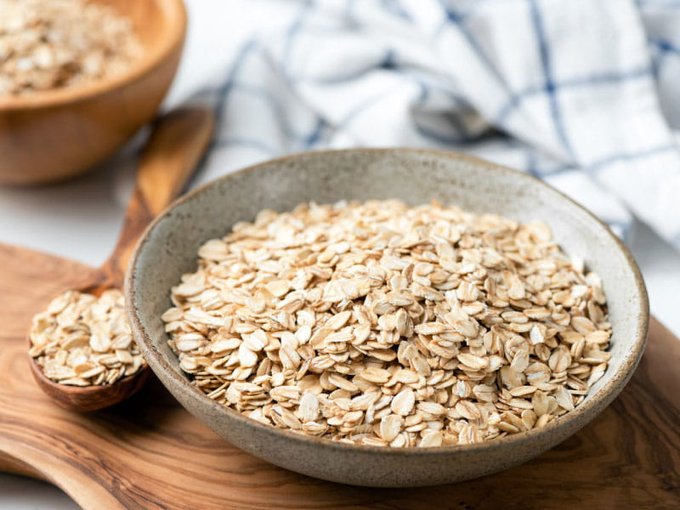
Oats and oatmeal have powers you probably didn’t know about — like nutrients to help lower cholesterol and enough fiber to help you feel fuller longer. They just might be quiet heroes of #BetterBreakfastMonth.

(Arx0nt/Moment via Getty Images)

By Michael Merschel, American Heart Association News

Let’s admit it: Oatmeal is a total nerd. It lacks fashion sense – the color they named after it is somewhere on the drab side of beige. It’s often seen with Sesame Street’s Bert, who also loves bottle caps, paper clips and pigeons.

But when it comes to healthy eating, oatmeal and the oats it comes from can definitely hang with the cool kids at the breakfast table.

“It has many, many good qualities,” said Candida Rebello, director of the nutrition and chronic disease research program at Louisiana State University’s Pennington Biomedical Research Center in Baton Rouge.

Extensive studies have associated oats and oatmeal with plenty of heart-healthy benefits, such as lowering cholesterol (both total and “bad” LDL cholesterol) and helping with weight control.

Oatmeal has a host of vitamins and minerals. Two examples: According to the U.S. Department of Agriculture, a one-cup serving of cooked oatmeal has about 1.8 milligrams of vitamin B1, or thiamin. That’s close to 15% of what an adult needs each day. It also has 1.36 mg of manganese, which is 59% of the daily recommendation for men and 76% for women. Manganese has roles in immunity, blood clotting and the way cholesterol and blood sugar are metabolized.

But that’s not what makes oats stand out, Rebello said. That same cup of cooked oatmeal has just 166 calories and nearly 4 grams of dietary fiber.

And the type of fiber is where oats start to distinguish themselves. It’s called beta-glucan. Put that in the conversation, and it’s like the scene in a movie where oatmeal takes off its glasses and everyone realizes just how beautiful it is.

Not literally. It’s a soluble fiber, which means it dissolves in hot water, where it thickens. “When you eat oatmeal, the kind of sliminess that you see – that comes from this viscosity that beta-glucan generates,” Rebello said.

That helps you feel full longer, she said. And it helps undigested food travel farther down your digestive tract, where it feeds the friendly bacteria living there.

Beta-glucan is abundant in oats and barley and has been shown “quite unequivocally” to help maintain healthy cholesterol levels, Rebello said.

Oats also are rich phytonutrients – plant-derived substances that may boost health. One class of such phytonutrients is avenanthramides, which are found only in oats. Avenanthramides may have antioxidant and anti-inflammatory effects, although Rebello said their possible benefits are not as well-researched as those for beta-glucans.

Oats have been linked to heart-health benefits since the 1960s and come in many forms. The differences involve levels of processing.

Oats grow in an inedible casing called a hull. Inside the hull is a seedlike groat. That groat is encased in bran. “In other whole grains, like in wheat, you can remove that bran layer,” Rebello said. “But in oats, this groat is very soft, so that bran layer cannot really be removed.”

That means oats are almost always a whole-grain food, and those are a key part of a healthy eating pattern.

If oats are labeled “steel cut,” it simply means they were processed with a steel cutter, Rebello said. Rolled oats are steamed first, then pressed with a roller. “If the roller crushes it into thinner flake, then you get quick-cooking oats,” she said. “If it is then rolled into an even thinner flake, you get your instant oats.”

Rebello said that nutritionally, there is little difference between steel cut and rolled oats. Instant oats, however, have a higher glycemic index, meaning they raise your blood sugar faster.

When oats are ground to flour, the coarser portion is extracted and called oat bran. The beta-glucans will be concentrated in the flour rather than the bran, she said.

Oat milk is derived from oats and water, but processing may add ingredients such as sugar, salt, oil and more. Oat milk has some dietary fiber, Rebello said – commonly 2 grams per cup – but the amount of beta-glucan is rather small.

Unfortunately, Rebello ruled out sugar-filled oatmeal cookies as a healthy food (although she’s not averse to having one as a treat now and then).

How, then, to embrace oats? “Just eat regular oatmeal,” she said. Half a cup of rolled oats cooks up quickly and will keep you full a long time.

Oatmeal with your favorite fruit can be a sweet way to start the day. Cook it in low-fat milk for creaminess and add unsalted nuts to bolster its heart-health value. If you’re time-pressed in the morning, try a healthy version of overnight oats, which can be prepared the night before.

It’s important to remember that no single food, even oats, can do it all, Rebello said, noting that if you eat a nutritious breakfast but then load up on sugar and fat the rest of the day, “that’s really not going to help you much.”

But you should go ahead and invite oatmeal into your breakfast club, Rebello said. “I definitely recommend eating oats.”

If you have questions or comments about this American Heart Association News story, please email editor@heart.org.