Spending time in nature has always been a source of comfort and strength. Gardens and green spaces provide not only beauty and joy, but also vital support for our mental, physical and spiritual wellbeing.
Today the Royal Horticultural Society are announcing a new Rose, “Catherine’s Rose”, grown by Harkness Roses. The proceeds from this rose will support The Royal Marsden Cancer Charity, helping patients across the country live well with, and beyond, cancer 🌹1w
This clean, light, flavorful meal is perfect any time of day! Look for local veggies, and you’ll know spring has truly sprung. Ready for a spring-cleaning that doesn’t involve baseboards or windows? After a chilly winter filled with hearty soups and stews, there’s nothing like spring vegetables to lighten your, err, load. Our Spring Veggie + Grain Bowl features ribbons of tender, sweet asparagus and carrots on a bed of fluffy quinoa. Radishes and jalapeño, plus a simple, light dressing of tahini, lemon juice and garlic, add zing and tang — plus loads of nutrients. This vegan dish makes a clean, light, flavorful lunch or dinner — or even breakfast. Look for local veggies, and you’ll know spring has truly sprung. Ingredients 1 cup quinoa 3 tablespoons tahini, well stirred 3 tablespoons water 2 tablespoons fresh lemon juice 1 small clove garlic, minced ¼ teaspoon kosher salt 12 asparagus spears 3 carrots 6 radishes 1 jalapeño, seeds removed if desired ½ cup fresh parsley leaves Directions In a medium saucepan, combine the quinoa with 2 cups of water over medium-high heat and let come to a boil. Stir once, cover with a tight-fitting lid, and reduce the heat to low. Cook for 15 minutes, until the water is absorbed. Remove from the heat and fluff with a fork. Let stand, covered, for 5 minutes more. In a small bowl, whisk together the tahini, water, lemon juice, garlic and salt. Using a vegetable peeler, peel the asparagus and carrots into long ribbons. Thinly slice the radishes and jalapeño. Divide the quinoa among bowls and add the vegetables. Drizzle on the dressing and scatter the parsley leaves over the top. Nutritional information (per serving) Makes 4 servings. 376 calories, 20 g total fat, 3 g saturated fat, 13 g protein, 39 g carbohydrate, 6 g dietary fiber, 3 g sugar, 0 g added sugar, 0 mg cholesterol, 112 mg sodium Source: Developed by Sara Quessenberry for Cleveland Clinic Wellness
This recipe switches up chicken marsala by swapping in salmon. It’s a great way to get delicious and healthy fish on the menu. You should be able to find Marsala wine in the cooking wines or condiments section of your local grocery store.
Ingredients
1 tablespoon olive oil
1 onion, cut into wedges
1 teaspoon minced garlic
10 fresh mushrooms, sliced (or one 7-ounce can of sliced mushrooms, drained)
4 (4 ounces each) skinless salmon filets
1/3 cup Marsala wine
2/3 cup chicken broth (1/3 less sodium)
1/4 teaspoon salt (optional)
4 teaspoons cornstarch
4 grinds of fresh ground pepper
Directions
Prep the onions and mushrooms.
Heat oil in nonstick skillet over medium-high heat; add onion, garlic and mushrooms to the skillet and begin sautéing.
Add the salmon filets to the skillet, cooking for 10 minutes per inch of thickness (turn them over midway in the cooking time).
Mix together the wine, broth, cornstarch and fresh ground pepper; when the fish is nearly done (you can tell by twisting the center of the thickest part — if it flakes easily, it’s done), add the wine/broth mixture to the salmon.
Stir gently, as the liquid turns into a thick gravy within one minute. Serve over whole-grain pasta or brown rice, with steamed asparagus or vegetable of your choice.
Ingredient health benefits
Olive oil: Olive oil is one of those ingredients that’s actually worth the hoopla. It has fat-soluble vitamins like vitamins D and K, which support your bones and blood cells. It’s also home to unsaturated fats that help decrease your LDL (“bad”) cholesterol and increase your HDL (“good”) cholesterol, helping your heart stay happy. And if you need another reason to use olive oil beyond this recipe, it has polyphenols and other antioxidants to fight inflammation and free radicals, keeping your cells in peak condition and helping to prevent diseases down the road.
Onions: They may not be the most “a-peel-ing” ingredient in the produce aisle, but looks can be deceiving. Onions have prebiotics and fiber to feed your “good” gut bacteria and support healthy digestion. And that’s not all those layers have to offer! There are also vitamin C and flavonoids that help lower inflammation while boosting your immunity.
Garlic: Like onions, these alliums aren’t the most exciting of foods. But “unremarkable” doesn’t mean “devoid of nutrition.” On the contrary, garlic is considered a superfood! Aside from keeping vampires away, eating garlic may strengthen your immunity as part of a well-balanced eating plan. It might also help regulate your blood pressure, and certain natural compounds in garlic can lower inflammation and protect your cells from damage.
Mushrooms: They may not be plants or animals, but mushrooms are just as nutritious! They’re packed with antioxidants like selenium and zinc that promote healing and may enhance your immune cells’ ability to fight diseases like cancer. Mushrooms are also a surprising source of B vitamins — like vitamins B3,B5 and B6 — which are crucial for creating and fixing DNA, as well as helping your body turn the food you eat into usable energy. Even your heart can benefit from the potassium found in these fantastic fungi, which helps regulate your blood pressure and keep the beat.
Salmon: Not just for the bears! This hearty fish is a complete protein that’s pescatarian-friendly, meaning it has all the amino acids your body needs to keep moving. Salmon is also low in mercury content and high in omega-3s, heart-helpful fats that are essential for your head-to-toe health. And that’s not all for omega-3s! They also double as an anti-inflammatory that promotes your immune system.
Nutrition information (per serving)
Makes 4 servings
Calories: 450 Fat: 12 g Fiber: 9 g Sodium: 147 mg (doesn’t include the optional salt) Carbohydrates: 44 g Protein: 37 g
This recipe switches up chicken marsala by swapping in salmon. It’s a great way to get delicious and healthy fish on the menu. You should be able to find Marsala wine in the cooking wines or condiments section of your local grocery store.
Ingredients
1 tablespoon olive oil
1 onion, cut into wedges
1 teaspoon minced garlic
10 fresh mushrooms, sliced (or one 7-ounce can of sliced mushrooms, drained)
4 (4 ounces each) skinless salmon filets
1/3 cup Marsala wine
2/3 cup chicken broth (1/3 less sodium)
1/4 teaspoon salt (optional)
4 teaspoons cornstarch
4 grinds of fresh ground pepper
Directions
Prep the onions and mushrooms.
Heat oil in nonstick skillet over medium-high heat; add onion, garlic and mushrooms to the skillet and begin sautéing.
Add the salmon filets to the skillet, cooking for 10 minutes per inch of thickness (turn them over midway in the cooking time).
Mix together the wine, broth, cornstarch and fresh ground pepper; when the fish is nearly done (you can tell by twisting the center of the thickest part — if it flakes easily, it’s done), add the wine/broth mixture to the salmon.
Stir gently, as the liquid turns into a thick gravy within one minute. Serve over whole-grain pasta or brown rice, with steamed asparagus or vegetable of your choice.
Ingredient health benefits
Olive oil: Olive oil is one of those ingredients that’s actually worth the hoopla. It has fat-soluble vitamins like vitamins D and K, which support your bones and blood cells. It’s also home to unsaturated fats that help decrease your LDL (“bad”) cholesterol and increase your HDL (“good”) cholesterol, helping your heart stay happy. And if you need another reason to use olive oil beyond this recipe, it has polyphenols and other antioxidants to fight inflammation and free radicals, keeping your cells in peak condition and helping to prevent diseases down the road.
Onions: They may not be the most “a-peel-ing” ingredient in the produce aisle, but looks can be deceiving. Onions have prebiotics and fiber to feed your “good” gut bacteria and support healthy digestion. And that’s not all those layers have to offer! There are also vitamin C and flavonoids that help lower inflammation while boosting your immunity.
Garlic: Like onions, these alliums aren’t the most exciting of foods. But “unremarkable” doesn’t mean “devoid of nutrition.” On the contrary, garlic is considered a superfood! Aside from keeping vampires away, eating garlic may strengthen your immunity as part of a well-balanced eating plan. It might also help regulate your blood pressure, and certain natural compounds in garlic can lower inflammation and protect your cells from damage.
Mushrooms: They may not be plants or animals, but mushrooms are just as nutritious! They’re packed with antioxidants like selenium and zinc that promote healing and may enhance your immune cells’ ability to fight diseases like cancer. Mushrooms are also a surprising source of B vitamins — like vitamins B3,B5 and B6 — which are crucial for creating and fixing DNA, as well as helping your body turn the food you eat into usable energy. Even your heart can benefit from the potassium found in these fantastic fungi, which helps regulate your blood pressure and keep the beat.
Salmon: Not just for the bears! This hearty fish is a complete protein that’s pescatarian-friendly, meaning it has all the amino acids your body needs to keep moving. Salmon is also low in mercury content and high in omega-3s, heart-helpful fats that are essential for your head-to-toe health. And that’s not all for omega-3s! They also double as an anti-inflammatory that promotes your immune system.
Nutrition information (per serving)
Makes 4 servings
Calories: 450 Fat: 12 g Fiber: 9 g Sodium: 147 mg (doesn’t include the optional salt) Carbohydrates: 44 g Protein: 37 g
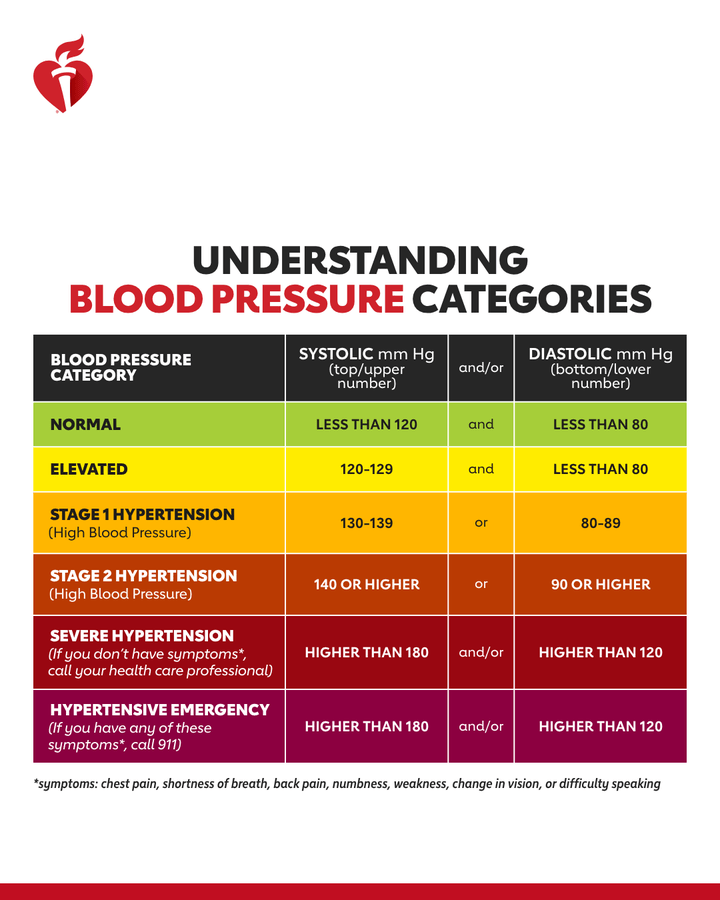
Get your blood pressure checked at least once a year and understand what the numbers mean. Severe high blood pressure combined with symptoms such as chest pain or trouble speaking may be a hypertensive emergency, according to the new high blood pressure guideline, and you should call 911 immediately.
Peru has been cultivating potatoes for more than 6,000 years in the high Andean slopes near Lake Titicaca.
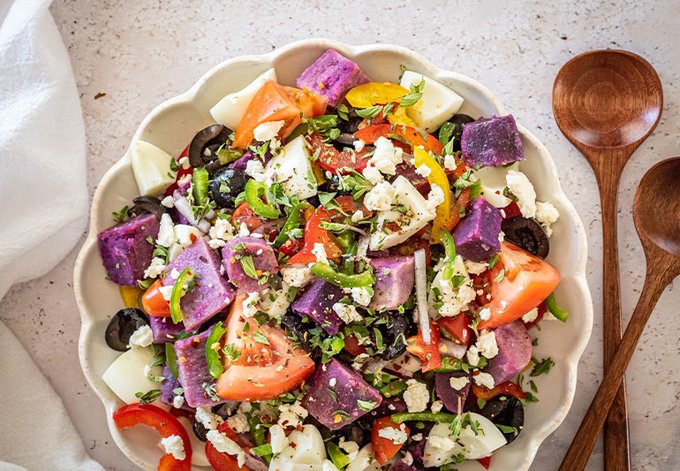
A stroll through the public markets reveals a startling number of sizes, shapes and colors — including the famous Peruvian blue potatoes with their purplish-blue skin and flesh.
It’s fun to use these blue potatoes, but if your market doesn’t carry them or if you prefer other potatoes, you can always use small red or white potatoes.
Ingredients
Kosher salt 1 1/4 pounds small Peruvian blue potatoes 1/4 cup minced red onions 1 red bell pepper, seeded and diced 1 yellow bell pepper, seeded and diced 1 large tomato, seeded and chopped 1 jalepeño, seeded and minced 3 tablespoons red wine vinegar 3 tablespoons extra virgin olive oil 1 teaspoon sugar substitute 2 hard-boiled egg whites, chopped 2 tablespoons chopped fresh oregano 1/2 cup crumbled reduced-fat feta cheese 2 tablespoons sliced black olives, optional
Directions
Bring a pot of lightly salted water to a boil. Simmer the potatoes until cooked through, 15 to 20 minutes, depending on size. Drain and cool. Quarter or slice into bite-sized pieces and place in a bowl.
Combine the potatoes and the onion, bell peppers, tomato, jalepeño, vinegar, oil, 1/4 teaspoon salt (if using), sugar substitute, egg whites, oregano and cheese. Refrigerate until ready to serve. Garnish with olives, if using.
Nutritional information (per serving)
Makes 8 servings
Calories: 200 calories (31% from fat) Total fat: 7 g Saturated fat: 1.5 g Protein: 7 g Carbohydrate: 31 g Dietary fiber: 2 g Cholesterol: 5 mg Sodium: 95 mg Potassium: 109 mg
This is a last-minute dessert that can be made post-dinner, while you brew the coffee and finish clearing the table. Have ingredients and equipment ready beforehand — just be sure to turn the pineapple once and give the skillet a couple of shakes and voila! You’ll have a delightfully sweet dessert ready at your fingertips.
Ingredients
1/4 cup sugar 1/4 cup sugar substitute 1 pineapple, peeled, cored and sliced into six wedges lengthwise Butter-flavored cooking spray, refrigerated 1 tablespoon trans-fat free margarine 2 tablespoons Cognac or fresh orange juice 1 cup fresh raspberries
Directions
Combine the sugar and sugar substitute. Sprinkle half of the mixture over one side of the pineapple. Turn and sprinkle the rest on the other side.
Lightly coat a large non-stick skillet with cooking spray. Add the margarine and melt over high heat. Place the pineapple in the skillet and cook, turning once and shaking the pan often, until it turns golden brown, 10 to 15 minutes. (The pineapple can be prepared to this point and held for one hour.)
Transfer the pineapple wedges to six dessert dishes, leaving the sauce that has formed in the pan.
Stir the cognac into the pan to thin the sauce. Heat briefly. Drizzle the sauce over the pineapple and sprinkle with equal portions of the raspberries. Serve warm.
Nutritional information (per serving)
Makes 6 servings
Calories: 118 Total fat: 3 g Protein: 0.1 g Carbohydrate: 22 g Dietary fiber: 2 g Cholesterol: 0 mg Sodium: 0 mg Potassium: 122 mg










 Healthaware