The beautiful cherry blossom tree at our St Patrick’s University Hospital campus is in full bloom! Cherry blossoms are the national flower of Japan, representing a time of renewal and optimism. We hope our service users and staff are enjoying this pretty view!
It’s fun and healthy to make pizza on the grill. It’s also quick and easy — and sure to be a family favorite. Experiment with different vegetables and fruits on your grill this season for healthy, tasty meals.
Ingredients
1 package prepared whole-wheat pizza crust (found in refrigerated section)
1/2 cup prepared pesto sauce
4 ounces soft, low-fat goat cheese, cut in small cubes
1 large ripe tomato, sliced thin
1/3 cup fresh or canned roasted red pepper, drained well and cut in thin strips
6 ounces precooked chicken breast, cut into small chunks
Directions
Spray or brush grill grate with oil. Preheat grill to medium-high.
Brush or spray a cutting board or large pan with olive oil. Spread out pizza dough with oiled fingers into the desired crust shape.
Prepare vegetables, chicken and cheese in small cups or bowls. Set aside.
When you’re ready to grill, put pizza dough on grill and cover.
Cook for approximately 2 to 3 minutes, or until the top begins to bubble and the bottom is lightly browned.
Flip over and brush with pesto sauce.
Working quickly, add the tomatoes, roasted red peppers and chicken. Dot with cheese.
Cover and cook for another 2 to 3 minutes or until the cheese is melted. Take off the heat and enjoy!
Nutrition information (per serving)
Makes 6 servings Serving size = one slice
Calories: 428 Protein: 24 g Total fat: 12 g Saturated fat: 5 g Sodium: 540 mg Calcium: 95 mg Fiber: 6 g Sugar: 3 g Potassium: 410 mg Magnesium: 80 mg
It’s fun and healthy to make pizza on the grill. It’s also quick and easy — and sure to be a family favorite. Experiment with different vegetables and fruits on your grill this season for healthy, tasty meals.
Ingredients
1 package prepared whole-wheat pizza crust (found in refrigerated section)
1/2 cup prepared pesto sauce
4 ounces soft, low-fat goat cheese, cut in small cubes
1 large ripe tomato, sliced thin
1/3 cup fresh or canned roasted red pepper, drained well and cut in thin strips
6 ounces precooked chicken breast, cut into small chunks
Directions
Spray or brush grill grate with oil. Preheat grill to medium-high.
Brush or spray a cutting board or large pan with olive oil. Spread out pizza dough with oiled fingers into the desired crust shape.
Prepare vegetables, chicken and cheese in small cups or bowls. Set aside.
When you’re ready to grill, put pizza dough on grill and cover.
Cook for approximately 2 to 3 minutes, or until the top begins to bubble and the bottom is lightly browned.
Flip over and brush with pesto sauce.
Working quickly, add the tomatoes, roasted red peppers and chicken. Dot with cheese.
Cover and cook for another 2 to 3 minutes or until the cheese is melted. Take off the heat and enjoy!
Nutrition information (per serving)
Makes 6 servings Serving size = one slice
Calories: 428 Protein: 24 g Total fat: 12 g Saturated fat: 5 g Sodium: 540 mg Calcium: 95 mg Fiber: 6 g Sugar: 3 g Potassium: 410 mg Magnesium: 80 mg
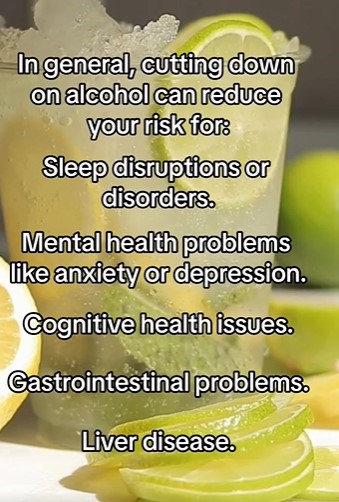
As more people are drinking less, there’s been an uptick in more drink companies creating nonalcoholic options. But it can still be tough to figure out which of these options are healthy. Keep an eye on ingredients like sugar, artificial sweeteners and caffeine. If you're… pic.twitter.com/ijka3qWtlU
As more people are drinking less, there’s been an uptick in more drink companies creating nonalcoholic options. But it can still be tough to figure out which of these options are healthy. Keep an eye on ingredients like sugar, artificial sweeteners and caffeine. If you’re choosing nonalcoholic alternatives, consider options that are low in added sugars and free from unnecessary additives. Consulting a healthcare provider can help ensure your choices support your overall well-being.
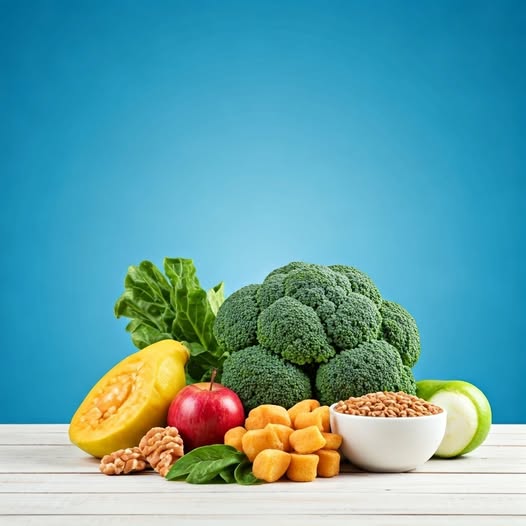
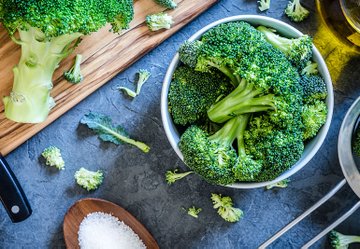
“Eat your broccoli,” may be a familiar refrain from your childhood. Maybe you didn’t love broccoli as a kid, but your parents were onto something. The “little trees” are full of fiber, folate, vitamins and more.
Broccoli is a member of the Brassica genus of plants, also known as the cabbage family. Broccoli’s relatives include Brussels sprouts, cabbage, cauliflower, chard and watercress. Many Brassicas have strong flavors and mix well with meats and other vegetables.
“A pile of steamed broccoli doesn’t appeal to everyone,” recognizes registered dietitian Beth Czerwony, RD, LD. “But broccoli is incredibly versatile and can be used in so many different dishes. Toss it in with your stir fry, chop it fresh in a salad or roast it with your baby potatoes. And with an abundance of nutrients, there are many benefits of eating broccoli.”
It’s worth finding ways to add broccoli to your diet because it’s a health-boosting dynamo. Here’s some motivation for you to get your green on: Some of the beneficial substances in broccoli are somewhat unique to the Brassica family of vegetables. Broccoli provides nutrients that may:
Reduce your risk of cancer.
Help control blood sugar.
Protect your gut.
Boost immunity.
As a superfood status, broccoli can improve your health with these five components:
1. Compounds to reduce cancer risk
“Broccoli offers some powerful molecules that protect your cells from damage,” says Czerwony. “Some of them even destroy cancer cells.”
Detoxify certain substances that promote the growth of cancer cells, which means they don’t remove the substances, but they remove the harmful effects.
Provide antioxidants, which prevent cell damage that can lead to cancer.
Stop the growth and spread of cancer cells.
Support apoptosis, your body’s process for destroying cells that could turn into cancer.
These anticancer molecules are in several of broccoli’s cruciferous veggie relatives, too. These nutrients don’t survive cooking or freezing. So, to get the benefits, raw broccoli is best.
“Some of these compounds are even more concentrated in broccoli sprouts,” notes Czerwony. “You can find broccoli sprouts in health food stores and many grocery stores. Sprouts are also easy to grow at home using a sprouting kit.”
2. Nutrients to help manage blood sugar
Both human and lab studies suggest compounds in broccoli may help lower blood sugar in people with Type 2 diabetes. This effect may be due to the antioxidants in broccoli, like vitamin C.
Research shows that fiber can also help with blood sugar management. At 2.5 grams of fiber per cup, broccoli is a good source of this nutrient.
3. Ligands to protect your gut
In a nonhuman study, researchers found that broccoli can help protect the lining of your small intestine. Compounds found in broccoli, called aryl hydrocarbon receptor ligands, help keep small intestine cells working well.
Why do those cells matter so much? When your small intestine lining is healthy, it only allows water and nutrients to pass through it into your bloodstream.
But when the cells of the lining are damaged, undigested food particles, bacteria and other disease-causing particles may pass through. A damaged small intestine lining can lead to infections and inflammation. It can also prevent you from absorbing the nutrients you need.
4. Vitamin C to boost immunity
Vitamin C is well-studied as an immune-boosting nutrient. When you don’t have enough vitamin C, you’re more likely to get infections.
The antioxidant effects of vitamin C also help your body keep free radicals under control. “Free radical damage is linked to all kinds of problems, including Alzheimer’s disease, autoimmune diseases, cancer, heart disease and Parkinson’s disease,” says Czerwony. When you don’t have enough antioxidants to neutralize free radicals, they damage your cells.
Surprising but true: Broccoli has more vitamin C than oranges. In 1 cup of the green cruciferous veggie, you get a whopping 81 milligrams of vitamin C. That’s 90% of the daily U.S. recommended dietary allowance (RDA) for adults. (An orange has about 70 milligrams.)
5. Nutrients to help heart health
Research suggests certain bioactive compounds in broccoli may boost your heart health in a variety of ways. It may:
Lower triglycerides and LDL (“bad”) cholesterol: “High LDL can lead to fatty deposits on your artery walls, increasing your risk of artery disease, stroke and heart attack,” Czerwony explains. Research shows that eating broccoli can lower triglycerides, a type of fat, as well as LDL.
Reduce calcium buildup in blood vessels: When calcium builds up on your blood vessel walls, it increases your risk of heart attack and stroke. According to research, broccoli can help reduce this calcium buildup.
Is frozen broccoli healthy?
“If you want those anticancer compounds like sulforaphane, choose fresh broccoli,” advises Czerwony. Freezing inactivates sulforaphane.
“Frozen broccoli also loses a bit of its vitamin content. But overall, frozen broccoli is still very healthy. It’s better than not eating any broccoli because you still get a lot of the health benefits,” she continues.
Need some broccoli-inspired meals? Try these easy recipes:
You’re taking cough syrup and lozenges in an attempt to get some relief. But what about using honey for sore throat symptoms? Does this natural home remedy actually work to soothe a sore throat and cough?
In addition to having other symptoms like nasal congestion, fatigue and fever, you may develop a cough.
Honey has a long history of being used as a natural remedy. And one remedy is to soothe sore throats and help alleviate a cough.
“Research shows that honey has some antimicrobial and anti-inflammation properties. Honey can help by decreasing inflammation and irritation in your throat,” explains Dr. Rainbolt. “Another study shows that honey may reduce mucus secretion. So, you can use honey for cough symptoms as well, whether it’s a wet or dry cough.”
Is it safe for children?
Giving honey to a child under 1-year-old isn’t recommended, warns Dr. Rainbolt.
“There’s concern for an infant botulism, a serious illness that’s caused by Clostridium botulinum,” she continues. “While it’s a rare occurrence, honey can contain spores that cause botulism. It attacks the body’s nervous system and children under one are more vulnerable.”
How to use for a sore throat
Most sore throats tend to get better within a week, but during that time, adults can take a spoonful (about 1 teaspoon) of honey for a cough and sore throat.
You can also dilute half a teaspoon to 1 teaspoon of honey in warm water or tea. This method is also recommended for children older than 1.
“You can use it with any kind of herbal tea or warm water with lemon juice, which can be soothing as well,” says Dr. Rainbolt.
So, how often can you use this home remedy? Dr. Rainbolt recommends using honey no more than four or five times a day.
And part of that reasoning is that honey does contain sugar.
“If you’re concerned about your sugar intake, then I recommend using honey more sparingly,” she says. “I would just use it at night to give you some relief before you go to bed.”
And can you use both honey and traditional cold medicine?
Yes, says Dr. Rainbolt.
“If it seems like the honey isn’t helping on its own, then you can certainly do both honey and medication, if medicine is something that you are able to take,” she notes.
Is honey safe to use?
Honey can be a helpful tool for those who can’t take traditional cold medications — for example, children under 6 years old or individuals with health conditions like high blood pressure or cardiovascular disease.
Overall, honey can be a good way to help soothe your sore throat and cough. It doesn’t come with some of the side effects that over-the-counter medications have like drowsiness.
So, can you just buy any honey you see on the grocery store shelf?
Yes, but you might want to make sure it’s been pasteurized. The pasteurization process removes any crystallization and unwanted yeast. It also improves honey’s texture and color, while extending its shelf life.
Dr. Rainbolt also mentions that some people think using local honey, which tends to be unpasteurized or raw, can come with extra benefits.
“There’s a thought that if you use local honey, you are exposed to some of the area’s natural allergens in a positive way,” she explains. “The idea is that it will help with allergies you have.”
The next time your throat starts to tickle, reach for honey and see if it helps.
“Think of honey as a first line of defense for those over 1 year old,” says Dr. Rainbolt. “Honey is something that pretty much everyone can try. And it’s been shown to work as well as some cough suppressant medications. It’s a nice alternative.”



 Cherry blossoms are the national flower of Japan, representing a time of renewal and optimism. We hope our service users and staff are enjoying this pretty view!








 Healthaware