
Craving Movement? These Are The Best 5 Yoga Poses To Do Every Morning
A quick practice to begin your day with ease and joy.
mindbodygreen.com
https://www.mindbodygreen.com/articles/5-yoga-poses-to-practice-first-thing-in-morning

Health is Wealth
https://www.mindbodygreen.com/articles/5-yoga-poses-to-practice-first-thing-in-morning


Yoga JournalVerified account @Yoga_Journal 4 hours ago
Ever notice how a hug seems to make things better? Touch is a powerful and necessary aspect of healing. http://ow.ly/TPR330mRLZ3 .

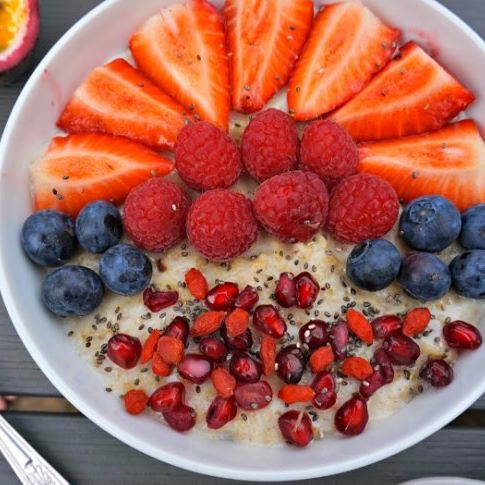
Oats are high in soluble fibre. Beta-Glucan,the water-soluble fibre prevalent in oats has been shown to reduce blood cholesterol. High cholesterol is a risk factor in the development of coronary heart disease.

Chartered Society of PhysiotherapyVerified account @thecsp 37 minutes ago
There are many myths surrounding back pain, read our guide ’10 things you need to know about your back’ with the latest physio advice: http://www.csp.org.uk/yourback #LiveWellforLonger

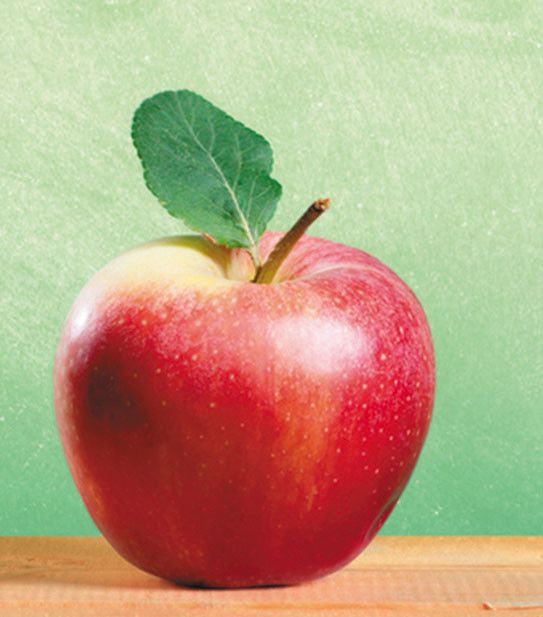
 A modest uptick in the amount of fruit and vegetables you eat can help ward off type 2 diabetes, according to a study published online July 8, 2020, by The BMJ. From a much larger study involving some 340,000 people from eight European countries, scientists selected 9,754 participants who were newly diagnosed with diabetes over a decade. Researchers compared the fruit and vegetable intakes of these people to those of about 13,000 participants who remained diabetes-free during the study period. Researchers also measured blood levels of seven key plant-derived nutrients, including vitamin C and brightly colored antioxidant pigments called carotenoids. People with the highest intakes of fruit and vegetables and the highest blood levels of the plant-derived nutrients were 25% to 50% less likely to get diabetes during the study period, compared with those who ate the least of these food groups or had the lowest nutrient levels. Even better, it didn’t take a whole lot of extra green, red, yellow, and orange on the plate to make a dent in diabetes risk. The equivalent of only two-thirds of a medium apple or just over one-third of a cup of mixed fruit each day offered protection.
Image: © RomoloTavani/Getty Images

St Patrick’s Mental Health Services@StPatricks

 Healthaware