A salad combination you may not have thought of, but will now be hooked on
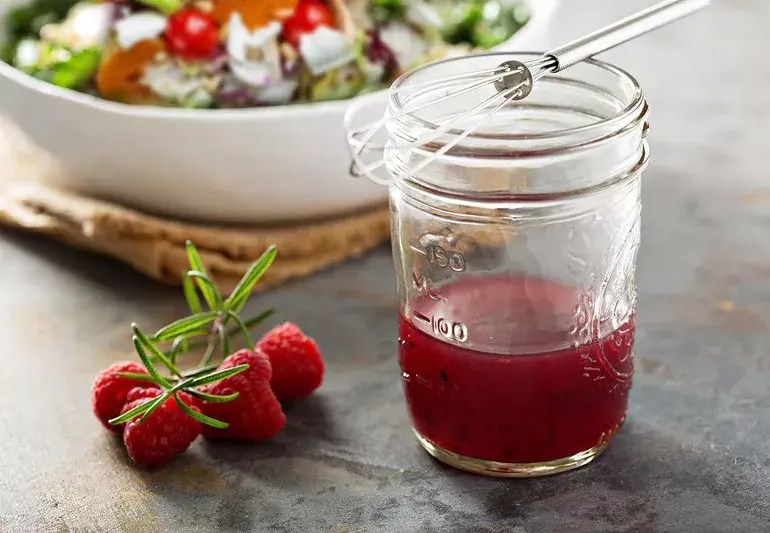
This salad is a perfect addition to a large dinner menu when you have guests over for dinner and have a lot of other dishes to prepare. It’s bright and flavorful, and you can make the dressing a day or two ahead to prep!
Ingredients
Dressing
1 1/2 cups frozen raspberries, thawed 2 to 4 tablespoons orange juice (depending on thickness desired) 1 tablespoon white wine vinegar 1 teaspoon sugar 1 tablespoon orange zest 4 tablespoons chopped fresh chives
Salad
1 pound romaine lettuce, washed, dried and torn into bite-sized pieces 1 pound radicchio, washed, dried, shredded 3 carrots, peeled and grated 1 cup mandarin oranges, drained, patted dry 20 cherry tomatoes, quartered
Directions
Assemble salad ingredients in salad bowl and toss.
Put all ingredients for the dressing in food processor or blender (except for 2 tablespoons chives), and process.
After all is processed, stir in the remaining 2 tablespoons chives.
Pour over salad just before serving and toss.
Nutrition information (per serving)
Calories: 107 Total fat: 0.5 g Saturated fat: 0.1 g Protein: 3 g Carbohydrate: 25 g Fiber: 5.4 g Sodium: 37 mg
—Recipe developed and copyrighted by Kristine Napier, MPH, RD, LD.
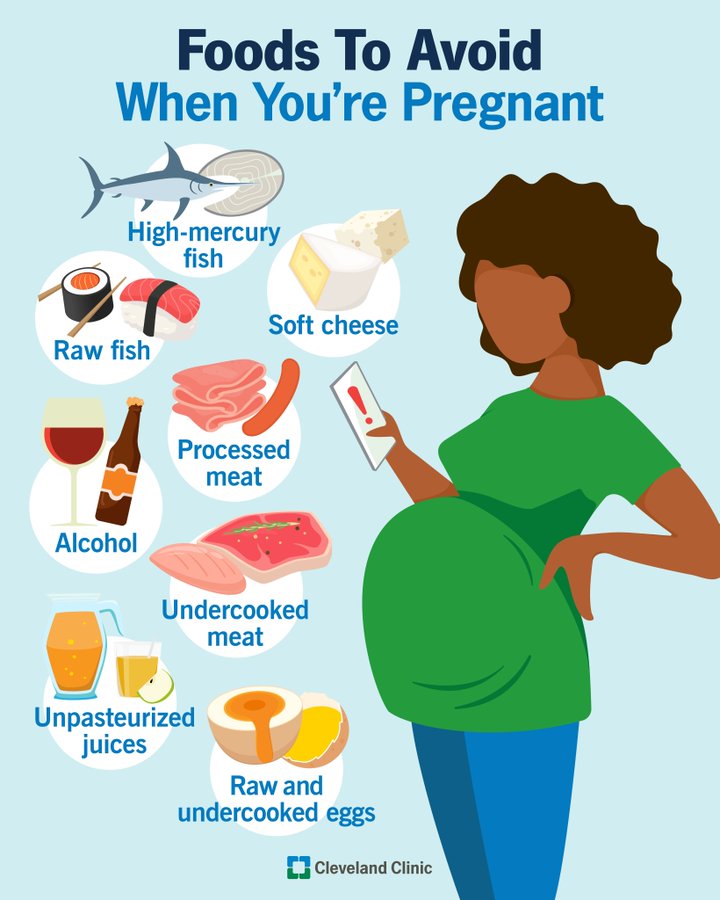
When you’re pregnant, it’s important to eat a healthy diet that provides the nutrients you need. That helps keep you feeling your best and promotes healthy fetal development. But pregnancy also puts you at higher risk for foodborne illness. Some foods and drinks can increase your risk for pregnancy complications. Avoid high-mercury fish and processed meat, and go easy on salt and caffeine.
Measuring how well a person is aging can be as simple as standing on one leg. It may not be easy for everyone to maintain balance on one leg, but according to Mayo Clinic research, it can be a reliable measure of neuromuscular aging. Learn more: https://t.co/3qnOtIyrQrpic.twitter.com/LhHwd70LJL
#DYK competitive #swimmers can rotate their arms up to 2,500 times a day during training? This intense motion can lead to wear and tear, potentially causing rotator cuff and labral damage. Discover the risk factors and essential tips to prevent injury: https://mayocl.in/3I5tdbA
#DYK competitive #swimmers can rotate their arms up to 2,500 times a day during training? This intense motion can lead to wear and tear, potentially causing rotator cuff and labral damage. Discover the risk factors and essential tips to prevent injury: https://mayocl.in/3I5tdbA
As a cardiologist, I am asked almost every day if ‘Alcohol is good or bad for your health?’.
Let’s find out.
Alcohol Is A Toxin.
There is no getting away from the fact that, at its most basic chemical foundation, alcohol is a toxin.
Globally, alcohol is responsible for 3 million deaths per year; in the United States, it is the third leading cause of preventable death¹².
Alcohol is a factor in³:
30% of suicides
40% of fatal burn injuries
50% of fatal drownings
50% of homicides
65% of fatal falls
29% of fatal road traffic accidents
Alcohol is a factor in 1 in 5 emergency department presentations⁴.
No pun intended, but these statistics make for some sober reading.
‘Red Wine Is Good For Your Heart.’
Now come on.
Did you really think that was true?
I have heard this phrase over and over again in my clinical practice.
High levels of exercise are good for your heart, but oddly enough, most people seem to be far less enthusiastic about this approach than regular alcohol consumption.
Let’s see what the data says.
Up until very recently, it was believed that drinking 1-2 drinks per day was actually protective when it came to dying prematurely⁵.
This data was based on observational studies that cannot fully control for all confounders and can therefore not infer causality.
When you examine the people who drink only 1 to 2 drinks per day, you consistently find that they are much less likely to smoke, be overweight or engage in any other risky health behaviours.
So in truth, it probably wasn’t the alcohol that was driving the effect.
More recent studies have attempted to control for this variable more carefully, and the relationship is clear.
The more you drink.
The higher the risk.
Take coronary artery disease. Higher alcohol intake equates to a higher risk.
The same applies to high blood pressure⁶.
The same applies to stroke⁷.
The list goes on⁸:
Atrial fibrillation – Higher risk.
Sudden death – Higher risk.
Heart failure – Higher risk.
Liver, Breast, Colorectal, Oropharyngeal Cancer – Higher Risk⁹.
You get the point.
With all this information to hand, why is it then that I and billions of others continue to drink alcohol?…
Subscribe to Dr Paddy Barrett to unlock the rest.
Become a paying subscriber of Dr Paddy Barrett to get access to this post and other subscriber-only content.











 Healthaware