
Harvard Health
@HarvardHealth
·
Walking even at a “casual” pace five days a week may lower the odds of high blood pressure in postmenopausal women, a new study finds: https://bit.ly/3oyORag #HarvardHealth #WomensHealth

Health is Wealth

The natural at-home remedy can soothe irritation and decrease inflammation
t feels faint at first — there’s a little tickle or scratch at the back of your throat.
Then, it hurts or even burns when you swallow.
Ugh, you’ve got a sore throat, and a cough isn’t far behind.
You’re taking cough syrup and lozenges in an attempt to get some relief. But what about using honey for sore throat symptoms? Does this natural home remedy actually work to soothe a sore throat and cough?
Yes, says family medicine physician Elizabeth Rainbolt, MD.
Dr. Rainbolt explains how honey works and when and how to use it.
It’s common to get a sore throat every now and then. You may have a sore throat due to the following:
In addition to having other symptoms like nasal congestion, fatigue and fever, you may develop a cough.
Honey has a long history of being used as a natural remedy. And one remedy is to soothe sore throats and help alleviate a cough.
“Research shows that honey has some antimicrobial and anti-inflammation properties. Honey can help by decreasing inflammation and irritation in your throat,” explains Dr. Rainbolt. “Another study shows that honey may reduce mucus secretion. So, you can use honey for cough symptoms as well, whether it’s a wet or dry cough.”
Giving honey to a child under 1-year-old isn’t recommended, warns Dr. Rainbolt.
“There’s concern for an infant botulism, a serious illness that’s caused by Clostridium botulinum,” she continues. “While it’s a rare occurrence, honey can contain spores that cause botulism. It attacks the body’s nervous system and children under one are more vulnerable.”
Most sore throats tend to get better within a week, but during that time, adults can take a spoonful (about 1 teaspoon) of honey for a cough and sore throat.
You can also dilute half a teaspoon to 1 teaspoon of honey in warm water or tea. This method is also recommended for children older than 1.
“You can use it with any kind of herbal tea or warm water with lemon juice, which can be soothing as well,” says Dr. Rainbolt.
So, how often can you use this home remedy? Dr. Rainbolt recommends using honey no more than four or five times a day.
And part of that reasoning is that honey does contain sugar.
“If you’re concerned about your sugar intake, then I recommend using honey more sparingly,” she says. “I would just use it at night to give you some relief before you go to bed.”
And can you use both honey and traditional cold medicine?
Yes, says Dr. Rainbolt.
“If it seems like the honey isn’t helping on its own, then you can certainly do both honey and medication, if medicine is something that you are able to take,” she notes.
Honey can be a helpful tool for those who can’t take traditional cold medications — for example, children under 6 years old or individuals with health conditions like high blood pressure or cardiovascular disease.
Overall, honey can be a good way to help soothe your sore throat and cough. It doesn’t come with some of the side effects that over-the-counter medications have like drowsiness.
So, can you just buy any honey you see on the grocery store shelf?
Yes, but you might want to make sure it’s been pasteurized. The pasteurization process removes any crystallization and unwanted yeast. It also improves honey’s texture and color, while extending its shelf life.
Dr. Rainbolt also mentions that some people think using local honey, which tends to be unpasteurized or raw, can come with extra benefits.
“There’s a thought that if you use local honey, you are exposed to some of the area’s natural allergens in a positive way,” she explains. “The idea is that it will help with allergies you have.”
The next time your throat starts to tickle, reach for honey and see if it helps.
“Think of honey as a first line of defense for those over 1 year old,” says Dr. Rainbolt. “Honey is something that pretty much everyone can try. And it’s been shown to work as well as some cough suppressant medications. It’s a nice alternative.”

How Stress Is Linked to High Blood Pressure
Daily stressors can increase BP in the moment, as well as contribute to habits that can feed long-term hypertension
Feeling stressed? If so, you’re hardly alone, given that stress has been called the health epidemic of the 21st century. But have you ever wondered what all this stress means for your blood pressure?
The answer, it turns out, is more complex than you might think. Let’s take a closer look with preventive cardiologist Luke Laffin, MD.
Stressful moments can totally send your blood pressure (BP) skyrocketing. You feel it deep in your core, too, as your heart thumps harder and your nerves jangle with a fight-or-flight response.
“If we’re in a stressful situation, the normal physiologic response is to increase blood pressure,” explains Dr. Laffin. “But your body can handle these sorts of acute changes in blood pressure pretty well.”
And once the immediate stressor is gone, your BP should return to its typical level.
Of course, not all stress clocks out like it’s a shift worker. Chronic stress tends to linger — and that can contribute to a long list of physical symptoms, including high blood pressure (hypertension).
Researchers don’t know as much about the direct effects of long-term stress on blood pressure. But they do know that stress can impact lifestyle habits and increase your risk of heart disease and other chronic health issues.
“Stress itself doesn’t necessarily cause sustained elevations in blood pressure,” says Dr. Laffin. “But it often has an impact on lifestyle factors, which can absolutely contribute to long-term elevations in blood pressure.”
When you’re chronically stressed, you can fall into habits that can lead to higher blood pressure and increase your risk of heart disease. These include:
It can be difficult to see when acute stress transitions to chronic stress. But seemingly “temporary” stressors that last for weeks can turn into chronic stressors that need to be addressed for the sake of your heart health.
“What we’re really worried about is chronically elevated blood pressure,” states Dr. Laffin.
Finding ways to better manage your stress can help keep your blood pressure from rising and staying at elevated levels, suggests Dr. Laffin. He suggests:
Medications like beta-blockers may also be an option if stress seems to be driving blood pressure into danger zones. Antihypertensives can help bring down high blood pressure, too.
“But managing stress-related hypertension usually comes down to lifestyle,” clarifies Dr. Laffin. “Diet, exercise, sleep — those are all factors that play a big role in keeping your heart healthy.”
Harvard HealthVerified account @HarvardHealth
The best medicine for back pain may be good old-fashioned movement and exercise. http://bit.ly/2TArb8A #HarvardHealth #exercise


This savory Greek appetizer is usually made with a lot of butter and a lot of feta cheese, which is delicious, but not really heart-healthy. Our just-as-delicious recipe offers a lighter, heart-healthier alternative!
Makes 20 pieces (10 servings/2 pieces serving)
Calories: 50
Total fat: 1.5 g
Protein: 3 g
Carbohydrate: 7 g
Dietary fiber: 0 g
Cholesterol: 0 mg
Sodium: 180 mg
Potassium: 60 mg
— Cleveland Clinic Healthy Heart Lifestyle Guide and Cookbook (© 2007 Broadway Books).

·
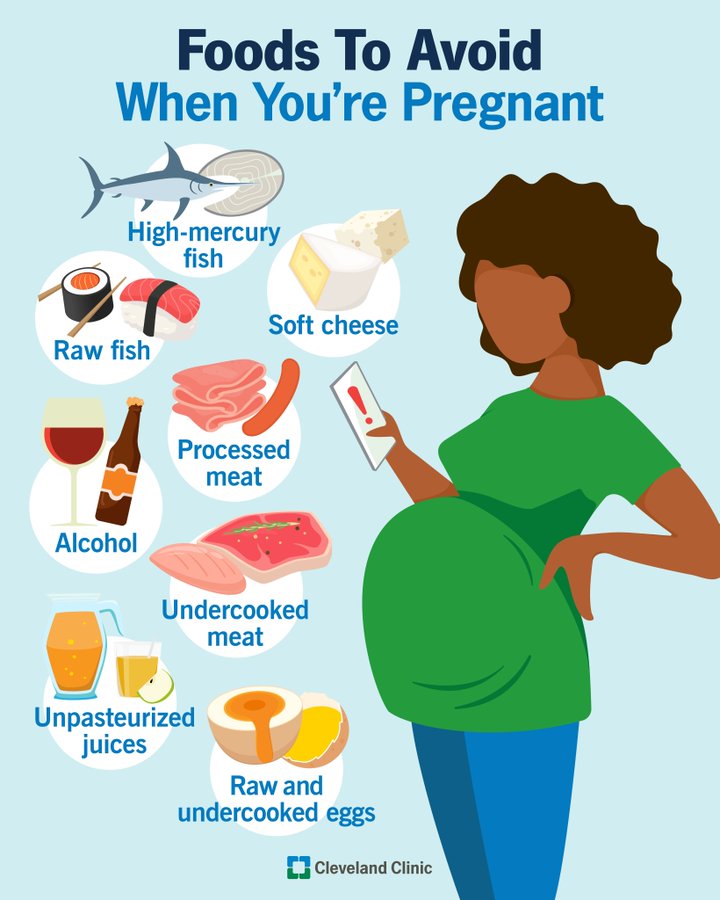
When you’re pregnant, it’s important to eat a healthy diet that provides the nutrients you need. That helps keep you feeling your best and promotes healthy fetal development. But pregnancy also puts you at higher risk for foodborne illness. Some foods and drinks can increase your risk for pregnancy complications. Avoid high-mercury fish and processed meat, and go easy on salt and caffeine.

The @WaterfordGrnWay was declared the most idyllic escape in Ireland by @TelegraphUKnews “A new wave of superb walking & cycling routes. Travel south & west through the heart of #Waterford the Comeraghs to the north & @CCUGeopark to the south https://bit.ly/2nyPbXX #MunsterVales

Registered dietitian Lara Whitson, RD, LD, shares how watermelon is actually healthy for you, along with five watermelon recipes.
Watermelon is 92% water. No surprise there, considering it’s in the name. But more than keeping you hydrated during hot summer days, watermelon has a number of other health benefits. It’s packed with antioxidants like lycopene that can help protect against chronic diseases like diabetes and cardiovascular disease.
And when eaten regularly as part of a healthy balanced diet, it can help make you feel fuller longer. With a low amount of calories, sodium and cholesterol, alongside higher amounts of calcium, vitamin C and magnesium, watermelon is one fruit you don’t want to miss out on year-round. Even the rind and its seeds offer some benefits.
“You can stir-fry the rinds with other vegetables and add spices to the seeds, like you might do with pumpkin seeds, for an easy and healthful snack,” says Whitson.
This shaved ice dessert gets a fruity twist with watermelon chunks. It also pulls in star ingredients like fresh lime juice and basil leaves, which offer their own health benefits for a refreshing mid-afternoon sweet escape.

Calorie-conscious dishes can still go big on flavor. This refreshing salad, perfect for picnics and cookouts, pairs watermelon with tomatoes bountiful in benefits, alongside red wine vinegar, fresh mint, almonds and feta cheese.

This is just one of several ways to crank up your chill summer drinks: Puree 1-1 1/2 cups chopped watermelon with 1 cup ice and a little water or fresh juice for a sip-worthy smoothie as you soak in the sun.

This recipe doubles down on the use of veggies by incorporating beefsteak tomatoes, cucumber, a fresh ear of corn and basil, along with a hearty serving of watermelon for a subtly sweet finish.

Not only is this sweet snack filling, but it also puts a dessert-like twist on classic Vietnamese and Thai spring rolls. By wrapping julienned watermelon, green apple and pineapple in spring roll wrappers made from rice paper, and creating a dipping sauce with Greek yogurt and tahini, this recipe makes for a great palate cleanser for any summer cookout.


 Healthaware