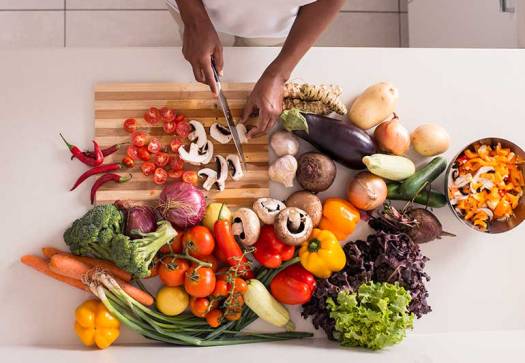
On World Health Day, we are emphasising the importance of proactive health management through informed dietary choices. Nutrition plays a critical role in preventative care, supporting overall well-being and mitigating the risk of chronic diseases.
Adopting a balanced and personalised approach to dietetics can significantly contribute to improved health outcomes.
Our team of experienced dietitians provides comprehensive nutritional assessments and tailored plans to meet individual needs. We are committed to empowering individuals to take control of their health through evidence-based dietary strategies.
Learn more about our Dietetics & Nutrition services and how we can support your health goals: https://ow.ly/mp0q50VsnLX
March is Endometriosis Awareness Month. Did you know this condition affects 1 in 10 women?
Endometriosis can cause debilitating pain, fertility issues, and significantly impact quality of life.
Megan Davenport, MISCP, Senior Physiotherapist in Pelvic Health at Blackrock Clinic, sheds light on the condition and its symptoms:
“Endometriosis can affect women at any age, from puberty to menopause, though its impact may persist throughout life. It is not just “bad period pain”—it is a long-term condition, and each person’s experience with endometriosis is different.
Women with endometriosis experience a wide range of symptoms, with the most commonly recognised including:
– Heavy periods (needing to change pads/tampons every hour or so)
– Painful periods that interfere with daily activities
– Pelvic, abdominal or back pain, sometimes radiating down the thighs
– Pain during or after sex
– Pain with urination or having a bowel motion
Fatigue, bloating and nausea can also be experienced as well as anxiety and depression.
Physiotherapists rarely get a mention, but they improve the lives of millions of people every single year and so many of us would struggle without them. Huge thanks to every single one of you.
Kickstart your New Year’s health resolutions this month with these top nutrition tips from our Senior Dietitians at Blackrock Health Hermitage Clinic. Prioritise your health this year by following some simple guidelines:
– Prioritise whole foods: Swap processed snacks for nourishing, nutrient-dense snacks such as nuts and dried fruits, fruit and yogurt, cheese and crackers, nutty flapjacks, oat snacks. When opting for convenience snacks be aware of the ingredient list, some snacks which may label themselves as ‘healthy’ alternatives may have a long list of ingredients, generally the more whole ingredients and the shorter the list the better!
– Stay hydrated: Start each day with a glass of water and aim for 8 glasses throughout the day. Proper hydration is key for energy and overall well-being.
– Limit alcohol: Alcohol dehydrates and can cause fatigue which leads to poorer food choices as well as negatively impacting overall health. Swap alcoholic drinks for non-alcoholic alternatives where possible and aiming for at least three alcohol free days per week.
– Stay active: Incorporating some daily movement (outside if possible) will support overall mood, energy levels and health.
– Plan ahead: Try not let busy schedules derail your healthy eating goals. Meal prepping, batch cooking and planning snacks will help you stay on track.
At Blackrock Health, our Dietetics and Clinical Nutrition department is made up of Registered Dietitians who help manage and support a variety of nutritional and medical concerns to patients across our clinics.
The health of mothers and babies is the foundation of healthy families and communities, helping ensure hopeful futures for us all.
World Health Day, celebrated on 7 April 2025, will kick off a year-long campaign on maternal and newborn health. The campaign, titled Healthy beginnings, hopeful futures, will urge governments and the health community to ramp up efforts to end preventable maternal and newborn deaths, and to prioritize women’s longer-term health and well-being.
WHO and partners will also share useful information to support healthy pregnancies and births, and better postnatal health.
This task is critical. Tragically, based on currently published estimates, close to 300 000 women lose their life due to pregnancy or childbirth each year, while over 2 million babies die in their first month of life and around 2 million more are stillborn. That’s roughly 1 preventable death every 7 seconds.
Based on current trends, a staggering 4 out of 5 countries are off track to meet targets for improving maternal survival by 2030. 1 in 3 will fail to meet targets for reducing newborn deaths.
Listening to women and supporting families
Women and families everywhere need high quality care that supports them physically and emotionally, before, during and after birth.
Health systems must evolve to manage the many health issues that impact maternal and newborn health. These not only include direct obstetric complications but also mental health conditions, noncommunicable diseases and family planning.
Additionally, women and families should be supported by laws and policies that safeguard their health and rights.
Campaign goals
To raise awareness about gaps in maternal and newborn survival and the need to prioritize women’s longer-term well-being.
To advocate for effective investments that improve the health of women and babies.
To encourage collective action to support parents as well as health professionals who provide critical care.
To provide useful health information relating to pregnancy, childbirth, and the postnatal period.
Get involved
Here’s what you can do to support the campaign:
Spread awareness: share information about the campaign using #HopefulFutures and #HealthForAll.
Participate: attend our global events to learn more about what it will take to end maternal and newborn mortality.
Donate: contribute to the WHO Foundation which supports WHO’s work to protect mothers and babies in countries around the world.







 Healthaware