Check more ayush jobs and news at ayushlive.com #ayushlive⠀
⠀
Reposting @yoga_fundamentals: ⠀
…⠀
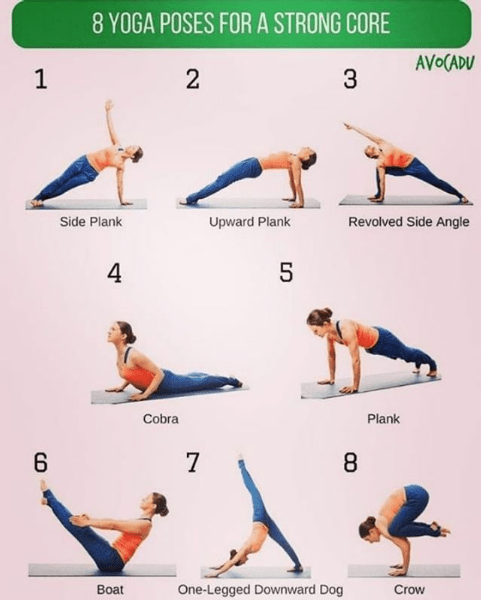
“A strong core is essential to yoga. These are some supplemental yoga poses to add to your routine. Having a strong core will also support your posture. ⠀
Click the link in the bio to lose weight and get fit with yoga.⠀
⠀
Picture credit to: @avocadu_ ❤💕🙏 Follow @yoga_fundamentals and tag us for a chance to get featured.⠀
Staying hydrated is one of the most important things you can do for your overall health. It’s an easy way to help your body run like it should. pic.twitter.com/PU5LTjRwhR
Are your kids interested in sports or just want to feel stronger? Strength training can be safe and beneficial for children when it is done the right way. Light weights, proper form and age appropriate guidance matter. Curious about when kids can start and how to keep it safe?
Strength training: OK for kids?
Strength training offers kids many benefits, but there are important warnings to keep in mind. Here’s what you need to know about youth strength training.By Mayo Clinic Staff
Strength training for kids? Great idea! Done right, it offers many benefits to young athletes. Strength training is good even for kids who just want to look and feel better. In fact, strength training might put your child on a lifetime path to better health and fitness.
Strength training, not weightlifting
Don’t confuse strength training with weightlifting, bodybuilding or powerlifting. Trying to build big muscles can put too much strain on young muscles, tendons and areas of cartilage that haven’t yet turned to bone, called growth plates. Also, being more focused on lifting large amounts of weight than on form can make strength training riskier.
For kids, light weights and controlled movements are best. Using good form and being safe are most important.
Children can do many strength training exercises using their own body weight or resistance tubing. Free weights, machine weights and medicine balls are other options. But keep in mind that some equipment designed for adults might be too large for many children.
What can kids get out of strength training?
Done right, strength training can:
Increase children’s muscle strength.
Help protect children’s muscles and joints from sports injuries.
Help children do better in nearly any sport.
Teach children proper form.
Keep in mind that strength training isn’t only for athletes. Even for children who don’t want to play sports, strength training can:
Strengthen bones.
Help promote healthy blood pressure and cholesterol levels.
Help maintain a healthy weight.
Help kids feel good about themselves.
Increase physical activity overall.
When can a child begin strength training?
During childhood, being active improves kids’ body awareness and control and their balance. Strength training can become a part of a fitness plan as early as age 7 or 8.
Younger children who start sports activities such as baseball or soccer also might benefit from strength training. To strength train, children should be able to follow directions and practice proper form.
The Department of Health and Human Services says that school-age children should get 60 minutes or more of daily activity. As part of this activity, muscle- and bone-strengthening exercises are suggested at least three days a week.
For children who have an interest in strength training, remind them that strength training is meant to increase muscle strength and endurance. Increasing muscle size, also called bulking up, is something else.
You might also check with your child’s healthcare professional for the OK to begin a strength training program. Be sure to check with your child’s healthcare professional if your child has a known or suspected health problem, such as a heart condition, high blood pressure or seizures.
What’s the best way to start a strength training program for kids?
A child’s strength training program isn’t just a scaled-down version of an adult program. Here are some things you can do to help your child train safely:
Talk with a professional. Start with a coach or personal trainer who has worked with youth to strength train. The coach or trainer can create a safe strength training program that works based on your child’s age, size, skills and sports interests. Or enroll your child in a strength training class for kids.
Keep watch. Don’t let your child strength train alone. It’s important to have an adult who knows how to strength train oversee your child’s program.
Keep it fun. Help your child vary the routine to prevent boredom.
Urge your child to:
Warm up and cool down. Your child should begin each strength training session with 5 to 10 minutes of light aerobic activity. This could be walking, jogging in place or jumping rope. This warms the muscles and prepares them for harder activity. Each strength training session should be followed with 10 to 15 minutes of light aerobic activity and gentle stretching. This helps keep blood flowing to the muscles during recovery.
Keep it light. Kids can safely lift light adult-size weights. Children can try to do one or two sets of 8 to 12 repetitions with good form. If they can’t do 10 repetitions, the weight might be too heavy.
Focus on good form. Form and technique are more important than the amount of weight your child lifts. Children can increase the resistance or number of repetitions little by little as they build strength.
Rest between workouts. Make sure your child rests at least one full day between exercising each major muscle group. Major muscle groups are the legs, hips, back, abdomen, chest, shoulders and arms.
Results won’t come overnight. But in time, your child will have more muscle strength and be able to work the muscles harder
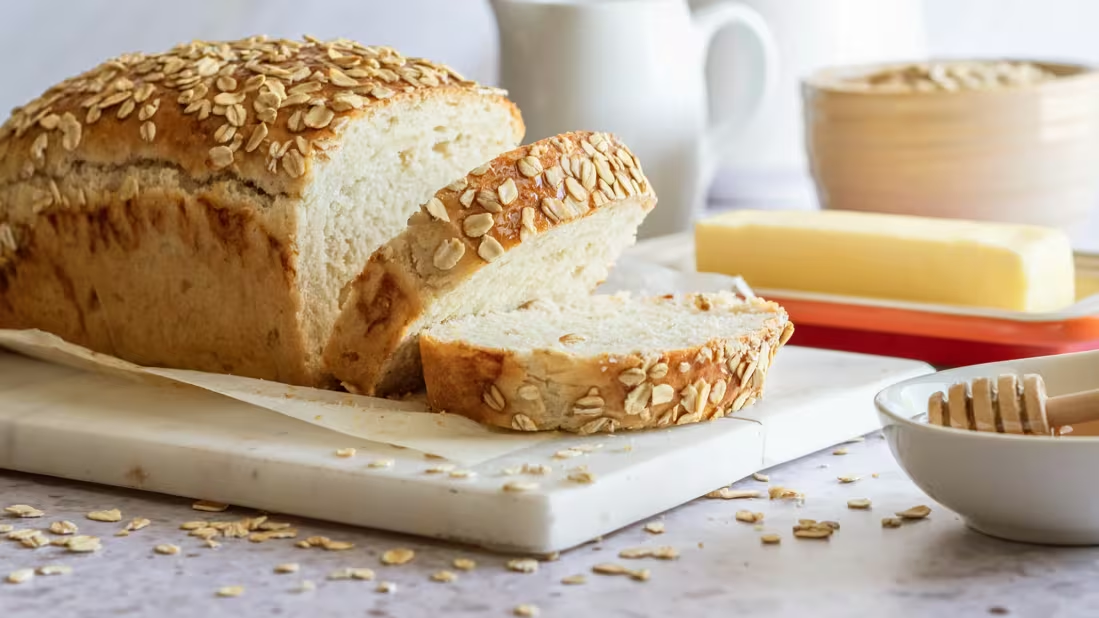
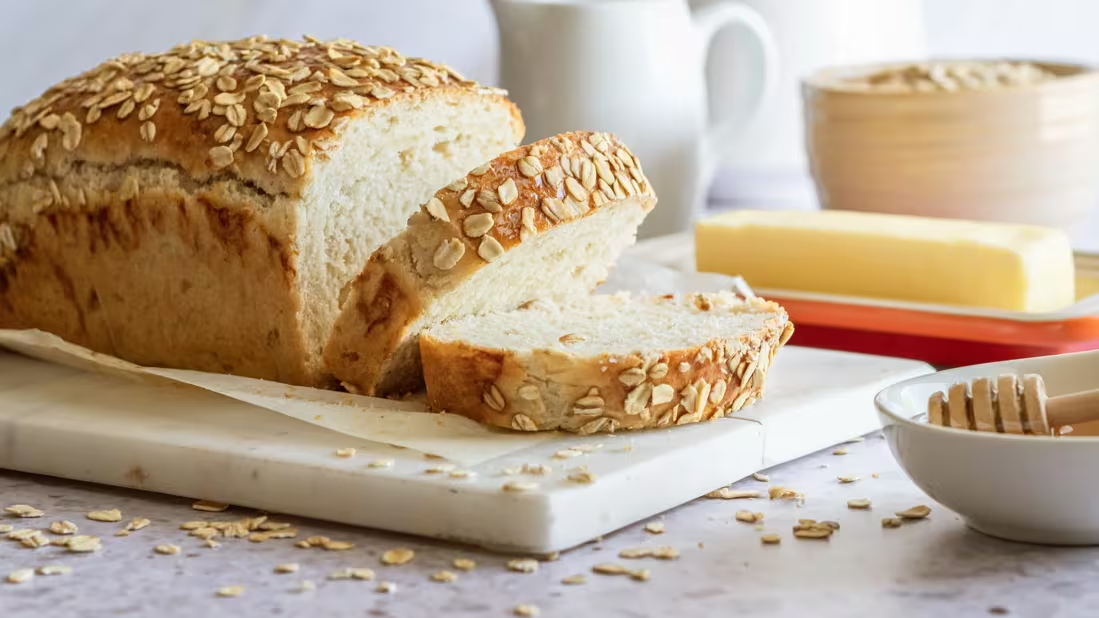
Whether you prefer to knead and bake it in the oven or use your bread machine, this recipe will be a family favorite. Oats and honey add flavor to traditional bread, giving it an extra kick your family will love. The quick oats are healthy and add texture, and the slight honey-sweet taste is sure to please!
2 packets of active dry yeast (or 1 1/2 tablespoons)
3/4 cup quick-cooking oats and additional for garnish
1/3 cup honey
3 tablespoons vegetable oil
2 1/2 teaspoon salt
5 cups (approximately) all-purpose flour, or try a 50/50 white and wheat blend for added flavor
1 large egg
Directions
In a microwave, heat the almond milk for 1 minute and 40 seconds to be very hot. Let sit to reduce temperature to 100 to 110 F.
In a stand mixer or large bowl, add the hot milk. Stir in beaten egg, honey, oil and salt. Add the yeast until fully mixed.
Slowly add in the flour and oats to the large bowl of liquid mixture and mix on low. You should use a bread attachment if using a stand mixer.
Coat another large bowl with oil. Transfer the dough to the bowl and turn it to coat.
Cover with plastic wrap (spray with cooking spray first to keep it from sticking to the dough), then cover with a kitchen towel and let rise at room temperature until doubled in volume, about 1 hour.
Oil two 8 1/2-inch x 4 1/2-inch x 2 1/2-inch loaf pans.
Punch down the dough; shape into two loaves. Place one loaf in each pan. Cover and let rise in a warm, draft-free area until almost doubled in volume, about 20 minutes.
Preheat oven to 350 F.
Sprinkle with additional oats for garnish.
Bake until brown on top and tester inserted into center comes out clean, about 40 minutes. Cool completely.
Ingredient health benefits
Olive oil: This cooking oil is as ancient as it is nutritious! Olive oil is loaded with unsaturated fats that help raise your “good” (HDL) cholesterol while lowering your “bad” (LDL) cholesterol. And they’re not the only heart-healthy compounds in town: Polyphenols help lower inflammation that can lead to certain health conditions in the long term, like cancer and heart disease. Olive oil also has fat-soluble vitamins like vitamins D and K for strong bones and muscles and healthy blood cells.
Almond milk: A vegan-friendly dairy alternative, almond milk is a good source of vitamin E. This essential vitamin is famous for promoting your skin health, but it protects your eyes and immune system from disease as well. Almond milk is also a lower-calorie option compared to cow’s milk, if that’s something you want to keep an eye on.
Oats: When it comes to whole grains, oats just may be the GOAT (grain of all time). They’re packed with digestion-friendly fiber and vitamin B5 (pantothenic acid) to help lower your cholesterol levels, making them a smart choice for your heart. Oats also have magnesium, phosphorus, iron and copper, and they’re high in manganese. These minerals are important for supporting the health of your bones and blood cells. You can also count on vitamin B1 (thiamine) and zinc to keep your immune cells in peak condition.
Honey: It’s not just a sweet deal for your taste buds! Honey is full of antioxidants like polyphenols and flavonoids, which help protect your cells from harm. They do this by fighting inflammation and free radicals, tiny particles that damage your cells and contribute to disease if left unchecked.
Eggs: They’re easy to add to just about any recipe, but are eggs really all they’re cracked up to be? The answer is yes! Scrambled or sunny side up, eggs are a meat-free complete protein, meaning that they have you covered for all the amino acids you need and can’t make by yourself. They also have lutein, vitamin A, vitamin E and vitamin B12 — all of which are excellent for your eyes and vision! And last but not least, there’s vitamin B9 (folate) for head-to-toe health.
Nutrition information (per serving)
Serving = 2 slices Each loaf makes about 16 slices
Calories: 100 Protein: 2.2 g Carbohydrates: 16 g Fat: 2.2 g (0.7 g saturated fat) Calcium: 6 mg
Intuitive eating is an approach to food that focuses on identifying and trusting your hunger cues. Studies show that it’s associated with: – Positive body image and self-esteem – Lower rates of disordered eating – Higher general well-being Intuitive eating isn’t a free-for-all —… pic.twitter.com/I7IYddV90a
A modest uptick in the amount of fruit and vegetables you eat can help ward off type 2 diabetes, according to a study published online July 8, 2020, by The BMJ. From a much larger study involving some 340,000 people from eight European countries, scientists selected 9,754 participants who were newly diagnosed with diabetes over a decade. Researchers compared the fruit and vegetable intakes of these people to those of about 13,000 participants who remained diabetes-free during the study period. Researchers also measured blood levels of seven key plant-derived nutrients, including vitamin C and brightly colored antioxidant pigments called carotenoids. People with the highest intakes of fruit and vegetables and the highest blood levels of the plant-derived nutrients were 25% to 50% less likely to get diabetes during the study period, compared with those who ate the least of these food groups or had the lowest nutrient levels. Even better, it didn’t take a whole lot of extra green, red, yellow, and orange on the plate to make a dent in diabetes risk. The equivalent of only two-thirds of a medium apple or just over one-third of a cup of mixed fruit each day offered protection.
#MayoClinicRecipes: Smoked #Gouda and vegetable poached #EggSandwich —Try this great sandwich for breakfast or a brunch this weekend. You can also roast peppers by placing them directly over a gas burner or grill for 5 to 10 minutes. Enjoy! https://mayocl.in/2umGUda










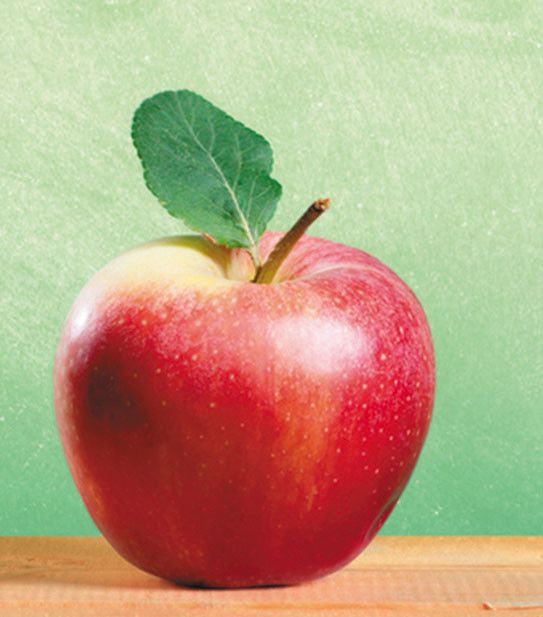
 A modest uptick in the amount of fruit and vegetables you eat can help ward off type 2 diabetes, according to a study published online July 8, 2020, by The BMJ. From a much larger study involving some 340,000 people from eight European countries, scientists selected 9,754 participants who were newly diagnosed with diabetes over a decade. Researchers compared the fruit and vegetable intakes of these people to those of about 13,000 participants who remained diabetes-free during the study period. Researchers also measured blood levels of seven key plant-derived nutrients, including vitamin C and brightly colored antioxidant pigments called carotenoids. People with the highest intakes of fruit and vegetables and the highest blood levels of the plant-derived nutrients were 25% to 50% less likely to get diabetes during the study period, compared with those who ate the least of these food groups or had the lowest nutrient levels. Even better, it didn’t take a whole lot of extra green, red, yellow, and orange on the plate to make a dent in diabetes risk. The equivalent of only two-thirds of a medium apple or just over one-third of a cup of mixed fruit each day offered protection.