Blood pressure, cholesterol, alcohol, diabetes, smoking, overweight, stress and sleep all affect the risk of developing heart disease. Learn more about your modifiable risks and help protect your heart here.
Risk Factors For Heart Disease & Stroke A risk factor is anything that raises a person’s chance of developing heart disease and stroke. There are two types of risk factor, … Risk Factors Read More »
Registered dietitian Lara Whitson, RD, LD, shares how watermelon is actually healthy for you, along with five watermelon recipes.
Is watermelon healthy?
Watermelon is 92% water. No surprise there, considering it’s in the name. But more than keeping you hydrated during hot summer days, watermelon has a number of other health benefits. It’s packed with antioxidants like lycopene that can help protect against chronic diseases like diabetes and cardiovascular disease.
And when eaten regularly as part of a healthy balanced diet, it can help make you feel fuller longer. With a low amount of calories, sodium and cholesterol, alongside higher amounts of calcium, vitamin C and magnesium, watermelon is one fruit you don’t want to miss out on year-round. Even the rind and its seeds offer some benefits.
“You can stir-fry the rinds with other vegetables and add spices to the seeds, like you might do with pumpkin seeds, for an easy and healthful snack,” says Whitson.
Watermelon basil granita
This shaved ice dessert gets a fruity twist with watermelon chunks. It also pulls in star ingredients like fresh lime juice and basil leaves, which offer their own health benefits for a refreshing mid-afternoon sweet escape.
Watermelon, tomato and herb salad with feta
Calorie-conscious dishes can still go big on flavor. This refreshing salad, perfect for picnics and cookouts, pairs watermelon with tomatoes bountiful in benefits, alongside red wine vinegar, fresh mint, almonds and feta cheese.
Fresh watermelon fruit smoothie
This is just one of several ways to crank up your chill summer drinks: Puree 1-1 1/2 cups chopped watermelon with 1 cup ice and a little water or fresh juice for a sip-worthy smoothie as you soak in the sun.
Watermelon salad with cucumber, tomato and almonds
This recipe doubles down on the use of veggies by incorporating beefsteak tomatoes, cucumber, a fresh ear of corn and basil, along with a hearty serving of watermelon for a subtly sweet finish.
Fruit salad spring rolls
Not only is this sweet snack filling, but it also puts a dessert-like twist on classic Vietnamese and Thai spring rolls. By wrapping julienned watermelon, green apple and pineapple in spring roll wrappers made from rice paper, and creating a dipping sauce with Greek yogurt and tahini, this recipe makes for a great palate cleanser for any summer cookout.
clevelandclinic Verified Whether you’re in a public pool or in open waters, experts always come back to the same critical piece of advice: Stay vigilant. 🏊♂️ 🛟 Drowning prevention often comes down to knowing where children are at all times. It may seem excessive, but this is the main way to prevent a drowning event, especially in young children. #ClevelandClinicChildrens
Link in bio for even more swim safety tips. Edited · 18h
Check-in with your care team, and focus on low-impact exercises and walking for good gains
If you’re living with advanced prostate cancer, you might be wondering exactly how far you should push yourself when it comes to physical activity and exercise. Should you take it easy and hold back? Or should you try to maintain your exercise routine?
And if you’ve had your prostate surgery or your prostate removed (prostatectomy) you may be concerned about any sort of limitations or restrictions on specific exercises to avoid further pain or injury.
Occupational therapist Maria Pickston, OTR/L, CLT, reminds us that each person’s medical history and cancer treatment is unique. So, before beginning any exercise program during recovery, it’s essential to obtain clearance from your oncologist or healthcare team.
Pickston shares some additional insight on how exercise can help with the process of recovery and why exercise is so important overall.
Importance of exercise for prostate health
Your prostate is part of your pelvic floor, an area densely populated with a group of muscles and connective tissues that support the functions of your bowel, bladder and reproductive organs. Your pelvic floor muscles also aid your abdominals (core muscles) and back muscles in providing structural stability to your spine.
When we talk about prostate health, we’re most often talking about modifiable risk factors, which are the things you can do to reduce the likelihood of developing prostate cancer. But if you’re living with prostate cancer, focusing on your overall health is key and exercise is a big part of that.
“When you put the words ‘cancer’ and ‘exercise” together, it can feel like such a road block because it sounds counterintuitive to be exercising when you’re going through cancer treatment,” says Pickston.
“Years ago, people were told not to exert themselves and to take it easy. But in the last 20-plus years, we’ve had an explosion of research supporting the benefits of physical activity for cancer survivors and how exercise can improve the symptoms and side effects of chemotherapy and radiation therapy.”
Exercise can have a huge impact on your physical, mental and emotional health and increase your energy levels — all things that tend to be affected when you have surgery or are going through cancer treatments.
“Prostate cancer treatment can lead to several side effects like loss of muscle mass and physical strength, sexual dysfunction, reduced bone density, increased fatigue, and a higher risk of heart disease and diabetes,” explains Pickston.
Exercise plays a vital role in tackling these challenges and enhancing the physical outcomes of treatment.
“Current research demonstrates that exercise is safe and beneficial before, during and after cancer treatment as it improves energy levels and the overall quality of life, enabling individuals to continue enjoying the activities they love,” notes Pickston. “A physically active lifestyle not only helps in lowering the risk of various cancers, but also reduces the risk of recurrence in some cancers, including prostate cancer.”
Translation: Once you check in with your care team, don’t let your cancer diagnosis stop you from working out.
How often should you exercise to promote prostate health?
If you’re living with prostate cancer, are going through cancer treatment or have had a prostatectomy, you want to talk to your healthcare provider first to before you begin any exercise program as you may need to adhere to certain precautions during those first few weeks of recovery.
There’s no one set exercise that specifically focuses on prostate health — but if you focus on improving your overall health, increasing your heart rate, improving your blood flow and getting those endorphins going, you’ll find that those things will have significant positive impact on how you’re feeling overall and your ability to recover from your condition and treatment.
“Individuals who are physically fit or active before their cancer diagnosis are more likely to regain their previous level of functioning compared to those who lead a more sedentary lifestyle,” says Pickston.
“In oncology rehabilitation, personalized programs are designed to cater to each individual’s unique circumstances. Special considerations are taken into account, including your medical history, current fitness level, the type and stage of your cancer, and the specific cancer treatment you are having to ensure that the rehab process is both safe and effective.”
Everyone responds to cancer and cancer treatments differently. What works for someone else might not come as easily for you — and that’s OK.
“Each individual’s journey is different, and your focus should be on finding an approach that suits your specific needs and abilities, fostering progress and overall well-being,” encourages Pickston.
And don’t feel like you have to push yourself too hard — you can, and should, rest when you need it the most. Exercise doesn’t always have to be a one-hour routine, either. It can be as simple as standing up and stretching during commercial breaks, walking to the end of your driveway and back, or making sure you keep up with your daily living activities around the house like laundry, cleaning and showering.
“Just the act of walking or going up and down the stairs is something you can immediately do when you get home after prostate surgery,” says Pickston. “Be patient with yourself and avoid pushing to the point of pain or excessive discomfort or fatigue. If it’s been a while since you’ve been active or your overall fitness level is low, start slowly and gradually build. The key is to be as physically active as your current condition and abilities allow.”
Aerobic exercise for prostate and sexual health
Specifically, aerobic exercise (also known as cardiovascular exercise) has wide-ranging full-body benefits that can impact your heart, brain, joints, skin and muscles. It not only extends your life expectancy, but it can also decrease your blood pressure and heart rate, and increase your blood flow, which has a direct impact on your sexual function, mood, digestion and more.
Again, if you can’t hit the ground running that fast, you can do small things to work your way back up to that routine.
“Think about all the physical activity you can do like playing with your grandkids, dancing, gardening, carrying groceries or doing chores around the house. But it’s even better if you begin to incorporate intentional exercises like brisk walking, swimming and weightlifting,” says Pickston.
“It’s crucial for those undergoing treatment to understand that exercise is the best way to treat cancer-related fatigue. As your strength and fitness improves, you can engage in meaningful activities more easily.”
One specific side effect mentioned earlier is loss of bone density, which can lead to osteoporosis, a condition where the bones become weak, less dense and more likely to increase your risk of fractures. Weight bearing exercises such as weight training, yoga, Pilates and climbing stairs are ideal for preventing bone density loss.
“Starting slowly with light weights and gradually increasing the load is key to avoid pushing too hard and experiencing pain or exhaustion,” advises Pickston. “With time and consistency, you will notice improvements in your fatigue, strength and overall health, fitness and endurance.”
Caution for cycling as exercise
Cycling is an excellent aerobic exercise, but it’s one you might want to hold off from doing at least in the early weeks after having prostate surgery. The reason is because you tend to put a lot of pressure on your sit bones and your pelvic area while cycling, and this can cause discomfort, pain and swelling if you’re not fully healed.
“You need to be sure you are cleared by your physician before initiating cycling for any amount of time first,” says Pickston. “Once you receive clearance, there are various bike seats and bike shorts available to help cushion or accommodate the perineal area, alleviating some of that pressure.”
Kegel exercises
After having prostate surgery, it’s common to experience side effects like urinary leakage and erectile dysfunction. Kegel exercises specifically are designed to help strengthen your pelvic floor muscles and reduce the likelihood of those side effects from happening as well as help quicken recovery from those side effects. These exercises are also often recommended for some people before even having surgery so their pelvic floor muscles start off having a strong foundation before going into surgery.
“Your pelvic floor is often compromised after prostate cancer treatment because surgical or radiation treatment can damage the surrounding tissues, including the muscles of the pelvic floor,” explains Pickston. “When the pelvic floor muscles are compromised, it can lead to weakness, pain and dysfunction. Seeking help from a pelvic floor physical therapist can address these issues.”
It’s also common to experience muscle tightness in your pelvic floor and surrounding muscles after treatment, and doing Kegels without proper guidance can worsen this tightness.
“A pelvic floor therapist will help to make sure you are performing your Kegels correctly and help guide you in managing areas of muscle tightness in your pelvic floor,” says Pickston. “Learning how to engage the pelvic floor muscles correctly during daily activities can significantly reduce leakage. Sometimes, just a few simple adjustments in movement can lead to dramatic improvement.”
Healthy weight and prostate health
Having overweight or obesity increases your risk for prostate cancer — but it can also provide additional complications during the recovery process in some cases.
“If you’ve had a prostatectomy, it’s normal to experience emotional ups and downs, but the important thing is that you focus on what small things you can do each day, to feel better every day,” says Pickston. “Physical activity improves both your physical and emotional health. It’s important for managing weight, maintaining or building muscle, reducing your risk of heart disease and keeping your bones strong.”
“You want to get up, go outside and see what’s going on in your neighborhood,” encourages Pickston. “When you start exercising, your sleep improves. When your sleep improves, you’re able to heal better. And the more you can do early on, the more long-term effects you’ll experience along the way.”
Why Your Lower Back Pain Is Worse in the Morning (and What To Do About It)
Your sleep position, immobility, mattress and underlying conditions can all cause morning back pain
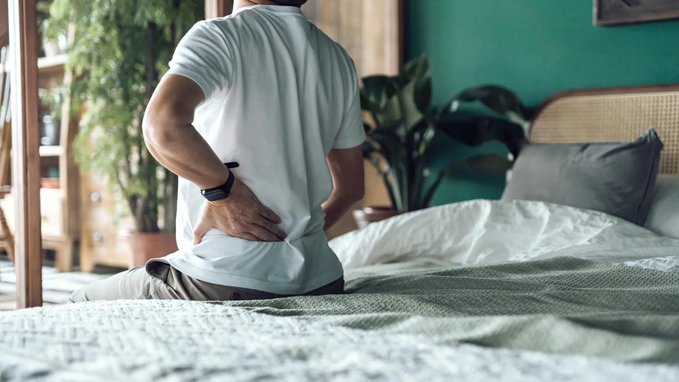
There’s nothing worse than waking up on the wrong side of the bed. But it can be hard to avoid when you wake with lower back pain in the morning. A back that throbs, aches or sends shooting pain down your legs can quickly set the tone for your day.
Most people experience lower back pain at some point, and more than 20% have chronic lower back discomfort. It’s the second most common reason people in the U.S. visit their primary care provider — behind colds and flu.
Whether you experience lower back pain all day or only in the morning, understanding what’s contributing to the pain may help you fix it. Pain management specialist Tara-Lin Hollins, MD, shares what might be behind your morning back pain and offers tips to help you wake up pain-free.
4 causes of lower back pain in the morning
Back pain and sleep have a complicated relationship. Pain can disrupt your sleep, and poor sleep can make you more likely to have higher pain. Getting to the bottom of your pain may help end the cycle.
Dr. Hollins says several factors can contribute to morning back pain.
1. The wrong sleep position
You spend a third of your life sleeping or resting, so if your spine is out of alignment while you sleep, it can have a significant impact on your body. Your sleep position affects your alignment and may (or may not) support the natural curvature of your spine.
“It’s common to be so tired at bedtime that you fall into bed and sleep however you hit the bed,” Dr. Hollins says. “But you may not be sleeping in the best position for your spine.”
The most beneficial sleep positions for your back are on your:
Side, with your knees partially bent
Back, as long as you don’t have sleep apnea (which worsens when sleeping on your back)
Sleeping on your stomach makes you more likely to twist your neck to the side — a quick way to throw your neck and spine out of alignment.
2. Lying down for hours
When you sit all day at your desk without moving, it can make you stiff. Similarly, when you sleep, you’re not moving much for seven to eight hours. Lying immobile for a long period could cause you to wake up with back or hip pain.
“Our bodies are not supposed to be stagnant for multiple hours,” Dr. Hollins explains. “Stiffness can settle in, and inflammation can build up. Then, when you try to move in the morning, releasing the inflammation can be painful.”
Tricky, right? After all, you want a good night’s sleep, and lying immobile while you doze is often a sign that you got all of your ZZZs. But to avoid lower back pain, Dr. Hollins advises taking some time to stretch before you jump out of bed.
3. An unsupportive mattress or pillow
Your mattress is your main source of back support while you sleep. And your pillow ensures proper neck alignment. A mattress that’s damaged, too soft or sagging can cause your lower abdomen to sink deeper than the rest of the spine, pulling your back out of alignment.
“All too often, people opt for a soft mattress, thinking it will be more comfortable,” Dr. Hollins notes. “You don’t want a hard mattress, but it should feel firm and supportive. You shouldn’t sink into it.”
Need tips for choosing the best mattress for your back? We can help.
4. An underlying condition or pregnancy
Some conditions or chronic diseases may put you at higher risk for morning back pain. Chronic conditions that affect both sleep and morning back pain include:
Pregnancy can also bring back pain in the morning due to:
Additional strain on your lower back muscles
Shifting center of gravity
Increased weight
How to stop waking up with lower back pain
Lifestyle changes, like achieving a healthy weight and exercising every day, are always helpful for back pain. But Dr. Hollins also recommends actions related to sleeping that may additionally help reduce or eliminate your morning back pain.
Add supportive pillows
Pillows are a great way to support your back’s alignment. Your typical sleep position should guide the pillows you use:
Back sleepers. Choose a head pillow that supports your neck and lets your head sink in. Place a pillow under your knees to support your spine’s natural curvature.
Side sleepers. For your head, choose a thick pillow that keeps the top portion of your spine straight and parallel to the mattress. Place a small pillow between your knees to help even out your hips.
Stomach sleepers. Don’t use a pillow for your head, or choose a very thin one. Put a thin pillow under your lower abdomen to keep your spine aligned.
“Look for pillows that are specific to your sleep position,” Dr. Hollins advises. “But no matter which position you use, adding pillows strategically around your body can support your spine and reduce morning pain.”
Adjust your sleep position
If you’re used to sleeping in the same position every night, it can be challenging to change it. But small adjustments may help:
Place both arms in the same position if you sleep on your back — instead of flinging one arm over your head — to keep your spine aligned.
Bend your knees when sleeping on your side to help balance your body and reduce any pressure on your lower spine.
Put pillows in front of you if you sleep on your side so you don’t roll onto your stomach.
Sleep on your left side whenever possible to take pressure off your internal organs.
“You want to be as comfortable as possible when you go to sleep,” Dr. Hollins says. “That way, you’ll be more likely to stay in a supportive sleep position.”
Replace your mattress regularly
According to the Sleep Foundation, the general guideline is to replace your mattress every six to eight years. But you may need a new mattress sooner if yours is:
Making noise (if it’s an innerspring mattress)
Noticeably sagging or damaged
Causing muscle or joint stiffness, especially if you don’t have the same stiffness when you sleep at hotels or other homes
When choosing a new mattress, choose a “medium firm” mattress — level 6 out of 10 on the mattress firmness scale. It may reduce your back pain symptoms by nearly half.
Pause before you get up
Most people get out of bed as soon as they wake up, Dr. Hollins points out. But taking a few minutes to prepare your back for transitioning to sitting, standing and walking can help with morning back pain.
Stretch while you’re still in bed. While on your back, bring one knee to your chest. Hold it for three seconds, let it go and then, switch to the other leg.
Warm your muscles. Slide a heating pad under your back to warm your muscles. Use one that’s designated as safe for use in the bed and has an auto shut-off. Keep the sheet or your shirt between the pad and your skin.
Take your time getting up. First, sit on the edge of the bed and let your back adjust. Then, use your legs — not your back — to stand up.
See your healthcare provider if your back pain worsens or occurs most mornings for two or three months. They can check for underlying back issues and may prescribe physical therapy.
“Don’t wait six or eight months to see your provider,” Dr. Hollins urges. “They can provide guidance about the best stretches to do, and your back will thank you.”
Blackrock Health, Blackrock Clinic, through a partnership with healthcare technology company Medtronic and medical drone delivery partners Apian and Wing, will begin receiving medical supplies via drone delivery in the coming days.
The partnership has been designed to trial faster, more reliable, and sustainable medical logistics – supporting patients as they receive the care they need, sooner. Medical drone deliveries have the potential to create more efficient healthcare systems, with less wastage of medical supplies, and more space for patient-facing care facilities as providers receive what they need, when they need it. The program will run over the next several months.
“At Blackrock Health, innovation is at the core of what we do, and this partnership is a prime example of the opportunities that exist when integrating technology into healthcare industry, with an added benefit of supporting our commitment to sustainability,” shared Dr. Caroline Whelan, CEO of Blackrock Health “We are excited by the possibilities that come with this drone delivery service, and hope to expand this beyond receiving medical supplies, by extending use to other services in time between our hospitals.”
Currently, hospitals depend on road vehicles to transport medical supplies to hospitals or healthcare centres, but urban locations experience frequent delays due to congestion, as well as associated higher carbon emissions. Wing’s drones, which are being used in this programme, are lightweight and electric, and can make quicker, more reliable deliveries than traditional modes of transport, as seen in its more than 350,000 commercial deliveries across the globe. They will fly more direct routes and at speeds up to approximately 100 km per hour, avoiding the traffic congestion on Dublin’s roads.
To learn more about the partnership, visit Apian’s and Wing’s newsrooms











 Healthaware