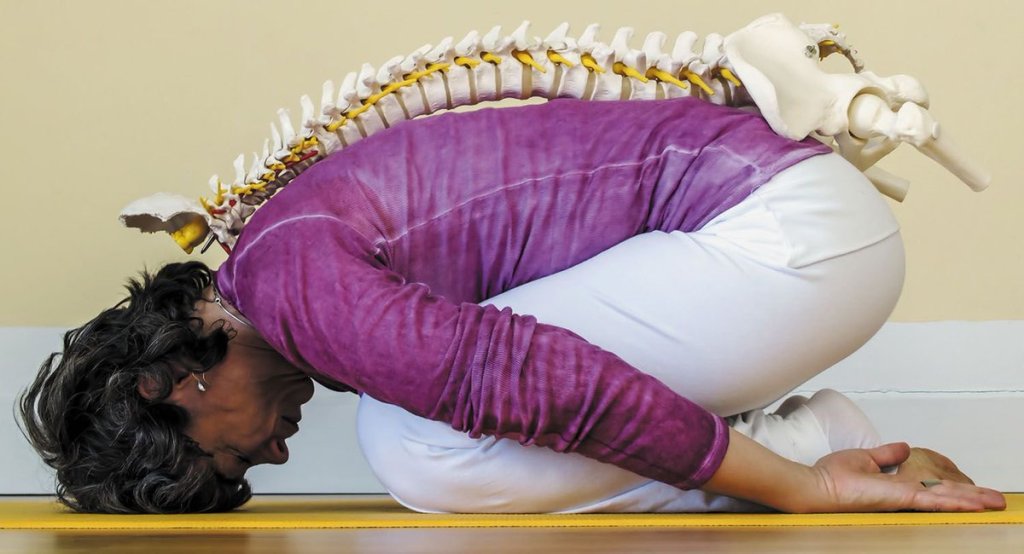
Strong core muscles help you maintain good posture.@ClevelandClinic

cleveland evrything starts wit your core

If you’re planning to start an exercise program and wondering where to begin, start with your core first, says physical therapist Brittany Smith, DPT. People often think of the core muscles as being the abdominal muscles, but the core includes the muscles in the abdomen, back and hips, all working together as a group.

“The core muscles provide stability for the entire body as it moves,” says Smith. “These muscles are activated when you stand up, turn, bend, reach, twist, stoop and move in most other ways. Everything starts with your core.”

Strong core muscles help you maintain good posture, while weak ones can lead to slouching and slumping. Poor posture can be a cause of aches and pain, especially in the back.

Getting started with your core

To get your core muscles in shape, you need to exercise.

“Our bodies were made to move, so any physical activity is really important,” says Smith.

She recommends these specific core-strengthening exercises below.

The first one engages the deep muscles in the abdomen, called the transverse abdominis. “These muscles help hold us in a better position to stabilize our core, thereby stabilizing our arms and legs,” says Smith.

“The more you work on these muscles, the more it will become second nature to hold these muscles tight when you’re lifting grocery bags, doing yard work or any other kind of physical activity,” says Smith. This will help support your body.

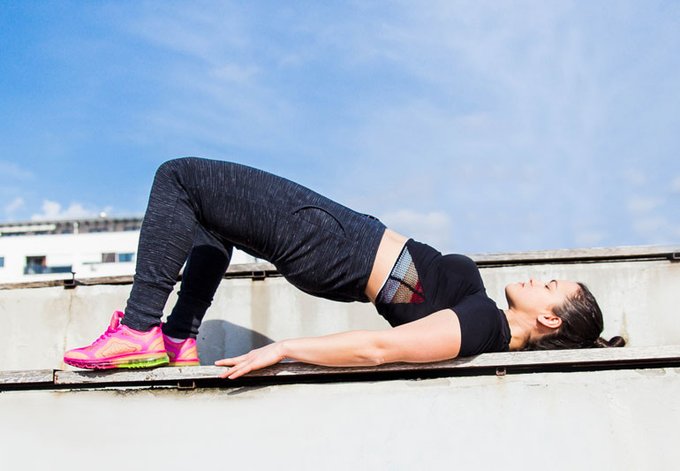
Other muscles that tend to be weak are the gluteus maximus in the buttocks, and the gluteus medius and gluteus minimus on the side of the hip. The bridge and clamshell exercises can help strengthen these muscles.

Smith emphasizes that getting the proper position of these exercises correct is more important than the number of repetitions you do. “It’s better to take your time, maybe do fewer reps, but with better quality,” she says. For that reason, it can be helpful to have the guidance of a physical therapist to get started.

Move on from the core

Core exercises are the starting point of overall fitness because you need to hold those muscles engaged while you strengthen other muscles, such as the biceps in the arms or the quadriceps in the legs.

Smith suggests setting short-term goals (for about a month) and then more long-term goals. Once you have achieved short-term goals, such as getting around more easily, add other types of weight-training or resistance exercises to build muscle elsewhere.

With any exercise you do, always listen to your body, warns Smith. If you have pain other than muscle burn, take it easy. Reduce the number of repetitions, the weight or the duration of the exercises. Then build up gradually. “You don’t have to be in pain to make gains,” she says.

Beginner exercises for core strength

For each of the following, work up to one to two sets of 10 to 15 repetitions once a day.

Abdominal bracing

Lie on your back with your knees bent and feet flat on the floor. Contract your abdominal muscles, and press the arch of your back down toward the floor, pulling your belly button toward your spine. Hold for 5 to 10 seconds. Make sure your lower back stays flat on the floor. Relax and repeat.

Bridge

Lie on your back with your knees bent and feet flat on the floor with your arms at your sides. Squeeze your abdominal and buttocks muscles, push your heels into the floor and slowly lift your buttocks and hips off the floor. Keep your back straight. Hold for 5 to 10 seconds.

Clamshell

Lie on your side with knees bent in line with your hips and back, draw up the top knee while keeping contact of your feet together as shown. Don’t let your pelvis roll back during the lifting movement. Hold for 5 seconds.

https://health.clevelandclinic.org/planning-to-start-exercising-start-with-your-core-first/?utm_medium=social&utm_source=twitter&utm_campaign=cc+tweets

Ways to be Happy & Healthy in 2020:

I heard on the radio this morning that the top new year’s resolution amongst Irish people is to become healthier. As someone who’s had cancer this year, I can truly attest to the old adage of “your health is your wealth”;

I’m not a health “guru” or life coach or wellness warrior. I’m a normal GP with a normal life but I do think I have learned some things in my 32 years about what truly living healthily looks and feels like. Good health can generally be summed up as good physical health, a healthy social life and psychological or mental wellbeing.

I feel like I’ve lived two very distinctly different lives – one unhealthy and one which is now thankfully much better. As a junior doctor I was pathologically sleep deprived. Working up to 100 hours a week for 7 years took its toll on my physical and mental health.

Due to work demands I was socially isolated; this isn’t conducive to good mental health. My physical health wasn’t good; stress, lack of sleep and overworking meant I had a number of problems; a knee injury from regularly walking for 24 hours non–stop on call, regular IBS flares resulting in hospitalisation, kidney stones from dehydration…..and unknowingly having cervical cancer and sarcoidosis. I was sick. In every sense of the word.

Now I am healthy. That’s a bold statement but I believe it.

So in this blog post I’ll share some tips for being healthier in 2020…

1. Sleep.

The main reason I’m healthier now is because working in general practice means I can sleep at night. Sleep is the single most important thing that’s turned my life around. Sleep deprivation is linked to depression and anxiety, obesity (due to an increase in the hunger hormone ghrelin), dementia and cancer. I often think the reason I got cancer is because of 7 years of chronic sleep deprivation. I can’t prove it of course but I knew what I was doing to my body wasn’t right.

If you want to make one change for 2020 to be healthier, make sleep a priority. Aim for 8 hours a night. Look up sleep hygiene for ways to make sure that you get a good, restful night’s sleep. I’m fitter, healthier and happier now than I ever have been and I owe a lot of it to sleep.

I know some people can’t get 8 hours a night. Small babies, long commutes and shift work mean it’s sometimes physically impossible. I’ve been there myself. But any small steps you can take to improve your sleep will make you healthier – physically and psychologically.

2. Movement

I’ve always loved to move. I love being physically active. Exercise is like a miracle cure. It helps reduce risk of heart attack, stroke, cancer, obesity and depression. When we exercise, endrophins that mimic the activity of morphine are released. This has a calming effect. And the beauty of exercise is that all we have to do is put on shoes, walk out the front door and put one foot in front of the other.

You don’t have to engage in a fitness program or join a gym or buy fancy gym gear. (By all means do this if you want to though!). I’ve always found it easier to just aim to move more. Go at your own pace. Do what you enjoy. Do it when you can; and don’t beat yourself up when you can’t. Life is busy. Sometimes there isn’t enough time in the day. There were times when I was working a 24 hour shift and I’d see fitness people on Instagram telling me “no excuses” and “make time”. Well, for normal people with normal lives, families, commitments and jobs, there sometimes simply isn’t time. And that’s ok too. Move when you can; small things like taking the stairs or maybe a walk during lunch hour with a colleague can make a difference.

Remember that there’s no such thing as bad weather, just bad clothes. If it’s raining (which it’s highly likely to be here in Ireland), put on rain gear and go. And also be safe in the knowledge that cold weather doesn’t cause a cold!

I enjoy going to the gym. I don’t set targets. I’m not strict with myself on it. But I do notice myself getting fitter and stronger over time. Consistency will naturally lend itself to progress. So do what you can when you can and you will see changes slowly creep in.

3. Positive Connections

Psychological wellbeing is a core component of health. As is a good social life. Who you surround yourself with impacts your health. Whether it’s people in real life or on social media, nurture connections that make you feel good and valued. Disconnect from people or situations who leave you feeling bad or anxious. Life is too short to maintain connections with frenemies. Do what you have to do for a happier, calmer, healthier you.

4. Gratitude

Being thankful for what we do have as opposed to being uneasy about what we don’t have goes a long way when it comes to mental wellbeing. Every night I get in to my bed without a bleep I’m thankful! You’d think the novelty would have worn off by now but it still hasn’t. The promise of uninterrupted rest still fills my heart with joy.

I’m also thankful for my physical health; I’m thankful that my body can move and can LIVE! I’m thankful for Peter and the joy having a life partner brings. I’m thankful for being able to get up and have a coffee in the morning. I’m thankful I’m still alive and can walk on a wild Irish beach and inhale fresh Atlantic air. There were times when I was going through cancer treatment I didn’t know if those things would be taken from me forever. I think of my late sister who can no longer experience these things. I’m grateful to be alive. I’m grateful for all of the simple yet wonderful things in my life.

5. Positive thinking 

I know this can seem like quite an abstract thing to practice but I’ve definitely become a more positive and optimistic person as I’ve gotten older. My biggest “Ah hah moment” of the decade was realising that the core skill for coping with adversity is being optimistic. I’ve learned positive thinking from Peter who is unshakably optimistic! Something that’s also helped me with optimism is written reminders. I write a to-do list everyday. This usually includes things like “take out bins”. But at the top of the list every single day I write “let go of negativity” and “don’t ruin a good today because of a bad yesterday”. I’ve been doing this for about the last 6 years everyday without fail and I really believed its helped me think in a more positive way. Some days it resonates with me more than others. But its always there and it’s most powerful on days I need it most.

6. Work place

We spend so much time at work that it’s bound to play a critical role in our wellbeing. I feel profoundly fortunate to love what I do. Being a doctor doesn’t feel like work to me. It’s not what I do. It’s who I am. (I struggled for a while with inextricably linking my profession with my identity but I now see that it’s a positive thing for me and I’m very comfortable with it).

If you’re unhappy in your workplace make a change. Of course you can’t just hand in your notice and walk away. But plan an exit strategy. It might take a few years to make a transition but when you know there’s an end in sight you’ll feel less drained by a job you don’t enjoy. I disliked being a hospital doctor. But I knew it would be for a finite amount of time. There was always the goal of general practice at the end. That kept me going. Plan your exit and aim towards it. Even if it will take years.

7. Don’t let perfect be the enemy of the good

This mantra has been something I’ve lived by a lot more in 2019 and I plan to bring it in to the next decade with me. I’m pretty sure perfection doesn’t exist so chasing it is setting yourself up for failure (failure isn’t necessarily a bad thing but you know what I mean). In 2019 I threw myself in to situations in which I maybe wasn’t fully prepared but I did it anyway. And it helped me grow and learn. I do my best. I strive to do things well. But I don’t seek perfection. I’ll be doing more of this in 2020.

8. Supplements

This is something I’m asked about day in and day out! If you want to take something in 2020, ask your GP to check your vitamin D and vitamin B levels. Take those if you need them and if there’s proof you’re lacking in them. There’s no health benefit from blindly taking a multivitamin. Find out what you need and take that. Probiotics are good for IBS. Evening Primrose Oil can help with cyclical breast tenderness. Biotin can help with nail and hair growth. Vitamin B6 can help with PMS. Don’t take something that an influencer is being paid to tell you has changed their life. (Lauren Goodger literally agreed to promote cyanide).

Take these things in a focused way for your own individual needs. If you’re interested in taking something like a supplement ask your GP about it. Ask if there’s scientific evidence for it. And make sure it’s safe with any other medicines you take.

9. Cancer screening

Get your smear test if it’s due. Attend breast check if you’re called. Screening saves lives. It certainly saved mine.

10. SPF

Wear SPF 30-50 on your face daily. Without fail. It will help prevent wrinkles and skin cancer. Your face in 20 years will thank you for it.

11. Detox

Your liver and kidneys will do this for you. Next.

12. Diet

If you’d like to lose weight I recommend not doing quick fixes or 12 week programs. Speak to your GP and or a dietitian who can help you with weight loss done in a sustainable and healthy way. Starvation and being miserable isn’t sustainable. Healthy weight loss is. Aim for health. Not to fit in to jeans or to be skinny for a wedding. Aim for health and a healthy weight will follow. Sleep also helps with weight loss. It helps regulate the hunger hormone ghrelin so the more sleep you get the less likely you are to overeat.

I want my diet in 2020 to be more plant based. The more I read the more health benefits I see. I’m a slow burner and I make changes over time. So I’ll gradually make more plant based choices and will hopefully reach vegetarian status eventually.

13. Sustainability

I have two flights booked to The US for 2020. I will not be sailing across The Atlantic like Greta any time soon but I will be more mindful about my carbon footprint going in to the next decade. In 2019 I ditched petrol starting coffee cups and converted to a reusable bamboo cup for my morning coffee. I plan to go electric for my next car. I’ll do my best to play my part for a better environment for us all.

14.

I have no number 14. But I’m not finishing on 13.

Good health is multifactorial. Identify the areas you want to do better in. Nurture them slowly. Rome wasn’t built in a day.

Dr. Doireann.x


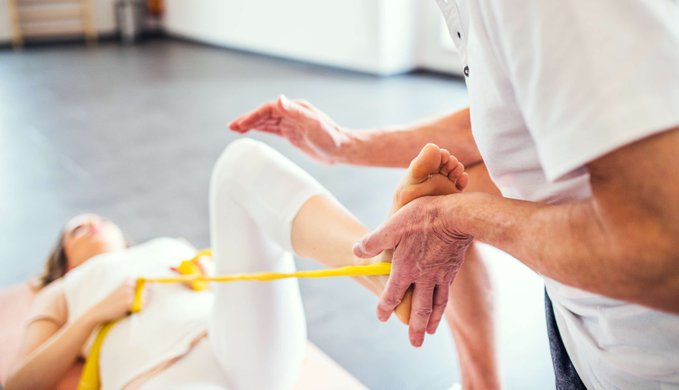
Physiotherapy is the proper treatment for back pain. What do you do when you’re miles away?

4h4 hours ago


Low back pain is the top cause of disability globally, yet most people are getting the wrong treatments for it, a new survey shows.

Despite guidelines from top medical groups, studies and recommendations, doctors still tend to prescribe pain pills to people with back pain instead of physical therapy and exercise, which work better, according to the reports in the Lancet medical journal.Hin255 / Getty Images/iStockphoto

Headaches? Try physical therapy instead of codeine


everyday health headache
Have you ever thought of physiotherapy treatment for your headache?

There are numerous different types of headaches including migraine, tension type headaches and headaches arising from the neck. Many headaches can be caused by reduced movement in the neck, having the neck in a certain position, increased tightness or tension in the neck muscles and sustained poor postures e.g. sitting at a computer.

Physiotherapy treatment may involve mobilising the joints of the neck, soft tissue massage, trigger point release and stretching of neck muscles and retraining muscle strength and coordination.

Physiotherapy is the proper treatment for back pain@NBCNews

4h4 hours ago


Low back pain is the top cause of disability globally, yet most people are getting the wrong treatments for it, a new survey shows.

Despite guidelines from top medical groups, studies and recommendations, doctors still tend to prescribe pain pills to people with back pain instead of physical therapy and exercise, which work better, according to the reports in the Lancet medical journal.Hin255 / Getty Images/iStockphoto