Take care of yourself — Reduce stress, rest when possible, hydrate and eat a balanced diet with an extra 500 calories a day @ClevelandClinic

May 28, 2024/Pregnancy & Childbirth

How Long To Breastfeed: What the Guidelines Say and What To Consider

Recommendations encourage breast milk exclusively for baby’s first six months and continuing to provide human milk until age 2 and beyond

How and what you feed your baby is probably one of the most basic — and yet deeply personal — decisions you’ll face when you become a parent.

You’ll hear things like “breast is best.” As in, breastfeeding (chestfeeding) is the absolute best way to nourish your baby.

And then you’ll hear the retort, “fed is best.” Meaning breast milk (human milk) and formula are both fine. As long as your baby is getting nutrients in their belly, all is well.

Then come the opinions on how long you should breastfeed. (You’re still breastfeeding? You gave up on nursing already? You fed your baby formula?)

It can feel like there’s no right way to do it. And there’s some truth to that.

Because what works for one family may not be feasible for another. But that’s OK.

Breast milk can provide certain benefits that formula can’t mimic. But breastfeeding, especially for long periods of time, might not work for everyone. Or you may have been given the impression that you’ve continued providing human milk long after others think you “should.”

No one should feel guilt, shame or otherwise crummy about how they feed their baby. Let’s face it, mom guilt is tough enough as it is.

So, we talked with board-certified breastfeeding medicine physician Heidi Szugye, DO, about breastfeeding recommendations.

How long to breastfeed

Science shows that if you can give your baby human milk (either your own or a donor’s), it has its benefits. And the longer, the better, experts recommend.

The American Academy of Pediatrics (AAP) and the World Health Organization (WHO) share these recommendations for breastfeeding duration:

  • Newborn to 6 months: Exclusive human milk.
  • 6 months to 12 months: Mostly human milk while introducing solid foods.
  • 12 months to 24 months (and beyond): Mostly solid foods with some human milk, as mutually desired by parent and child.

Previous recommendations called for providing breast milk until age 1. But these newer guidelines (implemented in 2022) are based on the understanding that human milk has benefits that continue long after baby’s first birthday. And they help to remove stigmas associated with people who choose to extend breastfeeding into toddlerhood.

“These recommendations are a call to action for everyone, and that includes hospitals, pediatricians and all physicians that are taking care of families,” Dr. Szugye states. “We want to make sure our practices and policies are set up to support people who choose to breastfeed beyond the first year of their child’s life.”

Think of the guidelines as the best-case scenario. If it works for you, your family, your child, your body and your life to breastfeed for two years or longer, you’re doing a great thing. And there’s no reason to stop until you and your child are ready.

If it doesn’t work for you, that’s OK, too. Your worth as a parent and your love for your child can’t be measured in ounces of milk.

Benefits of extended breastfeeding

The recommendations are based on research showing that human milk has some big benefits. And those perks continue for as long as you continue to supply it.

“Breastfeeding offers tremendous benefits — from custom-made nutrition and increased immunity to protecting you against some forms of cancer. And those benefits don’t go away as your baby ages,” Dr. Szugye shares. “We have more and more data supporting that there are benefits to breastfeeding for more than one year when possible.”

Breastfeeding can offer both you and your baby some big benefits:

Benefits for lactating parentsBenefits for baby
Lower risk of developing conditions like Type 2 diabetes, high blood pressure, cardiovascular disease, breast cancer and ovarian cancer.Decreased risk for ear infections, respiratory infections, gastrointestinal illnesses, SIDS, leukemia, diabetes, obesity, asthma and eczema.

“There are a lot of immunologic factors and components to human milk,” Dr. Szugye says. “One big advantage to human milk is that you pass antibodies to the baby. So, if you’re exposed to a respiratory illness or GI illness, those antibodies are passed on to the baby and then that makes them less likely to get sick. And if they do get sick, it’s less severe. It’s almost like a built-in immunity.”

Keeping up milk supply for the long haul

Some people can make enough milk to breastfeed for as long as they and their babies choose. But some don’t. At least not without taking some steps to keep it up.

If you suspect your supply is dwindling as your child gets older, there are ways to help promote more milk production if you want.

“Many people notice their supply drop and mistakenly assume it won’t return,” Dr. Szugye notes. “But if you want to continue to breastfeed, there are options that could help.”

If a supply boost is in order, you can try:

  • Nursing more often — Add sessions as long as your child will nurse. If you’re away from them during the day, try early evenings, mornings or weekends.
  • Pumping strategies — An extra session or several short “power pumping” sessions (think five to 10 minutes throughout the day) for several days in a row can trigger your body to make more milk.
  • Breast massage and compression — Easy-to-learn techniques can improve drainage when nursing or pumping.
  • Take care of yourself — Reduce stress, rest when possible, hydrate and eat a balanced diet with an extra 500 calories a day to support breastfeeding.

Not an ‘all-or-nothing’

If two or more years of breastfeeding seems daunting, remember that you have options.

For starters, giving your child human milk doesn’t always mean latching them to your breast and nursing. That’s just one way to do it. Pumping milk and putting it in a bottle, cup or spoon are also options.

And you may find that a donor bank could be a route to explore if you don’t lactate or if you have concerns about a low milk supply. Donor milk is pasteurized, screened for drugs, medications and infections, and tested for bacterial contamination before it’s stored and made available for purchase.

“Reach out to your pediatrician or women’s healthcare provider if you’re interested in obtaining donor milk. You may need a prescription from a healthcare provider,” Dr. Szugye suggests.

Remember, too, that any amount of human milk can be a benefit. If keeping up with your baby’s breastfeeding demands becomes too high a burden, there are alternatives.

Some parents may find that supplementing with formula (or other foods and milk after baby turns 1) can help give your child some human milk, while keeping up with their nutritional needs — and not burning yourself out in the process.

“It’s not an all-or-nothing thing,” Dr. Szugye reassures. “Any amount of human milk you can give is a benefit. If it doesn’t work for you to constantly supply human milk, that’s OK. We’re all just doing our best.”

If breastfeeding is going well for both you and your child, there’s no reason to give it up until you’re both ready to.

Feeding a baby is tough work, no matter how you do it. And chances are, you’re doing a fantastic job.

“Catherine’s Rose” @the_rhs – Chelsea Flower Show 2025…

princeandprincessofwales's profile picture

princeandprincessofwales

and

4 others

Liked by tinasjourney123 and others

  • princeandprincessofwales
  • Spending time in nature has always been a source of comfort and strength. Gardens and green spaces provide not only beauty and joy, but also vital support for our mental, physical and spiritual wellbeing.

    Today the Royal Horticultural Society are announcing a new Rose, “Catherine’s Rose”, grown by Harkness Roses. The proceeds from this rose will support The Royal Marsden Cancer Charity, helping patients across the country live well with, and beyond, cancer 🌹1w

Does #honey work to soothe a sore throat and cough? Yes, says family medicine physician Elizabeth Rainbolt, MD.@ClevelandClinic

Honey for Your Sore Throat and Cough

The natural at-home remedy can soothe irritation and decrease inflammation

t feels faint at first — there’s a little tickle or scratch at the back of your throat.

Then, it hurts or even burns when you swallow.

Ugh, you’ve got a sore throat, and a cough isn’t far behind.

You’re taking cough syrup and lozenges in an attempt to get some relief. But what about using honey for sore throat symptoms? Does this natural home remedy actually work to soothe a sore throat and cough?

Yes, says family medicine physician Elizabeth Rainbolt, MD.

Dr. Rainbolt explains how honey works and when and how to use it.

Honey for a sore throat

It’s common to get a sore throat every now and then. You may have a sore throat due to the following:

In addition to having other symptoms like nasal congestion, fatigue and fever, you may develop a cough.

Honey has a long history of being used as a natural remedy. And one remedy is to soothe sore throats and help alleviate a cough.

Research shows that honey has some antimicrobial and anti-inflammation properties. Honey can help by decreasing inflammation and irritation in your throat,” explains Dr. Rainbolt. “Another study shows that honey may reduce mucus secretion. So, you can use honey for cough symptoms as well, whether it’s a wet or dry cough.”

Is it safe for children?

Giving honey to a child under 1-year-old isn’t recommended, warns Dr. Rainbolt.

“There’s concern for an infant botulism, a serious illness that’s caused by Clostridium botulinum,” she continues. “While it’s a rare occurrence, honey can contain spores that cause botulism. It attacks the body’s nervous system and children under one are more vulnerable.”

How to use for a sore throat

Most sore throats tend to get better within a week, but during that time, adults can take a spoonful (about 1 teaspoon) of honey for a cough and sore throat.

You can also dilute half a teaspoon to 1 teaspoon of honey in warm water or tea. This method is also recommended for children older than 1.

“You can use it with any kind of herbal tea or warm water with lemon juice, which can be soothing as well,” says Dr. Rainbolt.

So, how often can you use this home remedy? Dr. Rainbolt recommends using honey no more than four or five times a day.

And part of that reasoning is that honey does contain sugar.

“If you’re concerned about your sugar intake, then I recommend using honey more sparingly,” she says. “I would just use it at night to give you some relief before you go to bed.”

And can you use both honey and traditional cold medicine?

Yes, says Dr. Rainbolt.

“If it seems like the honey isn’t helping on its own, then you can certainly do both honey and medication, if medicine is something that you are able to take,” she notes.

Is honey safe to use?

Honey can be a helpful tool for those who can’t take traditional cold medications — for example, children under 6 years old or individuals with health conditions like high blood pressure or cardiovascular disease.

Overall, honey can be a good way to help soothe your sore throat and cough. It doesn’t come with some of the side effects that over-the-counter medications have like drowsiness.

So, can you just buy any honey you see on the grocery store shelf?

Yes, but you might want to make sure it’s been pasteurized. The pasteurization process removes any crystallization and unwanted yeast. It also improves honey’s texture and color, while extending its shelf life.

Dr. Rainbolt also mentions that some people think using local honey, which tends to be unpasteurized or raw, can come with extra benefits.

“There’s a thought that if you use local honey, you are exposed to some of the area’s natural allergens in a positive way,” she explains. “The idea is that it will help with allergies you have.”

The next time your throat starts to tickle, reach for honey and see if it helps.

“Think of honey as a first line of defense for those over 1 year old,” says Dr. Rainbolt. “Honey is something that pretty much everyone can try. And it’s been shown to work as well as some cough suppressant medications. It’s a nice alternative.”

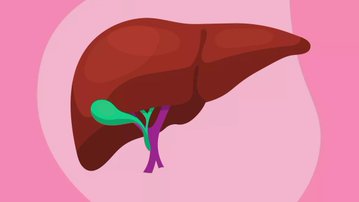
Wondering if you need an alcohol detox? Learn how to detox your liver from alcohol use, and how long it could take. Christina Lindenmeyer, MD.

Square profile picture

Cleveland Clinic

health.clevelandclinic.org

How Long Does It Take to Detox From Alcohol?

Wondering if you need an alcohol detox? Learn how to detox your liver from alcohol use, and how long it could take.

Of all your body’s organs, your liver takes the biggest hit when it comes to alcohol. Even if your relationship with drinking consists of occasional social drinking with friends or occasionally over-indulging in wine and cocktails during the holiday season, alcohol can still leave its mark. And it’s a mark that can be hard to reverse.

That’s why many of us wonder if a month of avoiding drinking is enough to “reset” your liver back to normal. It’s true that taking a break from alcohol for any amount of time will be beneficial overall, with some research showing that liver function begins to improve in as little as two to three weeks. But a full detox is needed for the most benefit, and how much time that takes depends on a variety of personal factors.

“It depends on how much damage has already been done,” explains liver specialist Christina Lindenmeyer, MD. “And if there are any complications related to the damage.”

Dr. Lindenmeyer explains what happens to your liver from prolonged and moderate alcohol use, and what a detox process would look like.

How alcohol impacts your liver

Your liver has enzymes that work like special tools to help metabolize (break down) different toxins that enter your body, such as alcohol.

In the short term, alcohol is processed through your liver in about an hour. Essentially, feeling “drunk” is when your liver becomes too overwhelmed to properly process alcohol, so it overflows temporarily into your bloodstream. This is what causes you to feel light-headed or tipsy after multiple alcoholic drinks.

In the long term, prolonged alcohol use can cause severe damage to your liver. Your liver has a specific pathway that the toxins follow to be broken down, so if over time, this pathway becomes overwhelmed by too many toxins, it can affect the efficiency of your liver’s work. In other words: It can’t keep up.

Certain health concerns and diseases can arise in your liver due to long-term alcohol use, including:

How do you detox your liver?

If your liver has taken a hit from prolonged alcohol use, there are ways to give it — and the rest of your body — a break.

You can make the move toward detoxing your liver through these steps:

Stop drinking

The first and most important line of defense? You guessed it: Abstain from drinking. Abstinence is the most critical intervention and treatment,” notes Dr. Lindenmeyer.

This is sometimes easier said than done, of course. If you’re a heavy drinker, you may need to wean off alcohol to let your body adjust. If you’re experiencing severe symptoms of alcohol withdrawal, be sure to talk to a healthcare provider.

If you’re more of a moderate to occasional drinker, you may find the hardest part of stopping drinking to be the social pressures. Try replacing your usual cocktail or beer with a nonalcoholic option, including many of the now popular mocktails available so you can still enjoy social time with friends without having alcohol in the mix.

Maintain a healthy diet

Another thing that will help your liver’s journey in recovery is good nutrition. There’s no miracle diet by any means, but the Mediterranean diet, for example, can help fill some of the nutritional gaps you may have due to alcohol use.

“Nutrition optimization is actually the most evidence-based and most important intervention aside from stopping drinking,” points out Dr. Lindenmeyer. This is because, for a lot of people who experience some kind of liver dysfunction, it makes them at risk of not getting enough proteins, calories or vitamins.

There are also certain foods like tea, fish and nuts that can benefit the liver’s function in many ways. Think of it as giving your liver a little boost in the right direction. “Nutrition therapy is very important in terms of feeding the liver and giving it the building blocks it needs to restore itself,” says Dr. Lindenmeyer.

How long until your liver detoxes from alcohol?

Of course, we all want a simple, achievable number for how long we should abstain from alcohol in order for our bodies to fully heal from its effects.

But the truth is,the timeline of your liver detoxing is going to depend on different factors like:

  • The amount of alcohol you consume.
  • The frequency of your drinking.
  • Any other health conditions you may have.
  • Your age.
  • Your weight.

“There is no ‘one size fits all’ answer,” states Dr. Lindenmeyer. “It depends on how much damage has already been done and any possible complications.”

There has been some research conducted on how abstaining from alcohol detoxifies your liver over time. A 2021 review of research notes that several studies determined that two to four weeks of abstinence from alcohol by heavy-alcohol users helped reduce inflammation and bring down elevated serum levels in the liver.

In short: A few weeks off will help. But the longer you can abstain from alcohol, the better. And if your liver has experienced long-term effects, your healthcare provider would probably recommend lifelong abstinence from alcohol to allow it to fully detox and recover.

“For patients who are left with cirrhosis after severe injury to the liver from alcohol, even one drink of alcohol is toxic to the liver,” cautions Dr. Lindenmeyer.

Should you take a break?

For many of us, alcohol becomes a casual routine associated with going out and spending time with loved ones. But if you’re drinking alcohol in excess of the recommended guidelines, you may be doing damage to your liver. It can be hard to notice at first if your body is sending you any warning signs that it’s overwhelmed.

Here are some common signs that your liver is taking a serious hit from alcohol:

What to know if you’re a casual drinker

It can be hard to find (or even know) the balance of how much alcohol your body is able to handle. If you’re not sure if your drinking crosses a certain line or not, try measuring your alcohol intake.

According to the U.S. Centers for Disease Control and Prevention (CDC), alcohol should be consumed in moderation, which means one drink a day for women and people assigned female at birth (AFAB), and two for men and people assigned male at birth (AMAB) — unless your doctor says otherwise. If you’re keeping up with this average (or less), the damage from alcohol is most likely minimal.

On the other hand, binge drinking is generally defined as four drinks for women and five drinks for men within a two-hour period. And even occasional binge drinking episodes can have profound effects on your liver’s health over time.

Overall, a small break from drinking like a Dry January won’t necessarily fully “detox” your liver, but if you’re prone to overindulging in alcohol, you can see small health boosts such as decreasing inflammation of the liver and increasing your energy levels with such a break.

The bottom line

Just like a broken bone or infection needs time to heal, so does an overworked liver. While this depends on the amount of alcohol you have had over the years, your liver can see partial healing within two to three weeks, but this will depend on your health history.

Depending on the extent of liver damage you have, you may need to completely abstain from alcohol in order to give your liver the best chance for recovery. Talk to a doctor about your personal history and what’s right for you.

L

Movement is Life 🧬@HealthBlackrock 💜❤️

Blackrock Health

@HealthBlackrock

·

Blood pressure, cholesterol, alcohol, diabetes, smoking, overweight, stress and sleep all affect the risk of developing heart disease. Learn more about your modifiable risks and help protect your heart here.

https://croi.ie/heart/risk-factors/

Risk Factors • Croi Heart & Stroke Charity

Risk Factors For Heart Disease & Stroke A risk factor is anything that raises a person’s chance of developing heart disease and stroke. There are two types of risk factor, … Risk Factors Read More »

Take care of yourself — Reduce stress, rest when possible, hydrate and eat a balanced diet with an extra 500 calories a day @ClevelandClinic

May 28, 2024/Pregnancy & Childbirth

How Long To Breastfeed: What the Guidelines Say and What To Consider

Recommendations encourage breast milk exclusively for baby’s first six months and continuing to provide human milk until age 2 and beyond

How and what you feed your baby is probably one of the most basic — and yet deeply personal — decisions you’ll face when you become a parent.

You’ll hear things like “breast is best.” As in, breastfeeding (chestfeeding) is the absolute best way to nourish your baby.

And then you’ll hear the retort, “fed is best.” Meaning breast milk (human milk) and formula are both fine. As long as your baby is getting nutrients in their belly, all is well.

Then come the opinions on how long you should breastfeed. (You’re still breastfeeding? You gave up on nursing already? You fed your baby formula?)

It can feel like there’s no right way to do it. And there’s some truth to that.

Because what works for one family may not be feasible for another. But that’s OK.

Breast milk can provide certain benefits that formula can’t mimic. But breastfeeding, especially for long periods of time, might not work for everyone. Or you may have been given the impression that you’ve continued providing human milk long after others think you “should.”

No one should feel guilt, shame or otherwise crummy about how they feed their baby. Let’s face it, mom guilt is tough enough as it is.

So, we talked with board-certified breastfeeding medicine physician Heidi Szugye, DO, about breastfeeding recommendations.

How long to breastfeed

Science shows that if you can give your baby human milk (either your own or a donor’s), it has its benefits. And the longer, the better, experts recommend.

The American Academy of Pediatrics (AAP) and the World Health Organization (WHO) share these recommendations for breastfeeding duration:

  • Newborn to 6 months: Exclusive human milk.
  • 6 months to 12 months: Mostly human milk while introducing solid foods.
  • 12 months to 24 months (and beyond): Mostly solid foods with some human milk, as mutually desired by parent and child.

Previous recommendations called for providing breast milk until age 1. But these newer guidelines (implemented in 2022) are based on the understanding that human milk has benefits that continue long after baby’s first birthday. And they help to remove stigmas associated with people who choose to extend breastfeeding into toddlerhood.

“These recommendations are a call to action for everyone, and that includes hospitals, pediatricians and all physicians that are taking care of families,” Dr. Szugye states. “We want to make sure our practices and policies are set up to support people who choose to breastfeed beyond the first year of their child’s life.”

Think of the guidelines as the best-case scenario. If it works for you, your family, your child, your body and your life to breastfeed for two years or longer, you’re doing a great thing. And there’s no reason to stop until you and your child are ready.

If it doesn’t work for you, that’s OK, too. Your worth as a parent and your love for your child can’t be measured in ounces of milk.

Benefits of extended breastfeeding

The recommendations are based on research showing that human milk has some big benefits. And those perks continue for as long as you continue to supply it.

“Breastfeeding offers tremendous benefits — from custom-made nutrition and increased immunity to protecting you against some forms of cancer. And those benefits don’t go away as your baby ages,” Dr. Szugye shares. “We have more and more data supporting that there are benefits to breastfeeding for more than one year when possible.”

Breastfeeding can offer both you and your baby some big benefits:

Benefits for lactating parentsBenefits for baby
Lower risk of developing conditions like Type 2 diabetes, high blood pressure, cardiovascular disease, breast cancer and ovarian cancer.Decreased risk for ear infections, respiratory infections, gastrointestinal illnesses, SIDS, leukemia, diabetes, obesity, asthma and eczema.

“There are a lot of immunologic factors and components to human milk,” Dr. Szugye says. “One big advantage to human milk is that you pass antibodies to the baby. So, if you’re exposed to a respiratory illness or GI illness, those antibodies are passed on to the baby and then that makes them less likely to get sick. And if they do get sick, it’s less severe. It’s almost like a built-in immunity.”

Keeping up milk supply for the long haul

Some people can make enough milk to breastfeed for as long as they and their babies choose. But some don’t. At least not without taking some steps to keep it up.

If you suspect your supply is dwindling as your child gets older, there are ways to help promote more milk production if you want.

“Many people notice their supply drop and mistakenly assume it won’t return,” Dr. Szugye notes. “But if you want to continue to breastfeed, there are options that could help.”

If a supply boost is in order, you can try:

  • Nursing more often — Add sessions as long as your child will nurse. If you’re away from them during the day, try early evenings, mornings or weekends.
  • Pumping strategies — An extra session or several short “power pumping” sessions (think five to 10 minutes throughout the day) for several days in a row can trigger your body to make more milk.
  • Breast massage and compression — Easy-to-learn techniques can improve drainage when nursing or pumping.
  • Take care of yourself — Reduce stress, rest when possible, hydrate and eat a balanced diet with an extra 500 calories a day to support breastfeeding.

Not an ‘all-or-nothing’

If two or more years of breastfeeding seems daunting, remember that you have options.

For starters, giving your child human milk doesn’t always mean latching them to your breast and nursing. That’s just one way to do it. Pumping milk and putting it in a bottle, cup or spoon are also options.

And you may find that a donor bank could be a route to explore if you don’t lactate or if you have concerns about a low milk supply. Donor milk is pasteurized, screened for drugs, medications and infections, and tested for bacterial contamination before it’s stored and made available for purchase.

“Reach out to your pediatrician or women’s healthcare provider if you’re interested in obtaining donor milk. You may need a prescription from a healthcare provider,” Dr. Szugye suggests.

Remember, too, that any amount of human milk can be a benefit. If keeping up with your baby’s breastfeeding demands becomes too high a burden, there are alternatives.

Some parents may find that supplementing with formula (or other foods and milk after baby turns 1) can help give your child some human milk, while keeping up with their nutritional needs — and not burning yourself out in the process.

“It’s not an all-or-nothing thing,” Dr. Szugye reassures. “Any amount of human milk you can give is a benefit. If it doesn’t work for you to constantly supply human milk, that’s OK. We’re all just doing our best.”

If breastfeeding is going well for both you and your child, there’s no reason to give it up until you’re both ready to.

Feeding a baby is tough work, no matter how you do it. And chances are, you’re doing a fantastic job.

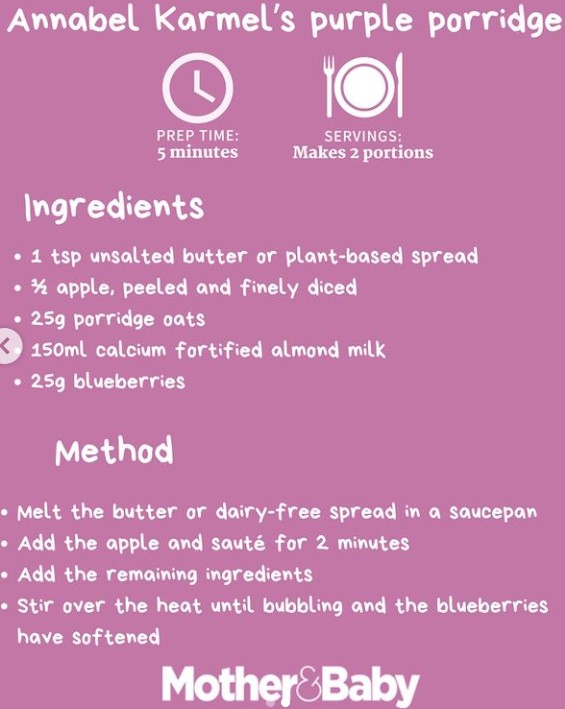
Purple porridge @annabelkarmel @motherandbaby

motherandbaby

Follow

Liked by annabelkarmel and others

  • motherandbaby
  • If you’re up for a breakfast change for your little one, try this no-fail Purple Porridge by cookbook author and child food expert @annabelkarmel. It’s an easy four step recipe. 👩‍🍳

    Packed with nutritious oats for iron and zinc to strengthen the immune system, and sweet blueberries rich in vitamin C and antioxidants to support brain development. It’s a tasty and wholesome start to their day! 💜👶🏻🫐 #motherandbaby