#MayoClinicRecipes: These cranberry orange muffins would make a nice #breakfast treat this weekend. Use Greek yogurt to reduce or replace shortening, oil or butter. This cuts fat and makes muffins extra moist and tender. https://mayocl.in/2Oc6EDS
These tropical #fruits deserve a place on your shopping list at least once in a while. Try these suggestions when you’re craving something sweet for a snack or after dinner. https://bit.ly/3fUfqEq#HarvardHealth
Tropical fruits are those native to warm, tropical climates and include everyday favorites such as bananas and oranges. Here, we’re highlighting a few slightly more exotic choices that deserve a place on your shopping list at least once in a while. Try these suggestions when you’re craving something sweet for a snack or after dinner.
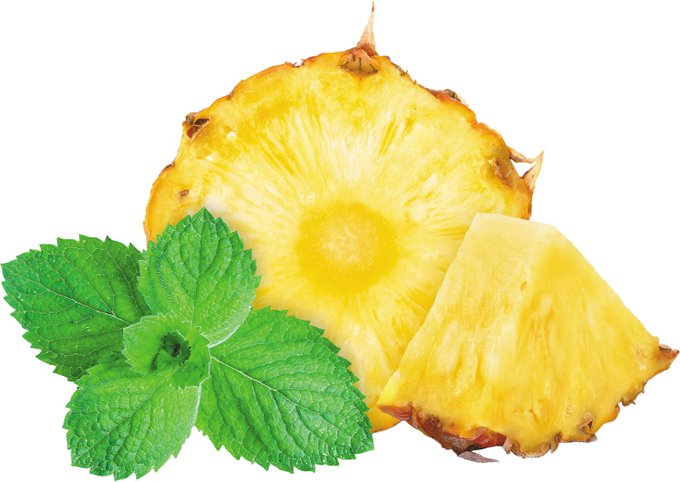
Pineapple. Sure, canned pineapple is convenient, but the flavor of a fresh pineapple is far more vibrant. Try pineapple chunks tossed with chopped fresh mint.
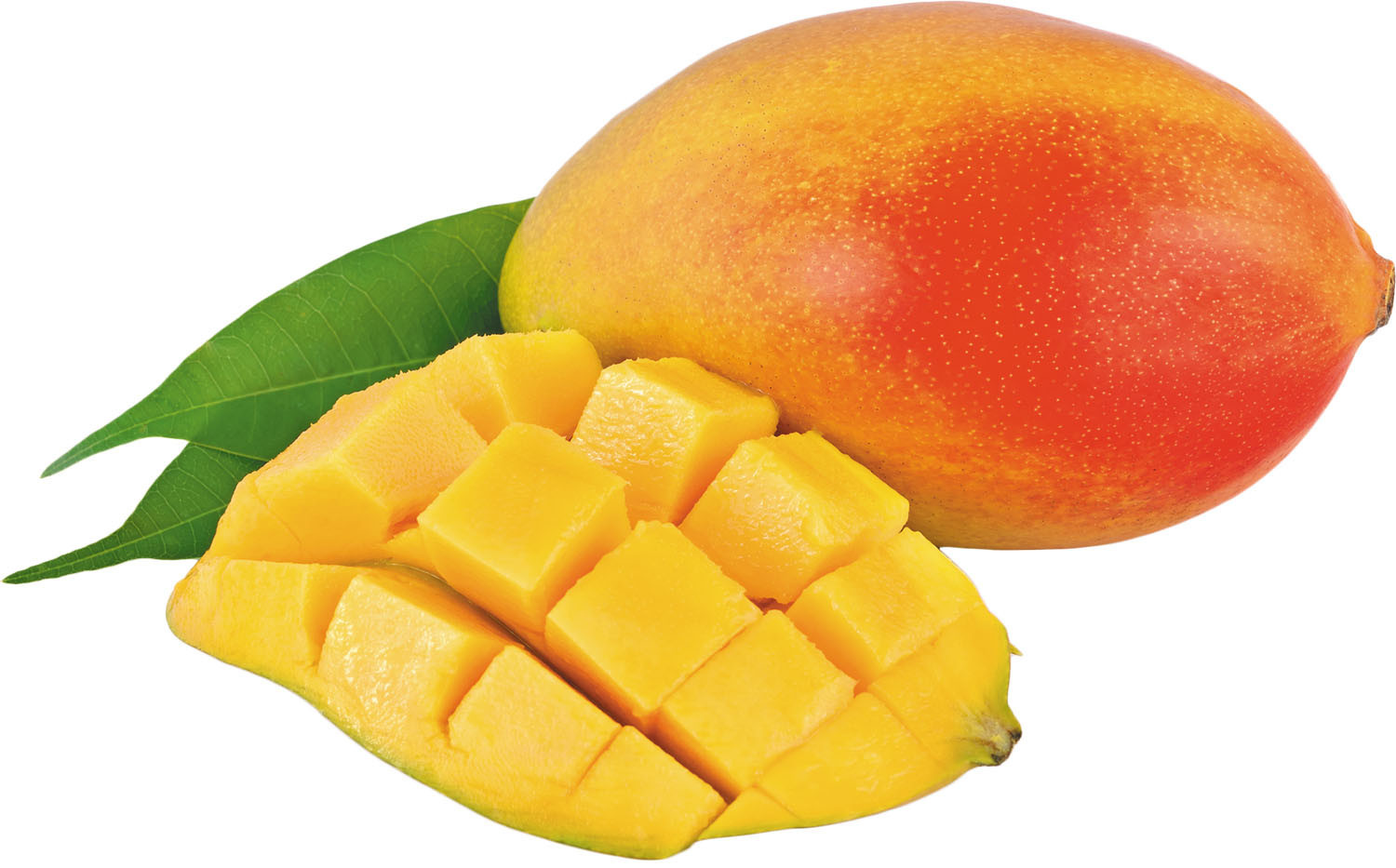
Mango. The pale orange, creamy flesh of ripe mango has a sweet, slightly spicy or pine-like flavor, according to some people. To serve, slice the mango close to the pit, then score the flesh crosswise, as shown above. If you like spicy food, sprinkle with a little chili powder.
Papaya. These large, pear-shaped fruits have reddish-orange flesh with a flavor akin to a melon with a faint floral quality. If you like, you can eat the black seeds, which have a peppery bite. Scoop the flesh out with a melon baller or spoon. A squeeze of fresh lime juice helps temper the sweetness.
March is Endometriosis Awareness Month. Did you know this condition affects 1 in 10 women?
Endometriosis can cause debilitating pain, fertility issues, and significantly impact quality of life.
Megan Davenport, MISCP, Senior Physiotherapist in Pelvic Health at Blackrock Clinic, sheds light on the condition and its symptoms:
“Endometriosis can affect women at any age, from puberty to menopause, though its impact may persist throughout life. It is not just “bad period pain”—it is a long-term condition, and each person’s experience with endometriosis is different.
Women with endometriosis experience a wide range of symptoms, with the most commonly recognised including:
– Heavy periods (needing to change pads/tampons every hour or so)
– Painful periods that interfere with daily activities
– Pelvic, abdominal or back pain, sometimes radiating down the thighs
– Pain during or after sex
– Pain with urination or having a bowel motion
Fatigue, bloating and nausea can also be experienced as well as anxiety and depression.
A top-down view of a chocolate smoothie bowl (thick smoothie served in a bowl with a spoon) garnished with chia seeds, large coconut flakes and cacao nibs. Healthy vegan breakfast. The smoothie portion contains banana, chocolate, almond milk and ice.
This pudding is packed with health-promoting chia seeds, almond milk, cinnamon, cocoa, coconut flakes and dried fruit. It’s the perfect chocolate treat.
Ingredients
½ cup Chia seeds
1 cup vanilla almond milk, unsweetened
1 cup 2% milk (may use all almond for non-dairy option)
1½ tablespoons honey
1 tablespoon cocoa powder, unsweetened
1 teaspoon cinnamon
1 teaspoon vanilla extract
2 tablespoons coconut flakes, unsweetened
2 tablespoons dried tart cherries, or other unsweetened dried fruit
Directions
Place chia seeds, milks, honey, cocoa, cinnamon and vanilla in a glass container with a tight lid.
Seal and shake well to combine. Refrigerate for at least 5 hours or overnight.
Serve topped with coconut flakes and dried fruit to garnish.
Note: For a smoother texture, blend pudding in a high power blender before refrigerating. Be sure to blend well to avoid a gritty texture.
Nutrition information
Makes 6 servings
Each 1/2 cup serving contains:
Calories 140
Total fat 7g
Saturated fat 2g
Trans fat 0g
Protein 4g
Total carbohydrate 16g
Fiber 6g
Sugar 7g
Cholesterol 5mg
Sodium 150mg
Physiotherapists rarely get a mention, but they improve the lives of millions of people every single year and so many of us would struggle without them. Huge thanks to every single one of you.
Kickstart your New Year’s health resolutions this month with these top nutrition tips from our Senior Dietitians at Blackrock Health Hermitage Clinic. Prioritise your health this year by following some simple guidelines:
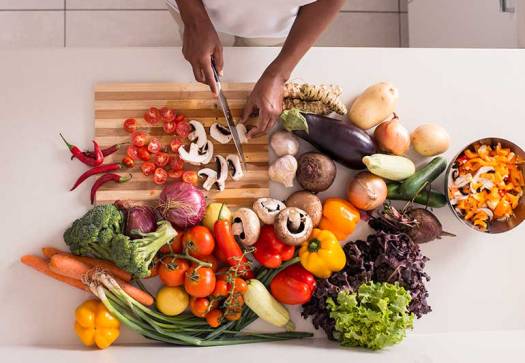
– Prioritise whole foods: Swap processed snacks for nourishing, nutrient-dense snacks such as nuts and dried fruits, fruit and yogurt, cheese and crackers, nutty flapjacks, oat snacks. When opting for convenience snacks be aware of the ingredient list, some snacks which may label themselves as ‘healthy’ alternatives may have a long list of ingredients, generally the more whole ingredients and the shorter the list the better!
– Stay hydrated: Start each day with a glass of water and aim for 8 glasses throughout the day. Proper hydration is key for energy and overall well-being.
– Limit alcohol: Alcohol dehydrates and can cause fatigue which leads to poorer food choices as well as negatively impacting overall health. Swap alcoholic drinks for non-alcoholic alternatives where possible and aiming for at least three alcohol free days per week.
– Stay active: Incorporating some daily movement (outside if possible) will support overall mood, energy levels and health.
– Plan ahead: Try not let busy schedules derail your healthy eating goals. Meal prepping, batch cooking and planning snacks will help you stay on track.
At Blackrock Health, our Dietetics and Clinical Nutrition department is made up of Registered Dietitians who help manage and support a variety of nutritional and medical concerns to patients across our clinics.









 Healthaware