Registered dietitian Lara Whitson, RD, LD, shares how watermelon is actually healthy for you, along with five watermelon recipes.
Is watermelon healthy?
Watermelon is 92% water. No surprise there, considering it’s in the name. But more than keeping you hydrated during hot summer days, watermelon has a number of other health benefits. It’s packed with antioxidants like lycopene that can help protect against chronic diseases like diabetes and cardiovascular disease.
And when eaten regularly as part of a healthy balanced diet, it can help make you feel fuller longer. With a low amount of calories, sodium and cholesterol, alongside higher amounts of calcium, vitamin C and magnesium, watermelon is one fruit you don’t want to miss out on year-round. Even the rind and its seeds offer some benefits.
“You can stir-fry the rinds with other vegetables and add spices to the seeds, like you might do with pumpkin seeds, for an easy and healthful snack,” says Whitson.
Watermelon basil granita
This shaved ice dessert gets a fruity twist with watermelon chunks. It also pulls in star ingredients like fresh lime juice and basil leaves, which offer their own health benefits for a refreshing mid-afternoon sweet escape.
Watermelon, tomato and herb salad with feta
Calorie-conscious dishes can still go big on flavor. This refreshing salad, perfect for picnics and cookouts, pairs watermelon with tomatoes bountiful in benefits, alongside red wine vinegar, fresh mint, almonds and feta cheese.
Fresh watermelon fruit smoothie
This is just one of several ways to crank up your chill summer drinks: Puree 1-1 1/2 cups chopped watermelon with 1 cup ice and a little water or fresh juice for a sip-worthy smoothie as you soak in the sun.
Watermelon salad with cucumber, tomato and almonds
This recipe doubles down on the use of veggies by incorporating beefsteak tomatoes, cucumber, a fresh ear of corn and basil, along with a hearty serving of watermelon for a subtly sweet finish.
Fruit salad spring rolls
Not only is this sweet snack filling, but it also puts a dessert-like twist on classic Vietnamese and Thai spring rolls. By wrapping julienned watermelon, green apple and pineapple in spring roll wrappers made from rice paper, and creating a dipping sauce with Greek yogurt and tahini, this recipe makes for a great palate cleanser for any summer cookout.
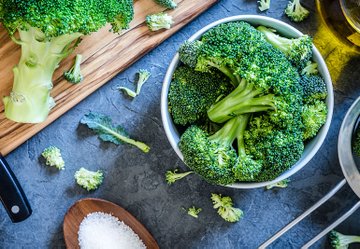
“Eat your broccoli,” may be a familiar refrain from your childhood. Maybe you didn’t love broccoli as a kid, but your parents were onto something. The “little trees” are full of fiber, folate, vitamins and more.
Broccoli is a member of the Brassica genus of plants, also known as the cabbage family. Broccoli’s relatives include Brussels sprouts, cabbage, cauliflower, chard and watercress. Many Brassicas have strong flavors and mix well with meats and other vegetables.
“A pile of steamed broccoli doesn’t appeal to everyone,” recognizes registered dietitian Beth Czerwony, RD, LD. “But broccoli is incredibly versatile and can be used in so many different dishes. Toss it in with your stir fry, chop it fresh in a salad or roast it with your baby potatoes. And with an abundance of nutrients, there are many benefits of eating broccoli.”
It’s worth finding ways to add broccoli to your diet because it’s a health-boosting dynamo. Here’s some motivation for you to get your green on: Some of the beneficial substances in broccoli are somewhat unique to the Brassica family of vegetables. Broccoli provides nutrients that may:
Reduce your risk of cancer.
Help control blood sugar.
Protect your gut.
Boost immunity.
As a superfood status, broccoli can improve your health with these five components:
1. Compounds to reduce cancer risk
“Broccoli offers some powerful molecules that protect your cells from damage,” says Czerwony. “Some of them even destroy cancer cells.”
Detoxify certain substances that promote the growth of cancer cells, which means they don’t remove the substances, but they remove the harmful effects.
Provide antioxidants, which prevent cell damage that can lead to cancer.
Stop the growth and spread of cancer cells.
Support apoptosis, your body’s process for destroying cells that could turn into cancer.
These anticancer molecules are in several of broccoli’s cruciferous veggie relatives, too. These nutrients don’t survive cooking or freezing. So, to get the benefits, raw broccoli is best.
“Some of these compounds are even more concentrated in broccoli sprouts,” notes Czerwony. “You can find broccoli sprouts in health food stores and many grocery stores. Sprouts are also easy to grow at home using a sprouting kit.”
2. Nutrients to help manage blood sugar
Both human and lab studies suggest compounds in broccoli may help lower blood sugar in people with Type 2 diabetes. This effect may be due to the antioxidants in broccoli, like vitamin C.
Research shows that fiber can also help with blood sugar management. At 2.5 grams of fiber per cup, broccoli is a good source of this nutrient.
3. Ligands to protect your gut
In a nonhuman study, researchers found that broccoli can help protect the lining of your small intestine. Compounds found in broccoli, called aryl hydrocarbon receptor ligands, help keep small intestine cells working well.
Why do those cells matter so much? When your small intestine lining is healthy, it only allows water and nutrients to pass through it into your bloodstream.
But when the cells of the lining are damaged, undigested food particles, bacteria and other disease-causing particles may pass through. A damaged small intestine lining can lead to infections and inflammation. It can also prevent you from absorbing the nutrients you need.
4. Vitamin C to boost immunity
Vitamin C is well-studied as an immune-boosting nutrient. When you don’t have enough vitamin C, you’re more likely to get infections.
The antioxidant effects of vitamin C also help your body keep free radicals under control. “Free radical damage is linked to all kinds of problems, including Alzheimer’s disease, autoimmune diseases, cancer, heart disease and Parkinson’s disease,” says Czerwony. When you don’t have enough antioxidants to neutralize free radicals, they damage your cells.
Surprising but true: Broccoli has more vitamin C than oranges. In 1 cup of the green cruciferous veggie, you get a whopping 81 milligrams of vitamin C. That’s 90% of the daily U.S. recommended dietary allowance (RDA) for adults. (An orange has about 70 milligrams.)
5. Nutrients to help heart health
Research suggests certain bioactive compounds in broccoli may boost your heart health in a variety of ways. It may:
Lower triglycerides and LDL (“bad”) cholesterol: “High LDL can lead to fatty deposits on your artery walls, increasing your risk of artery disease, stroke and heart attack,” Czerwony explains. Research shows that eating broccoli can lower triglycerides, a type of fat, as well as LDL.
Reduce calcium buildup in blood vessels: When calcium builds up on your blood vessel walls, it increases your risk of heart attack and stroke. According to research, broccoli can help reduce this calcium buildup.
Is frozen broccoli healthy?
“If you want those anticancer compounds like sulforaphane, choose fresh broccoli,” advises Czerwony. Freezing inactivates sulforaphane.
“Frozen broccoli also loses a bit of its vitamin content. But overall, frozen broccoli is still very healthy. It’s better than not eating any broccoli because you still get a lot of the health benefits,” she continues.
Need some broccoli-inspired meals? Try these easy recipes:
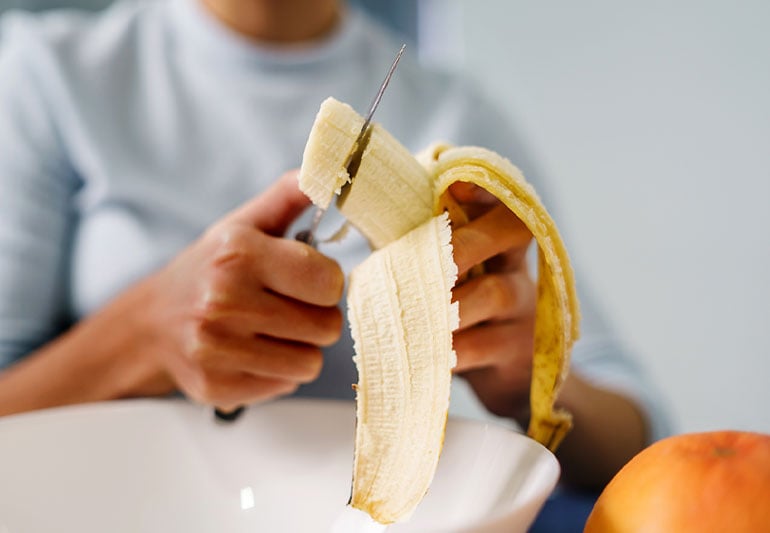
Some have called bananas “nature’s perfect snack,” and it’s easy to see why. The curvy yellow fruits come conveniently packaged, travel well in a lunch bag or purse and are incredibly versatile. They make a great smoothie mixer or a tasty topper on cereal or oatmeal and even have their very own category of (delicious!) muffins and bread.
Are bananas healthy?
“Absolutely,” says registered dietitian Elyse Homan, RD, LD. “They’re full of nutrients and easy on the gut. Very few people have problems digesting bananas.”
So, what are you eating when you peel and enjoy? A medium-sized ripe banana contains:
105 calories.
1 gram of protein.
28 grams of carbohydrates.
15 grams of (natural) sugar.
3 grams of fiber.
Less than 1 gram of fat.
Health benefits of eating bananas
From vitamins to minerals to fiber, bananas are good for you, with lots of nutrition to offer. Plus, they’re easy to digest, reiterates Homan. Here’s a breakdown of banana’s most notable nutritional benefits:
1. Fiber for improved digestion and disease prevention
With 3 grams (g) of fiber, a banana supplies nearly 10% of what you need in a day, based on a 2,000-calorie daily diet, according to the U.S. Department of Agriculture (USDA) dietary guidelines.
You hear “fiber” and probably automatically think of digestion. It’s true — fiber is great for your gut. It helps keep things moving in your intestines, and most of us probably need to eat more.
Vitamin C (ascorbic acid) is a nutrient that helps your body absorb iron and boosts your immune system’s ability to fight illness. Adults need 75 to 90 milligrams (mg) per day. A banana delivers about 10 mg of vitamin C.
Vitamin C is one of many antioxidants you can get from food. Antioxidants are important because they cancel out free radicals in your body. Free radicals can build up and damage your cells, leading to disease. But antioxidants like vitamin C keep free radicals in check.
“One banana will give you one-quarter to one-third of the vitamin B6 you need in a day,” says Homan.
4. Potassium for organ health and lower blood pressure
The USDA recommended daily intake of potassium for adults is 4,700 to 5,000 mg. A banana supplies you with about 422 mg, or a little less than 10% of what you need per day.
Potassium, a mineral, does a lot for your body. It’s essential for the proper function of your:
Heart.
Kidneys.
Muscles.
Nerves.
Getting enough potassium also keeps your blood pressure in a healthy range. Potassium, which lowers blood pressure, balances out sodium, which raises blood pressure.
Homan says potassium also benefits your vascular system — the network of blood vessels and lymph vessels that run through your body’s tissues and organs — and reduces your risk of:
Heart disease.
Kidney failure.
Stroke.
5. Magnesium for improved blood pressure, blood sugar and more
A single medium-sized banana offers about 32 mg of the mineral magnesium, which fulfills around 8% to 10% of your daily magnesium requirement.
Magnesium is involved in many processes in your body, including:
Blood pressure.
Blood sugar levels.
Building proteins.
Maintaining bone.
Muscle function.
Nerve function.
Bananas and resistant starch
Green, or unripe, bananas are high in resistant starch. “Your body can’t digest resistant starch,” notes Homan. “Instead, it’s a prebiotic that promotes the growth of good bacteria in your colon.” Prebiotics improve digestive health and can be helpful if you’re experiencing diarrhea.
“I often hear patients say they avoid bananas since they’ve heard the fruit is too high in sugar,” says Homan. As bananas ripen, much of the resistant starch changes to sugar. But the health benefits of antioxidants and fiber outweigh the naturally occurring sugar. For those worried about blood sugar levels, pair bananas with a protein source such as peanut butter or a cheese stick for better control.
A small word of warning about unripe bananas: “If you’re not used to eating resistant starch, start slowly to let your body get used to it. Some people can experience constipation, gas and bloating at first,” adds Homan.
Another plus of this fruit? In addition to all the health benefits of bananas, they’re less expensive than many other fruits.
Kickstart your New Year’s health resolutions this month with these top nutrition tips from our Senior Dietitians at Blackrock Health Hermitage Clinic. Prioritise your health this year by following some simple guidelines:
– Prioritise whole foods: Swap processed snacks for nourishing, nutrient-dense snacks such as nuts and dried fruits, fruit and yogurt, cheese and crackers, nutty flapjacks, oat snacks. When opting for convenience snacks be aware of the ingredient list, some snacks which may label themselves as ‘healthy’ alternatives may have a long list of ingredients, generally the more whole ingredients and the shorter the list the better!
– Stay hydrated: Start each day with a glass of water and aim for 8 glasses throughout the day. Proper hydration is key for energy and overall well-being.
– Limit alcohol: Alcohol dehydrates and can cause fatigue which leads to poorer food choices as well as negatively impacting overall health. Swap alcoholic drinks for non-alcoholic alternatives where possible and aiming for at least three alcohol free days per week.
– Stay active: Incorporating some daily movement (outside if possible) will support overall mood, energy levels and health.
– Plan ahead: Try not let busy schedules derail your healthy eating goals. Meal prepping, batch cooking and planning snacks will help you stay on track.
At Blackrock Health, our Dietetics and Clinical Nutrition department is made up of Registered Dietitians who help manage and support a variety of nutritional and medical concerns to patients across our clinics.
Kickstart your New Year’s health resolutions this month with these top nutrition tips from our Senior Dietitians at Blackrock Health Hermitage Clinic. Prioritise your health this year by following some simple guidelines:
– Prioritise whole foods: Swap processed snacks for nourishing, nutrient-dense snacks such as nuts and dried fruits, fruit and yogurt, cheese and crackers, nutty flapjacks, oat snacks. When opting for convenience snacks be aware of the ingredient list, some snacks which may label themselves as ‘healthy’ alternatives may have a long list of ingredients, generally the more whole ingredients and the shorter the list the better!
– Stay hydrated: Start each day with a glass of water and aim for 8 glasses throughout the day. Proper hydration is key for energy and overall well-being.
– Limit alcohol: Alcohol dehydrates and can cause fatigue which leads to poorer food choices as well as negatively impacting overall health. Swap alcoholic drinks for non-alcoholic alternatives where possible and aiming for at least three alcohol free days per week.
– Stay active: Incorporating some daily movement (outside if possible) will support overall mood, energy levels and health.
– Plan ahead: Try not let busy schedules derail your healthy eating goals. Meal prepping, batch cooking and planning snacks will help you stay on track.
At Blackrock Health, our Dietetics and Clinical Nutrition department is made up of Registered Dietitians who help manage and support a variety of nutritional and medical concerns to patients across our clinics.
Fuel up with protein and healthy fats for breakfast!
A meal that’s heavy in sugar and starch is no way to start your day – especially if you’re following the ketogenic diet.
These recipes from functional medicine specialist Mark Hyman, MD, are a great way for anyone — keto or not — to bring real, whole, fresh foods (including non-starchy vegetables) to your plate first thing in the morning.
There is something special about using fresh peas straight out of the pod. This recipe was inspired by our root-to-stem philosophy of cooking: It always seems like such a waste to throw away the pea pods, but they are relatively inedible. To make use of the pods, we’ve pureed them into a spring-fresh pasta sauce. Remember: Pasta for breakfast is a great choice, especially when it’s loaded with healthful pea protein.
Ingredients
Kosher salt 1 pound fresh English peas in pods (yields about 1 cup shelled peas and about 3 ½ cups pods) ½ cup water ¼ cup extra-virgin olive oil 2 small spring onions or 2 large shallots, chopped 2 small spring garlic (whites) or 3 garlic cloves, minced 2 tablespoons Greek yogurt (optional) 12 ounces whole grain pasta, such as linguine, rigatoni or small shells Freshly ground black pepper ¼ cup fresh mint (peppermint preferred), thinly sliced Espelette pepper to taste (optional) Grated Parmigiano Reggiano cheese (optional)
Directions
Bring a large pot of water to boil and add enough salt to make it salty like the sea.
Meanwhile, wash the peas. Pull off the stem ends: remove the peas and place in a small bowl. Reserve the pods.
Fill a bowl with cold water. Set aside. Add the empty pea pods to the pot of boiling water and cook for 5 minutes. Using a slotted spoon or spider, remove the pods from the boiling water and transfer to the bowl of cold water to cool quickly. Drain the pea pods and add to a Vitamix or high-speed blender. Add ½ cup water. Puree for 2 to 3 minutes.
Place a fine strainer over a bowl and add the pea pod puree to the strainer, pressing on the solids to release as much puree as possible into the bowl. Discard the solids in the strainer. Reserve the puree in the bowl; season to taste with salt and pepper.
Cook the pasta in the pot of boiling water until al dente, stirring occasionally.
Meanwhile, in a large skillet, heat the olive oil over medium heat. Add the onions and garlic and sauté until softened, 3 to 4 minutes. Add the peas and cook 2 minutes. Stir in the reserved pea pod puree and Greek yogurt, if using, and cook just until heated through. (Don’t overcook the peas or puree as the sauce will turn brown).
Using tongs or a spider, transfer the pasta to the sauce in the skillet. Toss until combined. Season to taste with salt and pepper. Transfer the pasta to the serving bowl. Add the basil and mint. Serve with Espelette pepper and grated Parmigiano Reggiano cheese, if using.
Nutritional info (per serving)
Makes 4 servings.
Calories: 554 kcal Total fiber: 12 g Soluble fiber: 0.1 g Protein: 15.5 g Total fat: 16.7 g Saturated fat: 2.0 g Healthy fats: 12.1 g Carbohydrates: 84 g Sugars: 7.7 g Added sugars: 0 g Sodium: 178 mg Potassium: 433 mg Magnesium: 14 mg Calcium: 134 mg
Source: The What to Eat When Cookbook by Michael F. Roizen, MD, Michael Crupain, MD, MPH and Jim Perko, Sr, CEC, AAC.
Stay hearty and healthy no matter how cold it gets
Skies are gray, clouds are lowering and the temperature is dropping. And with the changing weather usually comes a transition in food, from the lighter fare of summer to more hearty winter meals.
But what’s the best way to make the switch and stay healthy? Should you really switch up your diet that much? And what’s the best way to adapt your meal planning during the coronavirus pandemic so you don’t have to leave your house as much for grocery runs?
To figure out the best way to approach your winter meal planning, we talked to registered dietitian Lisa Burnett, RD, about some important tips and tricks to getting through the long, cold season with your nutrition intact.
The most important nutrients
You’ve probably heard a lot about the need to up your vitamin D intake, especially during the winter. That’s because vitamin D not only is essential to muscle and bone health, deficiency in vitamin D has also been linked to decreased immunity and fatigue. And it’s harder to keep your vitamin D up in winter.
“We’re supposed to get most of our vitamin D from sunlight but there’s less sunlight in winter, especially in certain regions,” says Burnett. Certain foods like fortified dairy products and cold-water fish (like salmon and tuna) are good sources of vitamin D.
The bottom line, she says, is getting plenty of fruits, vegetables, whole grains and lean proteins. And it’s important to remember that even if the seasons change, your body still needs the same maintenance.
“While your tastes may change, your needs don’t change a lot in terms of the vitamins and nutrients you need,” she notes. “It’s always important to eat well and keep eating fruits and vegetables to get those vitamins and minerals.”
Packing in those nutrients
Other nutrients Burnett suggests getting in your regular cold season diet as it’s better for your body to absorb these through digestion than through supplements.
“Vitamin C can boost your immunity so it’s a great thing to include however if you’re getting two-to-three servings of fruit and three-plus servings of vegetables each day, you should be able to get adequate amount of vitamin C,” she says.
And getting those vegetables doesn’t mean you have to eat a huge serving, either. Generally, a half-cup is good.
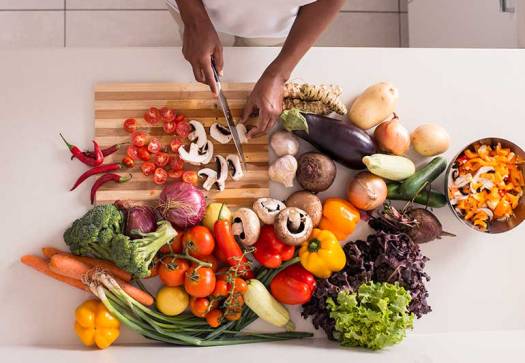
Bell peppers are a good veggie source for vitamin C, Burnett says. And for fruits, the reliable citrus fruits are good sources as are cranberries, which are more in-season, especially during the holidays.
When the season gets colder and drier, many people complain of dry, itchy and flakey skin. vitamin E can reduce inflammation and can help skin health and if you’re keeping that fruit-and-veggie intake up, you should get plenty of that, too.
B vitamins are also important, she says, as they’re antioxidants and influence your energy and brain functions. “Your dark, leafy greens are good sources for those vitamins as are legumes, like beans and lentils,” she adds.
Speaking of tastes changing with the seasons, colder weather often brings on a wave of heartier, heavier foods. But, while these meals may be beloved cold-weather traditions, Burnett says to beware of starches.
Hearty versus healthy
“Winter squashes are considered vegetables, but, nutritionally, they look a lot more like starches,” she points out. “They do have vitamins and minerals but they also have a lot of carbohydrates.”
One way to moderate that intake, she says, is to make sure you include another vegetable into your meal plan instead of another starch. “For instance, if you’re eating chicken with butternut squash, have a salad on the side instead of bread or potatoes. That helps keeps down the starch portion of your plate.
Soups
Soups are very popular in winter for a variety of reasons: they’re easy to make, they warm you up in the cold, they can keep in your freezer or fridge and they offer a wide range of flavors and combinations.
But one thing you should be wary of, Burnett says, is sodium. “That high sodium content is always a fear with soups. If you check the labels of a lot of popular store-bought soups or soups you can buy at restaurants, they have those high sodium levels.”
Instead, she says, consider making your own soups. Not only can you make your own flavor combinations but you can ensure they’re healthier options. And when it comes to bases, she also suggests choosing broth over cream.
“In cream-based soups, you’ll have those saturated fats from whatever dairy was used to make that cream base,” she says. “A great idea is to use low-sodium broth and use real, fresh ingredients.”
One more advantage of soup? A welcomed versatility in a time of social isolation.
Long-term meals
Because of the ongoing pandemic, it’s best to minimize trips to the grocery store (to protect yourself) and minimize those grocery delivery orders (to protect workers). That makes long-term meal planning and meal freezing an overlooked yet key step to staying safe and nutritious this winter.
And that’s where soups can be a big help. Says Burnett, “Soups are great to freeze so they last a long period of time. You can always pair it with a salad or, if it’s a lean protein-based soup, it could be a whole meal by itself. That’s also true of stews, too, as long as you stick healthy, fresh ingredients.”
Burnett says that batch-cooking – cooking many meals in one batch – is a big plus for the winter. “You can make several plates of three or four meals, free them and then work through them over the course of a few weeks,” she says.
She adds that crockpots are a good way to prepare those batch-cooked meals. “With a crockpot, you not only can cook large portions to break up over time but you can also get in everything you need, from proteins to your vegetables with necessary nutrients and minerals.”
The one thing to keep an eye on, besides ingredients, is portion size, she adds. “Certain comfort foods, like lasagna, do well with freezing and keeping for a while. You just need to be aware of portion size and what other vegetables and food options you’re cycling in to go with it.”
Fruits and veggies: fresh, canned or frozen?
Fresh fruits and veggies are always the best options if you can swing it. But certain items may be out of season depending on the time of year. Or maybe you’re looking to minimize trips to the grocery store or get certain produce in bulk.
In that case, you’re faced with a decision: canned or frozen?
According to Burnett, go with frozen. “Frozen vegetables and fruit have come a long way. Steamer bags make it much easier and have helped improve the quality. And nutrient-wise, those frozen options are fairly comparable to the fresh options.”
With the canned options, you run into issues like higher sodium in canned vegetables and higher sugars in the syrup with canned fruits. “There are some options that are healthier, like low sodium canned vegetables,” she says, “but you’ll just need to keep an eye on the nutrition labels and looked for those added sugars and salt.”FACEBOOKTWITTERLINKEDINPINTERESTEmailmeal plannutrientsvitamin cvitamin D
Cleveland Clinic is a non-profit academic medical center. Advertising on our site helps support our mission. We do not endorse non-Cleveland Clinic products or services. Policy
You’re taking cough syrup and lozenges in an attempt to get some relief. But what about using honey for sore throat symptoms? Does this natural home remedy actually work to soothe a sore throat and cough?
In addition to having other symptoms like nasal congestion, fatigue and fever, you may develop a cough.
Honey has a long history of being used as a natural remedy. And one remedy is to soothe sore throats and help alleviate a cough.
“Research shows that honey has some antimicrobial and anti-inflammation properties. Honey can help by decreasing inflammation and irritation in your throat,” explains Dr. Rainbolt. “Another study shows that honey may reduce mucus secretion. So, you can use honey for cough symptoms as well, whether it’s a wet or dry cough.”
Is it safe for children?
Giving honey to a child under 1-year-old isn’t recommended, warns Dr. Rainbolt.
“There’s concern for an infant botulism, a serious illness that’s caused by Clostridium botulinum,” she continues. “While it’s a rare occurrence, honey can contain spores that cause botulism. It attacks the body’s nervous system and children under one are more vulnerable.”
How to use for a sore throat
Most sore throats tend to get better within a week, but during that time, adults can take a spoonful (about 1 teaspoon) of honey for a cough and sore throat.
You can also dilute half a teaspoon to 1 teaspoon of honey in warm water or tea. This method is also recommended for children older than 1.
“You can use it with any kind of herbal tea or warm water with lemon juice, which can be soothing as well,” says Dr. Rainbolt.
So, how often can you use this home remedy? Dr. Rainbolt recommends using honey no more than four or five times a day.
And part of that reasoning is that honey does contain sugar.
“If you’re concerned about your sugar intake, then I recommend using honey more sparingly,” she says. “I would just use it at night to give you some relief before you go to bed.”
And can you use both honey and traditional cold medicine?
Yes, says Dr. Rainbolt.
“If it seems like the honey isn’t helping on its own, then you can certainly do both honey and medication, if medicine is something that you are able to take,” she notes.
Is honey safe to use?
Honey can be a helpful tool for those who can’t take traditional cold medications — for example, children under 6 years old or individuals with health conditions like high blood pressure or cardiovascular disease.
Overall, honey can be a good way to help soothe your sore throat and cough. It doesn’t come with some of the side effects that over-the-counter medications have like drowsiness.
So, can you just buy any honey you see on the grocery store shelf?
Yes, but you might want to make sure it’s been pasteurized. The pasteurization process removes any crystallization and unwanted yeast. It also improves honey’s texture and color, while extending its shelf life.
Dr. Rainbolt also mentions that some people think using local honey, which tends to be unpasteurized or raw, can come with extra benefits.
“There’s a thought that if you use local honey, you are exposed to some of the area’s natural allergens in a positive way,” she explains. “The idea is that it will help with allergies you have.”
The next time your throat starts to tickle, reach for honey and see if it helps.
“Think of honey as a first line of defense for those over 1 year old,” says Dr. Rainbolt. “Honey is something that pretty much everyone can try. And it’s been shown to work as well as some cough suppressant medications. It’s a nice alternative.”
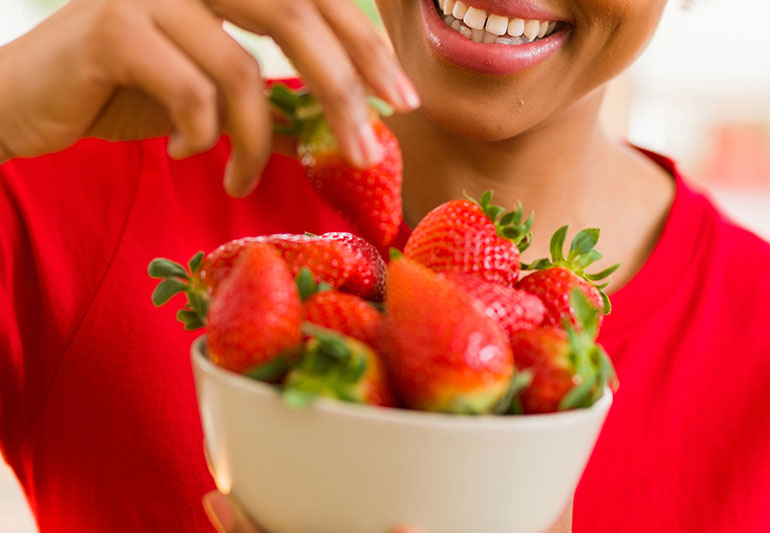
Strawberries are an iconic summer fruit — delicious in lemonade, on shortcakes or just straight out of the basket. And it turns out they may be the sweetest way to stay healthy, too. Registered dietitian Bailey Flora, MS, RDN, LD, explains the benefits of strawberries and what nutrients they contain that make strawberries so good for you.
Why are strawberries good for you?
“Strawberries give you a lot of nutritional value for very few calories,” says Flora. “They’re tasty but naturally low in sugar. That’s a combination that’s hard to beat.”
For starters, strawberries are loaded with vitamin C. Eight medium strawberries contain 160% of your daily recommended amount — the amount that the U.S. Food and Drug Administration (FDA) recommends you eat every day. That’s more vitamin C than you get from an orange, the fruit famous for its vitamin C.
Strawberries are also packed with antioxidants, which protect cells from damage. The primary antioxidant in strawberries is anthocyanin, which gives the fruit its color. The amount of anthocyanin in strawberries increases as the fruit ripens. So, the redder the berry, the more antioxidants it contains.
Strawberries also have fiber and several other important vitamins and minerals, including manganese, potassium and folic acid. And strawberries have less natural sugar than other popular fruits such as apples and bananas.
Health benefits of strawberries
Strawberries are a nutrient-rich snack that can:
1. Boosts brain power
As your brain ages, it can lose some of its mental sharpness. But according to research, eating strawberries protects your brain’s processing powers as you get older.
The Nurses’ Health Study measured brain function in more than 16,000 participants over six years. It found that people who ate the most blueberries and strawberries had less cognitive decline — their thinking and processing abilities didn’t weaken as much. They had the brain power of someone up to two and a half years younger.
Researchers believe the protective effects are due to the antioxidants that safeguard cells. Some of the antioxidants in strawberries also reduce systemic inflammation, when your body is in a state of constant inflammation (swelling and irritation). Systemic inflammation is a key factor in the development of Alzheimer’s disease.
2. Strengthens your immune system
Strawberries are a great source of vitamin C (ascorbic acid), which you need to get from food, as your body can’t produce it. In rare cases, people who don’t get enough of this crucial vitamin develop scurvy, a disease that causes bleeding, bruising and anemia.
Vitamin C plays an important role in wound healing. And it may prevent and treat respiratory and systemic infections too. Research shows that vitamin C increases the production of:
T-cells, which remove infected and cancerous cells.
B-cells, which create antibodies so your body can better defend against germs in the future.
Vitamin C is also anti-inflammatory, lowering your stress response triggered by illness or just your busy life. To ward off germs, researchers suggest getting 100 to 200 milligrams (mg) of vitamin C a day — and more when you’re sick. As eating eight medium strawberries gives you 160 mg, it takes just a handful of berries to help keep your immune system in good shape.
“There isn’t enough evidence to say whether vitamin C can prevent colds and the flu,” says Flora. “And it can be more beneficial to choose vitamin-C-rich foods like strawberries over vitamin C supplements, as you get additional health benefits. With strawberries, that includes fiber and other phytonutrients and vitamins that cannot be replicated in a vitamin supplement.”
3. Protects heart health
Flora says that popping a few strawberries in your mouth isn’t just a way to stave off hunger — it’s also a heart-healthy food choice. Research shows that strawberries can help prevent several conditions that can lead to heart disease and stroke, as well as diabetes, which increases the likelihood of heart disease. Eating more strawberries can help you:
Lower cholesterol
In one small study, participants consumed two drinks a day, each made with 25 milligrams of freeze-dried strawberry powder blended with water. That’s about the same as eating 3.5 cups of fresh strawberries a day. After a month, the participants’ total cholesterol was 5% lower.
The cholesterol-lowering results of that study were echoed in another study that gave participants the same amount of freeze-dried strawberry powder. But this time, they consumed the drink for two months. Researchers compared the results to a group that just drank more water. Those who sipped the strawberry drink saw their cholesterol decrease by 10%.
Decrease triglycerides
Triglycerides are fats found in your blood. Having high triglycerides increases your risk of heart disease. And when triglycerides break down, they leave byproducts that trigger inflammation, attracting sticky deposits to blood-vessel walls. That material can clog your arteries (atherosclerosis), explains Flora.
But eating a pound of strawberries a day may reduce triglycerides by 20%. That’s the result of one study, which also found that strawberries reduced total cholesterol by 8%.
4. Reduces inflammation
Widespread internal inflammation contributes to multiple diseases, including heart disease. Lifestyle factors like a poor diet, low physical activity and smoking can lead to inflammation.
Eating more strawberries is a step in the right direction to boost your heart health, says Flora. That’s because the most prevalent antioxidants in strawberries are anthocyanins, known for their anti-inflammatory effects.
5. Helps manage blood sugar
Too much glucose (sugar in your blood) is a risk factor for Type 2 diabetes, making you more likely to develop heart disease, too. If you’re watching your blood sugar levels, strawberries are a good way to satisfy your sweet tooth.
In a Finnish study, people who ate strawberries with a piece of white bread released 26% less insulin compared with eating bread with a cucumber. Participants also ate the bread with other berries, including raspberries and cranberries. Only strawberries weakened the post-meal blood sugar spike.
Strawberries are a great addition to a healthy diet, especially when you eat them on their own — Flora advises laying off the calorie-laden whipped cream, cake or ice cream. (Sorry!) They’re delicious, full of good-for-you nutrients and low in sugar. Try this strawberry smoothie. (Surprise — it’s green!) And for a strawberry treat that’s not too sweet, make these strawberry pretzel squares at your next get-together.FACEBOOKTWITTER





 Healthaware