We all want to protect our kids whether it be from falls, bumps and bruises — or avoidable infections and diseases. To help your child avoid illness, it’s important to encourage good habits and take steps to boost their immune system from an early age.
“Most of what makes a child’s immune system strong is common sense,” says pediatrician Adriane Lioudis, MD. If you keep these five tips in mind, you’ll stack the deck in your child’s favor for a healthier life.
1. For newborns, consider breastfeeding
While it’s a very personal decision (that isn’t always possible), if you are able to exclusively breastfeed your child for at least six months, it may have benefits. Some research shows that breastfeeding your child might possibly reduce allergies, Dr. Lioudis says.
2. Promote regular hand washing
Eighty percent of infections are spread by touch. Teach your little one to take the time to wash their hands after sneezing, coughing and going to the bathroom. Washing hands with warm water and soap for at least 20 seconds can remove bacteria and viruses and can reduce the chance of lung infections by up to 45%.
“Get the flu shot for your child yearly, as well,” Dr. Lioudis says. This is particularly important for children with asthma and other chronic health conditions.
Also, if your family will be traveling internationally, it’s important to seek advice from your child’s healthcare provider about any needed vaccinations.
4. Make sleep a priority
To maximize immunity, children must get enough sleep.
Babies between 0 and 3 months need 14 to 17 hours of sleep. Those between 4 and 12 months need 12 to 16 hours of sleep.
Children between the ages of 1 and 2 need between 11 and 14 hours.
Kids between the ages of 3 and 5 should get from10 to 13 hours.
Children ages 6 to 12 should get between 9 and 12 hours.
Teens between the ages of 13 to 18 need 8 to 10 hours.
Not getting enough sleep limits the body’s ability to produce proteins called cytokines that help fight infection and reduce inflammation.
5. Encourage a healthy diet
A healthy diet is also important for your child’s immune system.
Dr. Lioudis recommends encouraging your child to “eat the rainbow” when it comes to fruits and vegetables. A good selection of whole grains should be part of their diet as well. Keep processed foods to a minimum. Proper food choices can help ensure that your child gets enough vitamins — such as vitamin A and E. These vitamins are needed to maintain good health and a strong immune system.
You can’t avoid all illness, but some kids need extra protection
“Even if you follow these tips, your child might still get between seven and 11 colds each year,” says Dr. Lioudis. She adds that you can expect each one to last up to two weeks.
Also, keep in mind that some things billed as common “remedies” aren’t effective in boosting immunity. For example, there’s no definitive proof that large amounts of vitamin C or echinacea help prevent colds or shorten them, she says.
However, if your child has a compromised immune system, work closely with your pediatrician to find ways to improve his or her immunity. Each child needs a personalized approach because their individual immune system varies, Dr. Lioudis says.
“There’s generally a different protocol with immunocompromised children. There are some vaccines we have to add in on top of what most children have, but it’s something that we must determine on a case-by-case basis.
You’re taking cough syrup and lozenges in an attempt to get some relief. But what about using honey for sore throat symptoms? Does this natural home remedy actually work to soothe a sore throat and cough?
In addition to having other symptoms like nasal congestion, fatigue and fever, you may develop a cough.
Honey has a long history of being used as a natural remedy. And one remedy is to soothe sore throats and help alleviate a cough.
“Research shows that honey has some antimicrobial and anti-inflammation properties. Honey can help by decreasing inflammation and irritation in your throat,” explains Dr. Rainbolt. “Another study shows that honey may reduce mucus secretion. So, you can use honey for cough symptoms as well, whether it’s a wet or dry cough.”
Is it safe for children?
Giving honey to a child under 1-year-old isn’t recommended, warns Dr. Rainbolt.
“There’s concern for an infant botulism, a serious illness that’s caused by Clostridium botulinum,” she continues. “While it’s a rare occurrence, honey can contain spores that cause botulism. It attacks the body’s nervous system and children under one are more vulnerable.”
How to use for a sore throat
Most sore throats tend to get better within a week, but during that time, adults can take a spoonful (about 1 teaspoon) of honey for a cough and sore throat.
You can also dilute half a teaspoon to 1 teaspoon of honey in warm water or tea. This method is also recommended for children older than 1.
“You can use it with any kind of herbal tea or warm water with lemon juice, which can be soothing as well,” says Dr. Rainbolt.
So, how often can you use this home remedy? Dr. Rainbolt recommends using honey no more than four or five times a day.
And part of that reasoning is that honey does contain sugar.
“If you’re concerned about your sugar intake, then I recommend using honey more sparingly,” she says. “I would just use it at night to give you some relief before you go to bed.”
And can you use both honey and traditional cold medicine?
Yes, says Dr. Rainbolt.
“If it seems like the honey isn’t helping on its own, then you can certainly do both honey and medication, if medicine is something that you are able to take,” she notes.
Is honey safe to use?
Honey can be a helpful tool for those who can’t take traditional cold medications — for example, children under 6 years old or individuals with health conditions like high blood pressure or cardiovascular disease.
Overall, honey can be a good way to help soothe your sore throat and cough. It doesn’t come with some of the side effects that over-the-counter medications have like drowsiness.
So, can you just buy any honey you see on the grocery store shelf?
Yes, but you might want to make sure it’s been pasteurized. The pasteurization process removes any crystallization and unwanted yeast. It also improves honey’s texture and color, while extending its shelf life.
Dr. Rainbolt also mentions that some people think using local honey, which tends to be unpasteurized or raw, can come with extra benefits.
“There’s a thought that if you use local honey, you are exposed to some of the area’s natural allergens in a positive way,” she explains. “The idea is that it will help with allergies you have.”
The next time your throat starts to tickle, reach for honey and see if it helps.
“Think of honey as a first line of defense for those over 1 year old,” says Dr. Rainbolt. “Honey is something that pretty much everyone can try. And it’s been shown to work as well as some cough suppressant medications. It’s a nice alternative.”
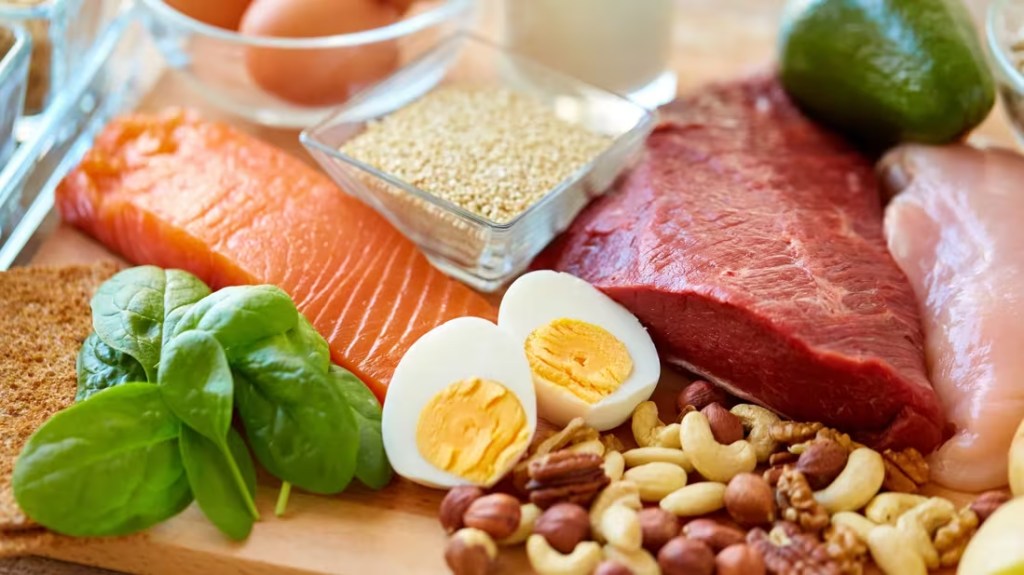
Lean meats, fish, dairy and plant proteins can help you meet your protein needs without piling on saturated fat and sugar
You have options when it comes to putting protein on your plate. Lots and lots of options. But as you’re considering what proteins to include, remember this: Not all proteins are created equal.
For example, both hot dogs and cooked lentils offer protein — but one brings a little more to the table when it comes to nutrition and your health. (It’s lentils, just to be clear.)
“There’s more to it than just getting as many grams of protein as possible,” says registered dietitian Julia Zumpano, RD, LD. “Quality matters — and a lot of us don’t regularly consume good-quality protein that enhances our overall diet.”
What makes a protein source a good choice?
Foods aren’t made of protein alone. That’s why simply comparing the number of protein grams on two nutrition labels doesn’t really tell you which might be the healthier choice.
Other factors matter, too, including the food’s overall nutrient profile. Consider how much added sugar, sodium or saturated fat it contains. Look at whether it provides beneficial nutrients, like fiber, vitamins and minerals.
“Over the long term, all of these affect your health,” says Zumpano.
Ideally, she recommends getting most of your protein from a variety of whole or minimally processed foods. That can include animal-based products, as well as plant-based protein sources.
What might that look like for meals? Start with these healthy protein sources.
Fish
If you’re fishing for a healthy protein, the seas are an excellent place to start. Like other animal proteins, fish naturally provide a concentrated source of protein. Fish generally contain about 7 grams of protein per ounce, although the exact amount varies by type.
Many fish are also lower in saturated fat and higher in omega-3 fatty acids, a one-two combination that makes them a standout for heart health. They’re also packed with key nutrients like vitamin D.
“Fish is a phenomenal protein source,” says Zumpano. “Regularly swapping it in for other meat sources can help you build a healthier and more varied eating pattern.”
Lean red meat
Red meat has a place in a healthy diet. But the key is to choose lean cuts.
Picking a leaner cut gets you protein — about 7 grams per ounce — while minimizing saturated fat. Examples of lean cuts include tenderloin, sirloin, top round and flank steak. For ground beef, opt for 90% lean or higher.
Skinless poultry
Chicken, turkey and other poultry can give you protein without all the saturated fat found in some other meat choices — but how you prepare it makes a difference.
Zumpano recommends going with skinless white meat poultry. Like fish and red meat, it provides roughly 7 grams of protein per ounce. (There’s some variation depending on what you choose.)
Prefer dark poultry meat? That’s OK! It has a place on the table. Ideally, try to choose dark varieties (like legs, thighs and wings) a little less often because they’re higher in saturated fat.
Lean toward baking, grilling or roasting your poultry, too, and go easy on adding salt. Avoid deep-frying chicken or coating it in breading to stay on the healthier side.
Dairy foods
Dairy-based foods can be an easy way to work more protein into your day, especially at breakfast. Zumpano says she often recommends eating Greek yogurt or cottage cheese in the morning.
Greek yogurt typically packs 11 to 12 grams of protein in a half-cup serving. Cottage cheese has 12 to 14 grams of protein in a half-cup serving.
Starting the day with either can pay off later. A protein-rich breakfast can help support steadier energy, blood sugar and appetite levels, which can keep you from crashing as the hours pass by.
Eggs
Eggs are another simple, whole-food protein source that traditionally shines in the morning.
But eggs can also bring a protein boost to your lunch, Zumpano says. Hard-boiled eggs make a good snack, too!
That versatility with eggs makes it easier to spread protein intake throughout your day, which maximizes your body’s ability to get the most out of it. One large egg typically has 6 grams of protein.
Legumes
Plant proteins deserve a regular place on your plate — and not just if you’re vegetarian or vegan. Cooked beans, lentils and other legumes provide about 15 grams of protein per cup, along with benefits you won’t get from meat alone.
“Plant proteins offer a whole slew of powerful vitamins, minerals and antioxidants — and the fiber that’s in it aids in creating a healthy gut microbiome, digestion and regularity,” Zumpano explains.
Nuts and seeds
Nuts and seeds are another easy way to add plant-based protein to your diet when you get the munchies. They offer a healthy dose of protein — on average, 6 to 7 grams per ounce — along with fiber and other nutrients.
The healthy fats found in nuts and seeds can also help manage your blood sugar and appetite throughout the day.
“A handful of nuts or seeds can be a nutrient-dense snack choice that offers far more than chips or other carb-heavy options,” notes Zumpano.
Tofu and tempeh
If you want to make plants the star of the meal, tofu and tempeh are excellent choices. These soy-based foods are rich in protein and have enough texture and heft to serve as meat substitutes.
Tofu typically offers between 10 and 15 grams of protein per half cup. Tempeh is higher at 15 to 20 grams.
But don’t feel like you need to go “plant-only” to use tofu and tempeh. Add them into your meal rotation with red meat, chicken and fish. “Use them to build some variety into your diet,” suggests Zumpano.
High-protein foods to limit
A package that screams “20 grams of protein!” doesn’t automatically make a food healthy.
Some protein choices come with lots of saturated fat or heavy processing that may make them less than ideal.
Try to limit:
Processed meats: Bacon, sausage, hot dogs and deli meats may contain protein, but they’re also high in saturated fat. That doesn’t mean they’re off-limits forever — but they shouldn’t be your go-to protein sources.
Fast-food burgers and other fatty meats: Yes, a double cheeseburger or a deli sandwich has protein. They also tend to come with a lot of saturated fat, sodium and calories. Try to limit meals from a drive-thru window.
Highly processed protein-enhanced foods: Protein chips. Protein cereal. Protein waffles. Yes, protein seems to be everywhere. But everything you eat doesn’t need to be protein-packed. Don’t choose processed food solely for the promise of extra protein.
Tips to make healthier protein choices
You don’t need to obsess over every gram of protein when putting together meals. Instead, focus on quality, variety and nutritional balance. Zumpano recommends:
Choosing whole foods: Build meals around foods that aren’t heavily processed.
Mix up your sources: Don’t rely only on animal protein. Include plant proteins, too.
Spread it out: Many people pack in their protein at dinner and skimp at breakfast and lunch. Aim for a more even distribution.
Pair protein with fiber: This combination can slow digestion, helping support steadier blood sugar levels and keeping you feeling full longer. It can also make meals and snacks more balanced and satisfying.
Be skeptical of protein marketing: High-protein is only one part of the nutritional story. Look closely at products to understand better what you’re eating.
“Protein doesn’t have to feel complicated,” reinforces Zumpano. “Find some protein-rich whole foods you enjoy and build meals from there. Do that consistently and your body will get the healthy protein it needs.”
This bright, lemony salad is best made with farm-fresh asparagus, which is dressed and eaten raw here. Look for stalks that are bright green with firm, tight tips. Buy it in season from your local farmer’s market.
Ingredients
1 pound fresh asparagus 1 tablespoon fresh lemon juice 1 tablespoon extra virgin olive oil 1/8 teaspoon kosher salt 1/8 teaspoon freshly ground black pepper 1 tablespoon shaved Parmesan 8 fresh chives
Directions
Break off the tough ends of the asparagus and discard.
Use a vegetable peeler to make long thin ribbons of asparagus. Add to a large bowl.
In a small bowl, whisk together the lemon juice, oil, salt and pepper. Drizzle over the asparagus ribbons and toss well.
Use the vegetable peeler to shave thin strips from a piece of fresh Parmesan (about 1 tablespoon) and scatter over the salad.
Use kitchen shears to cut the chives into small pieces directly over the salad.
Nutritional information (per serving)
Makes 4 servings
Calories: 70 Total fat: 4 g Saturated fat: 1 g Trans fat: 0 g Protein: 4 g Total carbohydrate: 7 g Fiber: 3 g Sugar: 2 g Cholesterol: 0 mg Sodium: 95 mg
—Developed by Sara Quessenberry for Cleveland Clinic Wellness.
Cabbage often—and unfairly—gets overlooked, with flashier veggies and protein-dense superfoods getting all the attention. But as far as nutritional food options go, the leafy green is pretty hard to beat. A staple in different cuisines (American coleslaw! Middle Eastern malfouf! Chinese suan la bai cai!), cabbage has been a longtime favorite amongst global chefs.
“Much of this stems from its versatility,” Woldy Reyes, chef and author of the cookbook In the Kusina: My Seasonal Filipino Cooking, tells Vogue. “We are seeing a growing trend of chefs utilizing it as a centerpiece, such as cabbage steaks, rather than as a side dish. The culinary appeal has never been stronger.”
“Its popularity stems from its ability to transform,” adds Tatiana Mora, chef of plant-based Michelin star restaurant Mita. “It can be eaten raw, fermented, steamed, roasted, or sautéed, consistently providing flavor, texture, and nutrition. I love it because it is a noble vegetable that grows easily, keeps well, and can be used almost entirely, making it perfect for a conscious and respectful approach to cooking.”
It’s accessible, easy to cook, and delicious. Here are all the reasons cabbage deserves a seat at your table (get it?) in 2026.
What is cabbage?
Cabbage is a leafy green that is part of the brassica plant family (which also includes broccoli, cauliflower, brussels sprouts, and kale), says Amy Shapiro, RD, registered dietitian and founder of Real Nutrition. It comes in several varieties, but the most common ones you’ll see are green, red (or purple), and savoy. What makes cabbage different from other leafy greens is its density and durability. “It’s heartier, stores longer, and holds up well to cooking, fermenting, and shredding,” Shapiro says. “Nutritionally, it shares many benefits with other cruciferous vegetables, but it’s often milder in flavor and more versatile across cuisines.”
The Benefits
Besides its versatility, one of the main benefits of cabbage is its many nutrients. Shapiro lists other main benefits of the leafy green:
Supports Gut Health
Shapiro says that, because cabbage contains fiber and other compounds that support digestion, eating this leafy green can benefit the gut bacteria and boost gut health.
Anti-Inflammatory Properties
Cabbage is also rich in antioxidants and phytonutrients that studies have shown can reduce inflammation, she says.
Boosts Heart Health
Along with fiber, cabbage has potassium, which supports healthy cholesterol levels and blood pressure. Cabbage also has vitamin K, which is essential for blood clotting (and bone health). Shapiro points to red cabbage in particular, which she says contains antioxidants called anthocyanins that studies have shown can improve brain and heart health.
Regulates Blood Sugar
Cabbage is low in calories and carbs while being high in fiber, which can help stabilize glucose levels in the body.
We all want to protect our kids whether it be from falls, bumps and bruises — or avoidable infections and diseases. To help your child avoid illness, it’s important to encourage good habits and take steps to boost their immune system from an early age.
“Most of what makes a child’s immune system strong is common sense,” says pediatrician Adriane Lioudis, MD. If you keep these five tips in mind, you’ll stack the deck in your child’s favor for a healthier life.
1. For newborns, consider breastfeeding
While it’s a very personal decision (that isn’t always possible), if you are able to exclusively breastfeed your child for at least six months, it may have benefits. Some research shows that breastfeeding your child might possibly reduce allergies, Dr. Lioudis says.
2. Promote regular hand washing
Eighty percent of infections are spread by touch. Teach your little one to take the time to wash their hands after sneezing, coughing and going to the bathroom. Washing hands with warm water and soap for at least 20 seconds can remove bacteria and viruses and can reduce the chance of lung infections by up to 45%.
“Get the flu shot for your child yearly, as well,” Dr. Lioudis says. This is particularly important for children with asthma and other chronic health conditions.
Also, if your family will be traveling internationally, it’s important to seek advice from your child’s healthcare provider about any needed vaccinations.
4. Make sleep a priority
To maximize immunity, children must get enough sleep.
Babies between 0 and 3 months need 14 to 17 hours of sleep. Those between 4 and 12 months need 12 to 16 hours of sleep.
Children between the ages of 1 and 2 need between 11 and 14 hours.
Kids between the ages of 3 and 5 should get from10 to 13 hours.
Children ages 6 to 12 should get between 9 and 12 hours.
Teens between the ages of 13 to 18 need 8 to 10 hours.
Not getting enough sleep limits the body’s ability to produce proteins called cytokines that help fight infection and reduce inflammation.
5. Encourage a healthy diet
A healthy diet is also important for your child’s immune system.
Dr. Lioudis recommends encouraging your child to “eat the rainbow” when it comes to fruits and vegetables. A good selection of whole grains should be part of their diet as well. Keep processed foods to a minimum. Proper food choices can help ensure that your child gets enough vitamins — such as vitamin A and E. These vitamins are needed to maintain good health and a strong immune system.
You can’t avoid all illness, but some kids need extra protection
“Even if you follow these tips, your child might still get between seven and 11 colds each year,” says Dr. Lioudis. She adds that you can expect each one to last up to two weeks.
Also, keep in mind that some things billed as common “remedies” aren’t effective in boosting immunity. For example, there’s no definitive proof that large amounts of vitamin C or echinacea help prevent colds or shorten them, she says.
However, if your child has a compromised immune system, work closely with your pediatrician to find ways to improve his or her immunity. Each child needs a personalized approach because their individual immune system varies, Dr. Lioudis says.
“There’s generally a different protocol with immunocompromised children. There are some vaccines we have to add in on top of what most children have, but it’s something that we must determine on a case-by-case basis.
A creamy smoothie with crunchy toppings — in a bowl!
Ingredients
Smoothie base
1 1/2 cups plain yogurt
1 banana, frozen
1/2 cup orange juice
1 cup berries of your choice
1 tablespoon flaxseeds
1 scoop vanilla plant-based protein powder, optional
Toppings
1 tablespoon slivered almonds
1 teaspoon chia seeds
1 tablespoon pomegranate seeds
Directions
Blend all base ingredients together until smooth, adjusting for sweetness and thickness.
Serve immediately in a large bowl with toppings.
Ingredient health benefits
Yogurt: With probiotics and prebiotics to go around, yogurt is a great way to show your stomach some love. Yogurt is also a complete protein, which means it has all nine essential amino acids that your body needs to function properly (but can’t make on its own). And, most famously, it has calcium to keep your bones happy and healthy.
Bananas: Most everyone knows that bananas are a great source of potassium, but there’s so much more to this zany-looking fruit than popular knowledge conveys. Bananas also have magnesium and vitamin B6, which help regulate blood pressure and metabolism. And they have fiber to keep your gut working properly.
Flaxseed: This little seed really is worth the hype. Flaxseed is a source of omega-3 fatty acids (omega-3s, for short), which are vital for your body to function as it should. Flaxseed also has fiber and antioxidants that fight damaging free radicals and chronic inflammation.
Chia seeds: Another tiny seed with plenty of perks, chia seeds improve your digestion and promote the growth of good bacteria that keep your gut healthy. Their quirky ability to expand in fluid can help you stay fuller for longer when they’re in your stomach juices, which can be helpful if you’re trying to lose weight.
Pomegranate seeds: These little gems are as good for you as they taste. The squishy packets around the seeds contain juice that’s high in antioxidants, which might support the health of your heart. Pomegranate juice may also have cancer-fighting abilities, but research is ongoing. Still, incorporating pomegranates into a hearty, nutritious diet wouldn’t hurt!
Nutrition information (per serving)
Makes 4 servings Serving = 3/4 cup
Calories: 160 Carbohydrate: 27 g Sugars: 17 g Fiber: 4 g Saturated fat: 0.5 g Cholesterol: 5 mg Protein: 9 g Sodium: 70 mg
Protect and build muscle while getting essential amino acids and calcium with this protein
Milk really does do a body good. It’s high in calcium, vitamin D and potassium. And it’s also rich in a beneficial protein called casein (pronounced ”KAY-seen“).
If you’re a regular dairy milk drinker, you’re already getting some benefits of casein. But you may want to consider adding more casein to your diet. Athletes and bodybuilders have been using casein protein powder for years. But the benefits of casein aren’t just for pro sports players.
“Protein is a vital part of any balanced diet,” says registered dietitian Elyse Homan, RD, LD. “But different proteins have different effects. Understanding how each protein works is beneficial, especially if you’re supplementing with it.”
What is casein?
Casein is the main protein found in dairy milk, which includes the milk from:
Cows.
Goats.
Sheep.
Casein makes up about 80% of the protein found in milk. The other 20% comes from whey protein.
“When you think of curds and whey,” Homan says, “the solid part is casein protein, and the liquid part is whey protein.”
Help your tissues and organs change and grow as needed.
Protect your body from viruses and bacteria.
Support your body’s movement by providing cell structure.
Casein vs. whey
Casein and whey have a lot in common. They’re both:
Animal-based proteins.
Complete proteins — they contain all the amino acids your body needs.
Excellent sources of calcium.
Found in dairy milk.
The main difference is that casein is a slower-digesting protein than whey. “Casein forms a gel-like substance in your stomach,” Homan explains. “It releases more slowly than other proteins and takes longer for your body to absorb.”
Casein protein benefits
Getting the recommended daily amount of protein helps you stay healthy. But casein’s slow absorption also gives it some added advantages. The health benefits of casein include:
1. Gives you all the essential amino acids
Amino acids combine to form proteins. There are 20 amino acids that your body needs to work correctly, and they join in various ways to create different proteins.
Your body makes some of the amino acids it needs, but there are nine essential amino acids that your body can’t produce — you must get them from food. Casein is a complete protein and has all nine essential amino acids.
2. Reduces muscle breakdown
Your cells rely on regular “feedings” of amino acids to continually make proteins. When you go without eating overnight or during an extended fast, your cells may not get the needed amino acids. As a result, they look for those amino acids elsewhere and break down your body’s muscles to get them.
As a slow-release protein, casein provides your cells with the amino acids they need over a long period. The slow absorption consistently feeds your cells with amino acids, allowing muscles to recover instead of breaking down.
3. Promotes muscle growth
Casein contains a high amount of leucine, an amino acid that regulates metabolism (how your body changes food into energy) and helps build and repair muscles. If you don’t typically consume a lot of protein, adding more leucine-heavy protein to your diet (like casein) can help your muscles grow when also engaging in regular exercise.
4. Provides a good source of calcium
The casein in milk is a good source of calcium, which is essential for teeth and bone health. Not getting enough calcium can lead to a loss of bone mass and increase your risk of osteoporosis (a disease that weakens your bones).
Casein protein powder may contain up to 50% of your recommended calcium intake — but always check the label to make sure that the protein powder is a good source of calcium.
How casein protein powder can help
Casein protein’s general health benefits are good for everyone. But using casein protein powder ensures you’ll get a more significant amount of casein each day. Talk to your healthcare provider about taking casein protein powder for:
Different types of proteins affect you differently after you eat them:
Whey protein, which you absorb quickly, makes you feel full immediately after ingesting it.
Casein’s slow rate of release helps you feel fuller longer.
One study found that participants who consumed casein protein powder before a meal ate less at that meal than people who had whey protein, egg albumin (made from egg whites) or water alone.
“Our bodies only absorb so much protein at one time,” Homan clarifies. “About 30 grams of protein per meal is a good amount to consume. If you plan to have more than one serving of casein powder daily, space it out.” It may help you stave off cravings and decrease snacking between meals, too.
Overnight muscle growth and recovery
Bodybuilders and athletes know that protein is key for building muscle. But keeping your body’s protein levels up overnight can be challenging. That is, unless you ingest casein immediately before going to sleep.
Research shows that consuming casein protein before bed balances your body’s protein level throughout the night. When your protein level stays consistent, muscles can continue to grow and recover — even though you’re not eating.
What to consider before taking casein
For most people, casein doesn’t cause any side effects. But Homan says certain people may need to avoid or limit casein if they have a condition such as:
Casein allergy
If you have a milk allergy, the proteins in milk trigger your immune system and cause it to overreact. People with a milk allergy are allergic to casein, whey or both.
A severe allergy can cause anaphylaxis. More mild symptoms of a milk allergy include:
“Casein allergies are not as common in adults as in children, but they do exist,” notes Homan. If you suspect you have a milk allergy, an allergist can do a test to figure out what you’re allergic to.
Lactose intolerance
Like all dairy products, casein contains the sugar lactose. If you have lactose intolerance, your small intestine can’t digest milk sugar. When you have dairy products, you may develop symptoms including:
“Casein supplements do have lower amounts of lactose,” Homan states. “If you’d like to include casein in your diet but have a lactose sensitivity, the supplement might not trigger it. Talk to your healthcare provider if you’re interested in taking a supplement.”
Protein restrictions
People with kidney disease often need to limit their protein. Too much protein can cause too much waste in your blood. If your kidneys can’t remove the waste, the buildup of toxins can lead to serious health complications.
“People with a protein restriction, such as those with kidney disease, don’t have to avoid casein,” Homan says. “But they do need to watch how much total protein they eat. Your healthcare provider can help you figure out the right amount.”
Sources of casein protein
There are two ways you can add casein to your diet:
Casein supplements
A powdered casein supplement can help you get high amounts of it, according to Homan. The most common form of casein powder is micellar casein, or you can get a rapidly absorbing type (casein hydrolysate). One serving typically contains 24 to 27 grams of protein. Mix with water to create a protein shake, or add it to smoothies, yogurt or baked goods.
“People looking to build muscle or get more protein in their diet should talk to their healthcare provider about adding casein,” she adds. “Supplementing with casein isn’t necessary if you have a healthy, balanced diet, but it can be helpful for some people.”
The U.S. Food and Drug Administration doesn’t regulate supplements. So, it’s a good idea to look for a casein supplement that underwent third-party testing. It’s usually a sign of a higher quality product.
Casein food sources
Anyone can benefit from casein, and you and your family probably already get it from the dairy products you consume, such as:
“Adding a dairy product to your breakfast is an easy way to get some casein every day,” Homan encourages. One glass of milk has 8 grams of protein — 6.4 grams (80%) of that protein is casein. “It’s great to start your day with a good protein source.”FACEBOOK
You’re taking cough syrup and lozenges in an attempt to get some relief. But what about using honey for sore throat symptoms? Does this natural home remedy actually work to soothe a sore throat and cough?
In addition to having other symptoms like nasal congestion, fatigue and fever, you may develop a cough.
Honey has a long history of being used as a natural remedy. And one remedy is to soothe sore throats and help alleviate a cough.
“Research shows that honey has some antimicrobial and anti-inflammation properties. Honey can help by decreasing inflammation and irritation in your throat,” explains Dr. Rainbolt. “Another study shows that honey may reduce mucus secretion. So, you can use honey for cough symptoms as well, whether it’s a wet or dry cough.”
Is it safe for children?
Giving honey to a child under 1-year-old isn’t recommended, warns Dr. Rainbolt.
“There’s concern for an infant botulism, a serious illness that’s caused by Clostridium botulinum,” she continues. “While it’s a rare occurrence, honey can contain spores that cause botulism. It attacks the body’s nervous system and children under one are more vulnerable.”
How to use for a sore throat
Most sore throats tend to get better within a week, but during that time, adults can take a spoonful (about 1 teaspoon) of honey for a cough and sore throat.
You can also dilute half a teaspoon to 1 teaspoon of honey in warm water or tea. This method is also recommended for children older than 1.
“You can use it with any kind of herbal tea or warm water with lemon juice, which can be soothing as well,” says Dr. Rainbolt.
So, how often can you use this home remedy? Dr. Rainbolt recommends using honey no more than four or five times a day.
And part of that reasoning is that honey does contain sugar.
“If you’re concerned about your sugar intake, then I recommend using honey more sparingly,” she says. “I would just use it at night to give you some relief before you go to bed.”
And can you use both honey and traditional cold medicine?
Yes, says Dr. Rainbolt.
“If it seems like the honey isn’t helping on its own, then you can certainly do both honey and medication, if medicine is something that you are able to take,” she notes.
Is honey safe to use?
Honey can be a helpful tool for those who can’t take traditional cold medications — for example, children under 6 years old or individuals with health conditions like high blood pressure or cardiovascular disease.
Overall, honey can be a good way to help soothe your sore throat and cough. It doesn’t come with some of the side effects that over-the-counter medications have like drowsiness.
So, can you just buy any honey you see on the grocery store shelf?
Yes, but you might want to make sure it’s been pasteurized. The pasteurization process removes any crystallization and unwanted yeast. It also improves honey’s texture and color, while extending its shelf life.
Dr. Rainbolt also mentions that some people think using local honey, which tends to be unpasteurized or raw, can come with extra benefits.
“There’s a thought that if you use local honey, you are exposed to some of the area’s natural allergens in a positive way,” she explains. “The idea is that it will help with allergies you have.”
The next time your throat starts to tickle, reach for honey and see if it helps.
“Think of honey as a first line of defense for those over 1 year old,” says Dr. Rainbolt. “Honey is something that pretty much everyone can try. And it’s been shown to work as well as some cough suppressant medications. It’s a nice alternative.”
Why not try your hand at making homemade tomato sauce? The freshness of the tomatoes and the smokiness of the roasted vegetables make this a great topping for spaghetti. If you don’t have your own garden, use canned Roma tomatoes for a tasty dish that includes roasted mushrooms, broccoli and peppers.
Ingredients
Tomato sauce
Olive oil cooking spray 2 garlic cloves, minced 1 small carrot, minced 1 shallot, minced 4 cups peeled, seeded, and diced ripe tomatoes or one 28-ounce can no-salt-added diced tomatoes, drained 1/4 cup dry red wine 1 1/2 tablespoons balsamic vinegar 1/4 teaspoon crushed red pepper flakes, optional 1/4 cup chopped fresh basil
Pasta
1/2 pound whole wheat spaghetti 3/4 pound broccoli florets and stalks, peeled and cut into bite-size pieces 2 portobello mushrooms, halved and thinly sliced 1 red, yellow or orange bell pepper, seeded and coarsely chopped 1 1/2 tablespoons extra-virgin olive oil 1 1/2 tablespoons balsamic vinegar Freshly grated pepper 2 tablespoons freshly grated Parmesan cheese
Directions
Preheat oven to 400° F. Line a rimmed baking sheet with aluminum foil.
To make the sauce, coat a large pot with cooking spray and saute the garlic, carrot and shallot over low heat until they begin to wilt, about 5 minutes. Stir in the tomatoes, wine, vinegar and red pepper flakes (if using). Cover and simmer slowly for 30 minutes.
Stir in the basil and simmer for 10 minutes more. (To make a smoother sauce, cool and process in batches in either a blender or food processor.) Set aside.
Place the broccoli, mushrooms and bell pepper on the prepared pan. Toss with oil and vinegar. Roast about 10 minutes until crisp or done to your taste. Sprinkle with pepper.
Cook the pasta according to package directions. Drain.
In a large serving bowl, toss the pasta with 2 cups tomato sauce. Top with the roasted vegetables and sprinkle with Parmesan cheese.
Nutrition information (per serving)
Makes 4 servings
Calories: 363 Total fat: 4 g Protein: 15 g Carbohydrate: 71 g Dietary fiber: 4 g Cholesterol: 0 mg Sodium: 100 mg Potassium: 93 mg