


Try this variation of Savasana @Yoga_Journal
Morning bowl of Flahavan’s Oats, fruits and berries!
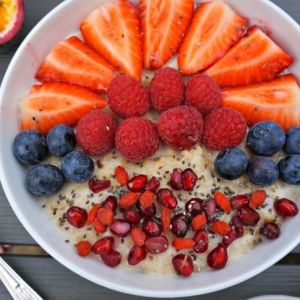
flahavansThere’s only one way to get off to a great start… A delicious bowl of Flahavan’s Oats!
Physical Therapy Brings Motion To Life.

•
Liked by mrs.karen_ofs and others
areyesofs
Show some love to your child’s Physical Therapist this month. ##physicaltherapyawarenessmonth #infantstimulation #infantspecialist #earlyintervention
How To Build A Better Bowl Of Chili @ClevelandClinic

Preventive cardiology dietitian Julia Zumpano, RD, LD, explains how to choose the right meat, beans, veggies, spices, hot sauce or chilis and toppings for your health.
How to build a better chili
It’s hard (though not impossible) to screw up chili. Here’s the low-down on how to make your batch — from the meat, beans, veggies, spices, hot sauce or chilis and toppings — a healthy, hearty dinner for the entire family.
1. Pick your protein
Beef (protein, niacin, vitamin B12, selenium, zinc).
Turkey (protein, niacin, selenium).
Chicken (protein, niacin, vitamin B6, phosphorous, potassium).
Pork (protein, thiamin, niacin, riboflavin, vitamin B6, phosphorous, zinc, selenium).
Venison (protein, niacin, vitamins B6 & B12, thiamin, riboflavin, phosphorous, zinc).
Buffalo (protein, niacin, vitamin B12, zinc, selenium).
Soy crumbles (thiamin, niacin, iron, vitamins B6 & B12).
Tofu (fortified) (calcium, copper, iron, manganese, omega-3 fats, phosphorus, protein, selenium).
Beef chili is king in many circles. But judiciously using beef — and often going with other options — is important for your cardiovascular health and to lower your risk of diabetes. If you do use beef, make sure it’s at least 85 to 90% lean. Other ideas? Mix and match half ground beef, half another lean meat recommended above. Going vegetarian? Add 1 cup of cooked bulgur wheat or barley for a hearty mouth-feel.
2. Use your bean
Kidney beans (fiber, protein, folate, iron, phosphorous, copper, manganese).
Black beans (fiber, protein, folate, iron, riboflavin, phosphorous, thiamin, manganese).
Chickpeas (fiber, protein, iron, phosphorous, vitamin B6, folate, manganese).
Navy or great northern beans (fiber, protein, iron, potassium, folate, magnesium, phosphorous, manganese, thiamin).
Pinto beans (fiber, protein, folate, thiamin, iron, phosphorous, manganese, selenium).
Soy or edamame (green soy) beans (calcium, copper, iron, magnesium, manganese, omega-3 fats, phosphorus, potassium, Vitamin K, folate).
Don’t skip the beans. Chock full of soluble fiber, beans play an important role in controlling “bad” LDL cholesterol levels. Fiber expands in your belly, which can help you feel full and prevent you from returning for a second bowl. The Mediterranean diet recommends at least 3 servings of beans or legumes every week.
3. Pump up the veggies
Red or green bell peppers (vitamins C, E, B1, B2 & B6, folate).
Onions (vitamin C & K, fiber, folate, potassium, manganese, iron).
Diced tomatoes (vitamins C & K, potassium, manganese, iron).
Celery (fiber, vitamins A, C & K, folate, potassium and manganese).
Diced carrots (fiber, vitamins A, C & K, potassium).
Cubed butternut squash (fiber, vitamins A & C, potassium, manganese, magnesium).
Diced zucchini (fiber, vitamins C, K & B6, riboflavin, folate, magnesium, potassium, manganese).
One secret to a healthier chili? Take your recipe and double the amount of veggies. Not only does this approach add texture and bulk to your dish without extra fat or a ton of calories — it’s also a budget-friendly way to stretch your batch!
4. Be smart about spices
Chili powder (vitamins A, C, E, K & B6, iron and manganese).
Cumin (iron, magnesium, copper, manganese, calcium).
Oregano (vitamin K, anti-inflammatory, anti-bacterial, antiviral).
Coriander (copper, manganese, iron, magnesium, anti-inflammatory, phytonutrients, antibacterial)
Garlic (vitamins C & B6, manganese, immune-boosting, anti-inflammatory, antibacterial).
Turmeric (iron, manganese, anti-inflammatory).
There are as many chili powders as there are chili recipes! Craving spicy/smoky? Handcraft your own from dried guajillo, chipotle and ancho chilis — and paprika, cumin, oregano and garlic powder. Going store-bought? Check labels to avoid added fillers (especially if you are gluten- or dairy-free) or chemical anti-caking agents.
5. Kick up the heat
Dried cayenne pepper (vitamins A, C, E, K, B6, manganese).
Jalapenos, Mexican dried chiles (vitamins A, C, K & B6, folate, potassium, manganese, iron, magnesium).
Hot sauce (vitamins C & A, flavonoids, antioxidants).
Canned chipotle chiles in adobo sauce (vitamin A, fiber, iron).
Chili powder’s not the only heat around. Differentiate your chili from the pack with your choice of dried, fresh or pickled peppers. After all, while it may feel like a fire in your belly, these peppers are actually firefighters — helping extinguish inflammation in your body.
6. Tantalizing toppings
Red onion (fiber, folate, vitamins B6 & C, manganese, potassium, phosphorous).
Avocado (vitamins C, E, K, B1, B2, B6, folate, potassium, magnesium, fiber, heart-healthy unsaturated fat).
Chopped scallions (fiber, vitamins A, C & K, folate, calcium, iron, potassium and manganese).
Cilantro (vitamins C & K, choline).
2% shredded cheese (calcium, vitamin D).
Nutritional yeast (protein, B vitamins: thiamine, riboflavin, niacin, vitamin B6 and vitamin B12).
Sour cream (low-fat or fat-free) (calcium, vitamin D).
Plain Greek yogurt or dairy alternative yogurt (calcium, vitamin D, protein) – can be used to replace sour cream.
Don’t spoil it! A good bowl of chili speaks for itself. Why destroy it — and your waistline — by drowning it in high-fat, high-calorie toppings? Steer clear of processed oyster crackers or saltines and use a light hand when selecting fresh, color-adding finishes.
Gotta have your cornbread? Make yours healthier:
Make yours from scratch and sidestep all of the sugar and partially hydrogenated fats in many premade mixes!
Use cornmeal, and substitute whole-wheat flour for the usual all-purpose.
Keep it moist and low-fat by using either low-fat buttermilk or reduced-fat milk curdled with vinegar. (For those who are dairy-free, almond milk curdled with apple cider vinegar works like a charm!)
Skip the butter. Use applesauce to replace the fat (this will also increase the moistness) or choose a good fat like peanut, avocado or canola oil.
Go true Southern style. That means skip the sugar entirely. While there’s always some debate, most purists will agree that a true cornbread is savory, not sweet! If you must have sugar, cut it in half or at least one-quarter. Using applesauce to replace the butter will also provide a sweetness that can allow for omitting the sugar or at least cutting in half.
chili
Loved by Lancôme – Skin Clarity with Suzy Bae

lancomeofficial
Verified
Loved by Lancôme Korea’s Local Ambassador @skuukzky, Clarifique Dual Essence improves skin clarity in only four weeks.
#Lancome #ClarifiqueDualEssence #BaeSuzy
How to get back to sleep and why it’s so important:@ClevelandClinic

Your bed should be a place of relaxation and rejuvenation. But if you’re having trouble sleeping, that’s likely not the case.
Not only can not sleeping be frustrating, but getting a good night’s sleep is vital to maintaining your overall health and mental well-being. Seven or more hours of quality sleep each night recharges your body physically, but can also help flush toxins from your brain and allow your mind to fully rest — which assist in your mental alertness, decision-making, and overall clarity the next day. And if you’re sick, your brain needs to be in tip-top shape to help you recover.
That’s why sleep expert Nancy Foldvary-Schaefer, DO, says you should do everything you can to address any sleep issues you’re experiencing.
Different ways your sleep can be interrupted
Besides external influences like recurring noises (from a crying infant to a snoring partner) or travel-related time changes that keep you up at night, sleep deprivation may come in many other forms.
“For example, some people experience chronic insomnia — a sleep disorder in which you have trouble falling and/or staying asleep,” Dr. Foldvary-Schaefer says. “Others may experience cycles of waking up but not being able to get back to sleep.“
And sometimes, even if you’re able to fall asleep but were focused on unresolved issues or worries right before you closed your eyes — this may affect the quality of sleep you actually achieve. “You may find yourself groggy in the morning or feeling tired, cranky or unproductive,” Dr. Foldvary-Schaefer says. “Also, a lack of sleep can affect your judgement and emotional response to otherwise normal daily activities.”
How stress can affect your sleep
Many of us tend to bring our daily stress to bed with us — which is exactly the place it doesn’t belong. It’s not easy to leave stress at the end of your day. But keeping these stressful thoughts in focus right before sleep can definitely prevent you from getting some good shuteye.
“This is something you should try to avoid whenever possible, as it can cause a variety of sleep problems,” Dr. Foldvary-Schaefer notes. “It may take practice, but committing to stress-reduction behaviors at the end of your day is very important. The more active you are in kicking stress out of bed each night, the more likely your overall sleep quality will improve.”
How to de-stress before bed
You may not be aware that bringing stress to bed could be causing a negative cycle to form. If you have trouble falling asleep, the longer you lie awake, the more aggravated you may become. Soon you may unknowingly associate your bed as a place of discomfort, rather than one of comfort. The key is to remove any negative association with your sleep space by forming healthy pre-sleep habits. Dr. Foldvary-Schaefer offers these tips for developing better pre-sleep practices:
- Plan for tomorrow earlier in the evening — Carve out time each night before or after dinner to “wrap up” your thoughts about the last 24 hours. Plotting out your next day well before bedtime can help you check that “planning box” early enough to give yourself time to transition and quiet your mind before bed.
- Get up if you’re not asleep after 20 minutes — It may be a good idea to take your frustrations to a different room and leave them there — literally. A short walk will get your brain actively focused on motor coordination, rather than worrying. Write down what’s on your mind on a piece of paper and revisit it in the morning. You’ll return to bed anticipating a fresh perspective in the morning (a best practice, anyway) — and leave your bedroom as your special place to rest and relax.
- Develop your pre-sleep ritual — Take a walk after dinner to catch a sunset, take a long bath or enjoy a nightly cup of caffeine-free herbal tea.
- Avoid overstimulation — Avoid not eating, working, or browsing a screen of any kind in bed. Reading a book off-screen may help, or enjoying a relaxing playlist to give your mind something to connect with, but not be overstimulated by.
- Practice yoga or meditation — Closing your eyes, practice simple mindfulness, awareness or concentrated focus on your breathing for five minutes. This can help your body and mind relax — and transition you to a more restful sleep.
If trying some of the strategies above to reduce or manage your stress aren’t helping your insomnia, cognitive behavioral therapy (or CBT-i) might be a good option.
“CBTi is a structured program that helps you identify and replace thoughts and behaviors that cause (or worsen) sleep problems with new habits and thought patterns that promote healthy sleep,” explains sleep expert Michelle Drerup, PsyD.
“CBTi is offered by trained specialists nationwide, including at many larger hospitals or academic medical centers,” Dr. Drerup adds. “There are also several online programs, such as Cleveland Clinic’s Go! to Sleep program.”
Illness may be the reason you can’t sleep
A lack of sleep may also indicate a variety of sleep disorders or other health concerns that need to be addressed with proper medical diagnosis and treatment. Once your medical conditions are treated, you may eventually see your sleep improve.
Underlying medical conditions that may prevent you from sleeping include:
- Chronic pain.
- Acid reflux.
- Restless legs syndrome (RLS).
- Sleep apnea (in both men and women).
- Hormonal changes caused by menopause.
- Narcolepsy.
- Diabetes.
- Night terrors.
- Sleepwalking.
- Depression.
- Common issues related to aging.
“If any of these are the case, you likely won’t sleep comfortably through the night until the problem is identified and properly treated by a knowledgeable primary care physician or specialist,” Dr. Foldvary-Schaefer says.
Make sure you keep track of symptoms you are experiencing, and tell your doctor about them as soon as possible. Your primary care physician may explore your sleep history and/or give you a physical examination. This could include examining your upper airway muscles, for example. If sleep apnea is suspected, you may be referred to a sleep disorders center for a comprehensive sleep study. Or you may be suffering from other conditions that could result in treatments like short-term hormone replacement therapy, antidepressants or other kinds of medicines — all which depend upon proper diagnosis.
Be aware and stay proactive
Overall, the key to getting better sleep comes from first identifying your sleepless activity, reducing your stress before you hit your bed, and talking with your doctor if you notice other symptoms — so you can get back on track to a good night’s sleep.
https://health.clevelandclinic.org/what-to-do-if-you-cant-sleep
Owl..“Correct me if I am wrong,” he said, “but am I right in supposing that it is a very Blusterous day outside?”


Take short breaks through the day @ClevelandClinic

Judi Bar shares stretches you can do wherever you are @ClevelandClinic
 Healthaware