Skip to content
Healthaware

Healthaware

Health is Wealth

  • Home

Tag: fitness

Posted on March 3, 2024

Can early bedtime help you catch some ZZZs? @ClevelandClinic

Cleveland Clinic

Is It Healthy To Sleep Naked?

Wearing no clothes could lead to cooler skin temperatures that put ZZZs within reach

Many people believe they were born with the only pajamas needed for a good night’s sleep, but here’s the naked truth: No research directly confirms that sleeping in the buff leads to better slumber.

There is, however, some validity behind the idea of sleeping naked — namely regarding how a cooler skin temperature improves sleep quality.

So, should you consider stripping down at bedtime before sliding under the sheets? Let’s look at the potential benefits (and risks) with behavioral sleep disorders specialist Michelle Drerup, PsyD, DBSM.

Is sleeping naked better?

There are some possible perks to nude sleeping … so, maybe? Here are a few reasons why you might want to slip off your clothes before slipping off to sleep.

Falling asleep faster

Your body naturally works to lower its thermostat to doze off at night through its circadian rhythm, which regulates your sleep/wake cycle. The faster you cool off, the faster you typically catch some ZZZs, says Dr. Drerup.

That’s also one of the reasons why sleep experts recommended that you keep your bedroom temperature between 60 degrees Fahrenheit and 67 degrees Fahrenheit (15.5 degrees Celsius to 19.44 degrees Celsius) for optimal snoozing.

Improved sleep quality

Ever toss and turn in bed because you’re too hot? Sleeping naked certainly removes any possibility of pajama-induced overheating interfering with a good night’s rest. It’s the absolute final move in shedding layers to stay cool.

“There’s no question that cooler is better than warmer for overall sleeping,” says Dr. Drerup.

And getting enough rest is key to … well, just about everything in day-to-day life. Waking up refreshed can help you manage stress more effectively, improve focus, boost performance and make you a more pleasant person.

For women: reduced risk of yeast infections

Tight-fitting underwear can trap heat and moisture between your legs. What makes a yeast infection thrive? Yep — heat and moisture.

Sleeping naked (or even in loose-fitting cotton bottoms) allows for some air circulation around your vagina. Keeping the area cooler and drier may help reduce your chances of getting a yeast infection, too. 

For men: potential fertility boost

Heat isn’t a friend of male fertility. Regular exposure to higher temperatures for your testicles can cause sperm counts to drop. Wearing underwear that keeps things packed tight doesn’t exactly offer a cooling effect.

Studies show that men who wear boxers have a higher sperm count than their buddies in briefs. So if loose-fitting boxes help that much, imagine what 8 hours of no clothing might do.

Reasons to keep your PJs on

Sleepwalkers may want to give the idea some extra thought to going au natural to avoid any potential awkward encounters, notes Dr. Drerup.

And if you’re not a fan of doing laundry, consider this: Your washing schedule for bedding may need to increase with more skin-to-sheet contact. (Gross fact: The skin cells you shed in a day can feed 1 million dust mites. You don’t want to turn your bed into their buffet.)

Can you be cool and clothed?

Going to bed “nearly” naked while wearing lightweight and loose-fitting garments can bring you similar quality sleep results as taking everything off. “Tank tops and boxer-style briefs don’t possess a ton of warming qualities,” says Dr. Drerup.

And while being cool is desirable for sleep, you also don’t want to be cold. There’s even evidence that wearing socks to bed to warm your tootsies can help you drift off to sleep.

So, which is it: off or on?

Ultimately, what you wear to sleep is a personal choice. “There’s no proven benefit or harm to sleeping naked,” says Dr. Drerup. “Just do what feels right and then rest easy with your decision.”

Posted on February 29, 2024

Discover Zendaya’s new favorite multi-tasking concealer. @lancomeofficial


lancomeofficial
Verified
Discover Zendaya’s new favorite multi-tasking concealer.

24H creaseless full coverage & intense hydration.

Skin loving formula packed with care suitable for all skin types, even the most sensitive skins.

Already available in the US, and soon coming to your country.

#Lancome #TeintIdoleUltraWear #Concealer #Makeup
Posted on February 26, 2024

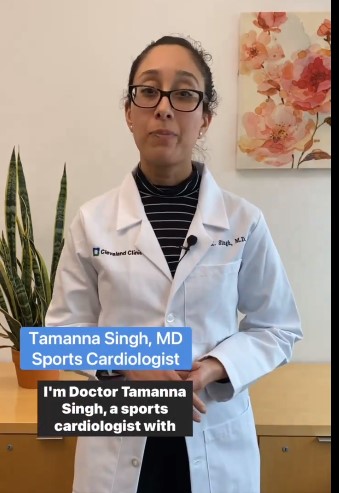
“We can reduce our risk of cardiovascular disease by 80%” Dr.Tamanna Singh @ClevelandClinic

Can you prevent heart disease if it runs in your family? A sports cardiologist goes over how people with a family history of heart disease may be able to reduce their risk. pic.twitter.com/dkDf8WRlLv

— Cleveland Clinic (@ClevelandClinic) February 26, 2024


Cleveland Clinic


@ClevelandClinic
·
25m


Can you prevent heart disease if it runs in your family? A sports cardiologist goes over how people with a family history of heart disease may be able to reduce their risk.
Posted on February 26, 2024January 24, 2026

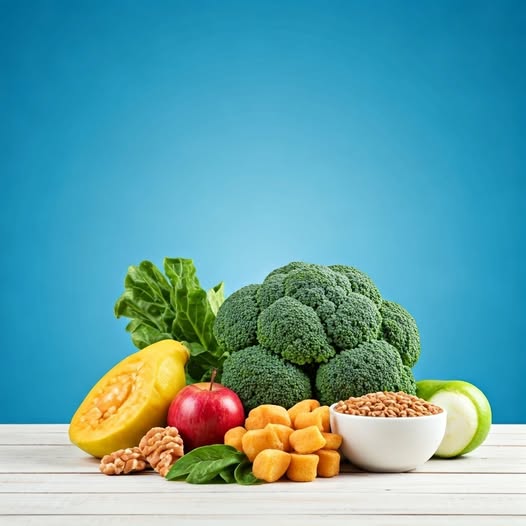
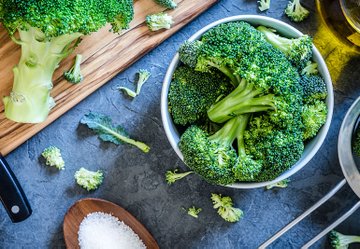
“Eat your broccoli,” may be a familiar refrain from your childhood. Maybe you didn’t love broccoli as a kid, but your parents were onto something. The “little trees” are full of fiber, folate, vitamins and more. Beth Czerwony, RD, LD. @ClevelandClinic

“Eat your broccoli,” may be a familiar refrain from your childhood. Maybe you didn’t love broccoli as a kid, but your parents were onto something. The “little trees” are full of fiber, folate, vitamins and more.

Broccoli is a member of the Brassica genus of plants, also known as the cabbage family. Broccoli’s relatives include Brussels sprouts, cabbage, cauliflower, chard and watercress. Many Brassicas have strong flavors and mix well with meats and other vegetables.

“A pile of steamed broccoli doesn’t appeal to everyone,” recognizes registered dietitian Beth Czerwony, RD, LD. “But broccoli is incredibly versatile and can be used in so many different dishes. Toss it in with your stir fry, chop it fresh in a salad or roast it with your baby potatoes. And with an abundance of nutrients, there are many benefits of eating broccoli.”

Broccoli nutrition facts

A cup of chopped raw broccoli has approximately:

  • 31 calories.
  • 6 grams of carbohydrates.
  • 0 grams of cholesterol.
  • 0.3 grams of fat.
  • 2 grams of fiber.
  • 2.6 grams of protein.
  • 30 milligrams of sodium.
  • 1.6 grams of sugar.

In addition, a cup of raw broccoli offers:

  • 81 milligrams of vitamin C (90% daily value or DV).
  • 93 micrograms of vitamin K (78% DV).
  • 57 milligrams of folate (11% DV).
  • 288 milligrams of potassium (6% DV).
  • 19 milligrams of magnesium (5% DV).

Source: U.S. Department of Agriculture

Broccoli benefits

It’s worth finding ways to add broccoli to your diet because it’s a health-boosting dynamo. Here’s some motivation for you to get your green on: Some of the beneficial substances in broccoli are somewhat unique to the Brassica family of vegetables. Broccoli provides nutrients that may:

  • Reduce your risk of cancer.
  • Help control blood sugar.
  • Protect your gut.
  • Boost immunity.

As a superfood status, broccoli can improve your health with these five components:

1. Compounds to reduce cancer risk

“Broccoli offers some powerful molecules that protect your cells from damage,” says Czerwony. “Some of them even destroy cancer cells.”

Cancer-fighting molecules in broccoli include DIM, indole-3-carbinol and sulforaphane. According to studies, they may help:

  • Detoxify certain substances that promote the growth of cancer cells, which means they don’t remove the substances, but they remove the harmful effects.
  • Provide antioxidants, which prevent cell damage that can lead to cancer.
  • Stop the growth and spread of cancer cells.
  • Support apoptosis, your body’s process for destroying cells that could turn into cancer.

These anticancer molecules are in several of broccoli’s cruciferous veggie relatives, too. These nutrients don’t survive cooking or freezing. So, to get the benefits, raw broccoli is best.

“Some of these compounds are even more concentrated in broccoli sprouts,” notes Czerwony. “You can find broccoli sprouts in health food stores and many grocery stores. Sprouts are also easy to grow at home using a sprouting kit.”

2. Nutrients to help manage blood sugar

Both human and lab studies suggest compounds in broccoli may help lower blood sugar in people with Type 2 diabetes. This effect may be due to the antioxidants in broccoli, like vitamin C.

Research shows that fiber can also help with blood sugar management. At 2.5 grams of fiber per cup, broccoli is a good source of this nutrient.

3. Ligands to protect your gut

In a nonhuman study, researchers found that broccoli can help protect the lining of your small intestine. Compounds found in broccoli, called aryl hydrocarbon receptor ligands, help keep small intestine cells working well.

Why do those cells matter so much? When your small intestine lining is healthy, it only allows water and nutrients to pass through it into your bloodstream.

But when the cells of the lining are damaged, undigested food particles, bacteria and other disease-causing particles may pass through. A damaged small intestine lining can lead to infections and inflammation. It can also prevent you from absorbing the nutrients you need.

4. Vitamin C to boost immunity

Vitamin C is well-studied as an immune-boosting nutrient. When you don’t have enough vitamin C, you’re more likely to get infections.

The antioxidant effects of vitamin C also help your body keep free radicals under control. “Free radical damage is linked to all kinds of problems, including Alzheimer’s disease, autoimmune diseases, cancer, heart disease and Parkinson’s disease,” says Czerwony. When you don’t have enough antioxidants to neutralize free radicals, they damage your cells.

Surprising but true: Broccoli has more vitamin C than oranges. In 1 cup of the green cruciferous veggie, you get a whopping 81 milligrams of vitamin C. That’s 90% of the daily U.S. recommended dietary allowance (RDA) for adults. (An orange has about 70 milligrams.)

5. Nutrients to help heart health

Research suggests certain bioactive compounds in broccoli may boost your heart health in a variety of ways. It may:

  • Lower triglycerides and LDL (“bad”) cholesterol: “High LDL can lead to fatty deposits on your artery walls, increasing your risk of artery disease, stroke and heart attack,” Czerwony explains. Research shows that eating broccoli can lower triglycerides, a type of fat, as well as LDL.
  • Provide fiber: According to a review of 22 clinical trials, fiber can reduce your risk of cardiovascular and coronary artery disease.
  • Reduce calcium buildup in blood vessels: When calcium builds up on your blood vessel walls, it increases your risk of heart attack and stroke. According to research, broccoli can help reduce this calcium buildup.

Is frozen broccoli healthy?

“If you want those anticancer compounds like sulforaphane, choose fresh broccoli,” advises Czerwony. Freezing inactivates sulforaphane.

“Frozen broccoli also loses a bit of its vitamin content. But overall, frozen broccoli is still very healthy. It’s better than not eating any broccoli because you still get a lot of the health benefits,” she continues.

Need some broccoli-inspired meals? Try these easy recipes:

  • Broccoli and bean salad.
  • Charred broccoli tabbouleh salad.
  • Crunchy broccoli walnut salad.
  • Roasted broccoli.
  • Easy broccoli slaw.

Posted on February 22, 2024

A healthy balanced breakfast @HarvardHealth #running

Harvard Health

@HarvardHealth

·

21h

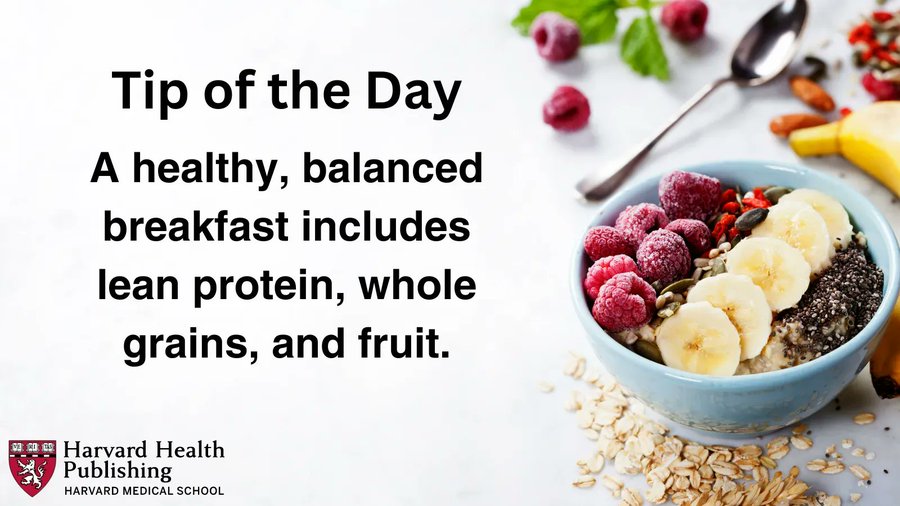
Tip of the day: Include the right food categories in your breakfast. A healthy, balanced breakfast includes lean protein, whole grains, and fruit. — #HarvardHealthTipoftheDay #HarvardHealth #HealthyBreakfast #Breakfast

@USDANutrition

Posted on February 21, 2024

Is red wine good for your heart?@ClevelandClinic #healthaware

Pause for a moment before uncorking a red wine in the name of a healthier heart. 🍷 https://t.co/wMpenORdVL#LoveYourHeart pic.twitter.com/aHbL3X4soY

— Cleveland Clinic (@ClevelandClinic) February 20, 2024
Posted on February 20, 2024

Is red wine good for your heart?@ClevelandClinic #healthaware

Pause for a moment before uncorking a red wine in the name of a healthier heart. 🍷 https://t.co/wMpenORdVL#LoveYourHeart pic.twitter.com/aHbL3X4soY

— Cleveland Clinic (@ClevelandClinic) February 20, 2024
Posted on February 17, 2024

Researchers looked at how our relationship with alcohol might be associated with obesity @ClevelandClinic


Cleveland Clinic

@ClevelandClinic
·
13h

Researchers looked at how our relationship with alcohol might be associated with obesity:

Does Drinking Alcohol Prevent You From Losing Weight?
Study examines if alcohol habits + obesity are related
health.clevelandclinic.org

Posted on February 16, 2024

“Walking, cycling or swimming and some form of strength training is critically important” Dr. Nathan LeBrasseur @MayoClinic #senescentcells

There is no magic pill to reverse the aging process. But if you want to counter the biological mechanisms that drive age-related conditions, like the accumulation of senescent cells, you will need to exercise.

Learn more: https://t.co/sBXHsxSGXP pic.twitter.com/tBQ1nhyOZI

— Mayo Clinic (@MayoClinic) January 23, 2024
Posted on February 4, 2024

Adding color to your meals will help you live a longer,healthier life @HarvardHealth

Harvard Health‏Verified account @HarvardHealth Jun 30

Did you know that adding color to your meals will help you live a longer, healthier life? http://bit.ly/2RINEN3  #HarvardHealth #nutrition

Posts pagination

Previous page Page 1 … Page 49 Page 50 Page 51 … Page 114 Next page

Tags

  • Alcohol
  • Cleveland Clinic
  • Depression
  • diet
  • exercise
  • Female health
  • fitness
  • Harvard Health
  • Healthaware
  • heartaware
  • heart health
  • nutrition
  • physical activity
  • physiotherapy
  • yoga

Recent Posts

  • “Eat your broccoli,” may be a familiar refrain from your childhood. Maybe you didn’t love broccoli as a kid, but your parents were onto something. The “little trees” are full of fiber, folate, vitamins and more. Beth Czerwony, RD, LD. @ClevelandClinic
  • Vitamin D is one of the most powerful nutrients for supporting the immune system @ClevelandClinic  🌞
  • Does honey work to soothe a sore throat and cough? Yes, says family medicine physician Elizabeth Rainbolt, MD.@ClevelandClinic 🍯
  • Probiotics are good bacteria that keep the gut healthy and help fight #infections and #inflammation @HarvardHealth
  • Types of holidays we need @motherandbaby
  • Jessie Buckley dedicates her Oscar to “The Beautiful Chaos of a Mother’s Heart” on #mothersday  ❤️ 💙 💜@rtenews
  • The best medicine for back pain may be good old-fashioned movement and exercise. @HarvardHealth
  • Distract your mind @HarvardHealth #negativethoughts
  • Tulipa Carnaval de Nice @the_rhs
  • Yoga, tai chi and pilates can improve balance and flexibility, lower blood pressure and reduce stress @HarvardHealth #physicaltherapy
  • How does #exercise reduce stress? @HarvardHealth
  • Way to go, Hannah! 🎉🎉 #ClevelandClinicChildrens!
  • Vitamin D is one of the most powerful nutrients for supporting the immune system @ClevelandClinic  🌞
  • 5 Ways to Boost Your Child’s Immune System for Life @ClevelandClinic Adriane Lioudis, MD.
  • Take care of yourself …
  • Mothers need to eat, sleep and stay hydrated…. Community Health Nurse
  • Today, we celebrate the incredible strength and resilience of women across Ireland. At Blackrock Health Womens Health Centre, our commitment to you is 365 days a year.
  • Today marks #InternationalWomensDay, a time to consider progress, harness the power of collective action & stand in solidarity.
  • Distract your mind @HarvardHealth #negativethoughts
  • Take care of yourself …
Blog at WordPress.com.
  • Subscribe Subscribed
    • Healthaware
    • Join 1,723 other subscribers
    • Already have a WordPress.com account? Log in now.
    • Healthaware
    • Subscribe Subscribed
    • Sign up
    • Log in
    • Report this content
    • View site in Reader
    • Manage subscriptions
    • Collapse this bar
 

Loading Comments...