
Sinéad Curran liked

” Medicine gives life , physiotherapist gives quality of life” . #worldphysiotherapyday @KBhatikar @physiomohanty @sharmaKamal01 @CSWahlin @BriaVarner

Health is Wealth
” Medicine gives life , physiotherapist gives quality of life” . #worldphysiotherapyday @KBhatikar @physiomohanty @sharmaKamal01 @CSWahlin @BriaVarner

Here’s a fact that may surprise you: By the year 2020, depression is projected to be a leading social and economic burden worldwide — second only to coronary artery disease! Psychotherapy and antidepressants are effective but aren’t for everyone.
But there’s another treatment for depression that’s free and available to everyone: exercise. It will also lower your blood pressure, improve your cholesterol profile, help control blood sugar, and reduce your risk of heart disease, diabetes and common cancers. And, of course, help you achieve or maintain a healthy weight.
https://health.clevelandclinic.org/2016/03/get-happy-exercise-can-lift-mood-infographic/?

Why not try your hand at making homemade tomato sauce? The freshness of the tomatoes and the smokiness of the roasted vegetables make this a great topping for spaghetti. If you don’t have your own garden, use canned Roma tomatoes for a tasty dish that includes roasted mushrooms, broccoli and peppers.
Tomato sauce
Olive oil cooking spray
2 garlic cloves, minced
1 small carrot, minced
1 shallot, minced
4 cups peeled, seeded, and diced ripe tomatoes or one 28-ounce can no-salt-added diced tomatoes, drained
1/4 cup dry red wine
1 1/2 tablespoons balsamic vinegar
1/4 teaspoon crushed red pepper flakes, optional
1/4 cup chopped fresh basil
Pasta
1/2 pound whole wheat spaghetti
3/4 pound broccoli florets and stalks, peeled and cut into bite-size pieces
2 portobello mushrooms, halved and thinly sliced
1 red, yellow or orange bell pepper, seeded and coarsely chopped
1 1/2 tablespoons extra-virgin olive oil
1 1/2 tablespoons balsamic vinegar
Freshly grated pepper
2 tablespoons freshly grated Parmesan cheese
Makes 4 servings
Calories: 363
Total fat: 4 g
Protein: 15 g
Carbohydrate: 71 g
Dietary fiber: 4 g
Cholesterol: 0 mg
Sodium: 100 mg
Potassium: 93 mg
— Cleveland Clinic Healthy Heart Lifestyle Guide and Cookbook (© 2007 Broadway Books).


Harvard HealthVerified account @HarvardHealth
Did you know that adding color to your meals will help you live a longer, healthier life? http://bit.ly/2RINEN3 #HarvardHealth #nutrition

·
I wrote this poem about a very difficult time in my life. About a time where life felt too hard to carry on. But on the other side of darkness is light. Asking for help was the moment that changed everything. Thank you to my


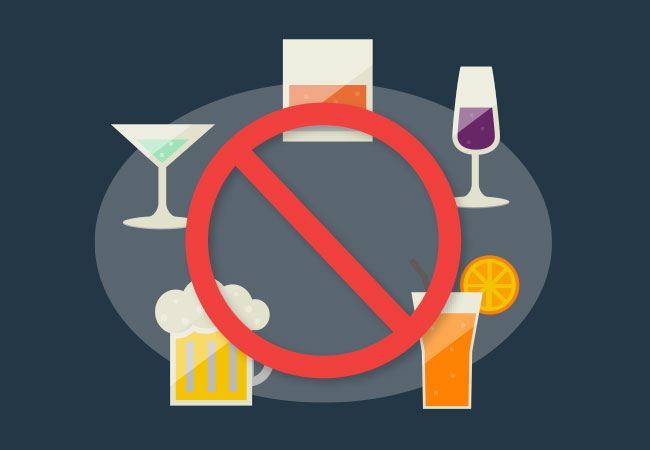
Leading cause of death of those age 15-49
Stopping for happy hour with colleagues after work. Cracking open a cold beer (or two) while watching the game. Meeting up with girlfriends for a glass of pinot noir. Having an alcoholic beverage of choice is a common way to unwind. But according to a recent study, even casual drinking can put your long-term health at risk.
Liver specialist Jamile Wakim-Fleming, MD, did not take part in the study, but says the research found that alcohol was a leading risk factor for both disease and premature death.
“They found that alcohol was the seventh leading cause of death worldwide,” she says. “But even more alarming, is that it was the first leading cause of death of people between the ages of 15-49.”
The study looked at global data from hundreds of previous studies and found that for all ages, alcohol was associated with 2.8 million deaths each year.
Researchers found that alcohol-related cancer and heart disease, infectious diseases, intentional injury, traffic accidents and accidental injury were some of the leading causes of alcohol-related deaths.
Dr. Wakim-Fleming says people often believe that a little bit of alcohol, wine in particular, may be good for their heart. But the study results didn’t show any health benefit to drinking any amount of alcohol.
She says this information, along with previous research that has shown more young people are dying from alcohol-related liver disease, indicates that excessive drinking among young adults is a growing problem.
And like any substance-abuse problem, Dr. Wakim-Fleming says the damage to the body from alcohol increases over your lifespan.
“It’s a cumulative effect,” she explains. “If you do it all at once, then you’re going to have the effect now. If you drink on a regular basis, over years it’s going to be cumulative and you will end up with a problem later on.”
Dr. Wakim-Fleming notes that anything we do in life involves risk, but it’s important to know what the risks are so that we can make the best decisions for our health.
Complete results of the study can be found in The Lancet. Facebook Twitter Linkedin Pinterest alcoholalcohol and healthalcohol-related liver disease

t’s a Morning Live mental health special, 9.15am today:
@DrRanj‘s mental health toolkit

Boxing &
@RealCFrampton‘s mental health

A personal story with

·
I wrote this poem about a very difficult time in my life. About a time where life felt too hard to carry on. But on the other side of darkness is light. Asking for help was the moment that changed everything. Thank you to my
t’s a Morning Live mental health special, 9.15am today:
@DrRanj‘s mental health toolkit
Boxing &
@RealCFrampton‘s mental health
A personal story with
 Healthaware