
Michelle Haag liked

“I’m scared,” said Piglet. “A story will help,” said Pooh. “How?” “Don’t you know? Stories make your heart grow.” #BookLoversDay


Health is Wealth
“I’m scared,” said Piglet. “A story will help,” said Pooh. “How?” “Don’t you know? Stories make your heart grow.” #BookLoversDay

Try our lighter carrot cake, which the entire family will love. It has just the right texture, like a slightly sweetened, light corn bread. It’s great on its own or with a dollop of frozen whipped topping or nonfat ice cream.
No-stick baking spray with flour
1 cup unbleached all-purpose flour
½ cup whole wheat flour
½ cup granulated sugar substitute
¼ cup packed light brown sugar
¼ cup nonfat dry milk
1 ¼ teaspoons baking soda
1 ½ teaspoons baking powder
1 teaspoon ground cinnamon
¼ teaspoon ground cloves
½ teaspoon ground nutmeg
½ teaspoon ground allspice
¼ cup canola oil
1 large egg
¾ cup egg substitute
1 ½ cups finely grated carrots
2 tablespoons finely chopped walnuts
2 tablespoons golden raisins
One 6-ounce can unsweetened crushed pineapple, drained
2 tablespoons confectioners’ sugar, optional
Makes 12 servings.
Serving: 1 slice
Calories: 120 (33% calories from fat)
Fat: 4.5g
Saturated Fat: 0g
Protein: 3g
Carbohydrates: 17g
Dietary Fiber: 1g
Cholesterol: 15mg
Sodium: 180mg
Potassium: 125mg
Dietitian’s Note: Never has carrot cake tasted so good, and been so guiltless! When compared to traditional carrot cake with icing, you save 180 calories, 12 grams of fat, and 4 grams of saturated fat.

·
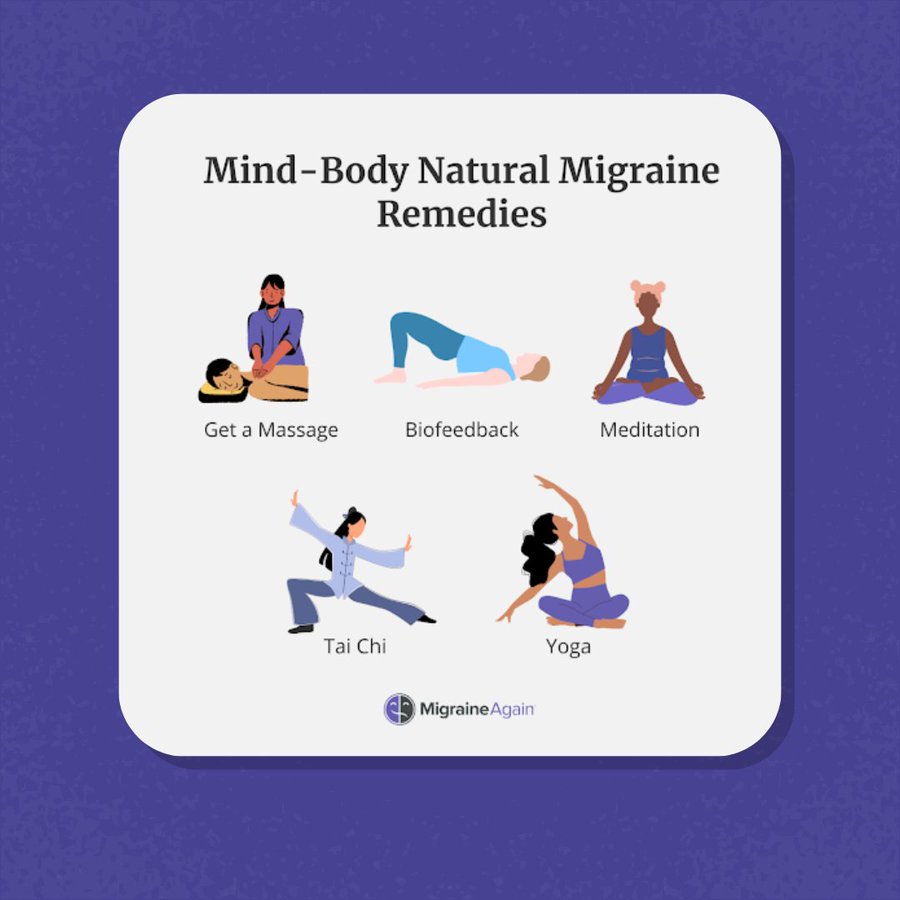
When meds aren’t helping, or if they’re not an option, check out our top 18 natural migraine remedies: https://bit.ly/3qD4DX0

Walking is key to reducing the risk of death, according to a new study
By Annabel Rackham
BBC News
It has long been touted that 10,000 steps a day is the magic number you need to stay fit and healthy – but a new study shows fewer than 5,000 may be enough to see a benefit.
The analysis of more than 226,000 people around the world showed 4,000 was enough to start reducing the risk of dying prematurely of any cause.
Just over 2,300 is enough to benefit the heart and blood vessels.
The more you do, the more health benefits are seen, researchers said.
Every extra 1,000 steps beyond the 4,000 reduced the risk of dying early by 15% up to 20,000 steps.
The team from the Medical University of Lodz in Poland and Johns Hopkins University School of Medicine in the US found the walking benefits applied to all genders and ages, regardless of where they lived.
However, the biggest benefits were seen among the under-60s.
Prof Maciej Banach, from the Lodz university, said that while the number of advanced drugs for treatment was growing, they were not the only answer.
“I believe we should always emphasise that lifestyle changes, including diet and exercise, which was a main hero of our analysis, might be at least as, or even more, effective in reducing cardiovascular risk and prolonging lives,” he said.

According to World Health Organization data, insufficient physical activity is responsible for 3.2 million deaths each year – the fourth most frequent cause worldwide.
Honey Fine, a personal trainer and instructor for global fitness company Barry’s, emphasises the problems that come from sitting down too much.
“It can slow your metabolism and affect muscle growth and strength, which can cause aches and pains,” she tells the BBC.
“Sitting down for too long can also cause all sorts of back problems, we find this a lot with people with office jobs, that their backs are constantly put in a stressed compressed position which causes a lot more problems later on in life.”
She explains the importance of non-exercise activity thermogenesis – also known as Neat, “which in simple terms is everything we do that uses energy and burns calories”.
“Tasks like standing, carrying shopping, washing the floors, hoovering, pacing whilst walking on the phone – it’s all the little things that make us more active that help us to burn calories more efficiently,” she said.

·
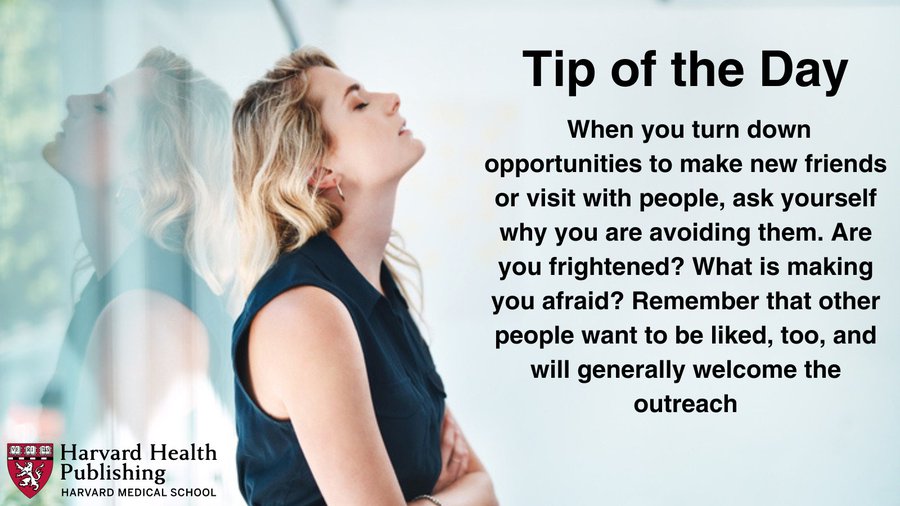
Overcome social apprehensions: When you turn down opportunities to make new friends or visit people, ask yourself why you are avoiding them. Remember that other people want to be liked, too, and will generally welcome the outreach. — #HarvardHealthTipoftheDay #HarvardHealth
·
Overcome social apprehensions: When you turn down opportunities to make new friends or visit people, ask yourself why you are avoiding them. Remember that other people want to be liked, too, and will generally welcome the outreach. — #HarvardHealthTipoftheDay #HarvardHealth

·
Tip of the day: Never put a blanket around or over a child before fastening the straps of the car seat. — #HarvardHealthTipoftheDay #HarvardHealth #CarSeatSafety



After a night of one too many cocktails, you wake up dehydrated with a stitch in your side. Is that pang your kidneys crying “uncle?”
Drinking alcohol to excess is linked to several health problems, including liver disease and an increased risk of some cancers (not to mention risks from drunk driving or accidental injuries while intoxicated).
But the relationship between alcohol and your kidneys is a bit more nuanced. Kidney specialist Shane A. Bobart, MD, FASN, breaks down this troublesome pairing.
Your kidneys have an important role to fill. They filter waste from your blood, regulate the balance of water and minerals in your body and produce hormones.
When you drink heavily, your kidneys have to work harder to filter out the alcohol. And in rare cases, binge drinking — five or more drinks at a time — can cause a sudden drop in kidney function called acute kidney injury. This serious condition occurs when toxins from alcohol build up in your blood so fast your kidneys can’t maintain the proper fluid balance. Though it’s reversible with treatment, it can increase the risk of developing chronic kidney disease.
Regular, heavy alcohol use can also be harmful to your kidneys over time. According to the National Kidney Foundation, regular heavy drinking can double the risk of chronic kidney disease. The risk is even higher in people who drink heavily and also smoke.
Heavy drinking also has an indirect effect on kidney health. “The body is a big domino set,” says Dr. Bobart. “If you have one part of your body that’s not in balance, it can cause problems in many other parts of the body.”
Drinking heavily can increase the risk of high blood pressure and Type 2 diabetes, for example. Both of those conditions are the mostcommon causes of chronic kidney disease in the United States.
Chronic alcohol use is also a major cause of liver disease. When your liver isn’t functioning well, it can impair blood flow to your kidneys. “Liver disease can have significant impacts on the kidneys,” says Dr. Bobart.
What about the kidney pain some people claim to feel after a night of drinking? According to Dr. Bobart, there’s no research to suggest a link between alcohol and kidney pain. But alcohol acts as a diuretic and can leave you dehydrated.
Similarly, there’s minimal evidence to suggest that alcohol increases the risk of kidney stones or kidney infections. “We do know that people who don’t drink enough fluids have a greater chance of developing kidney stones.” So, people who drink heavily and are often dehydrated may be at greater risk — though the science of alcohol’s role in kidney stones is still unclear, he adds.
What is clear is that heavy drinking takes a toll on your organs, kidneys included. Many people drink more than they realize. In the U.S., heavy drinking is defined as:
“I urge anyone who has any trouble with alcohol to seek medical help,” says Dr. Bobart. “Doing so is nothing to be ashamed of. We have a lot of avenues to help people, and there are resources out there to get people the help they need.”
 Healthaware