Taking short breaks throughout the day is beneficial for your mental health. Cleveland Clinic Yoga Program Manager, Judi Bar, shares stretches you can do wherever you are. #NationalYogaMonthpic.twitter.com/hIdb9GQkQO
This savory Greek appetizer is usually made with a lot of butter and a lot of feta cheese, which is delicious, but not really heart-healthy. Our just-as-delicious recipe offers a lighter, heart-healthier alternative!
Ingredients
Olive oil cooking spray
1 small onion, minced
One 10-ounce package frozen, chopped spinach
1/3 cup crumbled reduced-fat feta cheese
1/4 cup 1% cottage cheese
1/8 teaspoon ground nutmeg
1 1/2 tablespoons chopped fresh dill
Freshly ground pepper
1 tablespoon egg substitute
5 sheets frozen phyllo dough, thawed
Refrigerated butter-flavored cooking spray
Directions
Preheat the oven to 350 F. Coat a baking sheet with olive oil cooking spray.
Coat a large nonstick skillet with olive oil cooking spray. Add the onion and spinach; saute over medium-high heat until the spinach is thawed and the onion begins to wilt, 8 to 10 minutes. Stir frequently to break up clumps of spinach. Add the feta and cottage cheese along with the nutmeg, dill, pepper and egg substitute; mix well. Remove from heat and cool for 5 minutes.
Cut the phyllo dough into four lengthwise strips, covering the dough you’re not using with a damp tea towel so it doesn’t dry out. Coat each strip with the butter-flavored spray. Place a tablespoon of spinach mix on top of a strip of dough and fold over to make a triangle; continue folding over as if folding a flag. Place on the prepared baking sheet. Repeat, using all the remaining phyllo and filling. Coat each triangle with the butter-flavored spray. Bake for about 20 minutes, until browned. Serve warm.
Nutrition information (per serving)
Makes 20 pieces (10 servings/2 pieces serving)
Calories: 50 Total fat: 1.5 g Protein: 3 g Carbohydrate: 7 g Dietary fiber: 0 g Cholesterol: 0 mg Sodium: 180 mg Potassium: 60 mg
This savory Greek appetizer is usually made with a lot of butter and a lot of feta cheese, which is delicious, but not really heart-healthy. Our just-as-delicious recipe offers a lighter, heart-healthier alternative!
Ingredients
Olive oil cooking spray
1 small onion, minced
One 10-ounce package frozen, chopped spinach
1/3 cup crumbled reduced-fat feta cheese
1/4 cup 1% cottage cheese
1/8 teaspoon ground nutmeg
1 1/2 tablespoons chopped fresh dill
Freshly ground pepper
1 tablespoon egg substitute
5 sheets frozen phyllo dough, thawed
Refrigerated butter-flavored cooking spray
Directions
Preheat the oven to 350 F. Coat a baking sheet with olive oil cooking spray.
Coat a large nonstick skillet with olive oil cooking spray. Add the onion and spinach; saute over medium-high heat until the spinach is thawed and the onion begins to wilt, 8 to 10 minutes. Stir frequently to break up clumps of spinach. Add the feta and cottage cheese along with the nutmeg, dill, pepper and egg substitute; mix well. Remove from heat and cool for 5 minutes.
Cut the phyllo dough into four lengthwise strips, covering the dough you’re not using with a damp tea towel so it doesn’t dry out. Coat each strip with the butter-flavored spray. Place a tablespoon of spinach mix on top of a strip of dough and fold over to make a triangle; continue folding over as if folding a flag. Place on the prepared baking sheet. Repeat, using all the remaining phyllo and filling. Coat each triangle with the butter-flavored spray. Bake for about 20 minutes, until browned. Serve warm.
Nutrition information (per serving)
Makes 20 pieces (10 servings/2 pieces serving)
Calories: 50 Total fat: 1.5 g Protein: 3 g Carbohydrate: 7 g Dietary fiber: 0 g Cholesterol: 0 mg Sodium: 180 mg Potassium: 60 mg
This savory Greek appetizer is usually made with a lot of butter and a lot of feta cheese, which is delicious, but not really heart-healthy. Our just-as-delicious recipe offers a lighter, heart-healthier alternative!
Ingredients
Olive oil cooking spray
1 small onion, minced
One 10-ounce package frozen, chopped spinach
1/3 cup crumbled reduced-fat feta cheese
1/4 cup 1% cottage cheese
1/8 teaspoon ground nutmeg
1 1/2 tablespoons chopped fresh dill
Freshly ground pepper
1 tablespoon egg substitute
5 sheets frozen phyllo dough, thawed
Refrigerated butter-flavored cooking spray
Directions
Preheat the oven to 350 F. Coat a baking sheet with olive oil cooking spray.
Coat a large nonstick skillet with olive oil cooking spray. Add the onion and spinach; saute over medium-high heat until the spinach is thawed and the onion begins to wilt, 8 to 10 minutes. Stir frequently to break up clumps of spinach. Add the feta and cottage cheese along with the nutmeg, dill, pepper and egg substitute; mix well. Remove from heat and cool for 5 minutes.
Cut the phyllo dough into four lengthwise strips, covering the dough you’re not using with a damp tea towel so it doesn’t dry out. Coat each strip with the butter-flavored spray. Place a tablespoon of spinach mix on top of a strip of dough and fold over to make a triangle; continue folding over as if folding a flag. Place on the prepared baking sheet. Repeat, using all the remaining phyllo and filling. Coat each triangle with the butter-flavored spray. Bake for about 20 minutes, until browned. Serve warm.
Nutrition information (per serving)
Makes 20 pieces (10 servings/2 pieces serving)
Calories: 50 Total fat: 1.5 g Protein: 3 g Carbohydrate: 7 g Dietary fiber: 0 g Cholesterol: 0 mg Sodium: 180 mg Potassium: 60 mg
Health is wealth. This common saying holds a lot of weight because it has truth behind it. But what exactly is disease prevention and how can you prevent diseases from happening? Integrative medicine physician Irina Todorov, MD, offers nine ways to prevent diseases and how to take care of yourself so you can live your healthiest, best life. 1. Make healthy food choices “For good health and disease prevention, avoid ultra-processed foods and eat homemade meals prepared with basic ingredients,” says Dr. Todorov. A study published in 2019 concluded that consumption of more than 4 servings of ultra-processed food was associated with a 62% increased hazard for all-cause mortality. For each additional serving, all-caused mortality increased to 18%. These foods can cause chronic inflammation, a normal bodily process gone awry that can contribute to heart disease, diabetes and even cancer. Ultra-processed food include: Chips. White bread. Donuts. Cookies. Granola or protein bars. Breakfast cereals. Instant oatmeal. Coffee creamers. Soda. Milkshakes. “It’s crucial to read food labels carefully,” warns Dr. Todorov. “Most foods that come in a package have more than five ingredients or have ingredients that you cannot pronounce. Many foods labeled as diet, healthy, sugar free or fat free can be bad for you.” What do all healthy diets have in common? They consist of fruits and vegetables, beans, lentils, whole grains like quinoa, brown rice and steel-cut oats, nuts and seeds and healthy oils like extra-virgin olive oil. “A great example of a healthy eating pattern is the Mediterranean diet,” says Dr. Todorov. “Talk to your doctor or dietitian to help create a meal plan that works for you.” 2. Get your cholesterol checked When checking your cholesterol, your test results will show your cholesterol levels in milligrams per decilitre. It’s crucial to get your cholesterol checked because your doctor will be able to advise you on how to maintain healthy levels, which in turn lowers your chances of getting heart disease and stroke. 3. Watch your blood pressure Do you have high blood pressure? Even if you don’t think so, keep reading. Based on data published from the Centers for Disease Control and Prevention (CDC), about 45% of adults in the United States have hypertension defined as systolic blood pressure, diastolic blood pressure or are taking medication for hypertension. Normal blood pressure is defined as blood pressure <120/80 mmHg. Having hypertension puts you at risk for heart disease and stroke, which are leading causes of death in the United States. Even small weight loss can help manage or prevent high blood pressure in many overweight people, according to the American Heart Association. “Start off slow and find an activity you enjoy,” says Dr. Todorov. “That can make a big difference in both your blood pressure and health.” 4. Get up and get moving Throw away any common misconceptions about exercising like that it has to be in a gym or a structured environment. Frequency (how often), intensity (how hard) and time (how long) are what matter the most. “Start where you are and gradually increase your physical activity,” says Dr. Todorov. “My motto is some exercise is good but more is better.” Taking 10,000 steps a day is a popular goal because research has shown that when combined with other healthy behaviors, it can lead to a decrease in chronic illness like diabetes, metabolic syndromes and heart disease. Exercise does not need to be done in consecutive minutes. You can walk for 30 to 60 minutes once a day or you can do activities two to three times a day in 10 to 20 minute increments. “There are so many different options for exercise available to us today,” says Dr. Todorov. “Take advantage of free gym and app trials, YouTube videos, resources from your local library and virtual gym classes. Walking in the park adds the benefit of spending time in nature.” 5. Watch your body mass “Dare to be different from the average American, who is more likely to be obese than adults in any other developed nation,” says Dr. Todorov. To see if you are at a good weight for your height, calculate your body mass index (BMI). The BMI scale: Under 18.5: Underweight 18-24.9: Normal > 25-29.9: Overweight > 30: Obese If you are overweight or obese, you are at higher risk of developing serious health problems, including heart disease, high blood pressure, type 2 diabetes, gallstones, breathing problems and certain cancers. If you are overweight or obese, you doctor or nutritionist will be able to help you get on the right path towards your ideal body mass. 6. Manage blood sugar levels For good preventive health, cut back on soda, candy and sugary desserts, which can cause blood sugar to rise. If you have diabetes, this can damage your heart, kidneys, eyes and nerves over time. Aside from understanding what makes your blood sugar levels hike up, the American Heart Association recommends eating smart, managing your weight, quitting smoking and moving more as measures to manage your blood sugar. “In addition, having your blood pressure, blood sugar and cholesterol in a normal range decreases your risk for heart disease,” explains Dr. Todorov. “This lowers your risk of being diagnosed with cancer.” 7. Quit smoking If you smoke, there is probably no other single choice you can make to help your health more than quitting. The CDC found that smokers are more likely than nonsmokers to develop heart disease, different types of cancer, stroke and more. Not only that, but smoking increases your risk of dying from cancer. “Smokers lose at least 10 years of life expectancy compared with people who never smoked,” says Dr. Todorov. “People who quit by age 40 reduce their risk of smoking-related death by 90%.” 8. Get restful sleep Sleep restores us and has a huge effect on how we feel. If you have trouble sleeping, try to establish a sleep routine. A good sleep routine includes going to bed and waking up at the same time every day and avoiding eating heavy meals and alcohol. It’s important to stop screen time from your devices 2 hours before bedtime, too. To wind down before bed, Dr. Todorov recommends: Listen to calming music. Practice mindfulness or meditation. Reflect on the positive moments of the day. Read a book. Have a cup of chamomile tea. Practice 10 minutes of yoga. “Research shows that daily exercise improves sleep in patients with insomnia, too,” says Dr. Todorov. “Try to avoid vigorous exercise 2 to 3 hours before bedtime.” 9. Don’t miss health screenings and vaccinations It’s no exaggeration: health screenings can save your life. They are designed to catch cancers and serious problems early for more successful treatment. “There are screening recommendations for adults and women specifically, and varied screenings depending on your family history,” says Dr. Todorov. “Some screening recommendations have changed, so talk to your doctor.” Making healthy lifestyle changes overnight isn’t realistic, but taking the necessary steps to ensure you’re staying on top of your health will put you ahead and help you be the healthiest you can be.
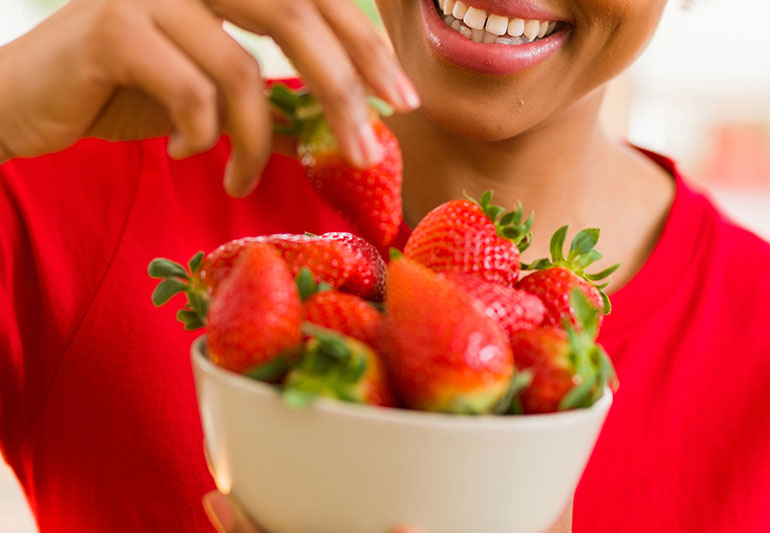
Strawberries are an iconic summer fruit — delicious in lemonade, on shortcakes or just straight out of the basket. And it turns out they may be the sweetest way to stay healthy, too. Registered dietitian Bailey Flora, MS, RDN, LD, explains the benefits of strawberries and what nutrients they contain that make strawberries so good for you.
Why are strawberries good for you?
“Strawberries give you a lot of nutritional value for very few calories,” says Flora. “They’re tasty but naturally low in sugar. That’s a combination that’s hard to beat.”
For starters, strawberries are loaded with vitamin C. Eight medium strawberries contain 160% of your daily recommended amount — the amount that the U.S. Food and Drug Administration (FDA) recommends you eat every day. That’s more vitamin C than you get from an orange, the fruit famous for its vitamin C.
Strawberries are also packed with antioxidants, which protect cells from damage. The primary antioxidant in strawberries is anthocyanin, which gives the fruit its color. The amount of anthocyanin in strawberries increases as the fruit ripens. So, the redder the berry, the more antioxidants it contains.
Strawberries also have fiber and several other important vitamins and minerals, including manganese, potassium and folic acid. And strawberries have less natural sugar than other popular fruits such as apples and bananas.
Health benefits of strawberries
Strawberries are a nutrient-rich snack that can:
1. Boosts brain power
As your brain ages, it can lose some of its mental sharpness. But according to research, eating strawberries protects your brain’s processing powers as you get older.
The Nurses’ Health Study measured brain function in more than 16,000 participants over six years. It found that people who ate the most blueberries and strawberries had less cognitive decline — their thinking and processing abilities didn’t weaken as much. They had the brain power of someone up to two and a half years younger.
Researchers believe the protective effects are due to the antioxidants that safeguard cells. Some of the antioxidants in strawberries also reduce systemic inflammation, when your body is in a state of constant inflammation (swelling and irritation). Systemic inflammation is a key factor in the development of Alzheimer’s disease.
2. Strengthens your immune system
Strawberries are a great source of vitamin C (ascorbic acid), which you need to get from food, as your body can’t produce it. In rare cases, people who don’t get enough of this crucial vitamin develop scurvy, a disease that causes bleeding, bruising and anemia.
Vitamin C plays an important role in wound healing. And it may prevent and treat respiratory and systemic infections too. Research shows that vitamin C increases the production of:
T-cells, which remove infected and cancerous cells.
B-cells, which create antibodies so your body can better defend against germs in the future.
Vitamin C is also anti-inflammatory, lowering your stress response triggered by illness or just your busy life. To ward off germs, researchers suggest getting 100 to 200 milligrams (mg) of vitamin C a day — and more when you’re sick. As eating eight medium strawberries gives you 160 mg, it takes just a handful of berries to help keep your immune system in good shape.
“There isn’t enough evidence to say whether vitamin C can prevent colds and the flu,” says Flora. “And it can be more beneficial to choose vitamin-C-rich foods like strawberries over vitamin C supplements, as you get additional health benefits. With strawberries, that includes fiber and other phytonutrients and vitamins that cannot be replicated in a vitamin supplement.”
3. Protects heart health
Flora says that popping a few strawberries in your mouth isn’t just a way to stave off hunger — it’s also a heart-healthy food choice. Research shows that strawberries can help prevent several conditions that can lead to heart disease and stroke, as well as diabetes, which increases the likelihood of heart disease. Eating more strawberries can help you:
Lower cholesterol
In one small study, participants consumed two drinks a day, each made with 25 milligrams of freeze-dried strawberry powder blended with water. That’s about the same as eating 3.5 cups of fresh strawberries a day. After a month, the participants’ total cholesterol was 5% lower.
The cholesterol-lowering results of that study were echoed in another study that gave participants the same amount of freeze-dried strawberry powder. But this time, they consumed the drink for two months. Researchers compared the results to a group that just drank more water. Those who sipped the strawberry drink saw their cholesterol decrease by 10%.
Decrease triglycerides
Triglycerides are fats found in your blood. Having high triglycerides increases your risk of heart disease. And when triglycerides break down, they leave byproducts that trigger inflammation, attracting sticky deposits to blood-vessel walls. That material can clog your arteries (atherosclerosis), explains Flora.
But eating a pound of strawberries a day may reduce triglycerides by 20%. That’s the result of one study, which also found that strawberries reduced total cholesterol by 8%.
4. Reduces inflammation
Widespread internal inflammation contributes to multiple diseases, including heart disease. Lifestyle factors like a poor diet, low physical activity and smoking can lead to inflammation.
Eating more strawberries is a step in the right direction to boost your heart health, says Flora. That’s because the most prevalent antioxidants in strawberries are anthocyanins, known for their anti-inflammatory effects.
5. Helps manage blood sugar
Too much glucose (sugar in your blood) is a risk factor for Type 2 diabetes, making you more likely to develop heart disease, too. If you’re watching your blood sugar levels, strawberries are a good way to satisfy your sweet tooth.
In a Finnish study, people who ate strawberries with a piece of white bread released 26% less insulin compared with eating bread with a cucumber. Participants also ate the bread with other berries, including raspberries and cranberries. Only strawberries weakened the post-meal blood sugar spike.
Strawberries are a great addition to a healthy diet, especially when you eat them on their own — Flora advises laying off the calorie-laden whipped cream, cake or ice cream. (Sorry!) They’re delicious, full of good-for-you nutrients and low in sugar. Try this strawberry smoothie. (Surprise — it’s green!) And for a strawberry treat that’s not too sweet, make these strawberry pretzel squares at your next get-together.FACEBOOKTWITTER
Here’s a fact that may surprise you: By the year 2020, depression is projected to be a leading social and economic burden worldwide — second only to coronary artery disease! Psychotherapy and antidepressants are effective but aren’t for everyone.
But there’s another treatment for depression that’s free and available to everyone: exercise. It will also lower your blood pressure, improve your cholesterol profile, help control blood sugar, and reduce your risk of heart disease, diabetes and common cancers. And, of course, help you achieve or maintain a healthy weight.









 Healthaware