Recipe: Spanish Omelet With Veggies and Cheese @ClevelandClinic

Recipe: Spanish Omelet With Veggies and Cheese

Omelets are a great choice for a one-skillet meal, and our recipe delivers on nutrition and taste! This meatless dinner option provides 100% of your daily vitamin C and is a good source of calcium.

Ingredients

  • 5 small potatoes, sliced
  • Vegetable cooking spray
  • 1/2 medium onion, minced
  • 1 small zucchini, sliced
  • 1 1/2 cups green/red peppers, sliced thin
  • 5 medium mushrooms, sliced
  • 3 whole eggs, beaten
  • 5 egg whites, beaten
  • 1/4 teaspoon pepper
  • 1/2 teaspoon garlic powder
  • 1/4 teaspoon oregano
  • 3 ounces shredded part-skim low-fat mozzarella cheese
  • 1 tbsp grated Parmesan cheese

Directions

  1. Preheat oven to 375 F.
  2. Cook potatoes in boiling water until tender, about 12 minutes.
  3. In a nonstick pan, add vegetable spray and warm at medium heat.
  4. Add onion and sauté until brown. Add vegetables and sauté until tender but not brown.
  5. In a medium mixing bowl, slightly beat eggs and egg whites, pepper, garlic powder, oregano and low-fat mozzarella cheese. Stir egg-cheese mixture into the cooked vegetables.
  6. In a 10-inch pie pan or ovenproof skillet, add vegetable spray and transfer potatoes and egg mixture to pan. Sprinkle with low-fat parmesan cheese and bake until firm and brown on top, about 20 to 30 minutes.
  7. Remove omelet from oven, cool for 10 minutes, and cut into five pieces.

Ingredient health benefits

  • Potatoes: Don’t let their higher carb and caloric content scare you; in moderation, these starchy vegetables are delicious and nutritious. Potatoes are full of vitamins and minerals like vitamin C , which boosts your immune system, and vitamin B6, which suppresses inflammation and promotes brain health. To get the most out of your potatoes, cook them with the skin on.
  • Onions: This allium is more famous for its potent aroma than its health perks, but rest assured, there are plenty to go around. For instance, onions have chemicals called flavonoids that fight inflammation and help lower blood pressure. And in addition to being a good source of fiber, onions contain prebiotics, which feeds the good bacteria in your gut so they can keep your whole body healthy.
  • Zucchini: If you’re looking for foods with head-to-toe benefits, consider adding squashes like zucchini to your diet. Nutritional highlights include calciumvitamin A and vitamin C — all of which support strong bones and healthy eyes. Squashes are also a good plant source of iron, which keeps your blood cells happy.
  • Red bell peppers: These members of the nightshade family are an excellent, nutrient-dense addition to any meal. Red bell peppers are chock full of vitamins like vitamin E and vitamin B9 (folate). They also contain anthocyanins, which are natural plant pigments that protect your heart, help lower your blood pressure and might support your brain function.
  • Mushrooms: Though these fungi may be small, they’re a mighty culinary ingredient. Mushrooms are full of antioxidants, which help protect your cells from damage by free radicals. And they have compounds that stimulate your immune system to fight invaders and, potentially, cancer. Other properties found in mushrooms also support the health of your heart, gut and brain!
  • Eggs: A perfect example of how good things come in small, oval-shaped packages. Eggs are rich in vitamins like vitamin B12, which is essential for your blood cells and nerve cells to work properly. Eggs also have lutein, a carotenoid that helps preserve your vision. Egg whites have about 60% of the protein found in an egg.

Nutrition information (per serving)

Makes 5 servings

Calories: 290
Total fat: 6 g
Saturated fat: 2.5 g
Trans fat: 0 g
Cholesterol: 120mg
Sodium: 250 mg
Total carbohydrate: 43 g
Fiber: 6 g
Sugars: 5 g
Protein: 18 g

— Recipe courtesy of Digestive Disease Health Team Dietitians.

Therapeutic massage targets specific health concerns by working on muscles and soft tissue to reduce pain, improve mobility and support recovery. It’s often used alongside other treatments and tailored to your individual needs.

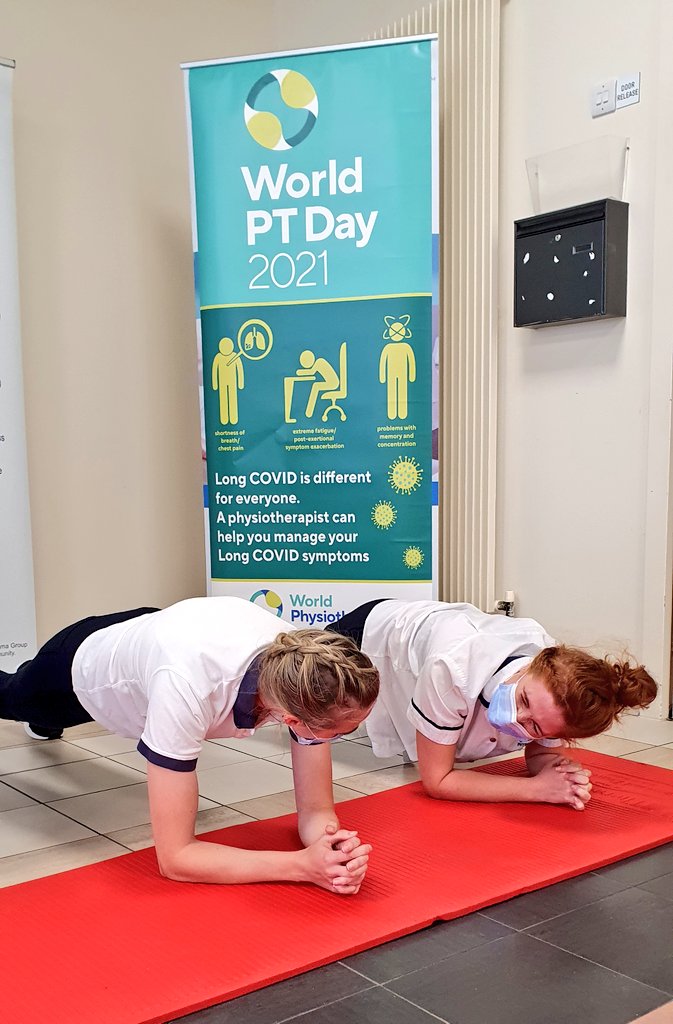
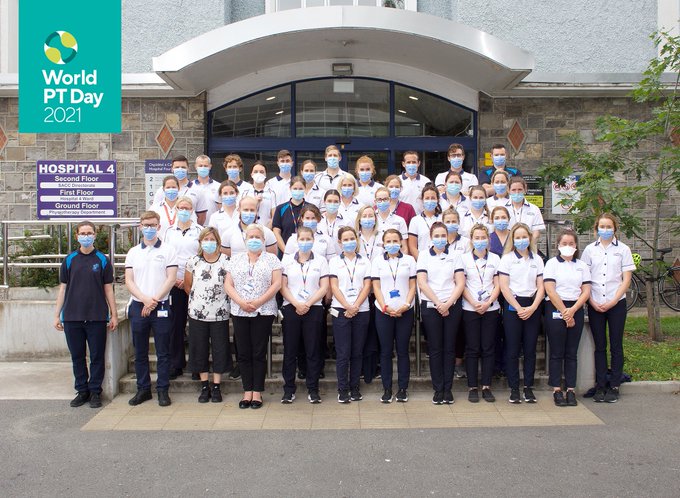
The Focus of our Treatment is Exercise Prescription #Physiotherapy

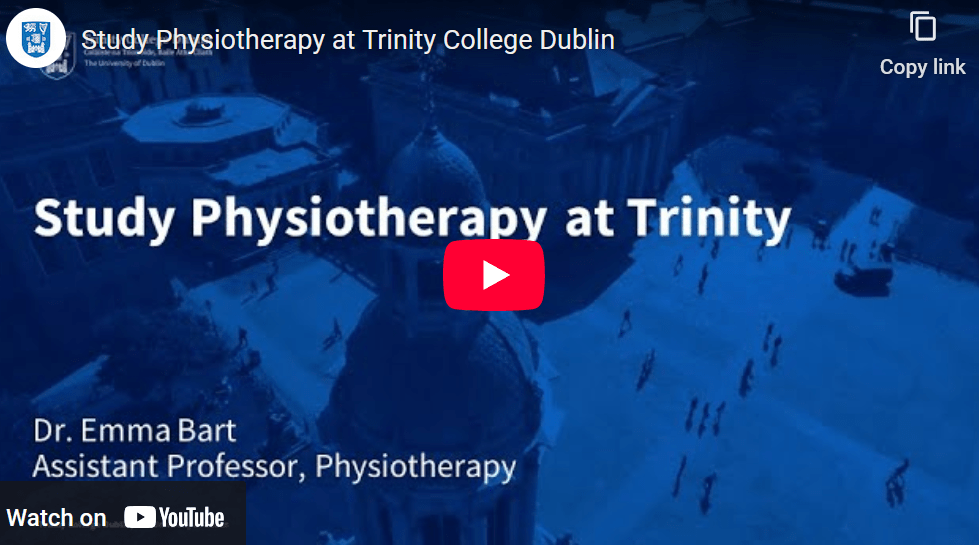
What is Physiotherapy?

Physiotherapy (also known as physical therapy) places full and functional movement at the heart of what it means to be healthy. It involves treating patients of all ages with a range of illnesses and conditions, including those with back and neck problems, sports injuries, arthritis, or those recovering from strokes and operations. The focus of our treatment is exercise prescription. 

Physiotherapists may be part of a multidisciplinary medical team that includes physicians, nurses, speech and language therapists, psychologists, occupational therapists and social workers among others. Alternatively, they may work from clinics or specialise in particular areas of the discipline.

Physiotherapy: The course for you?

Physiotherapy is both physically and academically demanding and an interest in working with people is an requirement, alongside strong communication skills. Visiting a local general hospital or other area where physiotherapists work will give you a good understanding of what exactly is involved.

Physiotherapy at Trinity

Physiotherapy is based in the Trinity Centre for Health Sciences in a purpose built complex at St. James’s Hospital. This complex houses other health science disciplines and allows physiotherapy students to share courses with those in the other health sciences to give a multidisciplinary approach to studying and working. The centre is about 3km from the main campus and is beside a Luas station on the line running between Tallaght and Connolly Station.

All students will have clinical placements at Trinity’s associated teaching hospitals of St. James’s and AMNCH in Tallaght, where there is an established expertise in most areas of physiotherapy. These placements allow students to gain experience in some of the specialist areas of physiotherapy including neurology, respiratory care, coronary care, orthopaedics, women’s health, care of the elderly, sports and out-patients.

Graduate skills and career opportunities

Successful completion of the course entitles you to membership of the Irish Society of Chartered Physiotherapists, the accrediting body for physiotherapy in Ireland. Physiotherapists are sought throughout the world and you will be able to work with a wide range of conditions or to specialise, as you wish. There is also great scope for you to continue to develop your skills and expertise in areas such as sports medicine, neurology, cardiology, respiratory, research, education, management or private practice. Students may also work with a professional sports team as part of multidisciplinary athlete support.

Your degree and what you’ll study

The major objective of this four-year course is to enable you to become a competent professional with the ability to work independently with patients. There are two components to Physiotherapy: theory and clinical practice. In the first year the emphasis is on laying a foundation of theoretical knowledge and the second year introduces students to the clinical skills and procedures used by physiotherapists. Clinical sciences are taught mainly in the second and third years. In the third and fourth years students spend up to fifty percent of their time on clinical placement. In the fourth-year, students have an opportunity to develop specialist knowledge in a particular area of physiotherapy and undertake a research project.

First and second years

In first and second year as you will have approximately 20 hours of teaching each week, divided between lecture and practical classes.

Courses covered in the first two years include: Physiology, Anatomy, Physics, Chemistry, Pathology, and Exercise. You will also start to study various conditions and specialities frequently seen in physiotherapy, such as respiratory conditions and musculoskeletal conditions.

At the end of second year you will start clinical placements under the supervision of skilled and experienced tutors. These may be taken in hospitals, clinics, day centres or within private and community practice.

Third and fourth years

In the third year, half of the time is spent on academic studies and the other half on clinical placements in a variety of settings both within and outside the Dublin area.

In fourth year, you will undertake an investigative project and study the following subjects: sports and exercise medicine, ergonomics, professional issues and advances in physiotherapy.

End-of-year written examinations and tests in certain subjects, such as anatomy, make up the theoretical assessment structure. There are a number of submitted assignments in third and fourth years.

In addition, you will be continuously assessed during your clinical placement and will have practical exams on the skills element of the course, including your assessment of a patient while on a clinical placement.

Click here for further information on modules/subjects.

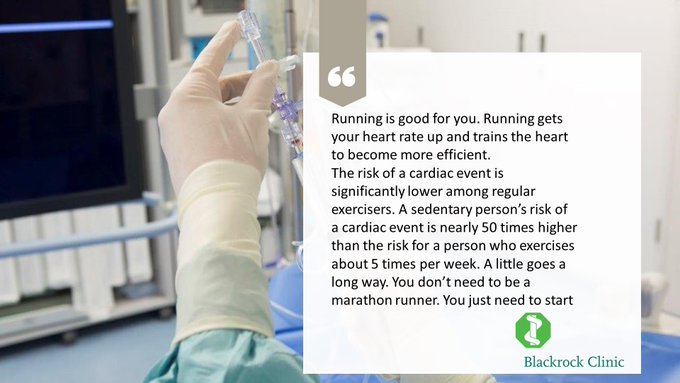
Movement is Life 🧬@HealthBlackrock 💜❤️

Blackrock Health

@HealthBlackrock

·

Blood pressure, cholesterol, alcohol, diabetes, smoking, overweight, stress and sleep all affect the risk of developing heart disease. Learn more about your modifiable risks and help protect your heart here.

https://croi.ie/heart/risk-factors/

Risk Factors • Croi Heart & Stroke Charity

Risk Factors For Heart Disease & Stroke A risk factor is anything that raises a person’s chance of developing heart disease and stroke. There are two types of risk factor, … Risk Factors Read More »