How to get back to sleep and why it’s so important: @ClevelandClinic

cleveland back to sleep

Your bed should be a place of relaxation and rejuvenation. But if you’re having trouble sleeping, that’s likely not the case.

Not only can not sleeping be frustrating, but getting a good night’s sleep is vital to maintaining your overall health and mental well-being. Seven or more hours of quality sleep each night recharges your body physically, but can also help flush toxins from your brain and allow your mind to fully rest — which assist in your mental alertness, decision-making, and overall clarity the next day.  And if you’re sick, your brain needs to be in tip-top shape to help you recover.

That’s why sleep expert Nancy Foldvary-Schaefer, DO, says you should do everything you can to address any sleep issues you’re experiencing.

Different ways your sleep can be interrupted

Besides external influences like recurring noises (from a crying infant to a snoring partner) or travel-related time changes that keep you up at night, sleep deprivation may come in many other forms.

“For example, some people experience chronic insomnia — a sleep disorder in which you have trouble falling and/or staying asleep,” Dr. Foldvary-Schaefer says. “Others may experience cycles of waking up but not being able to get back to sleep.“

And sometimes, even if you’re able to fall asleep but were focused on unresolved issues or worries right before you closed your eyes — this may affect the quality of sleep you actually achieve. “You may find yourself groggy in the morning or feeling tired, cranky or unproductive,” Dr. Foldvary-Schaefer says. “Also, a lack of sleep can affect your judgement and emotional response to otherwise normal daily activities.”

How stress can affect your sleep

Many of us tend to bring our daily stress to bed with us — which is exactly the place it doesn’t belong. It’s not easy to leave stress at the end of your day. But keeping these stressful thoughts in focus right before sleep can definitely prevent you from getting some good shuteye.

“This is something you should try to avoid whenever possible, as it can cause a variety of sleep problems,” Dr. Foldvary-Schaefer notes. “It may take practice, but committing to stress-reduction behaviors at the end of your day is very important. The more active you are in kicking stress out of bed each night, the more likely your overall sleep quality will improve.”

How to de-stress before bed

You may not be aware that bringing stress to bed could be causing a negative cycle to form. If you have trouble falling asleep, the longer you lie awake, the more aggravated you may become. Soon you may unknowingly associate your bed as a place of discomfort, rather than one of comfort. The key is to remove any negative association with your sleep space by forming healthy pre-sleep habits. Dr. Foldvary-Schaefer offers these tips for developing better pre-sleep practices:

  • Plan for tomorrow earlier in the evening — Carve out time each night before or after dinner to “wrap up” your thoughts about the last 24 hours. Plotting out your next day well before bedtime can help you check that “planning box” early enough to give yourself time to transition and quiet your mind before bed.
  • Get up if you’re not asleep after 20 minutes — It may be a good idea to take your frustrations to a different room and leave them there — literally. A short walk will get your brain actively focused on motor coordination, rather than worrying. Write down what’s on your mind on a piece of paper and revisit it in the morning. You’ll return to bed anticipating a fresh perspective in the morning (a best practice, anyway) — and leave your bedroom as your special place to rest and relax.
  • Develop your pre-sleep ritual — Take a walk after dinner to catch a sunset, take a long bath or enjoy a nightly cup of caffeine-free herbal tea.
  • Avoid overstimulation — Avoid not eating, working, or browsing a screen of any kind in bed. Reading a book off-screen may help, or enjoying a relaxing playlist to give your mind something to connect with, but not be overstimulated by.
  • Practice yoga or meditation — Closing your eyes, practice simple mindfulness, awareness or concentrated focus on your breathing for five minutes. This can help your body and mind relax — and transition  you to a more restful sleep.

If trying some of the strategies above to reduce or manage your stress aren’t helping your insomnia, cognitive behavioral therapy (or CBT-i) might be a good option.

“CBTi is a structured program that helps you identify and replace thoughts and behaviors that cause (or worsen) sleep problems with new habits and thought patterns that promote healthy sleep,” explains sleep expert Michelle Drerup, PsyD.

“CBTi is offered by trained specialists nationwide, including at many larger hospitals or academic medical centers,” Dr. Drerup adds. “There are also several online programs, such as Cleveland Clinic’s Go! to Sleep program.”

Illness may be the reason you can’t sleep

A lack of sleep may also indicate a variety of sleep disorders or other health concerns that need to be addressed with proper medical diagnosis and treatment. Once your medical conditions are treated, you may eventually see your sleep improve.

Underlying medical conditions that may prevent you from sleeping include:

  •  Chronic pain.
  •  Acid reflux.
  •  Restless legs syndrome (RLS).
  •  Sleep apnea (in both men and women).
  •  Hormonal changes caused by menopause.
  •  Narcolepsy.
  •  Diabetes.
  •  Night terrors.
  •  Sleepwalking.
  •  Depression.
  •  Common issues related to aging.

“If any of these are the case, you likely won’t sleep comfortably through the night until the problem is identified and properly treated by a knowledgeable primary care physician or specialist,” Dr. Foldvary-Schaefer says.

Make sure you keep track of symptoms you are experiencing, and tell your doctor about them as soon as possible. Your primary care physician may explore your sleep history and/or give you a physical examination. This could include examining your upper airway muscles, for example. If sleep apnea is suspected, you may be referred to a sleep disorders center for a comprehensive sleep study. Or you may be suffering from other conditions that could result in treatments like short-term hormone replacement therapy, antidepressants or other kinds of medicines — all which depend upon proper diagnosis.

Be aware and stay proactive 

Overall, the key to getting better sleep comes from first identifying your sleepless activity, reducing your stress before you hit your bed, and talking with your doctor if you notice other symptoms — so you can get back on track to a good night’s sleep.

https://health.clevelandclinic.org/what-to-do-if-you-cant-sleep

Can early bedtime help you catch some ZZZs? @ClevelandClinic

Cleveland Clinic

Is It Healthy To Sleep Naked?

Wearing no clothes could lead to cooler skin temperatures that put ZZZs within reach

Many people believe they were born with the only pajamas needed for a good night’s sleep, but here’s the naked truth: No research directly confirms that sleeping in the buff leads to better slumber.

There is, however, some validity behind the idea of sleeping naked — namely regarding how a cooler skin temperature improves sleep quality.

So, should you consider stripping down at bedtime before sliding under the sheets? Let’s look at the potential benefits (and risks) with behavioral sleep disorders specialist Michelle Drerup, PsyD, DBSM.

Is sleeping naked better?

There are some possible perks to nude sleeping … so, maybe? Here are a few reasons why you might want to slip off your clothes before slipping off to sleep.

Falling asleep faster

Your body naturally works to lower its thermostat to doze off at night through its circadian rhythm, which regulates your sleep/wake cycle. The faster you cool off, the faster you typically catch some ZZZs, says Dr. Drerup.

That’s also one of the reasons why sleep experts recommended that you keep your bedroom temperature between 60 degrees Fahrenheit and 67 degrees Fahrenheit (15.5 degrees Celsius to 19.44 degrees Celsius) for optimal snoozing.

Improved sleep quality

Ever toss and turn in bed because you’re too hot? Sleeping naked certainly removes any possibility of pajama-induced overheating interfering with a good night’s rest. It’s the absolute final move in shedding layers to stay cool.

“There’s no question that cooler is better than warmer for overall sleeping,” says Dr. Drerup.

And getting enough rest is key to … well, just about everything in day-to-day life. Waking up refreshed can help you manage stress more effectively, improve focus, boost performance and make you a more pleasant person.

For women: reduced risk of yeast infections

Tight-fitting underwear can trap heat and moisture between your legs. What makes a yeast infection thrive? Yep — heat and moisture.

Sleeping naked (or even in loose-fitting cotton bottoms) allows for some air circulation around your vagina. Keeping the area cooler and drier may help reduce your chances of getting a yeast infection, too. 

For men: potential fertility boost

Heat isn’t a friend of male fertility. Regular exposure to higher temperatures for your testicles can cause sperm counts to drop. Wearing underwear that keeps things packed tight doesn’t exactly offer a cooling effect.

Studies show that men who wear boxers have a higher sperm count than their buddies in briefs. So if loose-fitting boxes help that much, imagine what 8 hours of no clothing might do.

Reasons to keep your PJs on

Sleepwalkers may want to give the idea some extra thought to going au natural to avoid any potential awkward encounters, notes Dr. Drerup.

And if you’re not a fan of doing laundry, consider this: Your washing schedule for bedding may need to increase with more skin-to-sheet contact. (Gross fact: The skin cells you shed in a day can feed 1 million dust mites. You don’t want to turn your bed into their buffet.)

Can you be cool and clothed?

Going to bed “nearly” naked while wearing lightweight and loose-fitting garments can bring you similar quality sleep results as taking everything off. “Tank tops and boxer-style briefs don’t possess a ton of warming qualities,” says Dr. Drerup.

And while being cool is desirable for sleep, you also don’t want to be cold. There’s even evidence that wearing socks to bed to warm your tootsies can help you drift off to sleep.

So, which is it: off or on?

Ultimately, what you wear to sleep is a personal choice. “There’s no proven benefit or harm to sleeping naked,” says Dr. Drerup. “Just do what feels right and then rest easy with your decision.”

“We can reduce our risk of cardiovascular disease by 80%” Dr.Tamanna Singh @ClevelandClinic


Cleveland Clinic


@ClevelandClinic
·


Can you prevent heart disease if it runs in your family? A sports cardiologist goes over how people with a family history of heart disease may be able to reduce their risk.

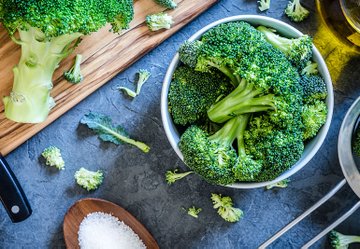
“Eat your broccoli,” may be a familiar refrain from your childhood. Maybe you didn’t love broccoli as a kid, but your parents were onto something. The “little trees” are full of fiber, folate, vitamins and more. Beth Czerwony, RD, LD. @ClevelandClinic

“Eat your broccoli,” may be a familiar refrain from your childhood. Maybe you didn’t love broccoli as a kid, but your parents were onto something. The “little trees” are full of fiber, folate, vitamins and more.

Broccoli is a member of the Brassica genus of plants, also known as the cabbage family. Broccoli’s relatives include Brussels sprouts, cabbage, cauliflower, chard and watercress. Many Brassicas have strong flavors and mix well with meats and other vegetables.

“A pile of steamed broccoli doesn’t appeal to everyone,” recognizes registered dietitian Beth Czerwony, RD, LD. “But broccoli is incredibly versatile and can be used in so many different dishes. Toss it in with your stir fry, chop it fresh in a salad or roast it with your baby potatoes. And with an abundance of nutrients, there are many benefits of eating broccoli.”

Broccoli nutrition facts

A cup of chopped raw broccoli has approximately:

In addition, a cup of raw broccoli offers:

Source: U.S. Department of Agriculture

Broccoli benefits

It’s worth finding ways to add broccoli to your diet because it’s a health-boosting dynamo. Here’s some motivation for you to get your green on: Some of the beneficial substances in broccoli are somewhat unique to the Brassica family of vegetables. Broccoli provides nutrients that may:

  • Reduce your risk of cancer.
  • Help control blood sugar.
  • Protect your gut.
  • Boost immunity.

As a superfood status, broccoli can improve your health with these five components:

1. Compounds to reduce cancer risk

“Broccoli offers some powerful molecules that protect your cells from damage,” says Czerwony. “Some of them even destroy cancer cells.”

Cancer-fighting molecules in broccoli include DIM, indole-3-carbinol and sulforaphaneAccording to studies, they may help:

  • Detoxify certain substances that promote the growth of cancer cells, which means they don’t remove the substances, but they remove the harmful effects.
  • Provide antioxidants, which prevent cell damage that can lead to cancer.
  • Stop the growth and spread of cancer cells.
  • Support apoptosis, your body’s process for destroying cells that could turn into cancer.

These anticancer molecules are in several of broccoli’s cruciferous veggie relatives, too. These nutrients don’t survive cooking or freezing. So, to get the benefits, raw broccoli is best.

“Some of these compounds are even more concentrated in broccoli sprouts,” notes Czerwony. “You can find broccoli sprouts in health food stores and many grocery stores. Sprouts are also easy to grow at home using a sprouting kit.”

2. Nutrients to help manage blood sugar

Both human and lab studies suggest compounds in broccoli may help lower blood sugar in people with Type 2 diabetes. This effect may be due to the antioxidants in broccoli, like vitamin C.

Research shows that fiber can also help with blood sugar management. At 2.5 grams of fiber per cup, broccoli is a good source of this nutrient.

3. Ligands to protect your gut

In a nonhuman study, researchers found that broccoli can help protect the lining of your small intestine. Compounds found in broccoli, called aryl hydrocarbon receptor ligands, help keep small intestine cells working well.

Why do those cells matter so much? When your small intestine lining is healthy, it only allows water and nutrients to pass through it into your bloodstream.

But when the cells of the lining are damaged, undigested food particles, bacteria and other disease-causing particles may pass through. A damaged small intestine lining can lead to infections and inflammation. It can also prevent you from absorbing the nutrients you need.

4. Vitamin C to boost immunity

Vitamin C is well-studied as an immune-boosting nutrient. When you don’t have enough vitamin C, you’re more likely to get infections.

The antioxidant effects of vitamin C also help your body keep free radicals under control. “Free radical damage is linked to all kinds of problems, including Alzheimer’s disease, autoimmune diseases, cancer, heart disease and Parkinson’s disease,” says Czerwony. When you don’t have enough antioxidants to neutralize free radicals, they damage your cells.

Surprising but true: Broccoli has more vitamin C than oranges. In 1 cup of the green cruciferous veggie, you get a whopping 81 milligrams of vitamin C. That’s 90% of the daily U.S. recommended dietary allowance (RDA) for adults. (An orange has about 70 milligrams.)

5. Nutrients to help heart health

Research suggests certain bioactive compounds in broccoli may boost your heart health in a variety of ways. It may:

  • Lower triglycerides and LDL (“bad”) cholesterol: “High LDL can lead to fatty deposits on your artery walls, increasing your risk of artery disease, stroke and heart attack,” Czerwony explains. Research shows that eating broccoli can lower triglycerides, a type of fat, as well as LDL.
  • Provide fiber: According to a review of 22 clinical trials, fiber can reduce your risk of cardiovascular and coronary artery disease.
  • Reduce calcium buildup in blood vessels: When calcium builds up on your blood vessel walls, it increases your risk of heart attack and strokeAccording to research, broccoli can help reduce this calcium buildup.

Is frozen broccoli healthy?

“If you want those anticancer compounds like sulforaphane, choose fresh broccoli,” advises Czerwony. Freezing inactivates sulforaphane.

“Frozen broccoli also loses a bit of its vitamin content. But overall, frozen broccoli is still very healthy. It’s better than not eating any broccoli because you still get a lot of the health benefits,” she continues.

Need some broccoli-inspired meals? Try these easy recipes: