
·
Taking care of body and mind doesn’t have to be complicated. Consider these simple, expert-recommended health habits today. https://mayocl.in/42dvfgj

Health is Wealth
·
Taking care of body and mind doesn’t have to be complicated. Consider these simple, expert-recommended health habits today. https://mayocl.in/42dvfgj


It may seem like a small step, but this is huge leap in Phil’s healing. #EastEnders



It may seem like a small step, but this is huge leap in Phil’s healing. #EastEnders
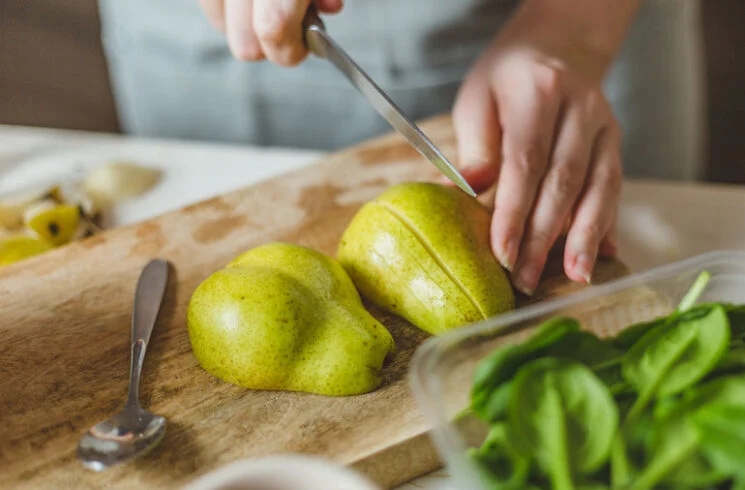
Ironically, not every pear is “pear-shaped.” One variety, Asian pears, is actually shaped like an apple. But no matter their shape, all pears are rich in disease-fighting nutrients.
“Pears are so healthy, and most people tolerate them very well,” says registered dietitian Beth Czerwony, RD, LD. “They’re terrific for your digestion and have other impressive health benefits. They’re a perfect snack if you’re craving something sweet.”
Pears are members of the Rosaceae plant family, along with apples, apricots, cherries, peaches and several other fruits and berries. Pears can range in texture, color, crispness, juiciness and sweetness. Common varieties you may find in the grocery store include:
Are pears good for you? Absolutely. Pears are a great source of antioxidants, fiber, potassium and vitamin C. But they’re not just full of nutrients — they also may lower your risk of some diseases. Here are five ways pears boost your health.
Like most fruit, pears are a source of good nutrition. One medium pear has approximately:
A medium pear also gives you:
Nobody enjoys the dreaded crash that happens after sugary foods spike your blood glucose. Steady blood sugar means a steady supply of energy, which is healthier for your body. Blood sugar management is even more important if you have diabetes.
Czerwony says pears may help stabilize blood sugar and even reduce your risk of Type 2 diabetes. How? Fiber, for starters. A medium pear offers nearly one-quarter of the fiber you need in a day. Fiber helps keep blood sugar steadier by slowing your body’s absorption of sugar.
Pears also contain anthocyanin, an antioxidant. An observational study suggests a link between eating anthocyanin-rich foods and a lower risk of Type 2 diabetes.
Another study showed that eating pears could significantly lower your odds of developing Type 2 diabetes. For each serving of pears eaten per week, researchers found a 3% lower risk of Type 2 diabetes.
In addition, pears are a low-glycemic food, which means they won’t spike your blood sugar like sugary foods and some fruits can.
Fiber adds bulk to and softens your stool, which helps things move along in your gut. Lots of foods contain fiber, but pears are a particularly excellent source.
A single pear contains 6 grams of fiber (more than 20% of what an adult needs in a day). And pectin, a type of fiber in pears, has some specific benefits. Pectin is a soluble fiber known to help:
To reap the fibrous benefit of pears, don’t skip the skin. “Pear skin contains a significant amount of the fruit’s total fiber content,” notes Czerwony.
Inflammation happens when your immune system tries to protect you from something — an infection, a toxin or some other offender. Some temporary inflammation is actually a healthy response to these things. But when inflammation hangs around, it can contribute to diseases such as Alzheimer’s, asthma, cancer and Type 2 diabetes.
Antioxidants are nutrients that can prevent some of the cell damage that leads to inflammation. Pears are rich in powerful types of antioxidants called flavonoids.
Research shows that flavonoids can reduce inflammation and lower the risk of:
Pears are an excellent part of a heart-healthy diet. Nutrients in pears that can benefit your heart include:
In addition, a study examining the effects of fruit and vegetable consumption suggests eating pears lowers your risk of stroke. And one large clinical trial showed a link between eating pears and a lower risk of dying from heart disease.
“In general, fresh fruits are best because they have the highest amount of nutrients,” explains Czerwony. “Frozen is usually a close second to fresh. The heat of canning, though, can break down certain nutrients.”
But don’t avoid canned pears completely. They’re still good for you. She advises looking for pears in water rather than syrup, which adds unneeded sugar.
“You might be surprised by what you can do with fresh pears,” she adds. “Think of how you use apples — sliced raw, in pies or baked — and you can do all those things with pears.”
Try making this poached pear dessert, include pears in your stuffing or make some interesting salads with pears.


sntSdeproo06m8a39h3661cm37379c0f3186752gl91t937c2i23f3280f4c ·
March is Endometriosis Awareness Month. Did you know this condition affects 1 in 10 women?
Endometriosis can cause debilitating pain, fertility issues, and significantly impact quality of life.
Megan Davenport, MISCP, Senior Physiotherapist in Pelvic Health at Blackrock Clinic, sheds light on the condition and its symptoms:
“Endometriosis can affect women at any age, from puberty to menopause, though its impact may persist throughout life. It is not just “bad period pain”—it is a long-term condition, and each person’s experience with endometriosis is different.
Women with endometriosis experience a wide range of symptoms, with the most commonly recognised including:
– Heavy periods (needing to change pads/tampons every hour or so)
– Painful periods that interfere with daily activities
– Pelvic, abdominal or back pain, sometimes radiating down the thighs
– Pain during or after sex
– Pain with urination or having a bowel motion
Fatigue, bloating and nausea can also be experienced as well as anxiety and depression.
Link to full article:
•
Follow
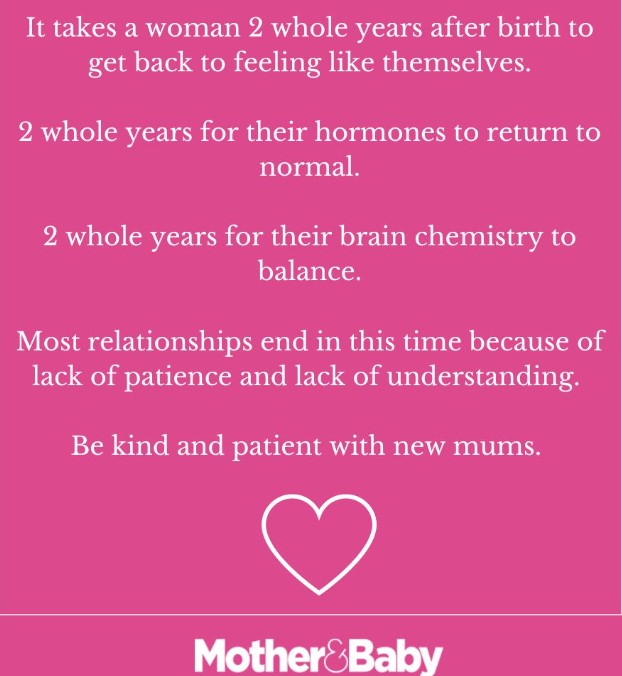
 motherandbabyHow long did it take for you to start feeling like yourself again after giving birth? 🩷
