



Health is Wealth



Blackrock Health Womens Health Centre is officially open at 2-5 Warrington Place, Dublin 2!
From gynaecology to menopause, cardiology to pelvic health – we offer a wide range of services for every stage of your health journey.
Don’t delay your well-being and book your appointment today.
You can access our clinic directly through our website, or with a referral from your GP. Learn more about our patient-centred approach and book an appointment here: https://ow.ly/jGy850XsMvR
#WomensHealth#BlackrockHealth#NewClinic#BookToday#EmpowerWomen#PuttingWomenFirst
·
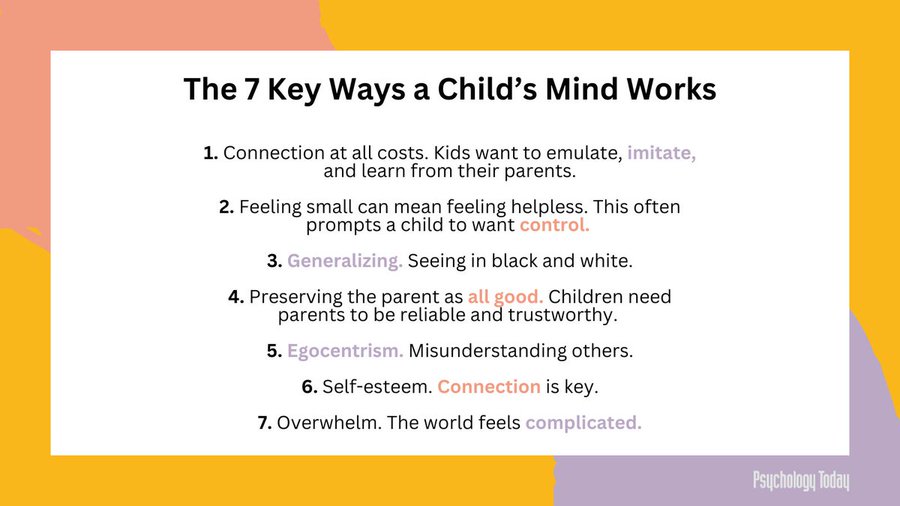
The next time your child acts up, ask yourself what’s at the root of it. You’ll likely find that one or more of these qualities is at play. https://psychologytoday.com/us/blog/a-deep-dive-into-narratives/202503/the-7-key-ways-a-childs-mind-works

·
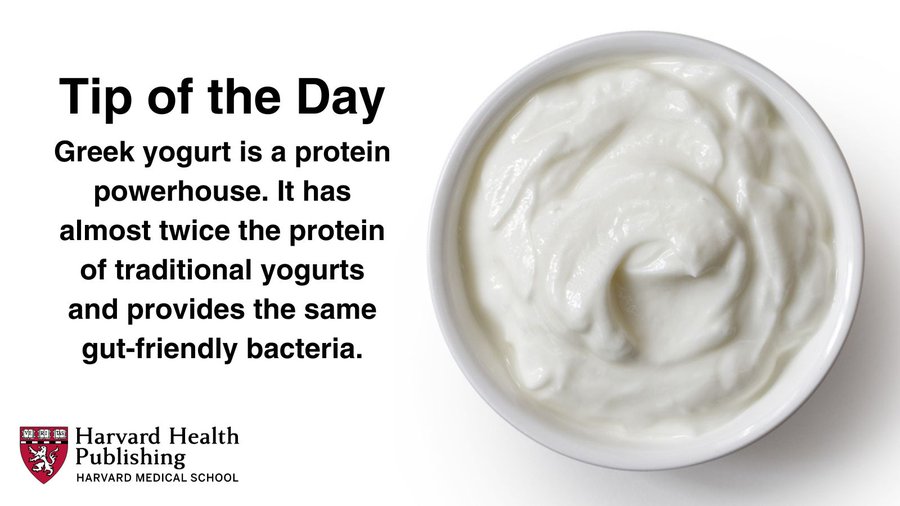
Protein in Greek yogurt: Greek yogurt is a protein powerhouse. It has almost twice the protein of traditional yogurts and provides the same gut-friendly bacteria. #HarvardHealth
https://www.instagram.com/reel/DFbPVPjyBfK/?igsh=MXVyb2hzNDk2eWltdw==

•
Follow
Giulio Cercato•Click (Instrumental)
Liked by emilyarbutina and others
 clevelandclinic
There is something special about using fresh peas straight out of the pod. This recipe was inspired by our root-to-stem philosophy of cooking: It always seems like such a waste to throw away the pea pods, but they are relatively inedible. To make use of the pods, we’ve pureed them into a spring-fresh pasta sauce. Remember: Pasta for breakfast is a great choice, especially when it’s loaded with healthful pea protein.
Kosher salt
1 pound fresh English peas in pods (yields about 1 cup shelled peas and about 3 ½ cups pods)
½ cup water
¼ cup extra-virgin olive oil
2 small spring onions or 2 large shallots, chopped
2 small spring garlic (whites) or 3 garlic cloves, minced
2 tablespoons Greek yogurt (optional)
12 ounces whole grain pasta, such as linguine, rigatoni or small shells
Freshly ground black pepper
¼ cup fresh mint (peppermint preferred), thinly sliced
Espelette pepper to taste (optional)
Grated Parmigiano Reggiano cheese (optional)
Makes 4 servings.
Calories: 554 kcal
Total fiber: 12 g
Soluble fiber: 0.1 g
Protein: 15.5 g
Total fat: 16.7 g
Saturated fat: 2.0 g
Healthy fats: 12.1 g
Carbohydrates: 84 g
Sugars: 7.7 g
Added sugars: 0 g
Sodium: 178 mg
Potassium: 433 mg
Magnesium: 14 mg
Calcium: 134 mg
Source: The What to Eat When Cookbook by Michael F. Roizen, MD, Michael Crupain, MD, MPH and Jim Perko, Sr, CEC, AAC.
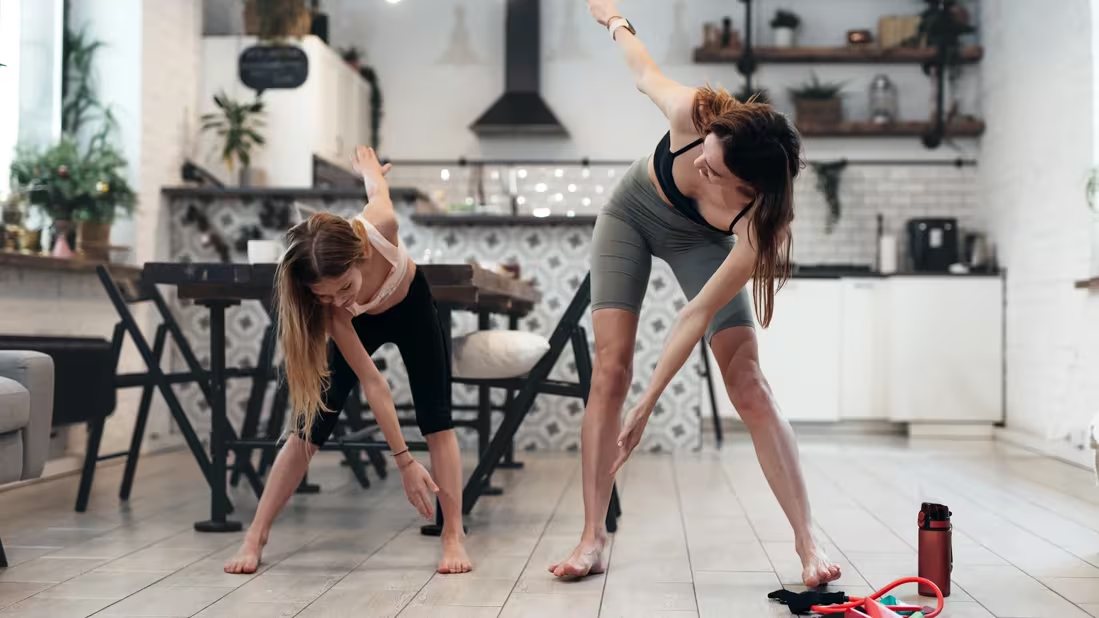
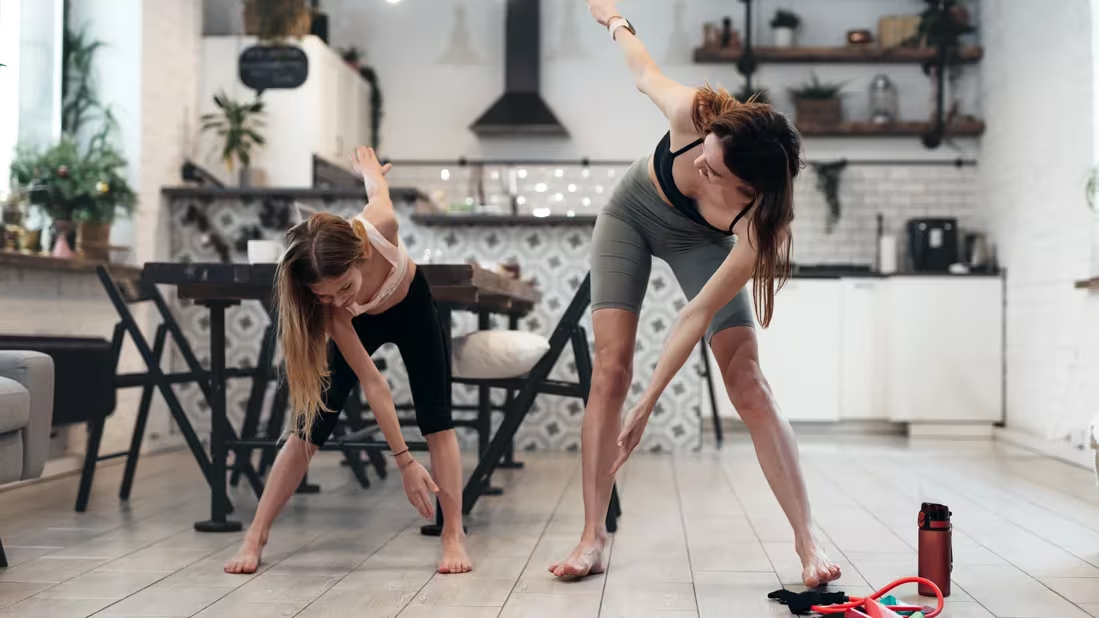
Want to tone your midsection? You can start by standing up to do ab exercises.
Surprised? That’s understandable. After all, most of us think of a few classic on-the-floor exercises when it comes to strengthening our abdominals. Crunches and sit-ups, for instance. Planks, too.
But it turns out, you can get a deeper and more thorough core workout while on your feet, says exercise physiologist Katie Lawton, MEd. Here’s how.
The pursuit of “six-pack abs” explains the devotion to crunches and similar floor exercises. “You completely isolate the rectus abdominis muscles when you lie down and do that motion,” says Lawton. “It’s very targeted.”
That’s great for creating washboard abs. But it doesn’t do much to enhance other muscles in your middle that play an important role in day-to-day movements.
Standing ab exercises, on the other hand, engage a network of muscles within your core that you use all the time, whether it’s picking laundry up off the floor or putting cans on the top shelf in the pantry.
“Think of your core as a chain of muscles that needs to work together to get the job done,” illustrates Lawton. “When you do an ab workout from a standing position, you’re working more of the muscles in that system.”
Strengthening your core can help you:
Incorporate these exercises in a standing abs workout to see those benefits.
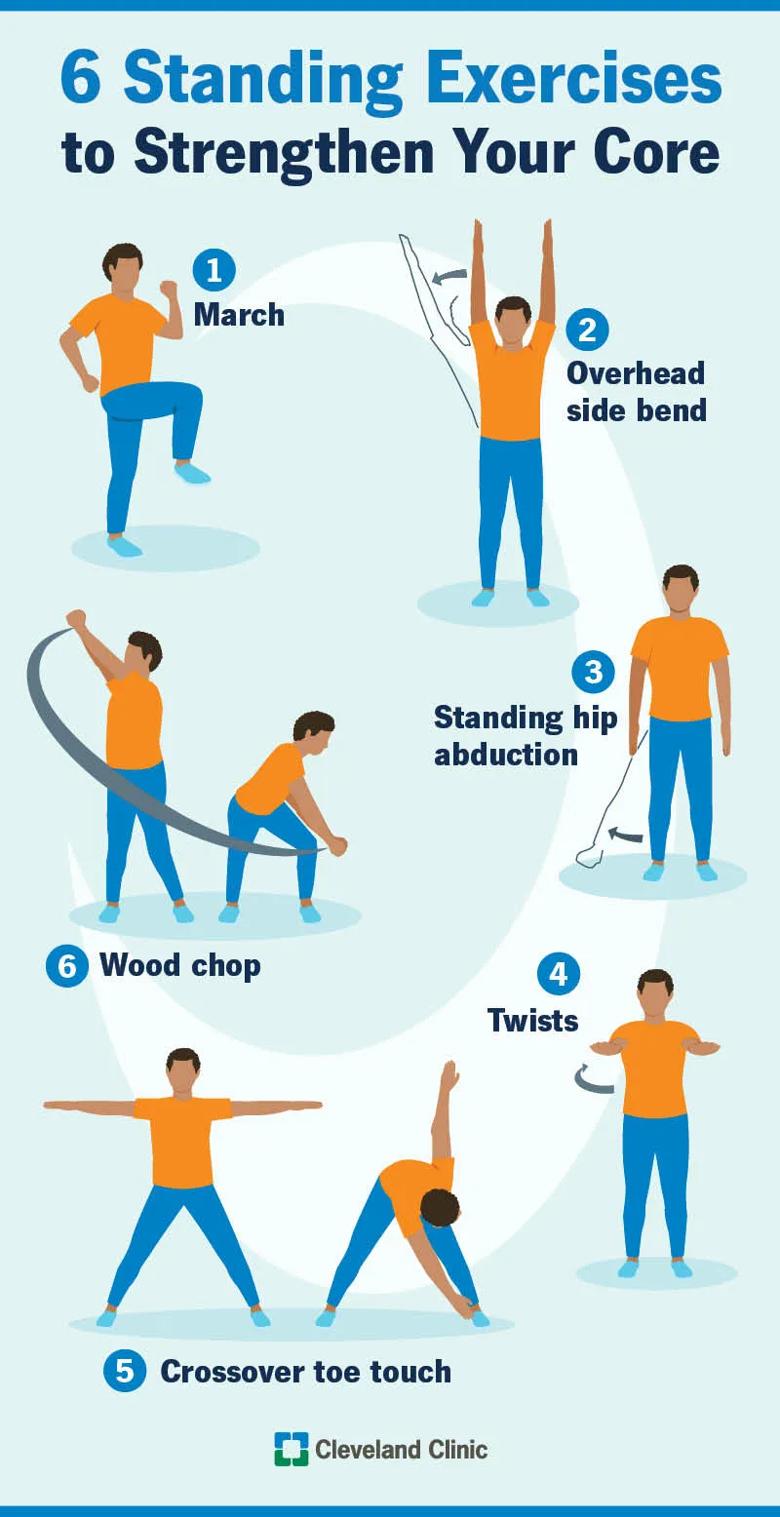
Muscles targeted: Rectus abdominis, transverse abdominis, erector spinae and hip flexors
Pro tip: Want to make the march more challenging? Then add a “twist” to your motion by moving your right knee toward your left side when you raise it. (Your left knee would go toward your right side.)
Muscles targeted: External and internal obliques, quadratus lumborum, deltoids and erector spinae
Pro tip: “As you bend to each side, focus on engaging your core muscles to work them properly,” advises Lawton. “You’re just going to the side, too. Your torso shouldn’t lean forward at all.”
Muscles targeted: Rectus abdominis, transverse abdominis, erector spinae, glutes and hamstrings
Pro tip: Use a chair to steady yourself if balance is an issue. “You always want to make sure these exercises are done in the safest way possible,” emphasizes Lawton.
Muscles targeted: Internal and external obliques, rectus abdominis, transverse abdominis and erector spinae
Pro tip: Twists should be done in a slow and controlled manner. “You don’t want to be whipping back and forth,” cautions Lawton.
Muscles targeted: Internal and external obliques, rectus abdominis, transverse abdominis, erector spinae, hamstrings and glutes
Pro tip: Skip this exercise if you sometimes get lightheaded when raising your head and up and down.
Muscles targeted: Internal and external obliques, rectus abdominis, transverse abdominis, erector spinae, deltoids and latissimus dorsi
Pro tip: Tailor these exercises to your range of motion. “Move the best you can within the parameters you have,” advises Lawton. “When you start to feel that tension in your muscles, stop there. If it hurts, you’ve gone too far.”
The simplicity of standing ab exercises just … well, stands out. That’s because the exercises build on natural movements that we do all the time. “That’s a big reason why they’re so effective,” says Lawton.
It’s important to safely progress these exercises as they become easier. Resistance bands, cable machines, medicine balls or free weights are all tools that can help you increase the intensity of the movements.
Dedicating a few minutes a day to these exercises can help you build core strength that supports everything you do, from walking the dog to lifting groceries.
“Standing ab exercises really don’t take a lot of time,” emphasizes Lawton.
Plus, you won’t need to find your floor mat to do them.
Learn more about our editorial process.


 Healthaware