Probiotics are good bacteria that keep the gut healthy and help fight infections and #inflammation. Fermented foods like yogurt, pickles, sauerkraut, and sourdough bread are great sources: https://bit.ly/3zPQxl4#HarvardHealth
Who doesn’t want a healthy immune system? (Raise your hand. No one?) But did you know the role your diet plays in keeping it in top shape to protect you from toxins and infections? Sadly, too many of us don’t eat enough of the fresh fruits, vegetables and other foods we need to keep ourselves healthy year-round. Healthy foods provide many substances including vitamins and minerals to keep us strong and healthy. You can’t just eat an orange or grapefruit or pop a vitamin pill and expect one quick burst of vitamin C to prevent a cold and to boost your immune system. “A truly healthy immune system depends on a balanced healthy diet over time,” says registered dietitian Maxine Smith. “It’s like training for a battle and preparing your body ahead of time so it can through a good punch when attacked by viruses, bacteria and toxins. Other lifestyle practices such as regular exercise and good sleep will better prepare you for the battle.” With some exceptions, it’s best to get your vitamins and minerals from your food rather than in pill form. Smith shares some tips for some of the top vitamins and minerals your immune system needs to perform:
1. Vitamin C Vitamin C may help prevent infections or shorten their stay. Citrus fruits are a standout, but did you know there are other good sources? It’s true! Smith recommends the following: Spinach. Kale. Bell peppers. Brussels sprouts. Strawberries. Papaya. Fun fact: vitamin C is in so many foods that most people may not need to take supplements unless a doctor advises it. Consult with your doctor before taking any vitamin C supplements
2. Vitamin E Like vitamin C, vitamin E can be a powerful antioxidant that helps your body fight off infection. This important vitamin — part of nearly 200 biochemical reactions in your body — is critical in how your immune system functions. To get your vitamin E, think high-fat plant foods such as: Almonds. Peanuts/peanut butter. Sunflower seeds. Oils such as sunflower, safflower, and soybean oil. Hazelnuts.
3. Vitamin A#
Vitamin A is an infection-fighter and comes in two forms: preformed such as in animal foods such as fish, meat and dairy or from plant carotenoids. Tuna is a great source of preformed vitamin A. When it comes to carotenoids, go colorful: Carrots. Sweet potatoes. Pumpkin. Butternut squash. Cantaloupe. Dark green leafy vegetables.
4. Vitamin D Known as the sunshine vitamin, it’s one of the most important and powerful nutrients for supporting the immune system. Food sources are limited but include: Salmon. Mackerel. Tuna. Sardines. Vitamin D fortified like milk, orange juice and cereals. In general, it’s best to get most of your vitamins from food, but vitamin D may be the exception to that rule. Talk with your doctor to find out if you need a supplement.
5. Folate/folic acid Folate is the natural form and folic acid is the synthetic form, often added to foods because of its health benefits. To get more folate, add more beans and lentils to your plate on a regular basis, as well as leafy green vegetables. Avocado is another tasty source. You can also get folic acid in fortified foods (check the label first). Enriched pasta. Enriched bread. Enriched rice.
6. Iron Iron, which helps your body carry oxygen to cells, plays a part in many of the immune system processes. It comes in different forms. Your body can more easily absorb heme iron (aka iron from animal products), which is abundant in: Red meat (limit to smaller amounts and less often). Chicken. Turkey. Canned sardines. Oysters. Clams. Mussels. Canned light tuna. If you’re a vegetarian, have no fear. You can still find iron in: Beans. Broccoli. Kale. Iron-fortified cereals.
7. Selenium Selenium seems to have a powerful effect on the immune system being important for preventing infections. Animal foods are the best sources, with the exception of Brazil nuts, that offer a whopping greater than 100% daily value in one nut. However, too much can be a problem, so keep to no more than one to two of these in a day. Look for selenium in: Seafood (tuna, halibut, sardines). Meat and liver. Poultry. Cottage cheese.
8. Zinc Zinc is needed for the production of new immune system cells. It’s found primarily in animal foods but can be also found in some vegetarian food like. Oysters. Crab. Lean meats and poultry. Baked beans. Yogurt. Chickpeas. Choose frozen when you can’t get fresh Depending on where you live and what time of year it is, you can’t always get your hands on high-quality fresh produce. Keep in mind that buying frozen is a good option and can be quite convenient in our time-crunched world. Frozen food can still boost your immune system. “Manufacturers freeze frozen fruits and veggies at ‘peak’ ripeness, which means they’ll pack a similar nutritional value as their fresh counterparts,” she says. “Just choose plain frozen foods rather than those with added sugars or sodium.” Facebook Twitter
We all want to protect our kids whether it be from falls, bumps and bruises — or avoidable infections and diseases. To help your child avoid illness, it’s important to encourage good habits and take steps to boost their immune system from an early age.
“Most of what makes a child’s immune system strong is common sense,” says pediatrician Adriane Lioudis, MD. If you keep these five tips in mind, you’ll stack the deck in your child’s favor for a healthier life.
1. For newborns, consider breastfeeding
While it’s a very personal decision (that isn’t always possible), if you are able to exclusively breastfeed your child for at least six months, it may have benefits. Some research shows that breastfeeding your child might possibly reduce allergies, Dr. Lioudis says.
2. Promote regular hand washing
Eighty percent of infections are spread by touch. Teach your little one to take the time to wash their hands after sneezing, coughing and going to the bathroom. Washing hands with warm water and soap for at least 20 seconds can remove bacteria and viruses and can reduce the chance of lung infections by up to 45%.
“Get the flu shot for your child yearly, as well,” Dr. Lioudis says. This is particularly important for children with asthma and other chronic health conditions.
Also, if your family will be traveling internationally, it’s important to seek advice from your child’s healthcare provider about any needed vaccinations.
4. Make sleep a priority
To maximize immunity, children must get enough sleep.
Babies between 0 and 3 months need 14 to 17 hours of sleep. Those between 4 and 12 months need 12 to 16 hours of sleep.
Children between the ages of 1 and 2 need between 11 and 14 hours.
Kids between the ages of 3 and 5 should get from10 to 13 hours.
Children ages 6 to 12 should get between 9 and 12 hours.
Teens between the ages of 13 to 18 need 8 to 10 hours.
Not getting enough sleep limits the body’s ability to produce proteins called cytokines that help fight infection and reduce inflammation.
5. Encourage a healthy diet
A healthy diet is also important for your child’s immune system.
Dr. Lioudis recommends encouraging your child to “eat the rainbow” when it comes to fruits and vegetables. A good selection of whole grains should be part of their diet as well. Keep processed foods to a minimum. Proper food choices can help ensure that your child gets enough vitamins — such as vitamin A and E. These vitamins are needed to maintain good health and a strong immune system.
You can’t avoid all illness, but some kids need extra protection
“Even if you follow these tips, your child might still get between seven and 11 colds each year,” says Dr. Lioudis. She adds that you can expect each one to last up to two weeks.
Also, keep in mind that some things billed as common “remedies” aren’t effective in boosting immunity. For example, there’s no definitive proof that large amounts of vitamin C or echinacea help prevent colds or shorten them, she says.
However, if your child has a compromised immune system, work closely with your pediatrician to find ways to improve his or her immunity. Each child needs a personalized approach because their individual immune system varies, Dr. Lioudis says.
“There’s generally a different protocol with immunocompromised children. There are some vaccines we have to add in on top of what most children have, but it’s something that we must determine on a case-by-case basis.
Multiple cardiac benefits result from frequent consumption of dark chocolates rich in flavanols, including our response to stress.
Recently when talking with my 7-year-old daughter, I asked her what was the best food she could eat for a snack. As the daughter of a cardiologist you may imagine that she would have been taught the enduring virtues of eating fruits and vegetables and how these are the best foods to use as snacks. She told me that my question was easy and replied, “the best snack is chocolate.” I asked her where she learned that and she told me her mother told her so. How can you really argue against that logic?
This question posed to my daughter then led to more investigation during my clinic. I asked many patients informally what were their favorite snacks. Since they were in a cardiologist’s office they would often say some sort of fruit or vegetable and then add they only consume it in a small quantity.
I then would ask, “now what really is your favorite snack?”
I particularly enjoyed the response of a couple in their mid 70s. I have seen both of them both for atrial fibrillation for over 5 years. She said, “my true favorite snack is chocolate.” Then almost immediately after, as if there was a sense of guilt in admitting this, she said, “but chocolate is healthy right? I try to eat dark chocolate.” Her husband laughed at her and said she eats more than dark chocolate. He then replied, “my favorite snack is anything you put in front of me.” In my informal poll of true favorite snacks, chocolate was mentioned in about two thirds of my patients. Most of my patients felt dark chocolate in particular was healthy.
Dark chocolate and other cocoa products have gained a lot of attention worldwide as dietary supplements to improve heath. These products are rich in in flavanols. Flavanols are felt to mediate some of the heart healthy properties of chocolate. Flavanols are also found in many other food sources felt to be heart healthy such as grapes, apples, blackberries, legumes, red wine, and green tea. But of all of these food sources, the relative concentration of flavanols is highest in chocolate. As you may have guessed, dark chocolate contains much higher concentrations of flavanols compared to milk or white chocolate. In some chocolates the production process all but eliminates flavanols.
What Are the Heart and Vascular Benefits of Eating Dark Chocolate?
Lower Blood Pressure. Consumption of cocoa increases nitric oxide, studies show. For a good review of benefits, see Cocoa and Cardiovascular Health. Nitric oxide is a naturally occurring chemical in our bodies. Nitric oxide acts on small receptors in our blood vessels and prompts the vessels to dilate. This process lowers blood pressure. High blood pressure as discussed in many of my prior columns is associated with many types of heart disease including heart failure, atrial fibrillation, and atherosclerosis. High blood pressure is also associated with cognitive decline, dementia, and stroke.
Coronary Artery Health and Stability. As our arteries become diseased from atherosclerosis, plaques grow and over time begin to impair blood flow. If the surface of these plaques becomes disrupted or inflamed the plaques may ulcerate. The body responds to the ulceration by forming a clot in an effort to heal the wound. This process can lead to a heart attack. Cocoa may help stabilize plaques and minimize their risk of rupture by reducing smooth muscle cell proliferation (a process that causes plaques to grow), platelet adhesion (a process that results in clot formation in the artery), and preventing leukocyte adhesion and migration (processes that causes these plaques to become inflamed and unstable).
Lower Cholesterol. People with elevated total cholesterol with increased levels of low-density lipoprotein (LDL) cholesterol have a higher risk of cardiac disease, in particular coronary atherosclerosis and heart attacks. Flavanols reduce cholesterol absorption in our gastrointestinal track and also the synthesis of LDL cholesterol, research shows. They may also help raise high-density lipoprotein (HDL) cholesterol, the part of our cholesterol that is felt to be protective of heart disease, a clinical trial reported. Lower LDL and higher HDL levels after cocoa consumption were seen in people with both normal cholesterol levels to begin with and those with elevated levels that needed treatment. Multiple medications reduce LDL cholesterol, but very few things and essentially no medications raise HDL cholesterol consistently.
Dark Chocolate Changes Our Body’s Response to Stress
My wife often says, “I eat chocolate when I am stressed.” As I mentioned in a prior column, stress and our response to it can be a very potent risks of heart disease. In this regard, what if chocolate can improve how we respond to stress?
This brings me to the newest study regarding dark chocolate that I found very interesting. When we are stressed our body signals out chemicals that raise our blood pressure and help us fight the stressor. These chemicals or hormones are stored in the brain (pituitary gland), the adrenal glands, and other parts of the nervous system. A rececent study looked at how the body responded to stress by measuring these chemicals (cortisol, epinephrine, adrenocorticotropic hormone [ACTH], and norepinephrine) in 31 men consuming dark chocolate (“Noir 72 percent”; Chocolat Frey AG, Buchs/Aargau, Switzerland) versus 34 men that received a placebo chocolate that did not contain flavanols. The men then underwent a significant stress.
The stress was a 5-minute mock job interview and then a 5-minute mental arithmetic task in front of an audience. It is probably easy for most of us to imagine feeling very stressed if we had to try to solve a complex math problem in our head in 5 minutes while others watched, or we had to receive an intense job interview.
What these researchers found about the effect of chocolate was significant. Those men consuming dark chocolate had lower levels of cortisol and epinephrine after the stress. Although their brain response to stress was similar (ACTH levels were identical in both groups) the body’s response to the brain signals of stress was blunted. In particular, the response of the adrenal gland, which produces cortisol, was much less. Less released cortisol and epinephrine with stress is important as these are strong stimulants of the heart and blood vessels. With repetitive stress over time, both the heart and blood pressure have be negatively effected. Finally, since the body response was less significant, men consuming dark chocolate reported having less feelings of stress during the process.
My daughter was right, dark chocolate or chocolate rich in flavanols is a healthy food choice. The benefits of dark chocolate need to be carefully considered with the calories consumed, but in general there are multiple heart-related advantages with frequent consumption. In addition, as my wife mentioned to me, dark chocolate also may help you deal with stress, not only how you perceive it mentally, but also how your body responds to it.
This dairy product can help you lose weight, manage blood sugar and strengthen bones
Cottage cheese doesn’t typically receive a lot of attention. It gets left out from the fancy cheese counter at the grocery store. It doesn’t make the cut for a charcuterie (meat and cheese) board. And it isn’t typically included in recipes for favorite foods such as pizza, grilled cheese or baked ziti.
It’s a soft, white, fresh cheese that’s different in texture and taste than more popular cheddar, Parmesan and blue cheeses. But cottage cheese holds a prominent place in the dairy aisle for good reasons, says registered dietitian Julia Zumpano, RD, LD.
“It’s a portable food that’s easy to add to your diet,” she says. “And cottage cheese offers lots of health benefits.”
As a dairy product, cottage cheese is a great calcium source, which is important for bone health. Having healthier bones makes you less likely to get osteoporosis (weak bones). Cottage cheese in your diet can even help with your blood sugar levels.
Thinking about giving cottage cheese a go? Zumpano explains what you need to know.
Is cottage cheese healthy?
Cottage cheese is low in calories while providing protein and vital nutrients, Zumpano says, making it one of the healthiest cheeses you can eat. It’s made by curdling pasteurized (sterilized) cow’s milk — when milk turns acidic, the milk protein separates and forms curds (clumps). These loose curds serve as the base for cottage cheese.
Depending on the fat content of curdled dairy milk, cottage cheese is available as nonfat, low fat (1% or 2%) or whole fat. The milk type affects the nutritional content.
“To get the most bang for your buck, choose a low-fat or even full-fat cottage cheese,” Zumpano advises. “Nonfat cottage cheese may sound like a good idea, but it contains less protein and won’t be as satisfying.” Full-fat cottage has 1.5 grams more of saturated fat when compared to 2% but can be the most satisfying.
Health benefits of cottage cheese
Cottage cheese may be mild in flavor, but it packs a punch when it comes to potential health benefits. Some of the many benefits of cottage cheese include:
Provides good nutrition
A 100-gram serving (just under a half cup) of low-fat (2%) cottage cheese provides:
Three factors make cottage cheese a great choice if you’re looking to lose pounds or maintain your weight:
High in protein:Research finds that eating a high-protein diet helps curb your appetite and manage hormones associated with appetite, digestion and insulin release.
Low in fat: Full-fat cottage cheese contains less fat than some other cheeses (4% fat versus 30% fat in cheddar), and its high protein makes it an excellent low-fat option.
Provides calcium:Studies show that increasing calcium can help you lose weight when combined with a calorie-restricted diet.
Cottage cheese isn’t the only dairy food to provide these advantages. Greek yogurt can also check these boxes. But if you’re deciding between the two, Zumpano recommends cottage cheese. “Full-fat cottage cheese and full-fat Greek yogurt have the same amount of fat, but cottage cheese has 25% more protein.”
Provides essential amino acids
Cottage cheese is rich in casein (pronounced “KAY-seen”) protein. It’s a complete protein that provides essential amino acids, which are all the building blocks of protein that your body needs.
Amino acids help your body work smoothly. They affect your:
Phosphorus is critical for proper bone development and strength, especially during growth spurts or when healing from a fracture.
Protein helps maintain bone mineral density and can reduce the risk of fractures.
“Bone health is critical as you age,” Zumpano shares. “Adding cottage cheese to your diet is an easy way to strengthen them.”
Helps you control blood sugar levels
Plain cottage cheese is low in carbohydrates, making it a great option for anyone watching their blood sugar. The slow-digesting casein protein in cottage cheese also helps prevent blood sugar spikes.
“To get this benefit of cottage cheese, choose plain cottage cheese,” Zumpano recommends. “Avoid cottage cheese pre-packaged with fruit and check the label for added sugar.”
Contributes to a balanced gut
Probiotics are live microorganisms that can improve the balance of good and bad bacteria in your gut (gut microbiota). The curdling process used to produce cottage cheese adds beneficial bacteria that can promote better gut health. But unlike Greek and regular yogurt, which almost always contain probiotics, not all cottage cheese is created equal.
“If you want cottage cheese that provides probiotics,” Zumpano says, “check the label to see if it says it contains ‘live and active cultures.’”
Promotes muscle development
The slow-release protein in cottage cheese doesn’t just help with digestion. It’s also important for building muscle tissue and helping your muscles recover after a workout.
“Casein protein provides your cells with amino acids consistently over a longer period, which helps muscles recover instead of breaking down,” Zumpano explains. Consider having cottage cheese after a workout to get the maximum benefit for your muscles.
Reduces your risk of some cancers
Research shows that increasing dairy intake may lower your risk for some (though not all) cancers. “There’s still a lot to learn about the connection between dairy and cancer prevention,” Zumpano states. “But it’s clear there are protective benefits to including dairy in a balanced diet.”
Experts believe getting more calcium may offer protection from:
Bladder cancer.
Breast cancer.
Colorectal cancer.
Stomach (gastric) cancer.
Tips for adding cottage cheese to your diet
The United States Department of Agriculture (USDA) recommends that adults get three cups of dairy daily. Cottage cheese can help you reach that goal.
When you incorporate cottage cheese into your diet, remember to:
Check the nutrition label: Single-serve containers of cottage cheese may vary in size and nutritional content.
Consider your lactose tolerance: The lactose in cheese decreases with age. As a fresh, unripened cheese, cottage cheese often contains more lactose than aged cheeses. If you have lactose intolerance, consider a cottage cheese that’s lactose-free.
Keep an eye on sodium: Cottage cheese can be high in sodium, so opt for low-sodium or sodium-free cottage cheese to protect yourself from high blood pressure and heart disease.
Get creative: There are many ways to eat more cottage cheese. Consider adding cottage cheese to your eggs or pancake mix. Bake it into muffins or cakes. Or use it as a substitute for sour cream or ricotta cheese.
A creamy smoothie with crunchy toppings — in a bowl!
Ingredients
Smoothie base
1 1/2 cups plain yogurt
1 banana, frozen
1/2 cup orange juice
1 cup berries of your choice
1 tablespoon flaxseeds
1 scoop vanilla plant-based protein powder, optional
Toppings
1 tablespoon slivered almonds
1 teaspoon chia seeds
1 tablespoon pomegranate seeds
Directions
Blend all base ingredients together until smooth, adjusting for sweetness and thickness.
Serve immediately in a large bowl with toppings.
Ingredient health benefits
Yogurt: With probiotics and prebiotics to go around, yogurt is a great way to show your stomach some love. Yogurt is also a complete protein, which means it has all nine essential amino acids that your body needs to function properly (but can’t make on its own). And, most famously, it has calcium to keep your bones happy and healthy.
Bananas: Most everyone knows that bananas are a great source of potassium, but there’s so much more to this zany-looking fruit than popular knowledge conveys. Bananas also have magnesium and vitamin B6, which help regulate blood pressure and metabolism. And they have fiber to keep your gut working properly.
Flaxseed: This little seed really is worth the hype. Flaxseed is a source of omega-3 fatty acids (omega-3s, for short), which are vital for your body to function as it should. Flaxseed also has fiber and antioxidants that fight damaging free radicals and chronic inflammation.
Chia seeds: Another tiny seed with plenty of perks, chia seeds improve your digestion and promote the growth of good bacteria that keep your gut healthy. Their quirky ability to expand in fluid can help you stay fuller for longer when they’re in your stomach juices, which can be helpful if you’re trying to lose weight.
Pomegranate seeds: These little gems are as good for you as they taste. The squishy packets around the seeds contain juice that’s high in antioxidants, which might support the health of your heart. Pomegranate juice may also have cancer-fighting abilities, but research is ongoing. Still, incorporating pomegranates into a hearty, nutritious diet wouldn’t hurt!
Nutrition information (per serving)
Makes 4 servings Serving = 3/4 cup
Calories: 160 Carbohydrate: 27 g Sugars: 17 g Fiber: 4 g Saturated fat: 0.5 g Cholesterol: 5 mg Protein: 9 g Sodium: 70 mg
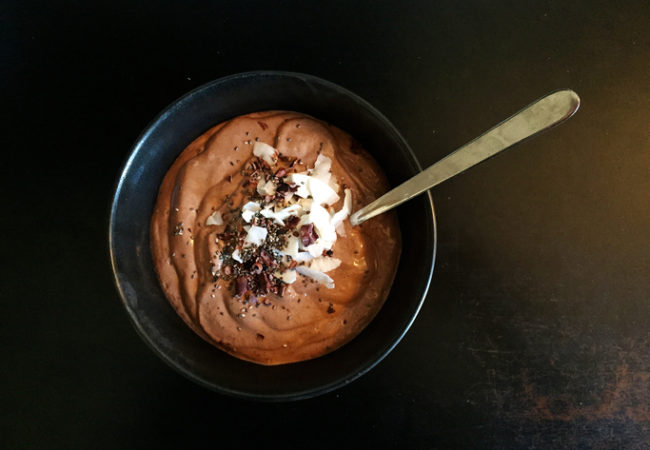
A top-down view of a chocolate smoothie bowl (thick smoothie served in a bowl with a spoon) garnished with chia seeds, large coconut flakes and cacao nibs. Healthy vegan breakfast. The smoothie portion contains banana, chocolate, almond milk and ice.
This pudding is packed with health-promoting chia seeds, almond milk, cinnamon, cocoa, coconut flakes and dried fruit. It’s the perfect chocolate treat.
Ingredients
½ cup Chia seeds
1 cup vanilla almond milk, unsweetened
1 cup 2% milk (may use all almond for non-dairy option)
1½ tablespoons honey
1 tablespoon cocoa powder, unsweetened
1 teaspoon cinnamon
1 teaspoon vanilla extract
2 tablespoons coconut flakes, unsweetened
2 tablespoons dried tart cherries, or other unsweetened dried fruit
Directions
Place chia seeds, milks, honey, cocoa, cinnamon and vanilla in a glass container with a tight lid.
Seal and shake well to combine. Refrigerate for at least 5 hours or overnight.
Serve topped with coconut flakes and dried fruit to garnish.
Note: For a smoother texture, blend pudding in a high power blender before refrigerating. Be sure to blend well to avoid a gritty texture.
Nutrition information
Makes 6 servings
Each 1/2 cup serving contains:
Calories 140
Total fat 7g
Saturated fat 2g
Trans fat 0g
Protein 4g
Total carbohydrate 16g
Fiber 6g
Sugar 7g
Cholesterol 5mg
Sodium 150mg
Tanita Tikaram💙 Retweeted A.A.Milne@A_AMilne·2h “What do you like doing best in the world, Pooh?” Pooh had to stop and think. Because although Eating Honey WAS a very good thing to do, there was a moment just before you began to eat it which was better than when you were, but he didn’t know what it was called. ~A.A.Milne



 healthcareatoz




 Healthaware