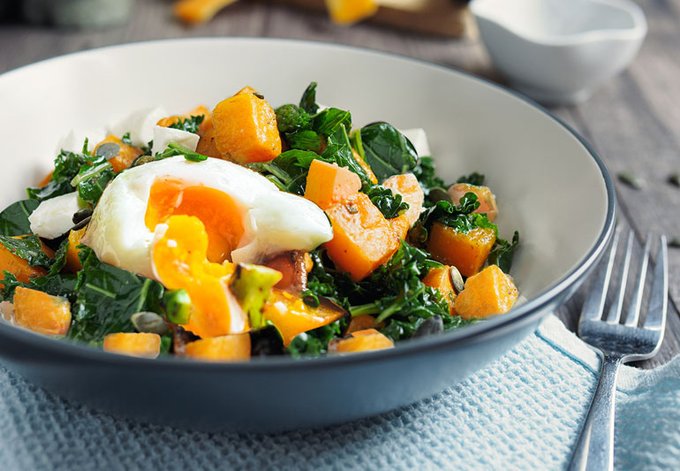
Recipe: Sauteed Veggies with Avocado & Poached Eggs

Cleveland Clinic
@ClevelandClinic
·
Eggs and greens are a perfect combo. Try this recipe any time of day:
Recipe: Sauteed Veggies with Avocado & Poached Eggs


Some have called bananas “nature’s perfect snack,” and it’s easy to see why. The curvy yellow fruits come conveniently packaged, travel well in a lunch bag or purse and are incredibly versatile. They make a great smoothie mixer or a tasty topper on cereal or oatmeal and even have their very own category of (delicious!) muffins and bread.
“Absolutely,” says registered dietitian Elyse Homan, RD, LD. “They’re full of nutrients and easy on the gut. Very few people have problems digesting bananas.”
So, what are you eating when you peel and enjoy? A medium-sized ripe banana contains:
From vitamins to minerals to fiber, bananas are good for you, with lots of nutrition to offer. Plus, they’re easy to digest, reiterates Homan. Here’s a breakdown of banana’s most notable nutritional benefits:
With 3 grams (g) of fiber, a banana supplies nearly 10% of what you need in a day, based on a 2,000-calorie daily diet, according to the U.S. Department of Agriculture (USDA) dietary guidelines.
You hear “fiber” and probably automatically think of digestion. It’s true — fiber is great for your gut. It helps keep things moving in your intestines, and most of us probably need to eat more.
But fiber also impacts your health in other ways. Researchers who looked at data from nearly 200 studies found that people who ate 25 to 29 g of fiber a day had up to a 30% decreased risk of:
Vitamin C (ascorbic acid) is a nutrient that helps your body absorb iron and boosts your immune system’s ability to fight illness. Adults need 75 to 90 milligrams (mg) per day. A banana delivers about 10 mg of vitamin C.
Vitamin C is one of many antioxidants you can get from food. Antioxidants are important because they cancel out free radicals in your body. Free radicals can build up and damage your cells, leading to disease. But antioxidants like vitamin C keep free radicals in check.
Your body needs vitamin B6 for:
“One banana will give you one-quarter to one-third of the vitamin B6 you need in a day,” says Homan.
The USDA recommended daily intake of potassium for adults is 4,700 to 5,000 mg. A banana supplies you with about 422 mg, or a little less than 10% of what you need per day.
Potassium, a mineral, does a lot for your body. It’s essential for the proper function of your:
Getting enough potassium also keeps your blood pressure in a healthy range. Potassium, which lowers blood pressure, balances out sodium, which raises blood pressure.
Homan says potassium also benefits your vascular system — the network of blood vessels and lymph vessels that run through your body’s tissues and organs — and reduces your risk of:
A single medium-sized banana offers about 32 mg of the mineral magnesium, which fulfills around 8% to 10% of your daily magnesium requirement.
Magnesium is involved in many processes in your body, including:
Green, or unripe, bananas are high in resistant starch. “Your body can’t digest resistant starch,” notes Homan. “Instead, it’s a prebiotic that promotes the growth of good bacteria in your colon.” Prebiotics improve digestive health and can be helpful if you’re experiencing diarrhea.
“I often hear patients say they avoid bananas since they’ve heard the fruit is too high in sugar,” says Homan. As bananas ripen, much of the resistant starch changes to sugar. But the health benefits of antioxidants and fiber outweigh the naturally occurring sugar. For those worried about blood sugar levels, pair bananas with a protein source such as peanut butter or a cheese stick for better control.
A small word of warning about unripe bananas: “If you’re not used to eating resistant starch, start slowly to let your body get used to it. Some people can experience constipation, gas and bloating at first,” adds Homan.
Another plus of this fruit? In addition to all the health benefits of bananas, they’re less expensive than many other fruits.

Ironically, not every pear is “pear-shaped.” One variety, Asian pears, is actually shaped like an apple. But no matter their shape, all pears are rich in disease-fighting nutrients.
“Pears are so healthy, and most people tolerate them very well,” says registered dietitian Beth Czerwony, RD, LD. “They’re terrific for your digestion and have other impressive health benefits. They’re a perfect snack if you’re craving something sweet.”
Pears are members of the Rosaceae plant family, along with apples, apricots, cherries, peaches and several other fruits and berries. Pears can range in texture, color, crispness, juiciness and sweetness. Common varieties you may find in the grocery store include:
Are pears good for you? Absolutely. Pears are a great source of antioxidants, fiber, potassium and vitamin C. But they’re not just full of nutrients — they also may lower your risk of some diseases. Here are five ways pears boost your health.
Like most fruit, pears are a source of good nutrition. One medium pear has approximately:
A medium pear also gives you:
Nobody enjoys the dreaded crash that happens after sugary foods spike your blood glucose. Steady blood sugar means a steady supply of energy, which is healthier for your body. Blood sugar management is even more important if you have diabetes.
Czerwony says pears may help stabilize blood sugar and even reduce your risk of Type 2 diabetes. How? Fiber, for starters. A medium pear offers nearly one-quarter of the fiber you need in a day. Fiber helps keep blood sugar steadier by slowing your body’s absorption of sugar.
Pears also contain anthocyanin, an antioxidant. An observational study suggests a link between eating anthocyanin-rich foods and a lower risk of Type 2 diabetes.
Another study showed that eating pears could significantly lower your odds of developing Type 2 diabetes. For each serving of pears eaten per week, researchers found a 3% lower risk of Type 2 diabetes.
In addition, pears are a low-glycemic food, which means they won’t spike your blood sugar like sugary foods and some fruits can.
Fiber adds bulk to and softens your stool, which helps things move along in your gut. Lots of foods contain fiber, but pears are a particularly excellent source.
A single pear contains 6 grams of fiber (more than 20% of what an adult needs in a day). And pectin, a type of fiber in pears, has some specific benefits. Pectin is a soluble fiber known to help:
To reap the fibrous benefit of pears, don’t skip the skin. “Pear skin contains a significant amount of the fruit’s total fiber content,” notes Czerwony.
Inflammation happens when your immune system tries to protect you from something — an infection, a toxin or some other offender. Some temporary inflammation is actually a healthy response to these things. But when inflammation hangs around, it can contribute to diseases such as Alzheimer’s, asthma, cancer and Type 2 diabetes.
Antioxidants are nutrients that can prevent some of the cell damage that leads to inflammation. Pears are rich in powerful types of antioxidants called flavonoids.
Research shows that flavonoids can reduce inflammation and lower the risk of:
Pears are an excellent part of a heart-healthy diet. Nutrients in pears that can benefit your heart include:
In addition, a study examining the effects of fruit and vegetable consumption suggests eating pears lowers your risk of stroke. And one large clinical trial showed a link between eating pears and a lower risk of dying from heart disease.
“In general, fresh fruits are best because they have the highest amount of nutrients,” explains Czerwony. “Frozen is usually a close second to fresh. The heat of canning, though, can break down certain nutrients.”
But don’t avoid canned pears completely. They’re still good for you. She advises looking for pears in water rather than syrup, which adds unneeded sugar.
“You might be surprised by what you can do with fresh pears,” she adds. “Think of how you use apples — sliced raw, in pies or baked — and you can do all those things with pears.”
Try making this poached pear dessert, include pears in your stuffing or make some interesting salads with pears.

We all want to protect our kids whether it be from falls, bumps and bruises — or avoidable infections and diseases. To help your child avoid illness, it’s important to encourage good habits and take steps to boost their immune system from an early age.
“Most of what makes a child’s immune system strong is common sense,” says pediatrician Adriane Lioudis, MD. If you keep these five tips in mind, you’ll stack the deck in your child’s favor for a healthier life.
While it’s a very personal decision (that isn’t always possible), if you are able to exclusively breastfeed your child for at least six months, it may have benefits. Some research shows that breastfeeding your child might possibly reduce allergies, Dr. Lioudis says.
Eighty percent of infections are spread by touch. Teach your little one to take the time to wash their hands after sneezing, coughing and going to the bathroom. Washing hands with warm water and soap for at least 20 seconds can remove bacteria and viruses and can reduce the chance of lung infections by up to 45%.
Follow your pediatrician’s advice when it comes to the childhood vaccination schedule. Immunizations start in infancy and continue to adulthood and prevent measles, mumps, chickenpox, rotavirus and other infections.
“Get the flu shot for your child yearly, as well,” Dr. Lioudis says. This is particularly important for children with asthma and other chronic health conditions.
Also, if your family will be traveling internationally, it’s important to seek advice from your child’s healthcare provider about any needed vaccinations.
To maximize immunity, children must get enough sleep.
Sleep requirements for each night vary by age:
Not getting enough sleep limits the body’s ability to produce proteins called cytokines that help fight infection and reduce inflammation.
A healthy diet is also important for your child’s immune system.
Dr. Lioudis recommends encouraging your child to “eat the rainbow” when it comes to fruits and vegetables. A good selection of whole grains should be part of their diet as well. Keep processed foods to a minimum. Proper food choices can help ensure that your child gets enough vitamins — such as vitamin A and E. These vitamins are needed to maintain good health and a strong immune system.
“Even if you follow these tips, your child might still get between seven and 11 colds each year,” says Dr. Lioudis. She adds that you can expect each one to last up to two weeks.
Also, keep in mind that some things billed as common “remedies” aren’t effective in boosting immunity. For example, there’s no definitive proof that large amounts of vitamin C or echinacea help prevent colds or shorten them, she says.
However, if your child has a compromised immune system, work closely with your pediatrician to find ways to improve his or her immunity. Each child needs a personalized approach because their individual immune system varies, Dr. Lioudis says.
“There’s generally a different protocol with immunocompromised children. There are some vaccines we have to add in on top of what most children have, but it’s something that we must determine on a case-by-case basis.


11/6/2025 by Tamara Soerense
n
Inflammation is a natural process initiated by the immune system in response to illness, trauma, toxins, physical stress and chronic disease. While acute inflammation is protective and allows our bodies to heal, it can become harmful if it persists, leading to chronic inflammation. Chronic inflammation, in turn, can lead to conditions such as arthritis, heart disease, and diabetes.
Several foods can contribute to inflammation. These include highly processed foods, refined carbohydrates, or foods high in added sugars. Conversely, other foods can help calm the immune system, decreasing inflammation.
Let’s explore which foods help lower inflammation and how they can be incorporated into an anti-inflammatory diet.
What change can you make today to shift your body into a less inflamed state?
Consider adding one colorful fruit or vegetable to your diet each day. Suggestions include tomatoes, oranges, yellow bell peppers, arugula, blueberries, pumpkin and broccoli.
Tamara Soerensen completed her bachelor’s degree in biology at the University of California, Santa Barbara and her master’s in nutrition at Bastyr University. She is currently a dietetic intern at Mayo Clinic in Rochester, Minnesota. Special interests include digestive health and the utilization of diet for disease prevention.

A creamy smoothie with crunchy toppings — in a bowl!
Smoothie base
Toppings
Makes 4 servings
Serving = 3/4 cup
Calories: 160
Carbohydrate: 27 g
Sugars: 17 g
Fiber: 4 g
Saturated fat: 0.5 g
Cholesterol: 5 mg
Protein: 9 g
Sodium: 70 mg

Protect and build muscle while getting essential amino acids and calcium with this protein
Milk really does do a body good. It’s high in calcium, vitamin D and potassium. And it’s also rich in a beneficial protein called casein (pronounced ”KAY-seen“).
If you’re a regular dairy milk drinker, you’re already getting some benefits of casein. But you may want to consider adding more casein to your diet. Athletes and bodybuilders have been using casein protein powder for years. But the benefits of casein aren’t just for pro sports players.
“Protein is a vital part of any balanced diet,” says registered dietitian Elyse Homan, RD, LD. “But different proteins have different effects. Understanding how each protein works is beneficial, especially if you’re supplementing with it.”
Casein is the main protein found in dairy milk, which includes the milk from:
Casein makes up about 80% of the protein found in milk. The other 20% comes from whey protein.
“When you think of curds and whey,” Homan says, “the solid part is casein protein, and the liquid part is whey protein.”
Getting enough protein is important because protein has many jobs. It has to:
Casein and whey have a lot in common. They’re both:
The main difference is that casein is a slower-digesting protein than whey. “Casein forms a gel-like substance in your stomach,” Homan explains. “It releases more slowly than other proteins and takes longer for your body to absorb.”
Getting the recommended daily amount of protein helps you stay healthy. But casein’s slow absorption also gives it some added advantages. The health benefits of casein include:
Amino acids combine to form proteins. There are 20 amino acids that your body needs to work correctly, and they join in various ways to create different proteins.
Your body makes some of the amino acids it needs, but there are nine essential amino acids that your body can’t produce — you must get them from food. Casein is a complete protein and has all nine essential amino acids.
Your cells rely on regular “feedings” of amino acids to continually make proteins. When you go without eating overnight or during an extended fast, your cells may not get the needed amino acids. As a result, they look for those amino acids elsewhere and break down your body’s muscles to get them.
As a slow-release protein, casein provides your cells with the amino acids they need over a long period. The slow absorption consistently feeds your cells with amino acids, allowing muscles to recover instead of breaking down.
Casein contains a high amount of leucine, an amino acid that regulates metabolism (how your body changes food into energy) and helps build and repair muscles. If you don’t typically consume a lot of protein, adding more leucine-heavy protein to your diet (like casein) can help your muscles grow when also engaging in regular exercise.
The casein in milk is a good source of calcium, which is essential for teeth and bone health. Not getting enough calcium can lead to a loss of bone mass and increase your risk of osteoporosis (a disease that weakens your bones).
Casein protein powder may contain up to 50% of your recommended calcium intake — but always check the label to make sure that the protein powder is a good source of calcium.
Casein protein’s general health benefits are good for everyone. But using casein protein powder ensures you’ll get a more significant amount of casein each day. Talk to your healthcare provider about taking casein protein powder for:
A high-protein diet can help you shed excess pounds and maintain a healthy weight. Protein can help you feel full and improve your satisfaction after the meal.
Different types of proteins affect you differently after you eat them:
One study found that participants who consumed casein protein powder before a meal ate less at that meal than people who had whey protein, egg albumin (made from egg whites) or water alone.
“Our bodies only absorb so much protein at one time,” Homan clarifies. “About 30 grams of protein per meal is a good amount to consume. If you plan to have more than one serving of casein powder daily, space it out.” It may help you stave off cravings and decrease snacking between meals, too.
Bodybuilders and athletes know that protein is key for building muscle. But keeping your body’s protein levels up overnight can be challenging. That is, unless you ingest casein immediately before going to sleep.
Research shows that consuming casein protein before bed balances your body’s protein level throughout the night. When your protein level stays consistent, muscles can continue to grow and recover — even though you’re not eating.
For most people, casein doesn’t cause any side effects. But Homan says certain people may need to avoid or limit casein if they have a condition such as:
If you have a milk allergy, the proteins in milk trigger your immune system and cause it to overreact. People with a milk allergy are allergic to casein, whey or both.
A severe allergy can cause anaphylaxis. More mild symptoms of a milk allergy include:
“Casein allergies are not as common in adults as in children, but they do exist,” notes Homan. If you suspect you have a milk allergy, an allergist can do a test to figure out what you’re allergic to.
Like all dairy products, casein contains the sugar lactose. If you have lactose intolerance, your small intestine can’t digest milk sugar. When you have dairy products, you may develop symptoms including:
“Casein supplements do have lower amounts of lactose,” Homan states. “If you’d like to include casein in your diet but have a lactose sensitivity, the supplement might not trigger it. Talk to your healthcare provider if you’re interested in taking a supplement.”
People with kidney disease often need to limit their protein. Too much protein can cause too much waste in your blood. If your kidneys can’t remove the waste, the buildup of toxins can lead to serious health complications.
“People with a protein restriction, such as those with kidney disease, don’t have to avoid casein,” Homan says. “But they do need to watch how much total protein they eat. Your healthcare provider can help you figure out the right amount.”
There are two ways you can add casein to your diet:
A powdered casein supplement can help you get high amounts of it, according to Homan. The most common form of casein powder is micellar casein, or you can get a rapidly absorbing type (casein hydrolysate). One serving typically contains 24 to 27 grams of protein. Mix with water to create a protein shake, or add it to smoothies, yogurt or baked goods.
“People looking to build muscle or get more protein in their diet should talk to their healthcare provider about adding casein,” she adds. “Supplementing with casein isn’t necessary if you have a healthy, balanced diet, but it can be helpful for some people.”
The U.S. Food and Drug Administration doesn’t regulate supplements. So, it’s a good idea to look for a casein supplement that underwent third-party testing. It’s usually a sign of a higher quality product.
Anyone can benefit from casein, and you and your family probably already get it from the dairy products you consume, such as:
“Adding a dairy product to your breakfast is an easy way to get some casein every day,” Homan encourages. One glass of milk has 8 grams of protein — 6.4 grams (80%) of that protein is casein. “It’s great to start your day with a good protein source.”FACEBOOK

February 15, 2024
Alcohol affects your whole body, from your liver and immune system to your brain and mental health
You probably already know that excessive drinking can affect you in more ways than one.
There are the empty calories that can lead to weight gain. There’s the potential for injury and regrettable choices. And don’t forget about the hangovers of course.
Heavy drinking can also lead to a host of health concerns, like brain damage, heart disease, cirrhosis of the liver and even certain kinds of cancer.
And that’s on top of the toll that alcohol use can take on relationships, not to mention the potential for financial strain and legal troubles.
But even moderate alcohol use changes the way your body functions.
We talked with hepatologist Shreya Sengupta, MD, about how alcohol use affects your body and your emotional health.
“Some people think of the effects of alcohol as only something to be worried about if you’re living with alcohol use disorder, which was formerly called alcoholism,” Dr. Sengupta says.
“But when you consider how alcohol is metabolized and used by your body, we can start to see that even moderate and social drinking affects our health to some degree.”
Dr. Sengupta shares some of the not-so-obvious effects that alcohol has on your body.
Your liver detoxifies and removes alcohol from your blood through a process known as oxidation. When your liver finishes that process, alcohol gets turned into water and carbon dioxide.
But when you ingest too much alcohol for your liver to process in a timely manner, a buildup of toxic substances begins to take a toll on your liver.
If alcohol continues to accumulate in your system, it can destroy cells and, eventually, damage your organs.
“When your liver is overwhelmed by oxidizing alcohol, it generates molecules that inhibit fat oxidation,” Dr. Sengupta explains. “The fats build up. Over time, it can lead to a condition known as steatotic liver disease.”
Steatotic liver disease used to go by the name fatty liver disease.
Steatotic liver disease develops in about 90% of people who drink more than 1.5 to 2 ounces of alcohol per day. That’s about one shot glass worth.
With continued alcohol use, steatotic liver disease can lead to liver fibrosis. Eventually, you can develop permanent and irreversible scarring in your liver, which is called cirrhosis.
“The good news is that earlier stages of steatotic liver disease are usually completely reversible in about four to six weeks if you abstain from drinking alcohol,” Dr. Sengupta assures.
Cirrhosis, on the other hand, is irreversible and can lead to liver failure and liver cancer, even if you abstain from alcohol.
You probably are keenly aware of the so-called “beer belly.” That’s shorthand for a round midsection that some people associate with drinking too much beer.
In reality, there’s no evidence that drinking beer (or your alcoholic beverages of choice) actually contributes to belly fat.
But there’s plenty of research to back up the notion that alcohol does lead to weight gain in general. Even for people who aren’t particularly heavy drinkers.
“Drinking gives your body work to do that keeps it from going about its other processes,” Dr. Sengupta notes. “Alcohol distracts your system from its regularly scheduled duties, including things like metabolizing carbohydrates and fats.”
Once you take a drink, your body makes metabolizing alcohol a priority — above processing anything else.
That’s because your body already has processes in place that allow it to store excess proteins, carbohydrates and fats. But there isn’t a storage tank for alcohol. So, your system prioritizes getting rid of alcohol before it can turn its attention to its other work.
That allows excess calories from the foods you eat to sit around, leading to weight gain.
Your gut microbiome is a hotbed of bacteria that help keep your digestive system happy and healthy. The trillions of microbes in your colon and large and small intestines are critical to proper digestion. They also help fend off inflammation and support healthy metabolism.
When you drink too much alcohol, it can throw off the balance of good and bad bacteria in your gut.
“Alcohol can kill the good bacteria that live in your gut, allowing bad bacteria to grow unchecked,” Dr. Sengupta explains. “That can lead to problems with digestion, inflammation and even organ damage.”
Having a glass of wine with dinner or a beer at a party here and there isn’t going to destroy your gut. But even low amounts of daily drinking and prolonged and heavy use of alcohol can lead to significant problems for your digestive system.
Too much alcohol is bad for your heart. Alcohol can cause:
Warnings from the World Heart Federation go so far as to state that no amount of alcohol is safe for your ticker.
But wait, you may be thinking, what about those headlines that claim red wine is supposed to be good for my heart?
There are a few studies that associate red wine with improved heart health in lab tests. But no research proves that red wine causes any improvements in heart health in people.
“The reality is that alcohol causes more health troubles than it could ever help,” Dr. Sengupta reinforces. “And that goes for your heart, as well as the rest of your body.”
Your pancreas helps your body digest food and manage your blood sugar. Drinking alcohol changes how your pancreas works.
“Your pancreas secretes fluids. Alcohol use can thicken those fluids, which can clog the ducts that those fluids flow out of,” Dr. Sengupta explains.
Like a clog in a drain, those thickened fluids can jam up your ducts. That can lead to pancreatitis, which is inflammation of the pancreas.
Pancreatitis can be a short-term (acute) condition that clears up in a few days. But prolonged alcohol abuse can lead to chronic (long-term) pancreatitis, which can be severe.
The U.S. Centers for Disease Control and Prevention (CDC) has a clear warning regarding the connection between drinking and cancer: “The less alcohol you drink, the lower your risk for cancer.”
Why?
Your body breaks alcohol down into a chemical called acetaldehyde, which damages your DNA. Damaged DNA can cause a cell to grow out of control, which results in cancerous tumors.
Alcohol use has been shown to raise your risk for several kinds of cancer. That includes cancers of the:
If you drink every day, or almost every day, you might notice that you catch colds, flu or other illnesses more frequently than people who don’t drink. That’s because alcohol can weaken your immune system and make your body more susceptible to infection.
“We see lower levels of a specific kind of white blood cells called lymphocytes in people who drink heavily for long periods of time,” Dr. Sengupta reports. “That can leave them more vulnerable to infectious diseases.”
The morning after a night of over-imbibing can cause some temporary effects on your brain. Things like trouble concentration, slow reflexes and sensitivity to bright lights and loud sounds are standard signs of a hangover, and evidence of alcohol’s effects on your brain.
Long-term alcohol use can change your brain’s wiring in much more significant ways. Ways that your standard hangover cures won’t even begin to touch.
“Excessive alcohol consumption can cause nerve damage and irreversible forms of dementia,” Dr. Sengupta warns.
Alcohol is a depressant. And prolonged alcohol use can lead to mental health conditions like anxiety and depression. Chronic misuse can also lead to paranoia and hallucinations.
Even drinking a little too much (binge drinking) on occasion can set off a chain reaction that affects your well-being. Lowered inhibitions can lead to poor choices with lasting repercussions — like the end of a relationship, an accident or legal woes. Each of those consequences can cause turmoil that can negatively affect your long-term emotional health.
“Alcohol tends to cause more problems than it solves for a lot of people,” Dr. Sengupta emphasizes. “If drinking is affecting your health, your relationships, your work, your finances, it’s time to make some serious changes.”
Ready to stop drinking and improve your health? These tips may help.
If you need more guidance to quit drinking, the Substance Abuse and Mental Health Services Administration (SAMHSA) offers a hotline, 24/7, 365 days a year. Call 1.800.662.HELP (4357).
Alcoholics Anonymous is available almost everywhere and provides a place to openly and nonjudgmentally discuss alcohol issues with others who have alcohol use disorder.