Fuel up with protein and healthy fats for breakfast! @ClevelandClinic

cleveland keto breakfast

Cleveland Clinic
@ClevelandClinic

Fuel up with protein and healthy fats for breakfast!

A meal that’s heavy in sugar and starch is no way to start your day – especially if you’re following the ketogenic diet.

These recipes from functional medicine specialist Mark Hyman, MD, are a great way for anyone — keto or not — to bring real, whole, fresh foods (including non-starchy vegetables) to your plate first thing in the morning.

Jicama Hash with Turkey Bacon and Avocado

The jicama serves as a lighter alternative to traditional potato, while turkey bacon is a stand-in for pork.

Scrambled Eggs With Tomatoes, Herbs and Goat Cheese

This versatile, protein-packed meal is easy on your digestive system and always a hit with the kids, too.

Ginger Spice Smoothie

A creamy, low-carb smoothie is a great way to start your day and get into fat-burning mode. And ginger is great for digestions.

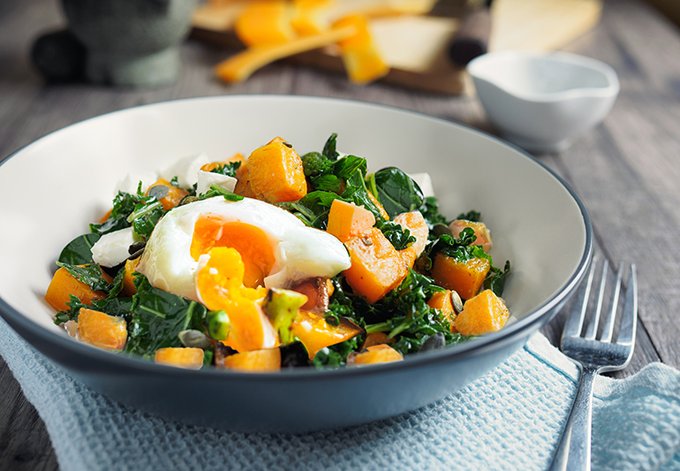
Sauteed Veggies With Avocado & Poached Egg

What’s the easiest way to upgrade a plate of greens? Put an egg on top! This tasty and comforting dish is good for breakfast – or lunch or dinner.

Non-Coffee Vanilla Latte

For those who don’t want coffee, this latte is a great morning drink that provides healthy fat without caffeine.

Broccoli Sausage Frittata

With a few veggies and precooked sausage, you can have this satisfying, savory frittata on the table in under 45 minutes.

https://health.clevelandclinic.org/keto-breakfast-ideas-6-ways-to-start-the-day-without-a-lot-of-carbs/?utm_campaign=cc+tweets&utm_medium=social&utm_source=twitter&utm_content=191209&cvosrc=social%20network.twitter.cc+tweets&cvo_creative=191209

Recipe Adventure: 10 Ways To Cook and Bake With Cinnamon @ClevelandClinic

Cleveland Clinic

@ClevelandClinic

·

There’s no spice quite as cozy as cinnamon. Turns out, this kitchen staple can provide a boost not only to your meals, but also to your body.

There’s no spice quite as cozy as cinnamon. As the weather gets colder, it becomes an ever more appealing addition to baked goods and savory dishes alike — and it turns out that this kitchen staple can provide a boost not only to your meals, but also to your body.

The health benefits of cinnamon may surprise you. Studies show that it has anti-inflammatory properties and may help reduce blood sugar and cholesterol. So, why not work this versatile spice into your meal rotation? Here are a few tasty ways to do so.

Dinner thyme

Spices and herbs are the stars of this Baked Cinnamon-Thyme Chicken, with cinnamon providing a sweet nuttiness and thyme bringing an added earthiness. The end result is a healthy, flavorful dish that packs plenty of flavor and health benefits.

Feeling saucy

Looking for an alternative to applesauce? Kiddos and adults alike will gobble up Cinnamon Cranberry Sauce, with its similar texture and bold, red berries. Loaded with vitamins C and E, it’s delightful as a standalone side or atop your turkey.

Autumn-nom-nom

Subtly sweet and buttery, Baked Cinnamon Acorn Squash is a fall treat packed with beta carotene. Eat it as a side dish or snack — either way, it melts in your mouth. It’s also got powerful antioxidants that help your body kick free radicals to the curb.

Loaf around

Gluten-free and surprisingly simple to make, Spiced Sweet Potato Quick Bread combines the cozy flavors of cinnamon, nutmeg and mace. But there’s one ingredient you won’t find in this recipe — sugar.

Soothing sipper

On cold nights, there’s nothing like a hot beverage. Green Tea Infused With Apples & Cinnamon is a brain-healthy choice that’s steeped in flavor. Tea is a great source of potent antioxidants, and cinnamon adds both flavor and antioxidants.

An apple a day

Cinnamon pairs perfectly with all varieties of apples for an autumnal combo that can’t be beaten. Whether you’re seeking a healthy dessert (or breakfast) like Warm Apple Cinnamon Cranberry Crisp, whipping up a quick batch of No-Bake Apple Cinnamon Bites to munch on or looking for a guilt-free snack like Chewy Cinnamon Apple Rings, the opportunities are endlessly delicious.

Go for the gold

Tame inflammation and ease your soul by sipping on Almond Gold Milk with Apricots and Cinnamon, a unique blend of flavors made for soothing inflammation. Try this creamy concoction once, and you’ll want to enjoy it again and again.

Just peachy

Cinnamon for dessert! Get kids involved in making Grilled Peaches with Cinnamon Honey Yogurt Dip, a simple dish made with fresh fruit and a cool dipping sauce. It’s a refreshing, healthy and delicious way to end any meal.

Brownie points

OK, OK, cinnamon isn’t necessarily the standout star of these Fudgy Black Bean Brownies, but the spice is a key component that gives a subtle kick of taste and sweetness to these flourless treats. The black beans add texture but don’t interfere with the chocolate, we promise!

Popper topper

Loaded with fiber and heart-healthy polyphenols, Savory Seasoned Popcorn is one of the healthiest snacks around — and it’s not drowned in butter. Cinnamon makes for a tasty topping that brings antioxidant power and adds hardly any calories.

Take a fresh look at oatmeal – it’s not as simple as you think @American_Heart


American Heart Association

@American_Heart
·


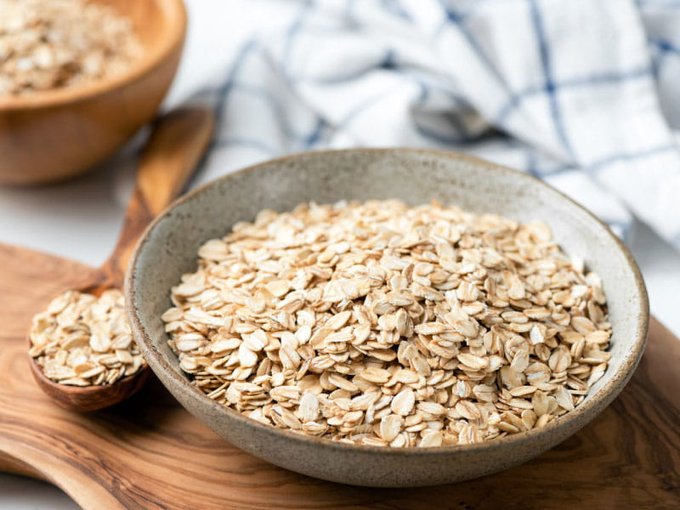
Oats and oatmeal have powers you probably didn’t know about — like nutrients to help lower cholesterol and enough fiber to help you feel fuller longer. They just might be quiet heroes of #BetterBreakfastMonth.

(Arx0nt/Moment via Getty Images)

By Michael Merschel, American Heart Association News

Let’s admit it: Oatmeal is a total nerd. It lacks fashion sense – the color they named after it is somewhere on the drab side of beige. It’s often seen with Sesame Street’s Bert, who also loves bottle caps, paper clips and pigeons.

But when it comes to healthy eating, oatmeal and the oats it comes from can definitely hang with the cool kids at the breakfast table.

“It has many, many good qualities,” said Candida Rebello, director of the nutrition and chronic disease research program at Louisiana State University’s Pennington Biomedical Research Center in Baton Rouge.

Extensive studies have associated oats and oatmeal with plenty of heart-healthy benefits, such as lowering cholesterol (both total and “bad” LDL cholesterol) and helping with weight control.

Oatmeal has a host of vitamins and minerals. Two examples: According to the U.S. Department of Agriculture, a one-cup serving of cooked oatmeal has about 1.8 milligrams of vitamin B1, or thiamin. That’s close to 15% of what an adult needs each day. It also has 1.36 mg of manganese, which is 59% of the daily recommendation for men and 76% for women. Manganese has roles in immunity, blood clotting and the way cholesterol and blood sugar are metabolized.

But that’s not what makes oats stand out, Rebello said. That same cup of cooked oatmeal has just 166 calories and nearly 4 grams of dietary fiber.

And the type of fiber is where oats start to distinguish themselves. It’s called beta-glucan. Put that in the conversation, and it’s like the scene in a movie where oatmeal takes off its glasses and everyone realizes just how beautiful it is.

Not literally. It’s a soluble fiber, which means it dissolves in hot water, where it thickens. “When you eat oatmeal, the kind of sliminess that you see – that comes from this viscosity that beta-glucan generates,” Rebello said.

That helps you feel full longer, she said. And it helps undigested food travel farther down your digestive tract, where it feeds the friendly bacteria living there.

Beta-glucan is abundant in oats and barley and has been shown “quite unequivocally” to help maintain healthy cholesterol levels, Rebello said.

Oats also are rich phytonutrients – plant-derived substances that may boost health. One class of such phytonutrients is avenanthramides, which are found only in oats. Avenanthramides may have antioxidant and anti-inflammatory effects, although Rebello said their possible benefits are not as well-researched as those for beta-glucans.

Oats have been linked to heart-health benefits since the 1960s and come in many forms. The differences involve levels of processing.

Oats grow in an inedible casing called a hull. Inside the hull is a seedlike groat. That groat is encased in bran. “In other whole grains, like in wheat, you can remove that bran layer,” Rebello said. “But in oats, this groat is very soft, so that bran layer cannot really be removed.”

That means oats are almost always a whole-grain food, and those are a key part of a healthy eating pattern.

If oats are labeled “steel cut,” it simply means they were processed with a steel cutter, Rebello said. Rolled oats are steamed first, then pressed with a roller. “If the roller crushes it into thinner flake, then you get quick-cooking oats,” she said. “If it is then rolled into an even thinner flake, you get your instant oats.”

Rebello said that nutritionally, there is little difference between steel cut and rolled oats. Instant oats, however, have a higher glycemic index, meaning they raise your blood sugar faster.

When oats are ground to flour, the coarser portion is extracted and called oat bran. The beta-glucans will be concentrated in the flour rather than the bran, she said.

Oat milk is derived from oats and water, but processing may add ingredients such as sugar, salt, oil and more. Oat milk has some dietary fiber, Rebello said – commonly 2 grams per cup – but the amount of beta-glucan is rather small.

Unfortunately, Rebello ruled out sugar-filled oatmeal cookies as a healthy food (although she’s not averse to having one as a treat now and then).

How, then, to embrace oats? “Just eat regular oatmeal,” she said. Half a cup of rolled oats cooks up quickly and will keep you full a long time.

Oatmeal with your favorite fruit can be a sweet way to start the day. Cook it in low-fat milk for creaminess and add unsalted nuts to bolster its heart-health value. If you’re time-pressed in the morning, try a healthy version of overnight oats, which can be prepared the night before.

It’s important to remember that no single food, even oats, can do it all, Rebello said, noting that if you eat a nutritious breakfast but then load up on sugar and fat the rest of the day, “that’s really not going to help you much.”

But you should go ahead and invite oatmeal into your breakfast club, Rebello said. “I definitely recommend eating oats.”

If you have questions or comments about this American Heart Association News story, please email editor@heart.org.

“We can reduce our risk of cardiovascular disease by 80%” Dr.Tamanna Singh @ClevelandClinic


Cleveland Clinic


@ClevelandClinic
·


Can you prevent heart disease if it runs in your family? A sports cardiologist goes over how people with a family history of heart disease may be able to reduce their risk.

“We can reduce our risk of cardiovascular disease by 80%” Dr.Tamanna Singh @ClevelandClinic


Cleveland Clinic


@ClevelandClinic
·


Can you prevent heart disease if it runs in your family? A sports cardiologist goes over how people with a family history of heart disease may be able to reduce their risk.