
Do these 9 things.
1. Keep Blood Pressure Normal
2. Maintain Normal weight
3. Normal Cholesterol
4. Minimal Alcohol
5. Avoid Diabetes
6. Good nutrition
7. Reduce stress
8. Don’t smoke
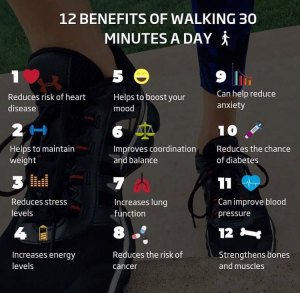
9. Exercise
It’s about stacking odds

Do these 9 things.
1. Keep Blood Pressure Normal
2. Maintain Normal weight
3. Normal Cholesterol
4. Minimal Alcohol
5. Avoid Diabetes
6. Good nutrition
7. Reduce stress
8. Don’t smoke
9. Exercise
It’s about stacking odds


Blackrock Health Blackrock Clinic
·
Almost 43,500 people in Ireland get cancer each year. That’s a hard fact. It’s helpful to know that 4 out of 10 cancers could be prevented and that more people survive cancer than ever before. Let’s spread the word on #WorldCancerDay with

Do these 9 things.
1. Keep Blood Pressure Normal
2. Maintain Normal weight
3. Normal Cholesterol
4. Minimal Alcohol
5. Avoid Diabetes
6. Good nutrition
7. Reduce stress
8. Don’t smoke
9. Exercise
It’s about stacking odds

Do these 9 things. 1. Keep Blood Pressure Normal 2. Maintain Normal weight 3. Normal Cholesterol 4. Minimal Alcohol 5. Avoid Diabetes 6. Good nutrition 7. Reduce stress 8. Don’t smoke 9. Exercise
It’s about stacking odds

Do these 9 things. 1. Keep Blood Pressure Normal 2. Maintain Normal weight 3. Normal Cholesterol 4. Minimal Alcohol 5. Avoid Diabetes 6. Good nutrition 7. Reduce stress 8. Don’t smoke 9. Exercise
It’s about stacking odds

You likely know that drinking alcohol too often or to excess isn’t a good idea, health-wise. But when it comes to alcohol and heart health, you may have heard different sides. Is drinking all that bad for your heart? Can a glass of wine help reduce your risk of heart disease — or make it worse?
First things first: If you drink alcohol, you should do so in moderation to avoid alcohol-related heart issues. And you should never intentionally use alcohol to try to reduce your risk of heart disease.
To further explore the relationship between your ticker and your favorite glass of merlot or IPA, we chatted with cardiologist Leslie Cho, MD.
Here are some of the effects of alcohol on your heart:
One of the most important things your heart does is keep a rhythm. On average, a regular heart rate is about 60 to 100 beats per minute when your body is at rest. But alcohol can lead to your heart rate temporarily jumping up in speed, and if it goes over 100 beats per minute, it can cause a condition called tachycardia. Too many episodes of tachycardia could lead to more serious issues like heart failure or going into irregular rhythms, which can cause heart attack and stroke.
That fourth drink at the bar may feel like it’s relaxing you, but it’s actually affecting your body differently than you might think. Alcohol can affect your blood pressure, causing it to go up temporarily. This is especially true when you engage in binge drinking (that’s defined as four or more drinks within two hours for women and people assigned female at birth, and five or more drinks within two hours for men and people assigned male at birth).
And sure, we’ve all had a night here or there where we’ve had one too many and we know it. But it’s important to make sure those nights of overindulgence are the exception and not the rule. If you’re not sure, make a note to tune into how much you’re having over the course of the next month or so. If it’s more than recommended, try to consciously pace your drinking to help reduce the spike in your blood pressure that excessive alcohol causes.
And if you have a history of high blood pressure, it’s best to avoid alcohol completely or drink only occasionally, and in moderation.
Whether it’s a glass of red wine with your turkey or toasting champagne for the new year, alcohol definitely becomes more present during the holiday season. And while enjoying celebratory spirits in moderation is alright for most people, it’s important to be aware you can fall victim to holiday heart syndrome if you overdo it. This is when overeating and overindulging in alcohol lead to an irregular heartbeat.
Holiday heart syndrome can happen if you don’t typically drink alcohol, but then have a few at a holiday party or if you binge drink. This can cause you to develop an irregular heartbeat, called atrial fibrillation, which can increase your risk of stroke, heart attack and heart failure.
The short-term effects of alcohol (headache, nausea, you know the rest) are easy to pinpoint. But there are ways that alcohol affects your body over time that are important to understand. One of the long-term effects of alcohol on your heart is alcoholic cardiomyopathy. This is when your heart-pumping function gets weaker and your heart gets larger due to changes from heavy alcohol use over a long period of time.
OK, don’t panic. If you’re an occasional drinker, there’s no cause for worry. But it may be worthwhile learning about what counts as binge drinking and whether or not you may be drinking too much and don’t even know it.
It’s true, red wine is a better choice than hard liquor. But can a trip to the wine bar boost your heart health?
You should never consider wine or any other alcohol as a way to lower your heart disease risk. And, in fact, the study also showed that drinking one or fewer drinks per day was related to the lowest likelihood of dying from a stroke. However, Dr. Cho points out that more recent data shows that there may be no amount of alcohol that is truly safe. “The myth that wine is beneficial for heart health is no longer true,” she states.
“It’s not a good idea to start drinking alcohol in an effort to lower your risk of heart disease,” Dr. Cho continues. “It’s better not to drink any alcohol at all.”
The American Heart Association recommends the same.
It’s also important to know that the ways in which alcohol affects your heart will vary from person to person, depending on your age and other conditions you may have.
Let’s face it, a hangover in your mid-40s doesn’t feel the same as one in your early 20s. This is because your age plays a factor in how well you tolerate alcohol. While some people develop a tolerance to alcohol over time, this isn’t true for everyone — and this ability doesn’t last forever, Dr. Cho notes.
“As we get older, our ability to clear alcohol definitely decreases and our sensitivity to alcohol probably increases,” she explains. “Also as we get older, we end up having more diseases, so we could be on medicines that can interfere with the way our bodies metabolize alcohol.”
In many ways, your medical history (and present) can tell you a lot about your future with alcohol. That means, if you’re living with other medical conditions and/or taking certain medications, this will all have an impact on how alcohol affects you.
“Certain health conditions can make drinking alcohol more dangerous,” Dr. Cho says.
For example, some people who are on cholesterol-lowering medicines may experience muscle aches when they drink alcohol. Because alcohol and cholesterol medicine both are processed through your liver, they are, in a sense, competing for clearance. So, it’s important to think about your overall health and talk to a healthcare provider about your personal risk factors.
“Alcohol is made out of sugar,” Dr. Cho points out. “So, if you’re predisposed to diabetes or if high triglycerides are one of your issues, it’s not a good idea to drink alcohol.”
Dr. Cho also warns that if you have liver dysfunction or take other medicines that are processed through the liver, your risks might be different. Talk to your healthcare provider about how alcohol might interact with your prescription medicines.
The last thing you want is for that casual drink after work or glass of wine at dinner to negatively impact your heart health. There’s a way to have a healthy, balanced relationship with alcohol that lets you enjoy a drink occasionally and celebrate with friends and family. But your heart is an important organ that should also be cared for, so be sure to drink in moderation, learn about binge drinking and know what your body can (and can’t) tolerate before opening that tab.FACEBOOKTWITTERLINKEDINPINTERESTEmailalcoholalcohol and healthalcoholic beveragesbinge drinkingheart health

August 1, 2022 / Mental Health
Be honest, be safe and don’t blame yourself
It starts with a beer, a glass of wine or a cocktail. Then there’s another … and another … and another. You watch as your family member or friend slowly changes with each tip of the bottle.
It’s a routine you’ve witnessed repeatedly — and it never gets less painful to watch. So, what can you do? Addiction psychiatrist Akhil Anand, MD, offers these tips to help you persevere.
Caring about someone with an alcohol addiction can lead to worry and sleepless nights. You might spend a lot of time thinking about your actions as it relates to their addiction, says Dr. Anand.
If that describes you, take a step back. “You are not responsible for what someone else does,” reassures Dr. Anand. “It’s their decision to use alcohol. Don’t carry that weight.”
“Angry drunk” isn’t just a phrase. It’s often a reality that grows more concerning with every downed glass. Studies show that the risk of a situation turning violent is five times higher when alcohol enters the mix.
If you’re going to engage someone who’s been drinking and shown flashes of violence, don’t do it alone. Bring someone you can trust with you, advises Dr. Anand.
And if you feel threatened, call the police. “Don’t put yourself in danger,” stresses Dr. Anand.
Being close to someone addicted to alcohol can bring an immense amount of stress into your life. A lot of emotions — frustration, sadness, bitterness and more — may whirl through your mind.
Talking to an addiction counselor can help you better understand the situation and work through your feelings. Programs like Al-anon, Alateen and Families Anonymous offer opportunities for emotional support.
“Don’t forget to take care of yourself,” says Dr. Anand. “It’s not easy when your life intersects with someone dealing with an addiction. It’s important to find an outlet where you can talk about it.”
When someone gets too drunk or hungover to fulfill their basic responsibilities in life, they often rely on those around them to get the job done. And all too often, their friends and family pick up the slack.
But that attempt to be helpful can send the wrong message: “If you take care of problems for them over and over again, they never see or feel the consequences of their drinking,” explains Dr. Anand.
So, take a step back and let them deal with the after-effects of their addictive behavior.
Did a night of excessive drinking leave cans or bottles littering your living room floor? Or splatters of vomit in the bathroom? Don’t rush to clean it up. Let the person who made that mess see it.
“It’s not your duty to hide the results of their drinking so they avoid feeling any sort of embarrassment,” says Dr. Anand.
It’s natural to want someone you care about to stop drinking so heavily. Odds are, your desire is no secret, either — which is why you should be wary if that person tries to “trade” a change in addictive behavior for something.
“You cannot negotiate someone into sobriety,” says Dr. Anand. “They need to take the action — and it should not be dependent on you somehow making it worthwhile for them.”
Don’t make excuses for someone’s addiction or downplay it. “Be open and honest,” encourages Dr. Anand. “Communicate in a way that is calm and constructive but not emotional.”
Celebrate if a friend or loved one with an addiction takes a step toward rehabilitation … but don’t be surprised by a stumble. Relapse rates are common among those who seek treatment for an addiction.
An addiction is a brain disorder, after all, and not something that’s easily resolved. It can take 10 or more attempts at treatment before someone makes progress on overcoming an addiction.
“It’s best to know that going in,” says Dr. Anand, “because it’s very hard to watch it happen.”
Coping with someone addicted to alcohol isn’t easy. It can test your patience and shatter your feelings. But try to separate the person from the addiction. Do your best to understand that they’re dealing with an illness.
“Let them know that you care,” says Dr. Anand. “Offer unconditional love and give them positive affirmations. Be there for them as much as you can — but make sure you take care of yourself, too.”
To hear more from Dr. Anand on this topic, listen to the Health Essentials Podcast episode “How To Help Someone With an Alcohol Addiction.” New episodes of the Health Essentials Podcast are available every Wednesday.


In the study shown above, females start to accrue an increased risk at greater than two drinks per day on average and males at greater than four drinks per day.
These findings shouldn’t come as a surprise to anyone.
Surprisingly, on average, individuals who consume less than two drinks per day appear to have better outcomes than those who do not drink at all. This is where things start to get a little counterintuitive, and the story of alcohol being beneficial for you starts to appear.
This relationship is known as a ‘U’ shaped curve where those in the middle have the best outcomes, and those on the edges have worse outcomes. A kind of ‘Goldilocks’ relationship; “Not too hot. Not too cold. Just right.”
How might we explain this?
Enter the darling of the 1990s, Resveratrol. This compound in red wine spawned the mantra that red wine was ‘good for your heart’. This was based on research that suggested that it might reduce cholesterol levels, among other things.
But to consume the levels of Resveratrol tested in some of the animal studies that demonstrated benefit, you would have to drink 40 litres of wine…… Per day.
Not exactly a feasible strategy. Even with the best will in the world.
Let’s look at a more plausible explanation.
Data on alcohol consumption and outcomes are almost always based on observational data, not randomised controlled trials. This means that other factors or ‘confounders’ may explain the difference between the groups, not the alcohol consumption alone.
When you look at the trials that suggest a benefit of modest alcohol consumption, you will often find that this group tend to exercise more, smoke less, be in a higher socioeconomic bracket etc. This is referred to as a ‘healthy user bias’ and is likely to explain the difference between the groups.
Most trials try to correct or adjust for these confounders, but in truth, it is very hard to do. A recent publication looked at this problem and attempted to (as much as possible) correct for these ‘healthy user’ bias factors and then compare outcomes between alcohol consumption groups. The results were a little more in line with what we might expect.
Those in the lowest alcohol consumption category had the best lifestyle factors overall. When these healthy factors were corrected for, any benefit seen with modest alcohol consumption disappeared. What remained was a linear relationship between alcohol consumption and coronary artery disease5. Much more what you might expect.

Research like this and other studies is where the more recent media reports of ‘any’ alcohol being bad for you have come.
So, alcohol is a toxin. But, as Paracelsus notes:
“The dose makes the poison.”
Even water consumed to excess can be lethal.
We know that excess alcohol consumption is harmful. But I don’t think there was any great uncertainty around that point.
The key takeaway is that modest alcohol consumption is unlikely to be ‘beneficial’ to you. As much as you loved the idea that red wine was good for your heart, we can say with reasonable confidence that this is not the case.
The real question we need to answer is whether consuming modest amounts of alcohol is considerably worse for you when it comes to heart disease and death from any cause.
Based on the literature to date, it seems that the incremental risk for modest amounts of weekly alcohol consumption is likely to be small. But that doesn’t mean there are no downsides.
Sleep
One of the main reasons I significantly reduced my alcohol consumption was its effect on my sleep. If I drink more than one drink, I find that the quality of my sleep gets worse. I am much more likely to wake in the middle of the night and feel the effects the following day. But that’s just my personal experience.
Although alcohol is likely to make you fall asleep faster, it impacts your sleep quality6. Additionally, alcohol also reduces the percentage of REM sleep a person gets overnight7.
A workaround for me is to consume any alcohol during the daytime, so my sleep is unlikely to be affected, and if I am going to have a drink, I make sure it is worthwhile. I.e. I am with friends, or it is a high-quality drink. No more drinks on airplanes for me. Mainly because you lose about 30% of your sense of smell and taste in a pressurised cabin and therefore you are less likely to enjoy your drink8. Why do you think they serve you tomato juice and the fact that you think it’s tolerable?!
Humans have been consuming alcohol as far back as the ancient Egyptians, and some evidence suggests the Chinese were consuming alcohol as far back as 7000 B.C. So I don’t see alcohol disappearing any time soon.
The question we all need to ask is:
How much are we realistically drinking on a daily or weekly basis &
Is it likely to be doing us harm?
Only you can answer that question.
The only way to be certain you are doing no harm is to eliminate alcohol entirely. But life is full of risks, some of which we can control, some we cannot.
And some risks are worth taking.
Want to eliminate all road traffic accidents worldwide?
Simple.
Ban cars.
But at what cost?
The risks of driving are a risk most of us are willing to take.
Alcohol has risks.
We must all aim to minimise those risks.
Whatever that means for you, only you can decide.
Mokdad, A.H.; Marks, J.S.; Stroup, D.F.; and Gerberding, J.L. Actual causes of death in the United States, 2000. JAMA 291(10):1238–1245, 2004. Erratum in JAMA 293(3):298, 2005.
Centers for Disease Control and Prevention (CDC). Alcohol and Public Health: Alcohol-Related Disease Impact (ARDI). Annual Average for United States 2011–2015 Alcohol-Attributable Deaths Due to Excessive Alcohol Use, All Ages.
Alcohol Dosing and Total Mortality in Men and Women: An Updated Meta-analysis of 34 Prospective Studies. Arch Intern Med.2006;166(22):2437–2445. doi:10.1001/archinte.166.22.2437
Biddinger KJ, Emdin CA, Haas ME, et al. Association of Habitual Alcohol Intake With Risk of Cardiovascular Disease. JAMA Netw Open. 2022;5(3):e223849. doi:10.1001/jamanetworkopen.2022.3849
Britton, A., Fat, L.N. & Neligan, A. The association between alcohol consumption and sleep disorders among older people in the general population. Sci Rep 10, 5275 (2020). https://doi.org/10.1038/s41598-020-62227-0
Ebrahim IO, Shapiro CM, Williams AJ, Fenwick PB. Alcohol and sleep I: effects on normal sleep. Alcohol Clin Exp Res. 2013 Apr;37(4):539-49. doi: 10.1111/acer.12006.
Burdack-Freitag, Andrea & Bullinger, Dino & Mayer, Florian & Breuer, Klaus. (2010). Odor and taste perception at normal and low atmospheric pressure in a simulated aircraft cabin. Journal für Verbraucherschutz und Lebensmittelsicherheit. 6. 95-109. 10.1007/s00003-010-0630-y.
