Recipe: Pumpkin Spice Cookies @ClevelandClinic

Recipe: Pumpkin Spice Cookies

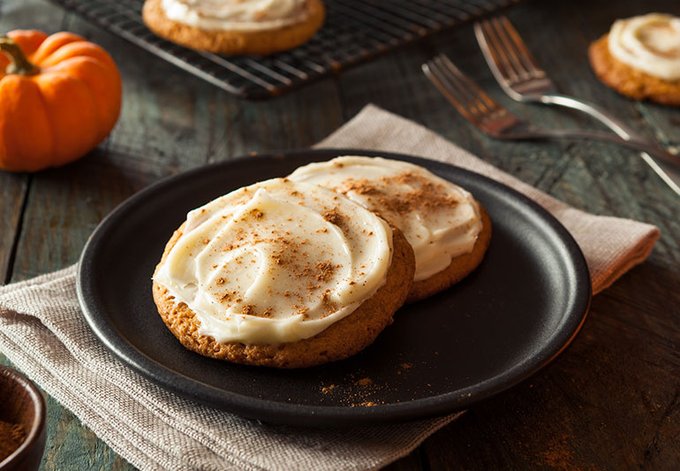
Who says pumpkin spice is only exciting in latte form?

Don’t just reserve pumpkin for pumpkin spice lattes and pie! These easy spice cookies are a great way to spread the pumpkin love throughout the entire season.

If you don’t have any aluminum-free baking powder in your cupboard, pick some up the next time you go shopping. Aluminum may pose potential risks to your health as a neurotoxin. While the dose of aluminum is what makes the poison, some studies show a relationship between aluminum that is stored in your body and neuro-disorders (such as Alzheimer’s disease.) Limiting exposure to all metals is a protective measure we can take to optimize our health.

Ingredients

1 cup pumpkin puree, fresh or canned
1 tablespoon pure maple syrup
1/3 cup unsweetened applesauce
1 teaspoon pure vanilla extract
1/4 cup vegan palm shortening or melted coconut oil
1 cup oat flour
1/2 cup almond flour
1/2 teaspoon baking soda
1/2 teaspoon aluminum-free baking powder
1 teaspoon ground cinnamon
1/2 teaspoon pumpkin pie spice
Pinch sea salt
1/2 cup chopped pecans
1/4 cup mini chocolate chips

Directions

  1. Preheat oven to 350°F.
  2. Mix the pumpkin, syrup, applesauce, vanilla and shortening (or oil if using) in a large bowl. Alternatively, place in a blender and blend until combined.
  3. In a separate medium bowl sift the oat flour, almond flour, baking soda, baking powder and spices together.
  4. Add the dry ingredients to the pumpkin mixture and mix to combine. Then fold in the pecans and chocolate chips.
  5. Scoop 1 tablespoon of batter onto a large baking pan lined with parchment paper. Repeat until all batter is used. Place baking pan into the oven and bake for 20 to 25 minutes, or until just slightly firm. Remove the cookies from the oven and serve warm or room temperature.
  6. Store uneaten cookies in a sealed glass container at room temperature for two days or in the refrigerator for up to five days.

Nutrition information (per serving)

Makes 3 dozen cookies

Calories: 43
Total fat: 2 g
Saturated fat: 2 g
Cholesterol: 0 mg
Fiber: 1 g
Protein: 1 g
Carbohydrate: 5 g
Sodium: 25 mg

— Recipe courtesy of Mark Hyman, MD.

Recipe: Sesame Cucumber Salad @Cleveland Clinic. Cucumbers are more than 90% water making them an ultimate superfood for beauty


Cleveland Clinic

@ClevelandClinic
·


Stir up a simple salad for a light summer side dish! Cucumbers are more than 90% water, making them an ultimate superfood for beauty.

Cucumbers are abundant in silica, too, a trace mineral that may actually increase skin elasticity and help keep you looking young.

Ingredients

1 tablespoon rice wine vinegar
1 teaspoon olive oil
1/2 teaspoon toasted sesame oil
1/2 teaspoon soy sauce
Dash cayenne pepper
2 cucumbers, cut into 1/4-inch-thick slices
1/2 bunch chives, minced
1 teaspoon sesame seeds

Directions

  1. Combine vinegar, olive oil, sesame oil, soy sauce and cayenne pepper in a medium bowl. Mix well.
  2. Add cucumbers, chives and sesame seeds.
  3. Mix well and serve.

Nutrition information (per serving)

Makes 2 servings

Calories: 100
Total fat: 4.5 g
Saturated fat: .5 g
Cholesterol: 0 mg
Sodium: 105 mg
Fiber: 3 g
Carbohydrate: 12 g
Sugar: 8 g
Protein: 4 g

Alcohol use affects men and women differently, with women being more affected by the health effects of alcohol use (NIAAA, 2011). Yet, a dearth of information investigating the alcohol use in women exists: Source:National Library of Medicine (USgov)

The relationship between alcohol consumption and menstrual cycle: a review of the literature:

Abstract

Alcohol use affects men and women differently, with women being more affected by the health effects of alcohol use (NIAAA, 2011). Yet, a dearth of information investigating the alcohol use in women exists (SAMSHA, 2011). In particular, one dispositional factor hypothesized to contribute to alcohol consumption in women is the menstrual cycle. However, only 13 empirical papers have considered the menstrual cycle as related to alcohol consumption in women. These studies fall out with somewhat mixed findings suggesting that the premenstrual week is associated with increased, decreased, or no change in alcohol consumption, likely due to methodological differences in menstrual cycle determination and measures of alcohol consumption. These methodological differences and possible other contributing factors are discussed here with recommendations for future research in this area. Understanding the contribution of the menstrual cycle to alcohol consumption is one step in addressing an important women’s health concern.

Keywords: Alcohol consumption, Menstrual cycle, Women, Women’s health