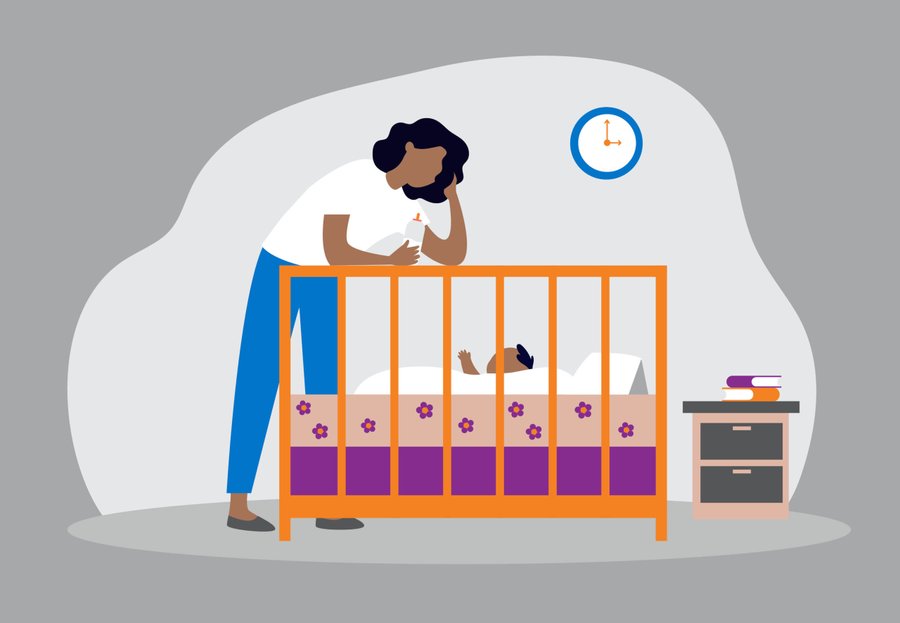
How to get back to sleep and why it’s so important: @ClevelandClinic

cleveland back to sleep

Your bed should be a place of relaxation and rejuvenation. But if you’re having trouble sleeping, that’s likely not the case.

Not only can not sleeping be frustrating, but getting a good night’s sleep is vital to maintaining your overall health and mental well-being. Seven or more hours of quality sleep each night recharges your body physically, but can also help flush toxins from your brain and allow your mind to fully rest — which assist in your mental alertness, decision-making, and overall clarity the next day.  And if you’re sick, your brain needs to be in tip-top shape to help you recover.

That’s why sleep expert Nancy Foldvary-Schaefer, DO, says you should do everything you can to address any sleep issues you’re experiencing.

Different ways your sleep can be interrupted

Besides external influences like recurring noises (from a crying infant to a snoring partner) or travel-related time changes that keep you up at night, sleep deprivation may come in many other forms.

“For example, some people experience chronic insomnia — a sleep disorder in which you have trouble falling and/or staying asleep,” Dr. Foldvary-Schaefer says. “Others may experience cycles of waking up but not being able to get back to sleep.“

And sometimes, even if you’re able to fall asleep but were focused on unresolved issues or worries right before you closed your eyes — this may affect the quality of sleep you actually achieve. “You may find yourself groggy in the morning or feeling tired, cranky or unproductive,” Dr. Foldvary-Schaefer says. “Also, a lack of sleep can affect your judgement and emotional response to otherwise normal daily activities.”

How stress can affect your sleep

Many of us tend to bring our daily stress to bed with us — which is exactly the place it doesn’t belong. It’s not easy to leave stress at the end of your day. But keeping these stressful thoughts in focus right before sleep can definitely prevent you from getting some good shuteye.

“This is something you should try to avoid whenever possible, as it can cause a variety of sleep problems,” Dr. Foldvary-Schaefer notes. “It may take practice, but committing to stress-reduction behaviors at the end of your day is very important. The more active you are in kicking stress out of bed each night, the more likely your overall sleep quality will improve.”

How to de-stress before bed

You may not be aware that bringing stress to bed could be causing a negative cycle to form. If you have trouble falling asleep, the longer you lie awake, the more aggravated you may become. Soon you may unknowingly associate your bed as a place of discomfort, rather than one of comfort. The key is to remove any negative association with your sleep space by forming healthy pre-sleep habits. Dr. Foldvary-Schaefer offers these tips for developing better pre-sleep practices:

  • Plan for tomorrow earlier in the evening — Carve out time each night before or after dinner to “wrap up” your thoughts about the last 24 hours. Plotting out your next day well before bedtime can help you check that “planning box” early enough to give yourself time to transition and quiet your mind before bed.
  • Get up if you’re not asleep after 20 minutes — It may be a good idea to take your frustrations to a different room and leave them there — literally. A short walk will get your brain actively focused on motor coordination, rather than worrying. Write down what’s on your mind on a piece of paper and revisit it in the morning. You’ll return to bed anticipating a fresh perspective in the morning (a best practice, anyway) — and leave your bedroom as your special place to rest and relax.
  • Develop your pre-sleep ritual — Take a walk after dinner to catch a sunset, take a long bath or enjoy a nightly cup of caffeine-free herbal tea.
  • Avoid overstimulation — Avoid not eating, working, or browsing a screen of any kind in bed. Reading a book off-screen may help, or enjoying a relaxing playlist to give your mind something to connect with, but not be overstimulated by.
  • Practice yoga or meditation — Closing your eyes, practice simple mindfulness, awareness or concentrated focus on your breathing for five minutes. This can help your body and mind relax — and transition  you to a more restful sleep.

If trying some of the strategies above to reduce or manage your stress aren’t helping your insomnia, cognitive behavioral therapy (or CBT-i) might be a good option.

“CBTi is a structured program that helps you identify and replace thoughts and behaviors that cause (or worsen) sleep problems with new habits and thought patterns that promote healthy sleep,” explains sleep expert Michelle Drerup, PsyD.

“CBTi is offered by trained specialists nationwide, including at many larger hospitals or academic medical centers,” Dr. Drerup adds. “There are also several online programs, such as Cleveland Clinic’s Go! to Sleep program.”

Illness may be the reason you can’t sleep

A lack of sleep may also indicate a variety of sleep disorders or other health concerns that need to be addressed with proper medical diagnosis and treatment. Once your medical conditions are treated, you may eventually see your sleep improve.

Underlying medical conditions that may prevent you from sleeping include:

  •  Chronic pain.
  •  Acid reflux.
  •  Restless legs syndrome (RLS).
  •  Sleep apnea (in both men and women).
  •  Hormonal changes caused by menopause.
  •  Narcolepsy.
  •  Diabetes.
  •  Night terrors.
  •  Sleepwalking.
  •  Depression.
  •  Common issues related to aging.

“If any of these are the case, you likely won’t sleep comfortably through the night until the problem is identified and properly treated by a knowledgeable primary care physician or specialist,” Dr. Foldvary-Schaefer says.

Make sure you keep track of symptoms you are experiencing, and tell your doctor about them as soon as possible. Your primary care physician may explore your sleep history and/or give you a physical examination. This could include examining your upper airway muscles, for example. If sleep apnea is suspected, you may be referred to a sleep disorders center for a comprehensive sleep study. Or you may be suffering from other conditions that could result in treatments like short-term hormone replacement therapy, antidepressants or other kinds of medicines — all which depend upon proper diagnosis.

Be aware and stay proactive 

Overall, the key to getting better sleep comes from first identifying your sleepless activity, reducing your stress before you hit your bed, and talking with your doctor if you notice other symptoms — so you can get back on track to a good night’s sleep.

https://health.clevelandclinic.org/what-to-do-if-you-cant-sleep

Can early bedtime help you catch some ZZZs? @ClevelandClinic

Cleveland Clinic

Is It Healthy To Sleep Naked?

Wearing no clothes could lead to cooler skin temperatures that put ZZZs within reach

Many people believe they were born with the only pajamas needed for a good night’s sleep, but here’s the naked truth: No research directly confirms that sleeping in the buff leads to better slumber.

There is, however, some validity behind the idea of sleeping naked — namely regarding how a cooler skin temperature improves sleep quality.

So, should you consider stripping down at bedtime before sliding under the sheets? Let’s look at the potential benefits (and risks) with behavioral sleep disorders specialist Michelle Drerup, PsyD, DBSM.

Is sleeping naked better?

There are some possible perks to nude sleeping … so, maybe? Here are a few reasons why you might want to slip off your clothes before slipping off to sleep.

Falling asleep faster

Your body naturally works to lower its thermostat to doze off at night through its circadian rhythm, which regulates your sleep/wake cycle. The faster you cool off, the faster you typically catch some ZZZs, says Dr. Drerup.

That’s also one of the reasons why sleep experts recommended that you keep your bedroom temperature between 60 degrees Fahrenheit and 67 degrees Fahrenheit (15.5 degrees Celsius to 19.44 degrees Celsius) for optimal snoozing.

Improved sleep quality

Ever toss and turn in bed because you’re too hot? Sleeping naked certainly removes any possibility of pajama-induced overheating interfering with a good night’s rest. It’s the absolute final move in shedding layers to stay cool.

“There’s no question that cooler is better than warmer for overall sleeping,” says Dr. Drerup.

And getting enough rest is key to … well, just about everything in day-to-day life. Waking up refreshed can help you manage stress more effectively, improve focus, boost performance and make you a more pleasant person.

For women: reduced risk of yeast infections

Tight-fitting underwear can trap heat and moisture between your legs. What makes a yeast infection thrive? Yep — heat and moisture.

Sleeping naked (or even in loose-fitting cotton bottoms) allows for some air circulation around your vagina. Keeping the area cooler and drier may help reduce your chances of getting a yeast infection, too. 

For men: potential fertility boost

Heat isn’t a friend of male fertility. Regular exposure to higher temperatures for your testicles can cause sperm counts to drop. Wearing underwear that keeps things packed tight doesn’t exactly offer a cooling effect.

Studies show that men who wear boxers have a higher sperm count than their buddies in briefs. So if loose-fitting boxes help that much, imagine what 8 hours of no clothing might do.

Reasons to keep your PJs on

Sleepwalkers may want to give the idea some extra thought to going au natural to avoid any potential awkward encounters, notes Dr. Drerup.

And if you’re not a fan of doing laundry, consider this: Your washing schedule for bedding may need to increase with more skin-to-sheet contact. (Gross fact: The skin cells you shed in a day can feed 1 million dust mites. You don’t want to turn your bed into their buffet.)

Can you be cool and clothed?

Going to bed “nearly” naked while wearing lightweight and loose-fitting garments can bring you similar quality sleep results as taking everything off. “Tank tops and boxer-style briefs don’t possess a ton of warming qualities,” says Dr. Drerup.

And while being cool is desirable for sleep, you also don’t want to be cold. There’s even evidence that wearing socks to bed to warm your tootsies can help you drift off to sleep.

So, which is it: off or on?

Ultimately, what you wear to sleep is a personal choice. “There’s no proven benefit or harm to sleeping naked,” says Dr. Drerup. “Just do what feels right and then rest easy with your decision.”

Can Babies Get Strep Throat? @ClevelandClinic #healthaware

It’s uncommon in kids under 3, but providers may test under certain circumstances

We’ve all done it

Stared into the mirror, flashlight trained on our open mouths, searching for the telltale white patches that typically indicate strep throat. If we see them, we’re off to our primary care practitioner or nearest medical express center for a rapid strep test and, if needed, a course of antibiotics. No big deal.

But when it comes to your baby or toddler, any hint of illness does feel like a big deal.

The fact that untreated strep can cause complications makes the guessing game all the more stressful. That’s why we asked pediatrician Wadie Shabab, MD, FAAP, whether it’s possible for children under 3 to contract strep throat and what worried parents should do if they think their wee one has it.

What is strep throat?

Acute streptococcal pharyngitis (strep throat) is a highly contagious bacterial infection. It can spread through respiratory droplets or through direct contact, like sharing a cup or touching an infected surface. Strep has an incubation period — the time when you’re contagious but aren’t yet showing any symptoms — of two to five days, which makes it easy to spread, especially in crowded places like schools and daycare facilities.

Strep throat is most common in kids between the ages of 5 and 15. Certain strains of strep throat can cause a red rash known as scarlet fever or a skin infection called impetigo. Luckily, antibiotics can speed up the recovery process and reduce the amount of time a person’s contagious.

Left untreated, strep throat can cause rheumatic fever or a serious kidney problem called acute glomerulonephritis. But these complications are rare. Where we see do see rheumatic fever and glomerulonephritis, it’s usually in resource-poor countries with limited access to antibiotics.

Can babies get strep?

That’s the cloud. Here’s the silver lining: “In general, it’s uncommon for children younger than 3 to have strep throat,” Dr. Shabab says. It’s much more likely that a virus is causing your kiddo’s discomfort.

And there’s more good news: Strep infections also tend to be milder and cause fewer dangerous complications in infants and toddlers than they do in older kids.

Symptoms of strep in kids

While rare, it is possible for a very young child to contract strep throat. And the infection can cause different symptoms than the ones you see in older children and adults. Here are some things to look out for:

  • Red throat with white patches.
  • Fever.
  • Crankiness or irritability.
  • Loss of appetite or excessive drooling.
  • Difficulty sleeping.
  • Swollen lymph nodes.

Even if your baby ticks most of those boxes, Dr. Shabab says it’s possible a healthcare provider will decide not to test or treat for strep.

Why do doctors avoid strep tests for kids under age 3?

Why would your pediatrician opt out of strep testing your sick child? Dr. Shabab says that in addition to contracting strep being rare, the likelihood of complications is also rare.

“We treat strep to decrease the duration of the symptoms and prevent complications such as sinus infections, ear infections and abscesses in the throat area,” he explains. “But the most important reason we treat strep throat is to prevent acute rheumatic fever and acute glomerulonephritis.”

According to Dr. Shabab, it’s very rare for children under 3 to develop these complications, so providers frequently opt not to test and let whatever is happening resolve on its own.

But as with any rule, there are important exceptions to be aware of.

When DO doctors test children under 3 for strep?

More often than not, a child under 3 isn’t going to have strep throat. But that doesn’t mean there aren’t times when it’s important to be sure.

Your healthcare provider will likely perform a throat swab on your child if they’re ill and:

  • There’s been an outbreak at their daycare or pre-kindergarten class.
  • They’ve been in close contact with a person who’s tested positive.
  • They see something while examining your child that leads them to suspect a strep infection.

If your little one’s test comes back positive, their provider might prescribe antibiotics.

Preventing strep throat

The single best way to reduce your risk of strep throat is by practicing good hygiene. Unfortunately, children under 3 aren’t known for their cleanliness. Still, getting your children in the habit of washing their hands for 20 seconds with soap and warm water throughout the day, before eating and after sneezing or coughing is a great first step. And modeling the behavior will help you avoid getting sick, which improves your kiddo’s chances of staying healthy, too!

Here are a few other things you can do to minimize the chances of strep making its way into your home:

  • Carry hand sanitizerSmall children can make big messes and expose themselves to all sorts of germs in the process. If you aren’t able to get them to a sink to wash their hands, dipping into your hand sanitizer reserves is your next best option.
  • Keep tissues handy. Teaching kids to wipe their noses with tissues — not arms, hands, clothes or friends — is easier said than done. But having tissues available may make it easier.
  • Cough or sneeze into your elbow. If you happen to catch your little one coughing or sneezing into their hands, make sure they wash up (or at least use some hand sanitizer) as soon as possible.
  • Sharing isn’t always caring. If somebody in your house is sick — with strep throat or anything else — avoid sharing things like utensils, food and cups.
  • Stay home if you’re unwell. If you or your child test positive for strep throat, stay home from work or daycare (if possible) until you’ve been on antibiotics for 48 hours.

The bottom line

It’s rare for children under the age of 3 to get strep throat — and still more unusual for them to get seriously ill as a result. Again, healthcare providers rarely test for it as a result, unless your child is ill and:

  • Has been in close contact with a person who has a confirmed case.
  • There’s been a breakout reported in their daycare center, or anywhere they spend a lot of time.
  • They see convincing evidence of strep when examining your child.

Very young children tend not to have the same symptoms as older children with strep throat. If you’re concerned about their symptoms — especially if they have a fever — contact their pediatrician immediately.

Recipe: Spaghetti With Fresh Tomato Sauce and Roasted Vegetables @ClevelandClinic #nutrition

Why not try your hand at making homemade tomato sauce? The freshness of the tomatoes and the smokiness of the roasted vegetables make this a great topping for spaghetti. If you don’t have your own garden, use canned Roma tomatoes for a tasty dish that includes roasted mushrooms, broccoli and peppers.

Ingredients

Tomato sauce

Olive oil cooking spray
2 garlic cloves, minced
1 small carrot, minced
1 shallot, minced
4 cups peeled, seeded, and diced ripe tomatoes or one 28-ounce can no-salt-added diced tomatoes, drained
1/4 cup dry red wine
1 1/2 tablespoons balsamic vinegar
1/4 teaspoon crushed red pepper flakes, optional
1/4 cup chopped fresh basil

Pasta

1/2 pound whole wheat spaghetti
3/4 pound broccoli florets and stalks, peeled and cut into bite-size pieces
2 portobello mushrooms, halved and thinly sliced
1 red, yellow or orange bell pepper, seeded and coarsely chopped
1 1/2 tablespoons extra-virgin olive oil
1 1/2 tablespoons balsamic vinegar
Freshly grated pepper
2 tablespoons freshly grated Parmesan cheese

Directions

  1. Preheat oven to 400° F. Line a rimmed baking sheet with aluminum foil.
  2. To make the sauce, coat a large pot with cooking spray and saute the garlic, carrot and shallot over low heat until they begin to wilt, about 5 minutes. Stir in the tomatoes, wine, vinegar and red pepper flakes (if using). Cover and simmer slowly for 30 minutes.
  3. Stir in the basil and simmer for 10 minutes more. (To make a smoother sauce, cool and process in batches in either a blender or food processor.) Set aside.
  4. Place the broccoli, mushrooms and bell pepper on the prepared pan. Toss with oil and vinegar. Roast about 10 minutes until crisp or done to your taste. Sprinkle with pepper.
  5. Cook the pasta according to package directions. Drain.
  6. In a large serving bowl, toss the pasta with 2 cups tomato sauce. Top with the roasted vegetables and sprinkle with Parmesan cheese.

Nutrition information (per serving)

Makes 4 servings

Calories: 363
Total fat: 4 g
Protein: 15 g
Carbohydrate: 71 g
Dietary fiber: 4 g
Cholesterol: 0 mg
Sodium: 100 mg
Potassium: 93 mg

Cleveland Clinic Healthy Heart Lifestyle Guide and Cookbook (© 2007 Broadway Books).

“We can reduce our risk of cardiovascular disease by 80%” Dr.Tamanna Singh @ClevelandClinic


Cleveland Clinic


@ClevelandClinic
·


Can you prevent heart disease if it runs in your family? A sports cardiologist goes over how people with a family history of heart disease may be able to reduce their risk.