Sitting vs. Standing DYK that more standing and less sitting can help you lose weight, increase productivity, and lower risk of heart disease. Take a stand for health and success today! Learn more https://mayocl.in/2Mbvqnm
As a cardiologist, I am asked almost every day if ‘Alcohol is good or bad for your health?’.
Let’s find out.
Alcohol Is A Toxin.
There is no getting away from the fact that, at its most basic chemical foundation, alcohol is a toxin.
Globally, alcohol is responsible for 3 million deaths per year; in the United States, it is the third leading cause of preventable death¹².
Alcohol is a factor in³:
30% of suicides
40% of fatal burn injuries
50% of fatal drownings
50% of homicides
65% of fatal falls
29% of fatal road traffic accidents
Alcohol is a factor in 1 in 5 emergency department presentations⁴.
No pun intended, but these statistics make for some sober reading.
‘Red Wine Is Good For Your Heart.’
Now come on.
Did you really think that was true?
I have heard this phrase over and over again in my clinical practice.
High levels of exercise are good for your heart, but oddly enough, most people seem to be far less enthusiastic about this approach than regular alcohol consumption.
Let’s see what the data says.
Up until very recently, it was believed that drinking 1-2 drinks per day was actually protective when it came to dying prematurely⁵.
This data was based on observational studies that cannot fully control for all confounders and can therefore not infer causality.
When you examine the people who drink only 1 to 2 drinks per day, you consistently find that they are much less likely to smoke, be overweight or engage in any other risky health behaviours.
So in truth, it probably wasn’t the alcohol that was driving the effect.
More recent studies have attempted to control for this variable more carefully, and the relationship is clear.
The more you drink.
The higher the risk.
Take coronary artery disease. Higher alcohol intake equates to a higher risk.
The same applies to high blood pressure⁶.
The same applies to stroke⁷.
The list goes on⁸:
Atrial fibrillation – Higher risk.
Sudden death – Higher risk.
Heart failure – Higher risk.
Liver, Breast, Colorectal, Oropharyngeal Cancer – Higher Risk⁹.
You get the point.
With all this information to hand, why is it then that I and billions of others continue to drink alcohol?…
Subscribe to Dr Paddy Barrett to unlock the rest.
Become a paying subscriber of Dr Paddy Barrett to get access to this post and other subscriber-only content.
What you see: Cute baby moments and joyful strolls. What you don’t: Sleepless nights and silent struggles. And there’s so much more! Comment below what you want to add to the list!
As a cardiologist, I am asked almost every day if ‘Alcohol is good or bad for your health?’.
Let’s find out.
Alcohol Is A Toxin.
There is no getting away from the fact that, at its most basic chemical foundation, alcohol is a toxin.
Globally, alcohol is responsible for 3 million deaths per year; in the United States, it is the third leading cause of preventable death¹².
Alcohol is a factor in³:
30% of suicides
40% of fatal burn injuries
50% of fatal drownings
50% of homicides
65% of fatal falls
29% of fatal road traffic accidents
Alcohol is a factor in 1 in 5 emergency department presentations⁴.
No pun intended, but these statistics make for some sober reading.
‘Red Wine Is Good For Your Heart.’
Now come on.
Did you really think that was true?
I have heard this phrase over and over again in my clinical practice.
High levels of exercise are good for your heart, but oddly enough, most people seem to be far less enthusiastic about this approach than regular alcohol consumption.
Let’s see what the data says.
Up until very recently, it was believed that drinking 1-2 drinks per day was actually protective when it came to dying prematurely⁵.
This data was based on observational studies that cannot fully control for all confounders and can therefore not infer causality.
When you examine the people who drink only 1 to 2 drinks per day, you consistently find that they are much less likely to smoke, be overweight or engage in any other risky health behaviours.
So in truth, it probably wasn’t the alcohol that was driving the effect.
More recent studies have attempted to control for this variable more carefully, and the relationship is clear.
The more you drink.
The higher the risk.
Take coronary artery disease. Higher alcohol intake equates to a higher risk.
The same applies to high blood pressure⁶.
The same applies to stroke⁷.
The list goes on⁸:
Atrial fibrillation – Higher risk.
Sudden death – Higher risk.
Heart failure – Higher risk.
Liver, Breast, Colorectal, Oropharyngeal Cancer – Higher Risk⁹.
You get the point.
With all this information to hand, why is it then that I and billions of others continue to drink alcohol?…
Subscribe to Dr Paddy Barrett to unlock the rest.
Become a paying subscriber of Dr Paddy Barrett to get access to this post and other subscriber-only content.
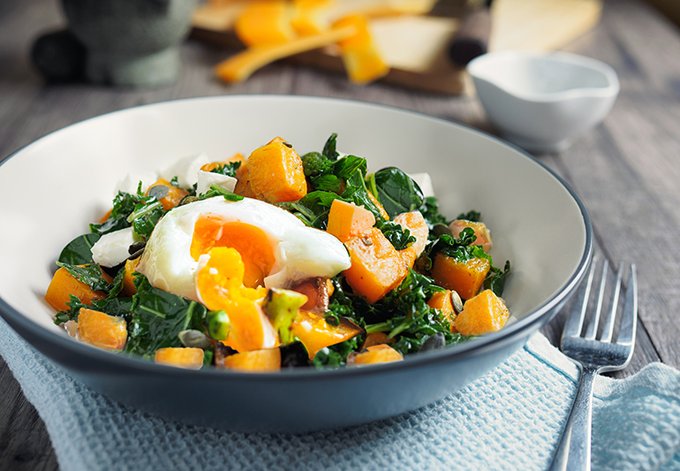
Fuel up with protein and healthy fats for breakfast!
A meal that’s heavy in sugar and starch is no way to start your day – especially if you’re following the ketogenic diet.
These recipes from functional medicine specialist Mark Hyman, MD, are a great way for anyone — keto or not — to bring real, whole, fresh foods (including non-starchy vegetables) to your plate first thing in the morning.
Spending time in nature has always been a source of comfort and strength. Gardens and green spaces provide not only beauty and joy, but also vital support for our mental, physical and spiritual wellbeing.
Today the Royal Horticultural Society are announcing a new Rose, “Catherine’s Rose”, grown by Harkness Roses. The proceeds from this rose will support The Royal Marsden Cancer Charity, helping patients across the country live well with, and beyond, cancer 🌹1w
Up to 85% of people in the U.S. experience back pain in their lifetime. And 28% of people with chronic pain turn to alcohol for relief. So, it can be helpful to understand possible connections between the two. There are many reasons you may experience back pain, and alcohol can… pic.twitter.com/BmRjRJpPgQ
Build a regular running routine. Enjoy the headspace. Help make the most of short and precious lives. Run 50 miles in June and raise funds for Ireland’s only Children’s Hospice. Sign up today for your FREE running top and to join the Strava Club.
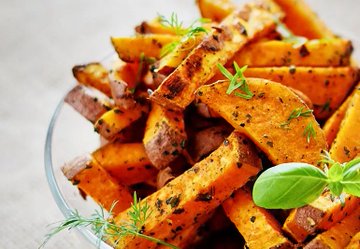
Swap regular fries for these delicious, and nutritious, potato wedges
These crispy sweet potato wedges come out Cajun spicy and sweet. Don’t tell anyone but they’re also really healthy. They’re loaded with antioxidants and phytonutrients and are a great source of beta-carotene. Another plus? As complex carbs, they digest slowly and raise blood sugars gradually — keeping you from a spike and drop-off.
Ingredients
2 sweet potatoes, cut into wedges (about 8 wedges per potato)
1 tablespoon olive oil
2 tablespoons Cajun seasoning
Directions
Preheat oven to 425 F.
In a large mixing bowl, combine the sweet potatoes, oil and Cajun seasoning. Mix well to evenly coat wedges.
Spread the wedges in a single layer on one (or two, if needed) ungreased baking sheets.
Bake for 30 minutes or until crispy and brown on one side.
Flip fries over and bake for another 30 minutes or until the wedges are crispy on the outside and tender inside.
Ingredient health benefits
Sweet potatoes: These root veggies are beloved the world over for their flavor and versatility. But did you know there’s more to sweet potatoes than … well, just being sweet? They’re also packed with essential vitamins and minerals like vitamin B6, vitamin C, vitamin A and potassium. These nutrients help support many aspects of your overall health, including your immune system, metabolism, blood pressure and vision. Sweet potatoes also have carbohydrates and fiber to fuel your cells and promote healthy digestion.
Olive oil: This cooking oil is one of those ingredients that’s actually worth the hype. Olive oil is full of unsaturated fats and polyphenols. These compounds support your heart and fight inflammation that can harm your cells. Vitamin E and vitamin K, also known as fat-soluble vitamins, maintain radiant skin and strong bones. Olive oil also elevates your good “HDL” cholesterol while lowering your “bad” (LDL) cholesterol. And powerful antioxidants suppress free radicals, damaging little particles that harm your cells in ways that can lead to cancer. While all olive oil has these benefits, extra virgin olive oil (EVOO) is the highest quality, so don’t hesitate to pick some up if it fits within your budget!


 https://mayocl.in/2Mbvqnm







 Healthaware