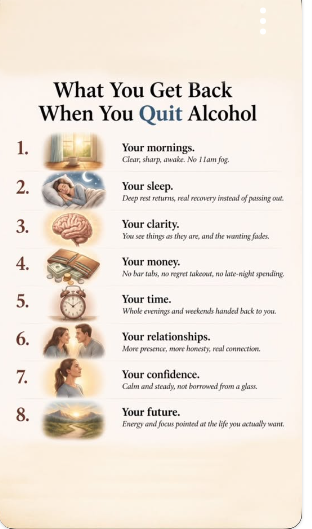
When You Quit Alcohol

Health is Wealth
11/6/2025 by Tamara Soerense
n
Inflammation is a natural process initiated by the immune system in response to illness, trauma, toxins, physical stress and chronic disease. While acute inflammation is protective and allows our bodies to heal, it can become harmful if it persists, leading to chronic inflammation. Chronic inflammation, in turn, can lead to conditions such as arthritis, heart disease, and diabetes.
Several foods can contribute to inflammation. These include highly processed foods, refined carbohydrates, or foods high in added sugars. Conversely, other foods can help calm the immune system, decreasing inflammation.
Let’s explore which foods help lower inflammation and how they can be incorporated into an anti-inflammatory diet.
What change can you make today to shift your body into a less inflamed state?
Consider adding one colorful fruit or vegetable to your diet each day. Suggestions include tomatoes, oranges, yellow bell peppers, arugula, blueberries, pumpkin and broccoli.
Tamara Soerensen completed her bachelor’s degree in biology at the University of California, Santa Barbara and her master’s in nutrition at Bastyr University. She is currently a dietetic intern at Mayo Clinic in Rochester, Minnesota. Special interests include digestive health and the utilization of diet for disease prevention.





Mayo Clinic Sports @mayoclinicsport 18 hours ago
You know exercise is good for you, but do you know how good? From boosting your mood to helping control your weight, find out how exercise can improve your life.  https://mayocl.in/2CXOCRb

It may come on in those first few sips of alcohol. Or maybe you’re hit with a hot flash whenever you’re a few drinks in. But whenever you drink, you seem to experience a sudden sensation of warmth, and your face, neck and upper chest become covered in red patches and blotchy skin.
Is facial flushing a sign that you can’t handle your alcohol? Or is this a symptom of something more severe? Dermatologist Alok Vij, MD, explains just what causes facial flushing, along with some truth behind some common misconceptions.
There are a couple of different root causes for facial flushing. More technically termed the “alcohol flush reaction,” this occurs because your body either can’t fully digest the alcohol you’re consuming or because your body is having an inflammatory response to drinking alcohol.
“Your face may flush from alcohol for two reasons: Because of an enzyme deficiency or because of rosacea,” says Dr. Vij. “Both are tied to your ethnicity.”
Many Asian populations, specifically 35% to 45% of East Asians, have a deficiency in alcohol dehydrogenase, the enzyme that breaks down a specific substance in alcohol called acetaldehyde.
“Alcohol is toxic to cells, and when it gets into the cells of your blood vessels, it makes them dilate,” explains Dr. Vij. “This reddens the skin and can make you feel warm.”
But without enough of this enzyme, you can end up having too much acetaldehyde in your body, and this makes alcohol reach toxic levels much earlier in your cells. This results in your skin becoming flushed.
Fair-skinned people of Northern European backgrounds who flush when they drink may have some degree of rosacea.
“This very common skin condition is marked by vasomotor instability or hyperactivity,” Dr. Vij explains further. “That means lots of things can dilate your blood vessels: alcohol, chocolate, hot beverages and spicy foods — basically, all the good things in life.”
You may be asking yourself this question if you’ve ever experienced facial flushing. On the surface, facial flushing might feel cosmetically embarrassing at most and may not come with any other dangerous symptoms. For those with an enzyme deficiency, facial flushing can occasionally be experienced with increased onset of nausea or vomiting because of your body’s inability to fully digest the alcohol you’re consuming.
For the most part, these factors are mostly harmless. But because alcohol is a cellular toxin, anyone who drinks excessively increases their risk for oral cancer and esophageal cancer.
“Alcohol most frequently passes through these sites,” states Dr. Vij. “Toxicity and DNA damage can build up in cells and, eventually, a cancer can form.”
But recent studies report that those who get an alcohol flush because of an enzyme deficiency are also at heightened risk of digestive, liver and respiratory cancers. These populations are more vulnerable to alcohol’s toxicity, as it’s processed and later eliminated in:
“We don’t think of rosacea as a precancerous disease,” Dr. Vij clarifies. “The biggest problems rosacea causes are a bulbous nose, like W.C. Fields had, and eye inflammation.”
(It was rosacea — not alcoholism — that made the storied comedian’s nose look large, red and bumpy, because of an overgrowth of the sebaceous glands, Dr. Vij adds.)
In addition, rosacea can make your eyes feel itchy, dry and chronically irritated. These eye symptoms can be managed with anti-inflammatory medication.
“We typically prescribe oral antibiotics like doxycycline or minocycline, often at lower doses than are required to kill bacteria,” he continues.
If an alcohol flush makes you feel self-conscious when you drink, certain treatments can help:
But because these medications and laser treatments are considered cosmetic, they aren’t typically covered by insurance.
So, if your face flushes, are specific kinds of alcohol to blame? And can you avoid some but not others as an at-home treatment approach to facial flushing?
“It’s really patient-specific. Some people with rosacea flush more with red wine; others flush more with hard liquor,” says Dr. Vij.
If you have rosacea and keep track of what happens when you drink, you may be able to find your triggers. But if facial flushing is an issue for you at all, avoiding alcohol in all its forms might be the next best and most equitable solution.
“If flushing bothers you, and you know alcohol is a trigger, the easiest and most cost-effective solution is to avoid it,” suggests Dr. Vij.
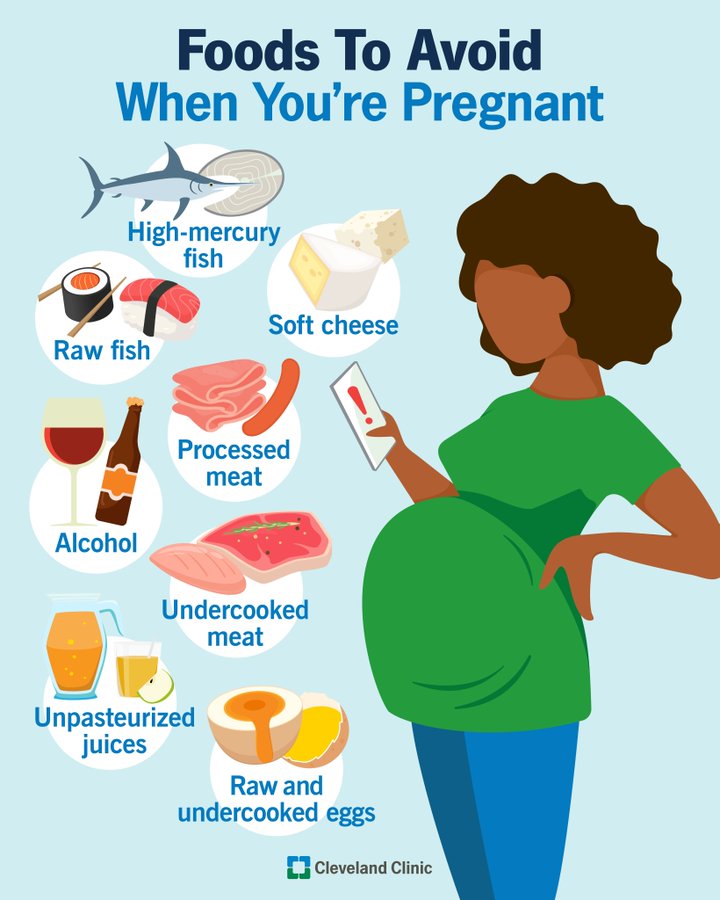

·
When you’re pregnant, it’s important to eat a healthy diet that provides the nutrients you need. That helps keep you feeling your best and promotes healthy fetal development. But pregnancy also puts you at higher risk for foodborne illness. Some foods and drinks can increase your risk for pregnancy complications. Avoid high-mercury fish and processed meat, and go easy on salt and caffeine.

