The relationship between alcohol consumption and menstrual cycle: a review of the literature:
Abstract
Alcohol use affects men and women differently, with women being more affected by the health effects of alcohol use (NIAAA, 2011). Yet, a dearth of information investigating the alcohol use in women exists (SAMSHA, 2011). In particular, one dispositional factor hypothesized to contribute to alcohol consumption in women is the menstrual cycle. However, only 13 empirical papers have considered the menstrual cycle as related to alcohol consumption in women. These studies fall out with somewhat mixed findings suggesting that the premenstrual week is associated with increased, decreased, or no change in alcohol consumption, likely due to methodological differences in menstrual cycle determination and measures of alcohol consumption. These methodological differences and possible other contributing factors are discussed here with recommendations for future research in this area. Understanding the contribution of the menstrual cycle to alcohol consumption is one step in addressing an important women’s health concern.
Keywords: Alcohol consumption, Menstrual cycle, Women, Women’s health
Vitamin C, also known as ascorbic acid, is a powerful micronutrient that plays a key role in keeping your body healthy. Here we’ll explore some myths and truths about this vital micronutrient. #HarvardHealth
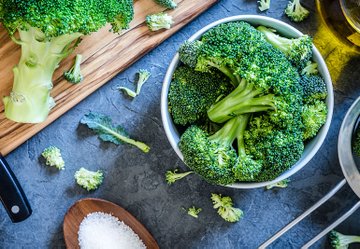
“Eat your broccoli,” may be a familiar refrain from your childhood. Maybe you didn’t love broccoli as a kid, but your parents were onto something. The “little trees” are full of fiber, folate, vitamins and more.
Broccoli is a member of the Brassica genus of plants, also known as the cabbage family. Broccoli’s relatives include Brussels sprouts, cabbage, cauliflower, chard and watercress. Many Brassicas have strong flavors and mix well with meats and other vegetables.
“A pile of steamed broccoli doesn’t appeal to everyone,” recognizes registered dietitian Beth Czerwony, RD, LD. “But broccoli is incredibly versatile and can be used in so many different dishes. Toss it in with your stir fry, chop it fresh in a salad or roast it with your baby potatoes. And with an abundance of nutrients, there are many benefits of eating broccoli.”
It’s worth finding ways to add broccoli to your diet because it’s a health-boosting dynamo. Here’s some motivation for you to get your green on: Some of the beneficial substances in broccoli are somewhat unique to the Brassica family of vegetables. Broccoli provides nutrients that may:
Reduce your risk of cancer.
Help control blood sugar.
Protect your gut.
Boost immunity.
As a superfood status, broccoli can improve your health with these five components:
1. Compounds to reduce cancer risk
“Broccoli offers some powerful molecules that protect your cells from damage,” says Czerwony. “Some of them even destroy cancer cells.”
Detoxify certain substances that promote the growth of cancer cells, which means they don’t remove the substances, but they remove the harmful effects.
Provide antioxidants, which prevent cell damage that can lead to cancer.
Stop the growth and spread of cancer cells.
Support apoptosis, your body’s process for destroying cells that could turn into cancer.
These anticancer molecules are in several of broccoli’s cruciferous veggie relatives, too. These nutrients don’t survive cooking or freezing. So, to get the benefits, raw broccoli is best.
“Some of these compounds are even more concentrated in broccoli sprouts,” notes Czerwony. “You can find broccoli sprouts in health food stores and many grocery stores. Sprouts are also easy to grow at home using a sprouting kit.”
2. Nutrients to help manage blood sugar
Both human and lab studies suggest compounds in broccoli may help lower blood sugar in people with Type 2 diabetes. This effect may be due to the antioxidants in broccoli, like vitamin C.
Research shows that fiber can also help with blood sugar management. At 2.5 grams of fiber per cup, broccoli is a good source of this nutrient.
3. Ligands to protect your gut
In a nonhuman study, researchers found that broccoli can help protect the lining of your small intestine. Compounds found in broccoli, called aryl hydrocarbon receptor ligands, help keep small intestine cells working well.
Why do those cells matter so much? When your small intestine lining is healthy, it only allows water and nutrients to pass through it into your bloodstream.
But when the cells of the lining are damaged, undigested food particles, bacteria and other disease-causing particles may pass through. A damaged small intestine lining can lead to infections and inflammation. It can also prevent you from absorbing the nutrients you need.
4. Vitamin C to boost immunity
Vitamin C is well-studied as an immune-boosting nutrient. When you don’t have enough vitamin C, you’re more likely to get infections.
The antioxidant effects of vitamin C also help your body keep free radicals under control. “Free radical damage is linked to all kinds of problems, including Alzheimer’s disease, autoimmune diseases, cancer, heart disease and Parkinson’s disease,” says Czerwony. When you don’t have enough antioxidants to neutralize free radicals, they damage your cells.
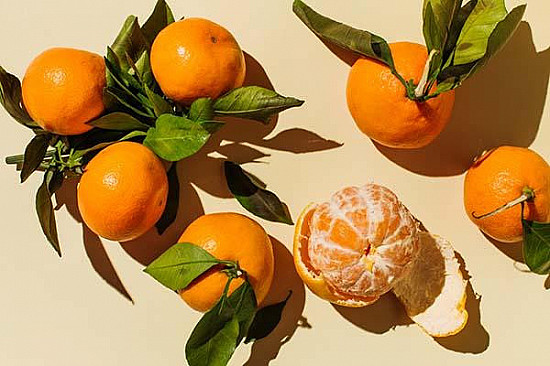
Surprising but true: Broccoli has more vitamin C than oranges. In 1 cup of the green cruciferous veggie, you get a whopping 81 milligrams of vitamin C. That’s 90% of the daily U.S. recommended dietary allowance (RDA) for adults. (An orange has about 70 milligrams.)
5. Nutrients to help heart health
Research suggests certain bioactive compounds in broccoli may boost your heart health in a variety of ways. It may:
Lower triglycerides and LDL (“bad”) cholesterol: “High LDL can lead to fatty deposits on your artery walls, increasing your risk of artery disease, stroke and heart attack,” Czerwony explains. Research shows that eating broccoli can lower triglycerides, a type of fat, as well as LDL.
Reduce calcium buildup in blood vessels: When calcium builds up on your blood vessel walls, it increases your risk of heart attack and stroke. According to research, broccoli can help reduce this calcium buildup.
Is frozen broccoli healthy?
“If you want those anticancer compounds like sulforaphane, choose fresh broccoli,” advises Czerwony. Freezing inactivates sulforaphane.
“Frozen broccoli also loses a bit of its vitamin content. But overall, frozen broccoli is still very healthy. It’s better than not eating any broccoli because you still get a lot of the health benefits,” she continues.
Need some broccoli-inspired meals? Try these easy recipes:
As the Earth completes another trip around the sun, many people reflect on the previous year’s weight-loss resolutions that didn’t work out as planned. You have undoubtedly seen an explosion of weight-loss medication advertisements over the last year. While these medicines can potentially be helpful, they need to be used in conjunction with healthy lifestyle changes. Here are some tips to make 2025 the year your weight-loss resolutions stick!
Start with a diet to lose weight. Weight loss is 20% in exercise and 80% in the kitchen. You will get far more weight loss by focusing on diet to start.
Think small! Aim to lose about three to five pounds per month. Rapid weight loss is usually a sign that you’re doing something that will be hard to keep up. Don’t go on a “diet,” instead make a “lifestyle change” by focusing on small things you can sustain for the rest of your life. Remember: Small changes over a long period yield big results.
Rethink your drink. Calories are experts at sneaking into your diet without you even noticing, especially in beverages. Reducing or eliminating sugary drinks and alcohol can make a HUGE difference. Consider these simple substitutions: diet soda instead of regular soda, skim milk instead of whole milk for your coffee, flavored water instead of fruit juice, etc.
Avoid portion pitfalls. Oversized portions derail the best weight-loss plans. Give these quick fixes a try:
At restaurants, put half of your meal in a to-go box as soon as it comes to the table.
At home, keep serving dishes away from the dining table to discourage seconds and thirds.
With snacking, put your snack in a bowl or container rather than sit and munch with the whole package at hand.
Spoil your dinner! A healthy snack before dinner that leads to eating less at your meal is A-OK!
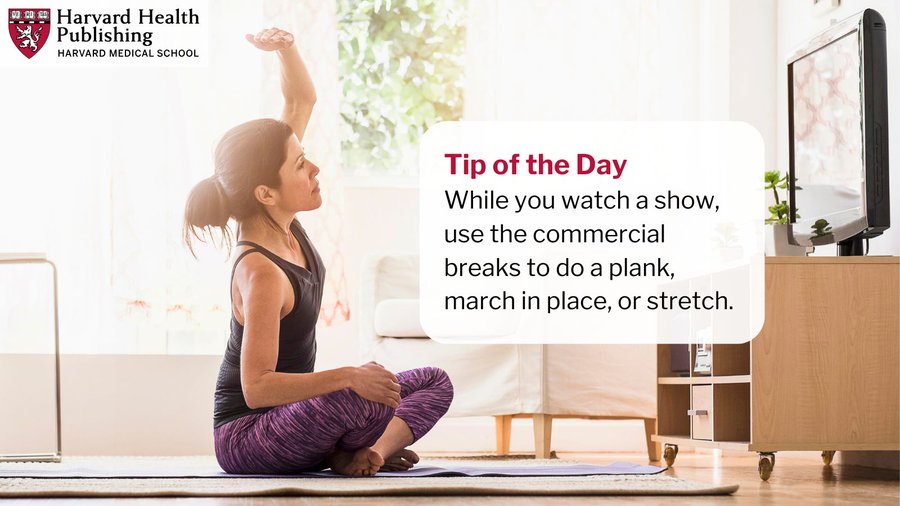
Ease into exercise. Exercise is key to a healthy life, but if you’re not doing much exercise to start, going from zero to 60 is a recipe for crash and burn. Start low and go slow. Start with 10 minutes of exercise per week. Add 10 minutes weekly and slowly build up to 30 minutes five days a week. How do you know if you’re exercising right? If you’re breathing hard enough that it would be challenging to have a conversation with someone, then you’re doing it right!
Put a dietitian in your pocket. Have a smartphone or tablet device? Use it to work for you! Knowing which foods are good and bad is only part of the struggle. MyFitnessPal is a fantastic, free app that helps you set weight-loss goals and track your calories.
Most important: Don’t focus on weight too much! Weight is only one piece of the health puzzle! We tend to focus on weight as it is the easiest to see and measure, but being healthy is much more than your weight. The quality of the food you eat, the exercise you get and the unhealthy choices you avoid are just as important!
Remember that your healthcare clinician is there for you. Don’t hesitate to ask for guidance and talk about available tools to lose weight and be healthy. Make 2025 the year your weight-loss resolutions stick so you have many more trips around the sun.
Luke Hafdahl, M.D., is a Community Internal Medicine, Geriatrics and Palliative Care physician. He has a particular interest in medical education.





 Healthaware