Blackrock Health Womens Health Centre is officially open at 2-5 Warrington Place, Dublin 2!
From gynaecology to menopause, cardiology to pelvic health – we offer a wide range of services for every stage of your health journey.
Don’t delay your well-being and book your appointment today.
You can access our clinic directly through our website, or with a referral from your GP. Learn more about our patient-centred approach and book an appointment here: https://ow.ly/jGy850XsMvR
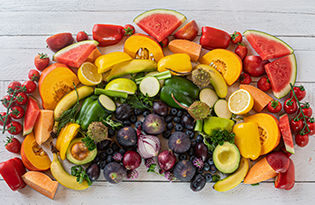
Can eating the rainbow help to reduce inflammation?
11/6/2025 by Tamara Soerense
n
Inflammation is a natural process initiated by the immune system in response to illness, trauma, toxins, physical stress and chronic disease. While acute inflammation is protective and allows our bodies to heal, it can become harmful if it persists, leading to chronic inflammation. Chronic inflammation, in turn, can lead to conditions such as arthritis, heart disease, and diabetes.
Several foods can contribute to inflammation. These include highly processed foods, refined carbohydrates, or foods high in added sugars. Conversely, other foods can help calm the immune system, decreasing inflammation.
Let’s explore which foods help lower inflammation and how they can be incorporated into an anti-inflammatory diet.
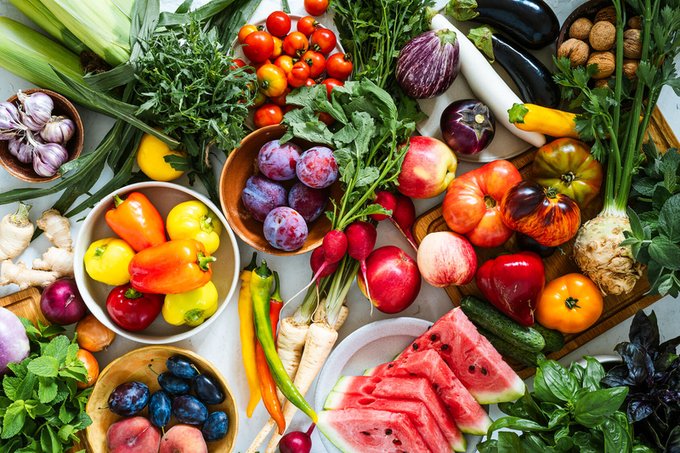
Fruits and Vegetables: Colorful fruits and vegetables naturally contain various phytonutrients and bioactive compounds that help keep inflammation in check. These foods form the foundation of the anti-inflammatory diet and can be enjoyed in abundance. For an extra boost of protection, try drizzling antioxidant-rich olive oil on your veggies..
Protein: Choose primarily from plant-based sources such as legumes, soy, nuts, and seeds, with smaller amounts from lean cuts of animal protein and fatty fish. The fats in these proteins, mainly monounsaturated and omega-3, play a significant role in combating inflammation. The American Heart Association recommends 6 to 8 ounces of fatty fish and 5 ounces of legumes, nuts, and seeds per week.
Whole grains: Whole grains contain all parts of the grain, whereas refined grains remove the germ and bran, eliminating important inflammation-reducing compounds. Of these, fiber is a bit of a superstar, shown to help reduce blood sugar and cholesterol levels. Aim for at least 50% of your grains from whole grain sources, such as rolled oats and brown rice.
Herbs and Spices: Herbs and spices add flavor to your food and help reduce oxidative stress, which can trigger inflammation. Add ginger, turmeric, clove, cinnamon, oregano, and garlic to your next meal.
What change can you make today to shift your body into a less inflamed state?
Consider adding one colorful fruit or vegetable to your diet each day. Suggestions include tomatoes, oranges, yellow bell peppers, arugula, blueberries, pumpkin and broccoli.
Tamara Soerensen completed her bachelor’s degree in biology at the University of California, Santa Barbara and her master’s in nutrition at Bastyr University. She is currently a dietetic intern at Mayo Clinic in Rochester, Minnesota. Special interests include digestive health and the utilization of diet for disease prevention.
Can eating the rainbow help to reduce inflammation?
11/6/2025 by Tamara Soerense
n
Inflammation is a natural process initiated by the immune system in response to illness, trauma, toxins, physical stress and chronic disease. While acute inflammation is protective and allows our bodies to heal, it can become harmful if it persists, leading to chronic inflammation. Chronic inflammation, in turn, can lead to conditions such as arthritis, heart disease, and diabetes.
Several foods can contribute to inflammation. These include highly processed foods, refined carbohydrates, or foods high in added sugars. Conversely, other foods can help calm the immune system, decreasing inflammation.
Let’s explore which foods help lower inflammation and how they can be incorporated into an anti-inflammatory diet.
Fruits and Vegetables: Colorful fruits and vegetables naturally contain various phytonutrients and bioactive compounds that help keep inflammation in check. These foods form the foundation of the anti-inflammatory diet and can be enjoyed in abundance. For an extra boost of protection, try drizzling antioxidant-rich olive oil on your veggies..
Protein: Choose primarily from plant-based sources such as legumes, soy, nuts, and seeds, with smaller amounts from lean cuts of animal protein and fatty fish. The fats in these proteins, mainly monounsaturated and omega-3, play a significant role in combating inflammation. The American Heart Association recommends 6 to 8 ounces of fatty fish and 5 ounces of legumes, nuts, and seeds per week.
Whole grains: Whole grains contain all parts of the grain, whereas refined grains remove the germ and bran, eliminating important inflammation-reducing compounds. Of these, fiber is a bit of a superstar, shown to help reduce blood sugar and cholesterol levels. Aim for at least 50% of your grains from whole grain sources, such as rolled oats and brown rice.
Herbs and Spices: Herbs and spices add flavor to your food and help reduce oxidative stress, which can trigger inflammation. Add ginger, turmeric, clove, cinnamon, oregano, and garlic to your next meal.
What change can you make today to shift your body into a less inflamed state?
Consider adding one colorful fruit or vegetable to your diet each day. Suggestions include tomatoes, oranges, yellow bell peppers, arugula, blueberries, pumpkin and broccoli.
Tamara Soerensen completed her bachelor’s degree in biology at the University of California, Santa Barbara and her master’s in nutrition at Bastyr University. She is currently a dietetic intern at Mayo Clinic in Rochester, Minnesota. Special interests include digestive health and the utilization of diet for disease prevention.
Having heart disease doesn’t mean your adventuring days are over. It just means you have to do some extra planning. If you can’t seem to check your worries at the departure gate, reach out to your provider. They can help you lay the groundwork for a safe and healthy flight. 🛫🛬 pic.twitter.com/E7xoBfgACh
Adapted from Pain Relief Without Drugs or Surgery, Medical Editor: Melissa L. Colbert, MD, Instructor in Physical Medicine and Rehabilitation, Harvard Medical School; Interim Medical Director, Spaulding Rehabilitation Outpatient Center.
Acupuncture has been used to treat many pain conditions, including low back pain, shingles and other nerve pain, hand and knee pain, headaches, fibromyalgia, and menstrual pain.
How acupuncture works
According to traditional Chinese beliefs, acupuncture works by affecting the flow of energy (called qi) through 12 channels, or meridians, that run lengthwise through the body.
Acupuncture involves the insertion of extremely fine needles into the skin at specific “acupoints” along the meridians. This action, some scientific evidence has shown, may result in pain relief by releasing endorphins, the body’s natural painkilling chemicals, and may affect the part of the brain that governs levels of serotonin, a neurotransmitter involved with mood.
A related technique called acupressure does not involve the insertion of needles at all, but substitutes deep pressure, usually with a finger or thumb, at acupressure points.
How is acupuncture administered?
Acupuncture technique can vary with the practitioner:
During Chinese acupuncture, the acupuncturist may turn or twirl the needles slightly, or apply heat or electrical stimulation to enhance the effects. In some cases, an herb called mugwort is burned near the needle tips or over specific areas of the body to stimulate the acupoints; this is called moxibustion.
While traditional moxibustion may involve placing mugwort directly on the needle or skin, more commonly in the U.S. indirect methods are used, where the mugwort is burned near the skin without making contact.
A Japanese form of acupuncture involves more shallow needle insertion than Chinese acupuncture, and needles usually are not manipulated.
Korean acupuncture focuses on needling points just in the hands and feet.
Generally, the acupuncturist will start by asking you about your pain and other symptoms and your medical and family history. They may also do a physical exam, take your pulse, and press on various parts of your body to identify swelling or sensitivity.
Acupuncturists use a holistic approach. Therefore, the treatment will likely address general whole-body imbalances as well as your specific complaint. The acupuncturist typically inserts four to 10 needles and leaves them in place for 10 to 30 minutes while you rest. A usual course of treatment includes six to 12 sessions over a three-month period.
Minor side effects can include pain, bruising, or bleeding at the site of the needle insertion. The complication rate for acupuncture appears to be quite low. Skin infections have also been reported. Single-use, sealed needle packages have all but eliminated the risk of blood-borne infection such as hepatitis B or HIV.
A study published in The Journal of Pain pooled results of 39 studies involving nearly 21,000 people who received either acupuncture, simulated acupuncture, or no acupuncture for osteoarthritis, headaches, or chronic pain in the back, neck, or shoulders. True acupuncture provided the greatest pain relief, and the benefits persisted for at least a year. A 2021 study in Advances in Therapy found that acupuncture can help with low back pain up to two years after treatment.
If you decide to try acupuncture, it is crucial to seek out an experienced acupuncturist. Licensing requirements vary from state to state. In states with no licensing requirements, the safest way to find a qualified acupuncturist is to seek one with certification from the National Certification Commission for Acupuncture and Oriental Medicine. Some physicians also practice acupuncture, so ask your doctor for a referral. Increasingly, insurers cover acupuncture for conditions such as low back pain.
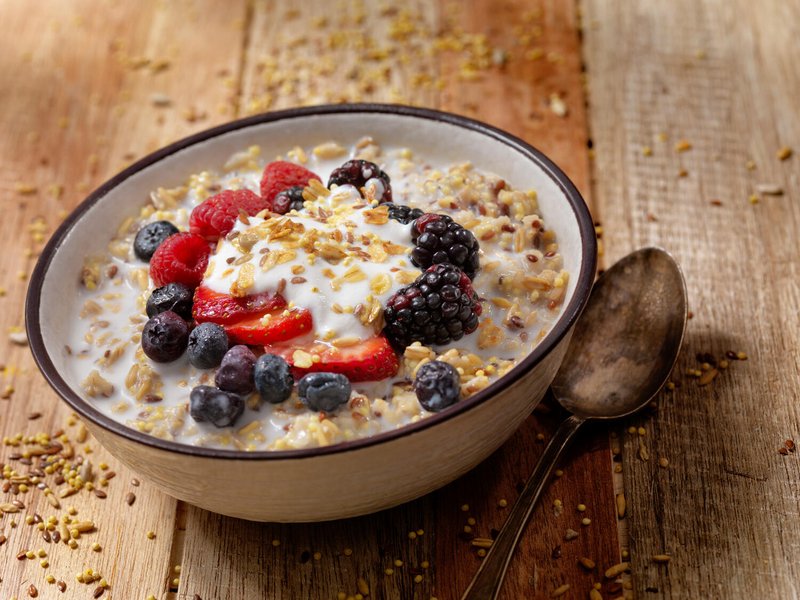
Start your day with a hearty and nutritious 6-grain hot cereal that will keep you energized and satisfied. Prepare a big batch over the weekend and enjoy a warm, comforting breakfast all week long. Top it with your favorite fruits or a dollop of yogurt for added natural sweetness.
Servings: 14 Serving Size: ½ cup
Nutritional Information Per Serving
114 calories
1 g total fat
0 g saturated fat
0 g transfat
0 g monounsaturated fat
0 mg cholesterol
74 mg sodium
21 g total carbohydrate
3 g dietary fiber
0 g total sugars
4 g protein
Ingredients
½ cup uncooked pearl barley
½ cup uncooked red wheat berries
½ cup uncooked brown rice
¼ cup uncooked steel cut oats
3 tablespoons uncooked quinoa
2 tablespoons of flaxseed
½ teaspoon kosher salt
1 ½ quarts water
Directions
In a large saucepan, combine the barley, wheat berries, rice, oats, quinoa, flaxseed and salt.
Pour water over ingredients, stir and bring to a boil over medium heat.
Reduce heat to low and simmer for 45 minutes, stirring occasionally.
Dietitian’s tip:
Make a big batch of this cereal on the weekend and reheat all week. Top with fruit or yogurt to add natural sweetness.
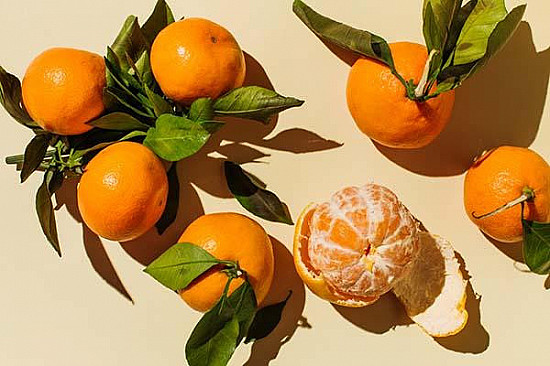
Vitamin C, also known as ascorbic acid, is a powerful micronutrient that plays a key role in keeping your body healthy. Here we’ll explore some myths and truths about this vital micronutrient. #HarvardHealth







 Healthaware