Skip to content
Healthaware

Healthaware

Health is Wealth

  • Home

Category: Health & Well Being

Posted on June 4, 2024

Alcohol and Breastfeeding: Is It Safe?@ClevelandClinic

Cleveland Clinic@ClevelandClinic

You love breastfeeding your baby — but sometimes a cold beer sounds tempting. Do you really have to give up alcohol entirely while you’re nursing your baby?

Alcohol and Breastfeeding: Can You Have a Drink?
Breastfeeding moms can enjoy a drink — here’s how to do it safely
health.clevelandclinic.org

Posted on June 2, 2024

“Walking, cycling or swimming and some form of strength training is critically important” Dr. Nathan LeBrasseur @MayoClinic #physicaltherapy

There is no magic pill to reverse the aging process. But if you want to counter the biological mechanisms that drive age-related conditions, like the accumulation of senescent cells, you will need to exercise.

Learn more: https://t.co/sBXHsxSGXP pic.twitter.com/tBQ1nhyOZI

— Mayo Clinic (@MayoClinic) January 23, 2024
Posted on May 29, 2024

The “little trees” are full of fiber, folate, vitamins and more. @ClevelandClinic #broccoli

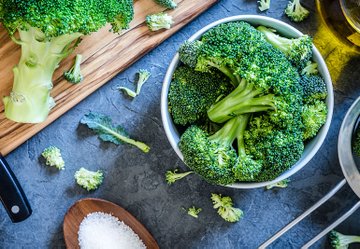
“Eat your broccoli,” may be a familiar refrain from your childhood. Maybe you didn’t love broccoli as a kid, but your parents were onto something. The “little trees” are full of fiber, folate, vitamins and more.

Broccoli is a member of the Brassica genus of plants, also known as the cabbage family. Broccoli’s relatives include Brussels sprouts, cabbage, cauliflower, chard and watercress. Many Brassicas have strong flavors and mix well with meats and other vegetables.

“A pile of steamed broccoli doesn’t appeal to everyone,” recognizes registered dietitian Beth Czerwony, RD, LD. “But broccoli is incredibly versatile and can be used in so many different dishes. Toss it in with your stir fry, chop it fresh in a salad or roast it with your baby potatoes. And with an abundance of nutrients, there are many benefits of eating broccoli.”

Broccoli nutrition facts

A cup of chopped raw broccoli has approximately:

  • 31 calories.
  • 6 grams of carbohydrates.
  • 0 grams of cholesterol.
  • 0.3 grams of fat.
  • 2 grams of fiber.
  • 2.6 grams of protein.
  • 30 milligrams of sodium.
  • 1.6 grams of sugar.

In addition, a cup of raw broccoli offers:

  • 81 milligrams of vitamin C (90% daily value or DV).
  • 93 micrograms of vitamin K (78% DV).
  • 57 milligrams of folate (11% DV).
  • 288 milligrams of potassium (6% DV).
  • 19 milligrams of magnesium (5% DV).

Source: U.S. Department of Agriculture

Broccoli benefits

It’s worth finding ways to add broccoli to your diet because it’s a health-boosting dynamo. Here’s some motivation for you to get your green on: Some of the beneficial substances in broccoli are somewhat unique to the Brassica family of vegetables. Broccoli provides nutrients that may:

  • Reduce your risk of cancer.
  • Help control blood sugar.
  • Protect your gut.
  • Boost immunity.

As a superfood status, broccoli can improve your health with these five components:

1. Compounds to reduce cancer risk

“Broccoli offers some powerful molecules that protect your cells from damage,” says Czerwony. “Some of them even destroy cancer cells.”

Cancer-fighting molecules in broccoli include DIM, indole-3-carbinol and sulforaphane. According to studies, they may help:

  • Detoxify certain substances that promote the growth of cancer cells, which means they don’t remove the substances, but they remove the harmful effects.
  • Provide antioxidants, which prevent cell damage that can lead to cancer.
  • Stop the growth and spread of cancer cells.
  • Support apoptosis, your body’s process for destroying cells that could turn into cancer.

These anticancer molecules are in several of broccoli’s cruciferous veggie relatives, too. These nutrients don’t survive cooking or freezing. So, to get the benefits, raw broccoli is best.

“Some of these compounds are even more concentrated in broccoli sprouts,” notes Czerwony. “You can find broccoli sprouts in health food stores and many grocery stores. Sprouts are also easy to grow at home using a sprouting kit.”

2. Nutrients to help manage blood sugar

Both human and lab studies suggest compounds in broccoli may help lower blood sugar in people with Type 2 diabetes. This effect may be due to the antioxidants in broccoli, like vitamin C.

Research shows that fiber can also help with blood sugar management. At 2.5 grams of fiber per cup, broccoli is a good source of this nutrient.

3. Ligands to protect your gut

In a nonhuman study, researchers found that broccoli can help protect the lining of your small intestine. Compounds found in broccoli, called aryl hydrocarbon receptor ligands, help keep small intestine cells working well.

Why do those cells matter so much? When your small intestine lining is healthy, it only allows water and nutrients to pass through it into your bloodstream.

But when the cells of the lining are damaged, undigested food particles, bacteria and other disease-causing particles may pass through. A damaged small intestine lining can lead to infections and inflammation. It can also prevent you from absorbing the nutrients you need.

4. Vitamin C to boost immunity

Vitamin C is well-studied as an immune-boosting nutrient. When you don’t have enough vitamin C, you’re more likely to get infections.

The antioxidant effects of vitamin C also help your body keep free radicals under control. “Free radical damage is linked to all kinds of problems, including Alzheimer’s disease, autoimmune diseases, cancer, heart disease and Parkinson’s disease,” says Czerwony. When you don’t have enough antioxidants to neutralize free radicals, they damage your cells.

Surprising but true: Broccoli has more vitamin C than oranges. In 1 cup of the green cruciferous veggie, you get a whopping 81 milligrams of vitamin C. That’s 90% of the daily U.S. recommended dietary allowance (RDA) for adults. (An orange has about 70 milligrams.)

5. Nutrients to help heart health

Research suggests certain bioactive compounds in broccoli may boost your heart health in a variety of ways. It may:

  • Lower triglycerides and LDL (“bad”) cholesterol: “High LDL can lead to fatty deposits on your artery walls, increasing your risk of artery disease, stroke and heart attack,” Czerwony explains. Research shows that eating broccoli can lower triglycerides, a type of fat, as well as LDL.
  • Provide fiber: According to a review of 22 clinical trials, fiber can reduce your risk of cardiovascular and coronary artery disease.
  • Reduce calcium buildup in blood vessels: When calcium builds up on your blood vessel walls, it increases your risk of heart attack and stroke. According to research, broccoli can help reduce this calcium buildup.

Is frozen broccoli healthy?

“If you want those anticancer compounds like sulforaphane, choose fresh broccoli,” advises Czerwony. Freezing inactivates sulforaphane.

“Frozen broccoli also loses a bit of its vitamin content. But overall, frozen broccoli is still very healthy. It’s better than not eating any broccoli because you still get a lot of the health benefits,” she continues.

Need some broccoli-inspired meals? Try these easy recipes:

  • Broccoli and bean salad.
  • Charred broccoli tabbouleh salad.
  • Crunchy broccoli walnut salad.
  • Roasted broccoli.
  • Easy broccoli slaw.

Posted on May 29, 2024

How physical activity keeps your heart in good shape: @HarvardHealth #heartaware #physiotherapy


Harvard Health

@HarvardHealth
·
27m

Moderate-to-vigorous exercise appears to boost cardiorespiratory fitness, which quantifies how well the heart & lungs supply oxygen to the muscles. Higher CRF during midlife is linked to a lower risk of heart disease later: https://bit.ly/3rEwvXe #HarvardHealth
Posted on May 29, 2024

Get your fill of creamy smoothie goodness with a healthy heaping of crunchy, healthy toppings, including slivered almonds and chia seeds. @ClevelandClinic

Recipe: Berry Smoothie Bowl

A creamy smoothie with crunchy toppings — in a bowl!

Ingredients

Smoothie base

  • 1 1/2 cups plain yogurt
  • 1 banana, frozen
  • 1/2 cup orange juice
  • 1 cup berries of your choice
  • 1 tablespoon flaxseeds
  • 1 scoop vanilla plant-based protein powder, optional

Toppings

  • 1 tablespoon slivered almonds
  • 1 teaspoon chia seeds
  • 1 tablespoon pomegranate seeds

Directions

  1. Blend all base ingredients together until smooth, adjusting for sweetness and thickness.
  2. Serve immediately in a large bowl with toppings.

Ingredient health benefits

  • Yogurt: With probiotics and prebiotics to go around, yogurt is a great way to show your stomach some love. Yogurt is also a complete protein, which means it has all nine essential amino acids that your body needs to function properly (but can’t make on its own). And, most famously, it has calcium to keep your bones happy and healthy.
  • Bananas: Most everyone knows that bananas are a great source of potassium, but there’s so much more to this zany-looking fruit than popular knowledge conveys. Bananas also have magnesium and vitamin B6, which help regulate blood pressure and metabolism. And they have fiber to keep your gut working properly.
  • Flaxseed: This little seed really is worth the hype. Flaxseed is a source of omega-3 fatty acids (omega-3s, for short), which are vital for your body to function as it should. Flaxseed also has fiber and antioxidants that fight damaging free radicals and chronic inflammation.
  • Almonds: This nut may seem ordinary, but its benefits certainly aren’t. Almonds are rich in calcium and unsaturated fats that raise your “good” (HDL) cholesterol. Your brain will also thank you for the flavonoids and vitamin E.
  • Chia seeds: Another tiny seed with plenty of perks, chia seeds improve your digestion and promote the growth of good bacteria that keep your gut healthy. Their quirky ability to expand in fluid can help you stay fuller for longer when they’re in your stomach juices, which can be helpful if you’re trying to lose weight.
  • Pomegranate seeds: These little gems are as good for you as they taste. The squishy packets around the seeds contain juice that’s high in antioxidants, which might support the health of your heart. Pomegranate juice may also have cancer-fighting abilities, but research is ongoing. Still, incorporating pomegranates into a hearty, nutritious diet wouldn’t hurt!

Nutrition information (per serving)

Makes 4 servings
Serving = 3/4 cup

Calories: 160
Carbohydrate: 27 g
Sugars: 17 g
Fiber: 4 g
Saturated fat: 0.5 g
Cholesterol: 5 mg
Protein: 9 g
Sodium: 70 mg

Posted on May 28, 2024May 28, 2024

Mothers need to eat, sleep and stay hydrated…. Community Health Nurse

Posted on May 26, 2024

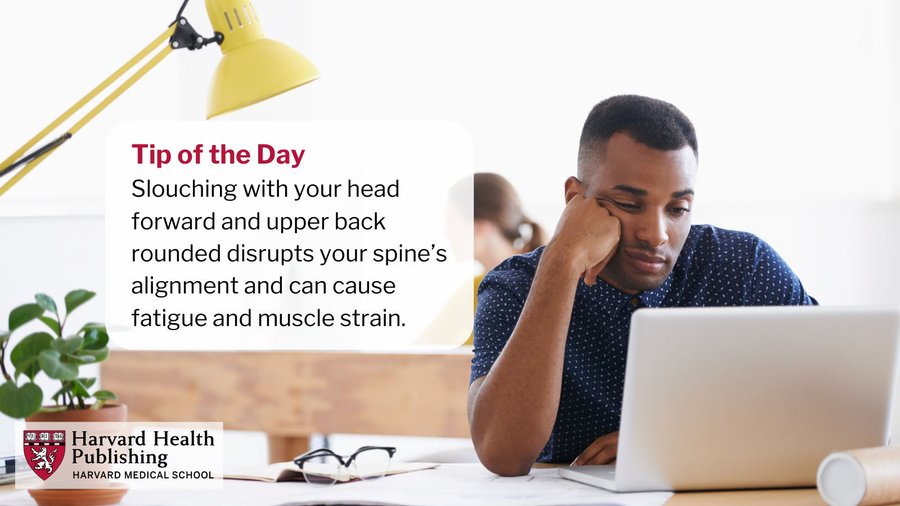
“Slouching is a common and important health issue” says Meghan Markowski, #physio #therapeutic @HarvardHealth

Harvard Health

@HarvardHealth

·

21h

Slouching can cause fatigue: Slouching with your head forward and upper back rounded disrupts your spine’s alignment and can cause fatigue and muscle strain. #HarvardHealth #TipoftheDay https://bit.ly/3WR4zki

Posted on May 23, 2024

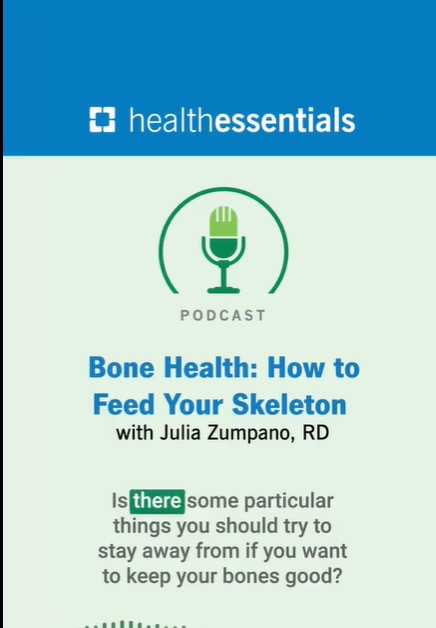
Stay away from salt and sodium @ClevelandClinic

What should you stay away from to keep your bones healthy? Find out.

New episodes every week! pic.twitter.com/ay442EGTU0

— Cleveland Clinic (@ClevelandClinic) May 22, 2024
Posted on May 23, 2024

Even small amounts of alcohol—a single drink per day—has been linked to a higher risk of developing AFib @HarvardHealth #heartaware


Harvard Health

@HarvardHealth
·
1h

Even small amounts of alcohol—a single drink per day—has been linked to a higher risk of developing #AFib, a potentially dangerous irregular heart rhythm. https://bit.ly/2XRMkif #HarvardHealth
Posted on May 23, 2024

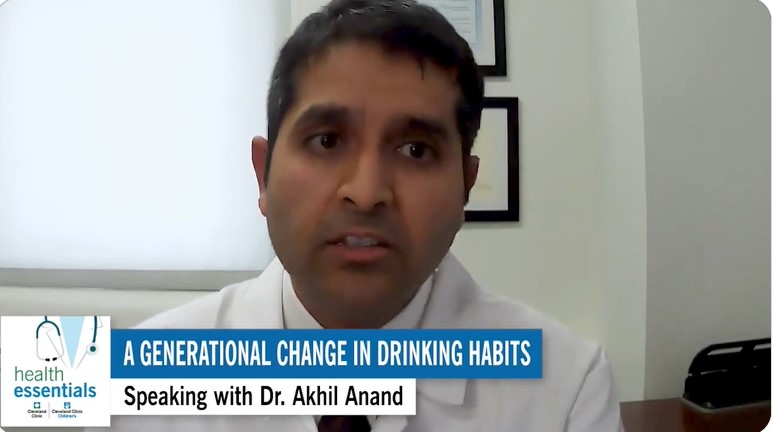
Dr.Akhil Anand – research shows that Generation Z is drinking far less alcohol than previous generations. @ClevelandClinic

Research shows that Generation Z is drinking far less alcohol than previous generations. So what’s behind this trend – and does that mean alcohol and drug use worries are disappearing? Let’s break the topic down in this podcast with addiction psychiatrist Akhil Anand. pic.twitter.com/PrqU7IbBlP

— Cleveland Clinic (@ClevelandClinic) March 13, 2024

Posts pagination

Previous page Page 1 … Page 75 Page 76 Page 77 … Page 124 Next page

Tags

  • Alcohol
  • Cleveland Clinic
  • Depression
  • diet
  • exercise
  • Female health
  • fitness
  • Harvard Health
  • Healthaware
  • heartaware
  • heart health
  • nutrition
  • physical activity
  • physiotherapy
  • yoga

Recent Posts

  • As more people are drinking less, here are some of the benefits: better sleep, less anxiety/depression, memory is better, fewer tummy problems…@ClevelandClinic
  • “Eat your broccoli,” may be a familiar refrain from your childhood. Maybe you didn’t love broccoli as a kid, but your parents were onto something. The “little trees” are full of fiber, folate, vitamins and more. Beth Czerwony, RD, LD. @ClevelandClinic
  • Vitamin D is one of the most powerful nutrients for supporting the immune system @ClevelandClinic  🌞
  • Does honey work to soothe a sore throat and cough? Yes, says family medicine physician Elizabeth Rainbolt, MD.@ClevelandClinic 🍯
  • Probiotics are good bacteria that keep the gut healthy and help fight #infections and #inflammation @HarvardHealth
  • Types of holidays we need @motherandbaby
  • Jessie Buckley dedicates her Oscar to “The Beautiful Chaos of a Mother’s Heart” on #mothersday  ❤️ 💙 💜@rtenews
  • The best medicine for back pain may be good old-fashioned movement and exercise. @HarvardHealth
  • Distract your mind @HarvardHealth #negativethoughts
  • Tulipa Carnaval de Nice @the_rhs
  • Yoga, tai chi and pilates can improve balance and flexibility, lower blood pressure and reduce stress @HarvardHealth #physicaltherapy
  • How does #exercise reduce stress? @HarvardHealth
  • Way to go, Hannah! 🎉🎉 #ClevelandClinicChildrens!
  • Vitamin D is one of the most powerful nutrients for supporting the immune system @ClevelandClinic  🌞
  • 5 Ways to Boost Your Child’s Immune System for Life @ClevelandClinic Adriane Lioudis, MD.
  • Take care of yourself …
  • Mothers need to eat, sleep and stay hydrated…. Community Health Nurse
  • Today, we celebrate the incredible strength and resilience of women across Ireland. At Blackrock Health Womens Health Centre, our commitment to you is 365 days a year.
  • Today marks #InternationalWomensDay, a time to consider progress, harness the power of collective action & stand in solidarity.
  • Distract your mind @HarvardHealth #negativethoughts
Blog at WordPress.com.
  • Subscribe Subscribed
    • Healthaware
    • Join 1,723 other subscribers
    • Already have a WordPress.com account? Log in now.
    • Healthaware
    • Subscribe Subscribed
    • Sign up
    • Log in
    • Report this content
    • View site in Reader
    • Manage subscriptions
    • Collapse this bar
 

Loading Comments...