Blood pressure, cholesterol, alcohol, diabetes, smoking, overweight, stress and sleep all affect the risk of developing heart disease. Learn more about your modifiable risks and help protect your heart here.
Risk Factors For Heart Disease & Stroke A risk factor is anything that raises a person’s chance of developing heart disease and stroke. There are two types of risk factor, … Risk Factors Read More »
RCSI welcomes progress in physiotherapist referral for medical radiological procedures
RCSI University of Medicine and Health Sciences has welcomed the policy decision to permit physiotherapists to refer patients for medical radiological procedures, and the progress made in implementing this important new measure which will make it quicker for patients to access a diagnosis and begin their treatment.
Physiotherapist referral for medical radiological procedures results in fewer health professionals being involved in the patient pathway. At present, physiotherapists with advanced training can refer their patients for radiological investigations, such as X-ray, in several jurisdictions including England, Sweden, Canada and New Zealand.
Physiotherapists in Ireland will soon be invited to undertake advanced training which will allow them to refer their patients for radiological procedures. Initially, clinical specialist physiotherapists working in roles in specific clinical areas in the HSE are being invited to train for the authority to refer. In early 2025, application to the training programmes will then be opened more widely.
Professor Suzanne McDonough, Head of the RCSI School of Physiotherapy, said: “This is an important development which will lead to efficiencies in the patient pathway and reduce barriers to effective treatment for a range of musco-skeletal conditions.
“The evidence from the countries which already permit physiotherapist referral for radiological procedures is positive, with no serious adverse events reported and with many advantages for the patient and the health system,” added Professor McDonough.
An Expert Working Group was established in March 2024 to support the development and implementation of this policy. The group includes representation from Department of Health, Health Service Executive, CORU, UCD and the Irish Society of Chartered Physiotherapists.
Established in 1999, the RCSI School of Physiotherapy aims to educate professionally safe, competent, reflective and analytical physiotherapists.
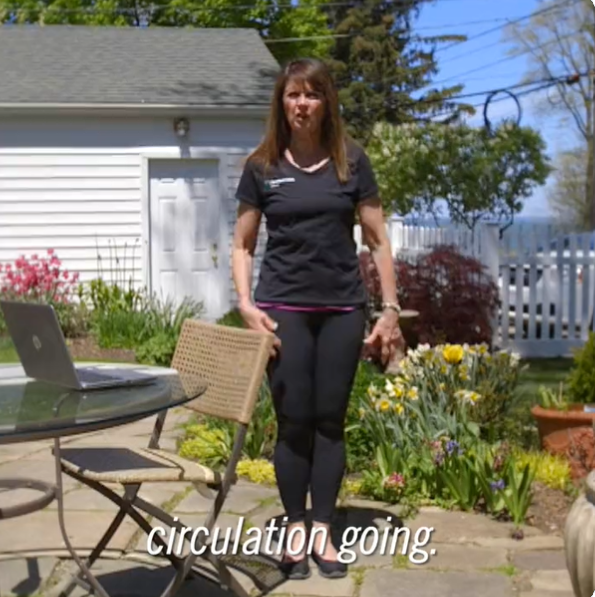
Taking short breaks throughout the day is beneficial for your mental health. Cleveland Clinic Yoga Program Manager, Judi Bar, shares stretches you can do wherever you are. #NationalYogaMonthpic.twitter.com/hIdb9GQkQO
RCSI welcomes progress in physiotherapist referral for medical radiological procedures
RCSI University of Medicine and Health Sciences has welcomed the policy decision to permit physiotherapists to refer patients for medical radiological procedures, and the progress made in implementing this important new measure which will make it quicker for patients to access a diagnosis and begin their treatment.
Physiotherapist referral for medical radiological procedures results in fewer health professionals being involved in the patient pathway. At present, physiotherapists with advanced training can refer their patients for radiological investigations, such as X-ray, in several jurisdictions including England, Sweden, Canada and New Zealand.
Physiotherapists in Ireland will soon be invited to undertake advanced training which will allow them to refer their patients for radiological procedures. Initially, clinical specialist physiotherapists working in roles in specific clinical areas in the HSE are being invited to train for the authority to refer. In early 2025, application to the training programmes will then be opened more widely.
Professor Suzanne McDonough, Head of the RCSI School of Physiotherapy, said: “This is an important development which will lead to efficiencies in the patient pathway and reduce barriers to effective treatment for a range of musco-skeletal conditions.
“The evidence from the countries which already permit physiotherapist referral for radiological procedures is positive, with no serious adverse events reported and with many advantages for the patient and the health system,” added Professor McDonough.
An Expert Working Group was established in March 2024 to support the development and implementation of this policy. The group includes representation from Department of Health, Health Service Executive, CORU, UCD and the Irish Society of Chartered Physiotherapists.
Established in 1999, the RCSI School of Physiotherapy aims to educate professionally safe, competent, reflective and analytical physiotherapists.
RCSI welcomes progress in physiotherapist referral for medical radiological procedures
RCSI University of Medicine and Health Sciences has welcomed the policy decision to permit physiotherapists to refer patients for medical radiological procedures, and the progress made in implementing this important new measure which will make it quicker for patients to access a diagnosis and begin their treatment.
Physiotherapist referral for medical radiological procedures results in fewer health professionals being involved in the patient pathway. At present, physiotherapists with advanced training can refer their patients for radiological investigations, such as X-ray, in several jurisdictions including England, Sweden, Canada and New Zealand.
Physiotherapists in Ireland will soon be invited to undertake advanced training which will allow them to refer their patients for radiological procedures. Initially, clinical specialist physiotherapists working in roles in specific clinical areas in the HSE are being invited to train for the authority to refer. In early 2025, application to the training programmes will then be opened more widely.
Professor Suzanne McDonough, Head of the RCSI School of Physiotherapy, said: “This is an important development which will lead to efficiencies in the patient pathway and reduce barriers to effective treatment for a range of musco-skeletal conditions.
“The evidence from the countries which already permit physiotherapist referral for radiological procedures is positive, with no serious adverse events reported and with many advantages for the patient and the health system,” added Professor McDonough.
An Expert Working Group was established in March 2024 to support the development and implementation of this policy. The group includes representation from Department of Health, Health Service Executive, CORU, UCD and the Irish Society of Chartered Physiotherapists.
Established in 1999, the RCSI School of Physiotherapy aims to educate professionally safe, competent, reflective and analytical physiotherapists.
Ordinary activities improve health and longevity: Doing ordinary activities like housework and gardening may help you live longer and healthier. #HarvardHealth#TipoftheDayhttps://bit.ly/4b3A8eU
What you see: Cute baby moments and joyful strolls. What you don’t: Sleepless nights and silent struggles. And there’s so much more! Comment below what you want to add to the list!
This savory Greek appetizer is usually made with a lot of butter and a lot of feta cheese, which is delicious, but not really heart-healthy. Our just-as-delicious recipe offers a lighter, heart-healthier alternative!
Ingredients
Olive oil cooking spray
1 small onion, minced
One 10-ounce package frozen, chopped spinach
1/3 cup crumbled reduced-fat feta cheese
1/4 cup 1% cottage cheese
1/8 teaspoon ground nutmeg
1 1/2 tablespoons chopped fresh dill
Freshly ground pepper
1 tablespoon egg substitute
5 sheets frozen phyllo dough, thawed
Refrigerated butter-flavored cooking spray
Directions
Preheat the oven to 350 F. Coat a baking sheet with olive oil cooking spray.
Coat a large nonstick skillet with olive oil cooking spray. Add the onion and spinach; saute over medium-high heat until the spinach is thawed and the onion begins to wilt, 8 to 10 minutes. Stir frequently to break up clumps of spinach. Add the feta and cottage cheese along with the nutmeg, dill, pepper and egg substitute; mix well. Remove from heat and cool for 5 minutes.
Cut the phyllo dough into four lengthwise strips, covering the dough you’re not using with a damp tea towel so it doesn’t dry out. Coat each strip with the butter-flavored spray. Place a tablespoon of spinach mix on top of a strip of dough and fold over to make a triangle; continue folding over as if folding a flag. Place on the prepared baking sheet. Repeat, using all the remaining phyllo and filling. Coat each triangle with the butter-flavored spray. Bake for about 20 minutes, until browned. Serve warm.
Nutrition information (per serving)
Makes 20 pieces (10 servings/2 pieces serving)
Calories: 50 Total fat: 1.5 g Protein: 3 g Carbohydrate: 7 g Dietary fiber: 0 g Cholesterol: 0 mg Sodium: 180 mg Potassium: 60 mg







 Healthaware