·
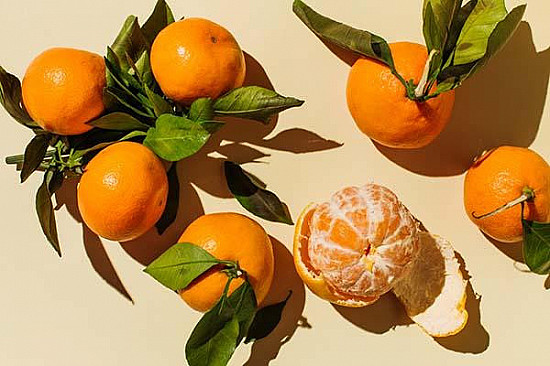
Vitamin C, also known as ascorbic acid, is a powerful micronutrient that plays a key role in keeping your body healthy. Here we’ll explore some myths and truths about this vital micronutrient. #HarvardHealth

Health is Wealth
·
Vitamin C, also known as ascorbic acid, is a powerful micronutrient that plays a key role in keeping your body healthy. Here we’ll explore some myths and truths about this vital micronutrient. #HarvardHealth

A meal that’s heavy in sugar and starch is no way to start your day – especially if you’re following the ketogenic diet.
These recipes from functional medicine specialist Mark Hyman, MD, are a great way for anyone — keto or not — to bring real, whole, fresh foods (including non-starchy vegetables) to your plate first thing in the morning.
The jicama serves as a lighter alternative to traditional potato, while turkey bacon is a stand-in for pork.
This versatile, protein-packed meal is easy on your digestive system and always a hit with the kids, too.
A creamy, low-carb smoothie is a great way to start your day and get into fat-burning mode. And ginger is great for digestions.
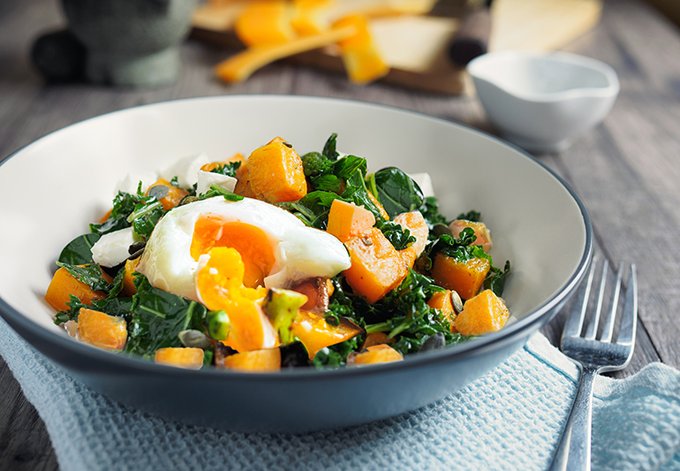
What’s the easiest way to upgrade a plate of greens? Put an egg on top! This tasty and comforting dish is good for breakfast – or lunch or dinner.
For those who don’t want coffee, this latte is a great morning drink that provides healthy fat without caffeine.
With a few veggies and precooked sausage, you can have this satisfying, savory frittata on the table in under 45 minutes.

·
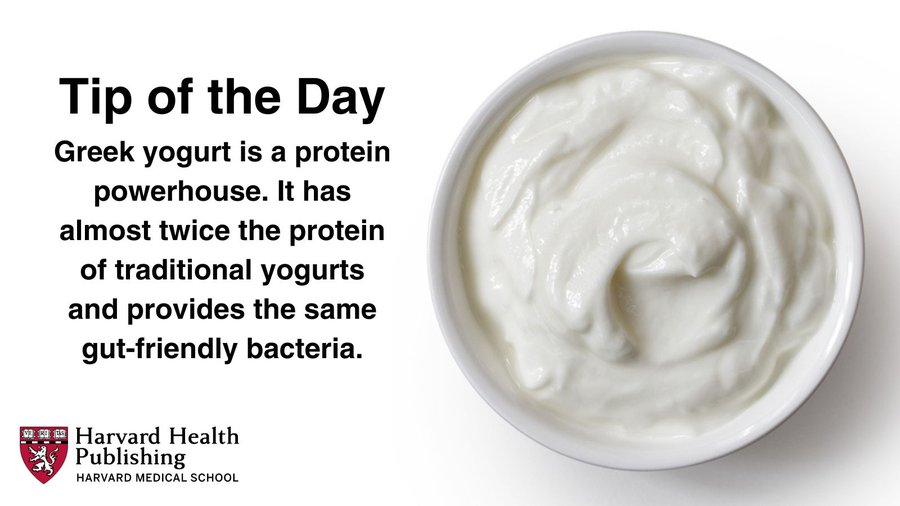
Protein in Greek yogurt: Greek yogurt is a protein powerhouse. It has almost twice the protein of traditional yogurts and provides the same gut-friendly bacteria. #HarvardHealth

·
Blood pressure, cholesterol, alcohol, diabetes, smoking, overweight, stress and sleep all affect the risk of developing heart disease. Learn more about your modifiable risks and help protect your heart here.
https://croi.ie/heart/risk-factors/
Risk Factors • Croi Heart & Stroke Charity
Risk Factors For Heart Disease & Stroke A risk factor is anything that raises a person’s chance of developing heart disease and stroke. There are two types of risk factor, … Risk Factors Read More »
·
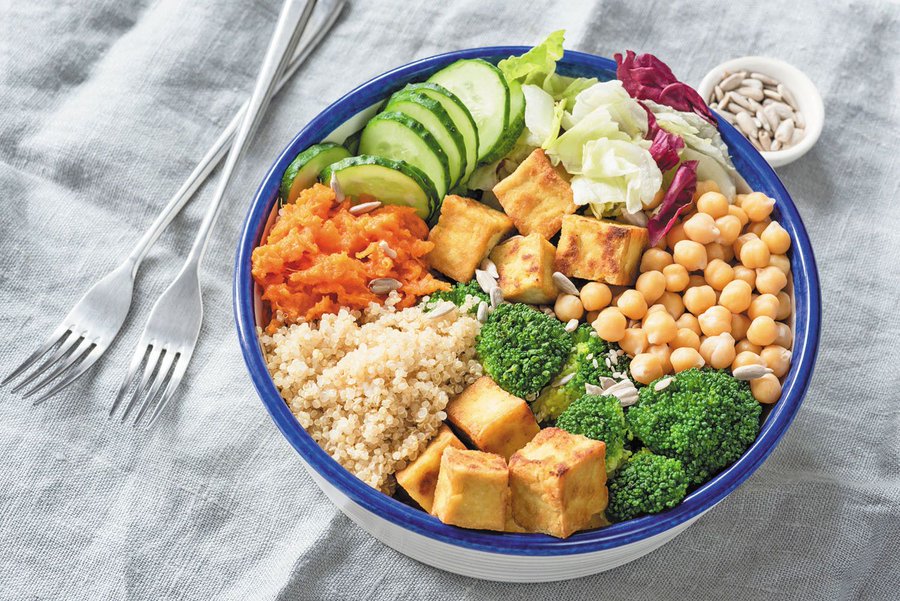
“When you create a meal centered around vegetables, you’re taking steps to improve and maximize your health,” says Liz Moore, registered dietitian at Beth Israel Deaconess Medical Center. Try these three meals today. — #HarvardHealth #Diet #Nutrition
Meatless Mondays, meet summer’s bounty: a wide variety of colorful, fresh summer vegetables now available in grocery stores, backyard gardens, and farmer’s markets. We’re talking sunshiny golden corn on the cob, deep purple eggplant, red beets, peppers of all hues, not to mention tomatoes, zucchini, green beans, cucumbers, and more. With a bit of simple prep, they’re ready to take center stage on your plate, reinforcing the joy of summer.
“Vegetables in our diet provide many benefits. And when you create a meal centered around them, you’re taking steps to improve and maximize your health,” says Liz Moore, the author of a heart-healthy cookbook and a registered dietitian at Harvard-affiliated Beth Israel Deaconess Medical Center.
Making vegetables the stars of a meal is part of the “veg-centric” movement, which teaches people how to elevate even average vegetables to creative entrées and side dishes. The trend gives vegetables bold flavors by grilling, layering, caramelizing, or roasting them — steps you can take with a backyard grill or stovetop skillet.
Summer veggie meals have lots of important health perks. “Vegetables such as eggplant and beets of all colors are rich in fiber, Moore says. “Eating a high-fiber diet helps lower cholesterol and is linked to heart health, digestive health, and helping to maintain stable blood sugar levels. For those trying to lose weight, vegetables are low in calories and provide volume, which helps keep you full.”
Summer vegetables also have a wide variety of essential vitamins, minerals, and phytochemicals (beneficial plant chemicals) like flavonoids. “For example, carotenoids in cooked tomatoes are rich in lycopene, which is associated with inhibiting cancer growth and boosting the immune system. And beets are a good source of folate and potassium,” Moore says.
Wondering what to do with the colorful harvest available to you? Moore suggests keeping it simple by making a meal of vegetables paired with whole grains or legumes (beans or lentils). Here are three meals that fill the bill.
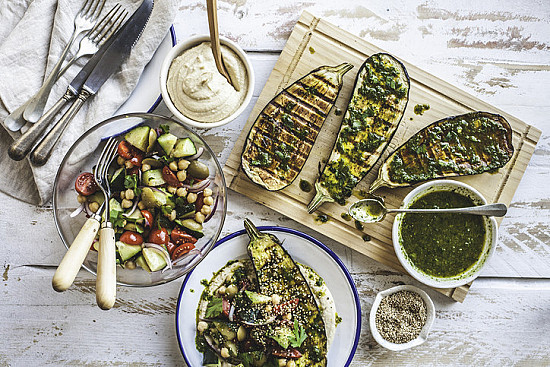
Grilled eggplant steak with cucumber, tomato, onion, chickpea, and feta salad
Veggie pita pocket with gazpacho
Quinoa-stuffed red peppers
Based on a recipe from BIDMC’s CardioVascular Institute’s Hungry Heart Cookbook by Liz Moore, RD, LDN
Other ideas include
Which combinations of summer vegetables you choose can depend on cost, taste preferences, and how much time you want to spend cooking. If you’re in a hurry, go with a salad. If you have more time, try grilling or sautéing vegetables.
Finally, be open to inspiration from the bounty you see at the market. “Focus on getting a variety of colors in the vegetables you choose. The more colors there are on the plate, the more nutrients you’ll be consuming,” Moore says. “And try something new. Explore vegetables you’ve never tried before or new methods of cooking. Think of it as one of summer’s glorious adventures.”

Heidi Godman, Executive Editor, Harvard Health Letter
Heidi Godman is the executive editor of the Harvard Health Letter. Before coming to the Health Letter, she was an award-winning television news anchor and medical reporter for 25 years. Heidi was named a journalism fellow … See Full Bio

Registered dietitian Lara Whitson, RD, LD, shares how watermelon is actually healthy for you, along with five watermelon recipes.
Watermelon is 92% water. No surprise there, considering it’s in the name. But more than keeping you hydrated during hot summer days, watermelon has a number of other health benefits. It’s packed with antioxidants like lycopene that can help protect against chronic diseases like diabetes and cardiovascular disease.
And when eaten regularly as part of a healthy balanced diet, it can help make you feel fuller longer. With a low amount of calories, sodium and cholesterol, alongside higher amounts of calcium, vitamin C and magnesium, watermelon is one fruit you don’t want to miss out on year-round. Even the rind and its seeds offer some benefits.
“You can stir-fry the rinds with other vegetables and add spices to the seeds, like you might do with pumpkin seeds, for an easy and healthful snack,” says Whitson.
This shaved ice dessert gets a fruity twist with watermelon chunks. It also pulls in star ingredients like fresh lime juice and basil leaves, which offer their own health benefits for a refreshing mid-afternoon sweet escape.

Calorie-conscious dishes can still go big on flavor. This refreshing salad, perfect for picnics and cookouts, pairs watermelon with tomatoes bountiful in benefits, alongside red wine vinegar, fresh mint, almonds and feta cheese.

This is just one of several ways to crank up your chill summer drinks: Puree 1-1 1/2 cups chopped watermelon with 1 cup ice and a little water or fresh juice for a sip-worthy smoothie as you soak in the sun.

This recipe doubles down on the use of veggies by incorporating beefsteak tomatoes, cucumber, a fresh ear of corn and basil, along with a hearty serving of watermelon for a subtly sweet finish.

Not only is this sweet snack filling, but it also puts a dessert-like twist on classic Vietnamese and Thai spring rolls. By wrapping julienned watermelon, green apple and pineapple in spring roll wrappers made from rice paper, and creating a dipping sauce with Greek yogurt and tahini, this recipe makes for a great palate cleanser for any summer cookout.




 Healthaware