https://www.facebook.com/share/v8MPuJgSjXrrdTFa/


Health is Wealth

I have high levels of forever chemicals in my blood – what can I do about it? Catrin Nye reveals how PFAS can affect health and contaminate the environment, and asks if the UK government is doing enough to keep us safe On
now
You know exercise builds muscles, strengthens bones, keeps your heart healthy and your mind sharp. But it also does something that you might not think much about: It helps keep your immune system — your internal defenses against infection — in tip-top shape.
If you take time for some physical exertion each day, it helps get your body ready to attack bacteria, viruses and toxins that can sneak in and make you sick.
But how much exercise is effective? Do too little or too much, and it won’t have the best effect on your immune system.
Clinical immunologist Leonard Calabrese, DO, answers common questions about how exercise can impact your immunity and how to use your workouts to shut out a world of would-be invaders.
A: If you exercise moderately on a regular basis, it tunes up the immune system in many ways. It enhances your broad-based defenses against viral infections, such as those causing upper respiratory infections.
Working out regularly also reduces the risk of many chronic diseases such as cardiovascular, respiratory illnesses and metabolic diseases, such as type 2 diabetes.
A: Fortunately, you don’t have to push yourself to the limit to rev up your immune system. In fact, your immune system needs less of a workout than you get with your average cardio routine.
Focus on getting 20-30 minutes of moderate exercise, five days a week, and your immune system will thank you.
A: Moderate exercises, including biking or walking briskly in your neighborhood, are good ways to get your blood flowing. Swimming is also a good option for non-weight-bearing exercise for your joints.
Also try mind-body exercises such as Tai-Chi, Qi Gong and yoga, which are all options that help keep your joints flexible. These exercises also reduce chronic stress, which in itself is a powerful immune booster. These exercises can also help alleviate osteoarthritis and fibromyalgia symptoms.
A: Yes, though, the level to which it can slow your system down is still up for debate.
Research shows that exercising for more than 1.5 hours without refueling your body or giving it enough time to recover suppresses your immune responses for up to a few days. During that time, your cortisol levels rise, your white blood cell count drops and you’re more likely to develop a respiratory infection.
This problem usually affects elite athletes, such as marathon runners, most.
On the flip side, staying sedentary also increases your risk of infection, inflammation and chronic disease.
A: Yes, it can. This is a complex issue, but I like to tell my patients to do a “neck check.” If your symptoms are mostly of a mild cold without fever or lower respiratory symptoms, such as a productive cough, wheezing or shortness of breath, mild exercise can actually reduce congestion and may make you feel better.
If your symptoms are primarily in your lungs or you have a significant fever its better to rest until things settle down. Regardless, good hydration is important.

We all want to protect our kids whether it be from falls, bumps and bruises — or avoidable infections and diseases. To help your child avoid illness, it’s important to encourage good habits and take steps to boost their immune system from an early age.
“Most of what makes a child’s immune system strong is common sense,” says pediatrician Adriane Lioudis, MD. If you keep these five tips in mind, you’ll stack the deck in your child’s favor for a healthier life.
While it’s a very personal decision (that isn’t always possible), if you are able to exclusively breastfeed your child for at least six months, it may have benefits. Some research shows that breastfeeding your child might possibly reduce allergies, Dr. Lioudis says.
Eighty percent of infections are spread by touch. Teach your little one to take the time to wash their hands after sneezing, coughing and going to the bathroom. Washing hands with warm water and soap for at least 20 seconds can remove bacteria and viruses and can reduce the chance of lung infections by up to 45%.
Follow your pediatrician’s advice when it comes to the childhood vaccination schedule. Immunizations start in infancy and continue to adulthood and prevent measles, mumps, chickenpox, rotavirus and other infections.
“Get the flu shot for your child yearly, as well,” Dr. Lioudis says. This is particularly important for children with asthma and other chronic health conditions.
Also, if your family will be traveling internationally, it’s important to seek advice from your child’s healthcare provider about any needed vaccinations.
To maximize immunity, children must get enough sleep.
Sleep requirements for each night vary by age:
Not getting enough sleep limits the body’s ability to produce proteins called cytokines that help fight infection and reduce inflammation.
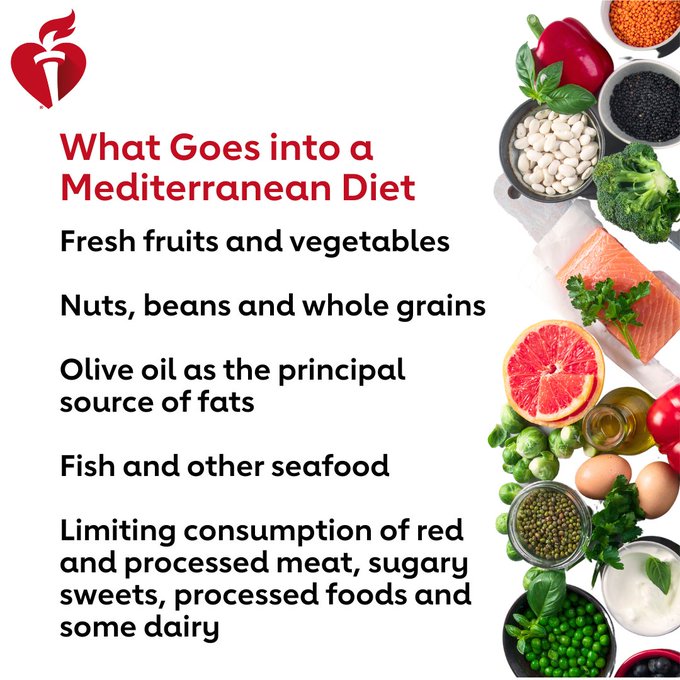
A healthy diet is also important for your child’s immune system.
Dr. Lioudis recommends encouraging your child to “eat the rainbow” when it comes to fruits and vegetables. A good selection of whole grains should be part of their diet as well. Keep processed foods to a minimum. Proper food choices can help ensure that your child gets enough vitamins — such as vitamin A and E. These vitamins are needed to maintain good health and a strong immune system.
“Even if you follow these tips, your child might still get between seven and 11 colds each year,” says Dr. Lioudis. She adds that you can expect each one to last up to two weeks.
Also, keep in mind that some things billed as common “remedies” aren’t effective in boosting immunity. For example, there’s no definitive proof that large amounts of vitamin C or echinacea help prevent colds or shorten them, she says.
However, if your child has a compromised immune system, work closely with your pediatrician to find ways to improve his or her immunity. Each child needs a personalized approach because their individual immune system varies, Dr. Lioudis says.
“There’s generally a different protocol with immunocompromised children. There are some vaccines we have to add in on top of what most children have, but it’s something that we must determine on a case-by-case basis.


and
Liked by tinasjourney123 and others

A salad combination you may not have thought of, but will now be hooked on
This salad is a perfect addition to a large dinner menu when you have guests over for dinner and have a lot of other dishes to prepare. It’s bright and flavorful, and you can make the dressing a day or two ahead to prep!
Dressing
1 1/2 cups frozen raspberries, thawed
2 to 4 tablespoons orange juice (depending on thickness desired)
1 tablespoon white wine vinegar
1 teaspoon sugar
1 tablespoon orange zest
4 tablespoons chopped fresh chives
Salad
1 pound romaine lettuce, washed, dried and torn into bite-sized pieces
1 pound radicchio, washed, dried, shredded
3 carrots, peeled and grated
1 cup mandarin oranges, drained, patted dry
20 cherry tomatoes, quartered
Calories: 107
Total fat: 0.5 g
Saturated fat: 0.1 g
Protein: 3 g
Carbohydrate: 25 g
Fiber: 5.4 g
Sodium: 37 mg
—Recipe developed and copyrighted by Kristine Napier, MPH, RD, LD.

Dalkey Island from Coliemore Harbour


Protect and build muscle while getting essential amino acids and calcium with this protein
Milk really does do a body good. It’s high in calcium, vitamin D and potassium. And it’s also rich in a beneficial protein called casein (pronounced ”KAY-seen“).
If you’re a regular dairy milk drinker, you’re already getting some benefits of casein. But you may want to consider adding more casein to your diet. Athletes and bodybuilders have been using casein protein powder for years. But the benefits of casein aren’t just for pro sports players.
“Protein is a vital part of any balanced diet,” says registered dietitian Elyse Homan, RD, LD. “But different proteins have different effects. Understanding how each protein works is beneficial, especially if you’re supplementing with it.”
Casein is the main protein found in dairy milk, which includes the milk from:
Casein makes up about 80% of the protein found in milk. The other 20% comes from whey protein.
“When you think of curds and whey,” Homan says, “the solid part is casein protein, and the liquid part is whey protein.”
Getting enough protein is important because protein has many jobs. It has to:
Casein and whey have a lot in common. They’re both:
The main difference is that casein is a slower-digesting protein than whey. “Casein forms a gel-like substance in your stomach,” Homan explains. “It releases more slowly than other proteins and takes longer for your body to absorb.”
Getting the recommended daily amount of protein helps you stay healthy. But casein’s slow absorption also gives it some added advantages. The health benefits of casein include:
Amino acids combine to form proteins. There are 20 amino acids that your body needs to work correctly, and they join in various ways to create different proteins.
Your body makes some of the amino acids it needs, but there are nine essential amino acids that your body can’t produce — you must get them from food. Casein is a complete protein and has all nine essential amino acids.
Your cells rely on regular “feedings” of amino acids to continually make proteins. When you go without eating overnight or during an extended fast, your cells may not get the needed amino acids. As a result, they look for those amino acids elsewhere and break down your body’s muscles to get them.
As a slow-release protein, casein provides your cells with the amino acids they need over a long period. The slow absorption consistently feeds your cells with amino acids, allowing muscles to recover instead of breaking down.
Casein contains a high amount of leucine, an amino acid that regulates metabolism (how your body changes food into energy) and helps build and repair muscles. If you don’t typically consume a lot of protein, adding more leucine-heavy protein to your diet (like casein) can help your muscles grow when also engaging in regular exercise.
The casein in milk is a good source of calcium, which is essential for teeth and bone health. Not getting enough calcium can lead to a loss of bone mass and increase your risk of osteoporosis (a disease that weakens your bones).
Casein protein powder may contain up to 50% of your recommended calcium intake — but always check the label to make sure that the protein powder is a good source of calcium.
Casein protein’s general health benefits are good for everyone. But using casein protein powder ensures you’ll get a more significant amount of casein each day. Talk to your healthcare provider about taking casein protein powder for:
A high-protein diet can help you shed excess pounds and maintain a healthy weight. Protein can help you feel full and improve your satisfaction after the meal.
Different types of proteins affect you differently after you eat them:
One study found that participants who consumed casein protein powder before a meal ate less at that meal than people who had whey protein, egg albumin (made from egg whites) or water alone.
“Our bodies only absorb so much protein at one time,” Homan clarifies. “About 30 grams of protein per meal is a good amount to consume. If you plan to have more than one serving of casein powder daily, space it out.” It may help you stave off cravings and decrease snacking between meals, too.
Bodybuilders and athletes know that protein is key for building muscle. But keeping your body’s protein levels up overnight can be challenging. That is, unless you ingest casein immediately before going to sleep.
Research shows that consuming casein protein before bed balances your body’s protein level throughout the night. When your protein level stays consistent, muscles can continue to grow and recover — even though you’re not eating.
For most people, casein doesn’t cause any side effects. But Homan says certain people may need to avoid or limit casein if they have a condition such as:
If you have a milk allergy, the proteins in milk trigger your immune system and cause it to overreact. People with a milk allergy are allergic to casein, whey or both.
A severe allergy can cause anaphylaxis. More mild symptoms of a milk allergy include:
“Casein allergies are not as common in adults as in children, but they do exist,” notes Homan. If you suspect you have a milk allergy, an allergist can do a test to figure out what you’re allergic to.
Like all dairy products, casein contains the sugar lactose. If you have lactose intolerance, your small intestine can’t digest milk sugar. When you have dairy products, you may develop symptoms including:
“Casein supplements do have lower amounts of lactose,” Homan states. “If you’d like to include casein in your diet but have a lactose sensitivity, the supplement might not trigger it. Talk to your healthcare provider if you’re interested in taking a supplement.”
People with kidney disease often need to limit their protein. Too much protein can cause too much waste in your blood. If your kidneys can’t remove the waste, the buildup of toxins can lead to serious health complications.
“People with a protein restriction, such as those with kidney disease, don’t have to avoid casein,” Homan says. “But they do need to watch how much total protein they eat. Your healthcare provider can help you figure out the right amount.”
There are two ways you can add casein to your diet:
A powdered casein supplement can help you get high amounts of it, according to Homan. The most common form of casein powder is micellar casein, or you can get a rapidly absorbing type (casein hydrolysate). One serving typically contains 24 to 27 grams of protein. Mix with water to create a protein shake, or add it to smoothies, yogurt or baked goods.
“People looking to build muscle or get more protein in their diet should talk to their healthcare provider about adding casein,” she adds. “Supplementing with casein isn’t necessary if you have a healthy, balanced diet, but it can be helpful for some people.”
The U.S. Food and Drug Administration doesn’t regulate supplements. So, it’s a good idea to look for a casein supplement that underwent third-party testing. It’s usually a sign of a higher quality product.
Anyone can benefit from casein, and you and your family probably already get it from the dairy products you consume, such as:
“Adding a dairy product to your breakfast is an easy way to get some casein every day,” Homan encourages. One glass of milk has 8 grams of protein — 6.4 grams (80%) of that protein is casein. “It’s great to start your day with a good protein source.”FACEBOOK


 Healthaware