BRIDGING
This is the one of a physiotherapist’s staple exercises, if in doubt…bridge 😂
Often when children are growing, they come up against muscle imbalances, which can lead to aches and pains. A great way to protect the body from these is by keeping a good strong core!
A tip my top #pilates friend showed me was rolling the spine up and down, like a Mexican wave 👋🏽! Go follow @excellencepilates@excellence_physio for much more specialist knowledge than I can offer 😁
HOW TO INCORPORATE INTO PLAY
Get some lovely little cars or animals on one side of your child, and help them create a BRIDGE (!) so you can drive those little toys under their bottom!
….a traffic jam can always help you keep their bottom up for little longer 😏
What Does Alcohol Do to Your Body? 9 Ways Alcohol Affects Your Health
Alcohol affects your whole body, from your liver and immune system to your brain and mental health
You probably already know that excessive drinking can affect you in more ways than one.
There are the empty calories that can lead to weight gain. There’s the potential for injury and regrettable choices. And don’t forget about the hangovers of course.
Heavy drinking can also lead to a host of health concerns, like brain damage, heart disease, cirrhosis of the liver and even certain kinds of cancer.
And that’s on top of the toll that alcohol use can take on relationships, not to mention the potential for financial strain and legal troubles.
But even moderate alcohol use changes the way your body functions.
We talked with hepatologist Shreya Sengupta, MD, about how alcohol use affects your body and your emotional health.
“Some people think of the effects of alcohol as only something to be worried about if you’re living with alcohol use disorder, which was formerly called alcoholism,” Dr. Sengupta says.
“But when you consider how alcohol is metabolized and used by your body, we can start to see that even moderate and social drinking affects our health to some degree.”
Dr. Sengupta shares some of the not-so-obvious effects that alcohol has on your body.
Liver
Your liver detoxifies and removes alcohol from your blood through a process known as oxidation. When your liver finishes that process, alcohol gets turned into water and carbon dioxide.
But when you ingest too much alcohol for your liver to process in a timely manner, a buildup of toxic substances begins to take a toll on your liver.
If alcohol continues to accumulate in your system, it can destroy cells and, eventually, damage your organs.
“When your liver is overwhelmed by oxidizing alcohol, it generates molecules that inhibit fat oxidation,” Dr. Sengupta explains. “The fats build up. Over time, it can lead to a condition known as steatotic liver disease.”
Steatotic liver disease used to go by the name fatty liver disease.
Steatotic liver disease develops in about 90% of people who drink more than 1.5 to 2 ounces of alcohol per day. That’s about one shot glass worth.
With continued alcohol use, steatotic liver disease can lead to liver fibrosis. Eventually, you can develop permanent and irreversible scarring in your liver, which is called cirrhosis.
“The good news is that earlier stages of steatotic liver disease are usually completely reversible in about four to six weeks if you abstain from drinking alcohol,” Dr. Sengupta assures.
Cirrhosis, on the other hand, is irreversible and can lead to liver failure and liver cancer, even if you abstain from alcohol.
Metabolism
You probably are keenly aware of the so-called “beer belly.” That’s shorthand for a round midsection that some people associate with drinking too much beer.
In reality, there’s no evidence that drinking beer (or your alcoholic beverages of choice) actually contributes to belly fat.
But there’s plenty of research to back up the notion that alcohol does lead to weight gain in general. Even for people who aren’t particularly heavy drinkers.
“Drinking gives your body work to do that keeps it from going about its other processes,” Dr. Sengupta notes. “Alcohol distracts your system from its regularly scheduled duties, including things like metabolizing carbohydrates and fats.”
Once you take a drink, your body makes metabolizing alcohol a priority — above processing anything else.
That’s because your body already has processes in place that allow it to store excess proteins, carbohydrates and fats. But there isn’t a storage tank for alcohol. So, your system prioritizes getting rid of alcohol before it can turn its attention to its other work.
That allows excess calories from the foods you eat to sit around, leading to weight gain.
Gut health
Your gut microbiome is a hotbed of bacteria that help keep your digestive system happy and healthy. The trillions of microbes in your colon and large and small intestines are critical to proper digestion. They also help fend off inflammation and support healthy metabolism.
When you drink too much alcohol, it can throw off the balance of good and bad bacteria in your gut.
“Alcohol can kill the good bacteria that live in your gut, allowing bad bacteria to grow unchecked,” Dr. Sengupta explains. “That can lead to problems with digestion, inflammation and even organ damage.”
Having a glass of wine with dinner or a beer at a party here and there isn’t going to destroy your gut. But even low amounts of daily drinking and prolonged and heavy use of alcohol can lead to significant problems for your digestive system.
There are a few studies that associate red wine with improved heart health in lab tests. But no research proves that red wine causes any improvements in heart health in people.
“The reality is that alcohol causes more health troubles than it could ever help,” Dr. Sengupta reinforces. “And that goes for your heart, as well as the rest of your body.”
Pancreas
Your pancreas helps your body digest food and manage your blood sugar. Drinking alcohol changes how your pancreas works.
“Your pancreas secretes fluids. Alcohol use can thicken those fluids, which can clog the ducts that those fluids flow out of,” Dr. Sengupta explains.
Like a clog in a drain, those thickened fluids can jam up your ducts. That can lead to pancreatitis, which is inflammation of the pancreas.
Pancreatitis can be a short-term (acute) condition that clears up in a few days. But prolonged alcohol abuse can lead to chronic (long-term) pancreatitis, which can be severe.
Your body breaks alcohol down into a chemical called acetaldehyde, which damages your DNA. Damaged DNA can cause a cell to grow out of control, which results in cancerous tumors.
Alcohol use has been shown to raise your risk for several kinds of cancer. That includes cancers of the:
Mouth.
Esophagus.
Throat.
Liver.
Breast.
Colon and rectum.
Immune system
If you drink every day, or almost every day, you might notice that you catch colds, flu or other illnesses more frequently than people who don’t drink. That’s because alcohol can weaken your immune system and make your body more susceptible to infection.
“We see lower levels of a specific kind of white blood cells called lymphocytes in people who drink heavily for long periods of time,” Dr. Sengupta reports. “That can leave them more vulnerable to infectious diseases.”
Brain
The morning after a night of over-imbibing can cause some temporary effects on your brain. Things like trouble concentration, slow reflexes and sensitivity to bright lights and loud sounds are standard signs of a hangover, and evidence of alcohol’s effects on your brain.
Long-term alcohol use can change your brain’s wiring in much more significant ways. Ways that your standard hangover cures won’t even begin to touch.
“Excessive alcohol consumption can cause nerve damage and irreversible forms of dementia,” Dr. Sengupta warns.
Mental health
Alcohol is a depressant. And prolonged alcohol use can lead to mental health conditions like anxiety and depression. Chronic misuse can also lead to paranoia and hallucinations.
Even drinking a little too much (binge drinking) on occasion can set off a chain reaction that affects your well-being. Lowered inhibitions can lead to poor choices with lasting repercussions — like the end of a relationship, an accident or legal woes. Each of those consequences can cause turmoil that can negatively affect your long-term emotional health.
“Alcohol tends to cause more problems than it solves for a lot of people,” Dr. Sengupta emphasizes. “If drinking is affecting your health, your relationships, your work, your finances, it’s time to make some serious changes.”
If you need more guidance to quit drinking, the Substance Abuse and Mental Health Services Administration (SAMHSA) offers a hotline, 24/7, 365 days a year. Call 1.800.662.HELP (4357).
Alcoholics Anonymous is available almost everywhere and provides a place to openly and nonjudgmentally discuss alcohol issues with others who have alcohol use disorder.
All schools will close on Friday 27th March 2026, which will be the final day of the school term, unless changes are required as part of contingency arrangements to make up for time lost due to unforeseen school closures. Where contingency arrangements are required a school authority may reduce the length of the Easter break by remaining open up to and including Wednesday 1st April 2026.
All schools will re-open on Monday 13th April 2026.
The beautiful cherry blossom tree at our St Patrick’s University Hospital campus is in full bloom! Cherry blossoms are the national flower of Japan, representing a time of renewal and optimism. We hope our service users and staff are enjoying this pretty view!
Protect and build muscle while getting essential amino acids and calcium with this protein
Milk really does do a body good. It’s high in calcium, vitamin D and potassium. And it’s also rich in a beneficial protein called casein (pronounced ”KAY-seen“).
If you’re a regular dairy milk drinker, you’re already getting some benefits of casein. But you may want to consider adding more casein to your diet. Athletes and bodybuilders have been using casein protein powder for years. But the benefits of casein aren’t just for pro sports players.
“Protein is a vital part of any balanced diet,” says registered dietitian Elyse Homan, RD, LD. “But different proteins have different effects. Understanding how each protein works is beneficial, especially if you’re supplementing with it.”
What is casein?
Casein is the main protein found in dairy milk, which includes the milk from:
Cows.
Goats.
Sheep.
Casein makes up about 80% of the protein found in milk. The other 20% comes from whey protein.
“When you think of curds and whey,” Homan says, “the solid part is casein protein, and the liquid part is whey protein.”
Help your tissues and organs change and grow as needed.
Protect your body from viruses and bacteria.
Support your body’s movement by providing cell structure.
Casein vs. whey
Casein and whey have a lot in common. They’re both:
Animal-based proteins.
Complete proteins — they contain all the amino acids your body needs.
Excellent sources of calcium.
Found in dairy milk.
The main difference is that casein is a slower-digesting protein than whey. “Casein forms a gel-like substance in your stomach,” Homan explains. “It releases more slowly than other proteins and takes longer for your body to absorb.”
Casein protein benefits
Getting the recommended daily amount of protein helps you stay healthy. But casein’s slow absorption also gives it some added advantages. The health benefits of casein include:
1. Gives you all the essential amino acids
Amino acids combine to form proteins. There are 20 amino acids that your body needs to work correctly, and they join in various ways to create different proteins.
Your body makes some of the amino acids it needs, but there are nine essential amino acids that your body can’t produce — you must get them from food. Casein is a complete protein and has all nine essential amino acids.
2. Reduces muscle breakdown
Your cells rely on regular “feedings” of amino acids to continually make proteins. When you go without eating overnight or during an extended fast, your cells may not get the needed amino acids. As a result, they look for those amino acids elsewhere and break down your body’s muscles to get them.
As a slow-release protein, casein provides your cells with the amino acids they need over a long period. The slow absorption consistently feeds your cells with amino acids, allowing muscles to recover instead of breaking down.
3. Promotes muscle growth
Casein contains a high amount of leucine, an amino acid that regulates metabolism (how your body changes food into energy) and helps build and repair muscles. If you don’t typically consume a lot of protein, adding more leucine-heavy protein to your diet (like casein) can help your muscles grow when also engaging in regular exercise.
4. Provides a good source of calcium
The casein in milk is a good source of calcium, which is essential for teeth and bone health. Not getting enough calcium can lead to a loss of bone mass and increase your risk of osteoporosis (a disease that weakens your bones).
Casein protein powder may contain up to 50% of your recommended calcium intake — but always check the label to make sure that the protein powder is a good source of calcium.
How casein protein powder can help
Casein protein’s general health benefits are good for everyone. But using casein protein powder ensures you’ll get a more significant amount of casein each day. Talk to your healthcare provider about taking casein protein powder for:
Different types of proteins affect you differently after you eat them:
Whey protein, which you absorb quickly, makes you feel full immediately after ingesting it.
Casein’s slow rate of release helps you feel fuller longer.
One study found that participants who consumed casein protein powder before a meal ate less at that meal than people who had whey protein, egg albumin (made from egg whites) or water alone.
“Our bodies only absorb so much protein at one time,” Homan clarifies. “About 30 grams of protein per meal is a good amount to consume. If you plan to have more than one serving of casein powder daily, space it out.” It may help you stave off cravings and decrease snacking between meals, too.
Overnight muscle growth and recovery
Bodybuilders and athletes know that protein is key for building muscle. But keeping your body’s protein levels up overnight can be challenging. That is, unless you ingest casein immediately before going to sleep.
Research shows that consuming casein protein before bed balances your body’s protein level throughout the night. When your protein level stays consistent, muscles can continue to grow and recover — even though you’re not eating.
What to consider before taking casein
For most people, casein doesn’t cause any side effects. But Homan says certain people may need to avoid or limit casein if they have a condition such as:
Casein allergy
If you have a milk allergy, the proteins in milk trigger your immune system and cause it to overreact. People with a milk allergy are allergic to casein, whey or both.
A severe allergy can cause anaphylaxis. More mild symptoms of a milk allergy include:
“Casein allergies are not as common in adults as in children, but they do exist,” notes Homan. If you suspect you have a milk allergy, an allergist can do a test to figure out what you’re allergic to.
Lactose intolerance
Like all dairy products, casein contains the sugar lactose. If you have lactose intolerance, your small intestine can’t digest milk sugar. When you have dairy products, you may develop symptoms including:
“Casein supplements do have lower amounts of lactose,” Homan states. “If you’d like to include casein in your diet but have a lactose sensitivity, the supplement might not trigger it. Talk to your healthcare provider if you’re interested in taking a supplement.”
Protein restrictions
People with kidney disease often need to limit their protein. Too much protein can cause too much waste in your blood. If your kidneys can’t remove the waste, the buildup of toxins can lead to serious health complications.
“People with a protein restriction, such as those with kidney disease, don’t have to avoid casein,” Homan says. “But they do need to watch how much total protein they eat. Your healthcare provider can help you figure out the right amount.”
Sources of casein protein
There are two ways you can add casein to your diet:
Casein supplements
A powdered casein supplement can help you get high amounts of it, according to Homan. The most common form of casein powder is micellar casein, or you can get a rapidly absorbing type (casein hydrolysate). One serving typically contains 24 to 27 grams of protein. Mix with water to create a protein shake, or add it to smoothies, yogurt or baked goods.
“People looking to build muscle or get more protein in their diet should talk to their healthcare provider about adding casein,” she adds. “Supplementing with casein isn’t necessary if you have a healthy, balanced diet, but it can be helpful for some people.”
The U.S. Food and Drug Administration doesn’t regulate supplements. So, it’s a good idea to look for a casein supplement that underwent third-party testing. It’s usually a sign of a higher quality product.
Casein food sources
Anyone can benefit from casein, and you and your family probably already get it from the dairy products you consume, such as:
“Adding a dairy product to your breakfast is an easy way to get some casein every day,” Homan encourages. One glass of milk has 8 grams of protein — 6.4 grams (80%) of that protein is casein. “It’s great to start your day with a good protein source.”FACEBOOK
A creamy smoothie with crunchy toppings — in a bowl!
Ingredients
Smoothie base
1 1/2 cups plain yogurt
1 banana, frozen
1/2 cup orange juice
1 cup berries of your choice
1 tablespoon flaxseeds
1 scoop vanilla plant-based protein powder, optional
Toppings
1 tablespoon slivered almonds
1 teaspoon chia seeds
1 tablespoon pomegranate seeds
Directions
Blend all base ingredients together until smooth, adjusting for sweetness and thickness.
Serve immediately in a large bowl with toppings.
Ingredient health benefits
Yogurt: With probiotics and prebiotics to go around, yogurt is a great way to show your stomach some love. Yogurt is also a complete protein, which means it has all nine essential amino acids that your body needs to function properly (but can’t make on its own). And, most famously, it has calcium to keep your bones happy and healthy.
Bananas: Most everyone knows that bananas are a great source of potassium, but there’s so much more to this zany-looking fruit than popular knowledge conveys. Bananas also have magnesium and vitamin B6, which help regulate blood pressure and metabolism. And they have fiber to keep your gut working properly.
Flaxseed: This little seed really is worth the hype. Flaxseed is a source of omega-3 fatty acids (omega-3s, for short), which are vital for your body to function as it should. Flaxseed also has fiber and antioxidants that fight damaging free radicals and chronic inflammation.
Chia seeds: Another tiny seed with plenty of perks, chia seeds improve your digestion and promote the growth of good bacteria that keep your gut healthy. Their quirky ability to expand in fluid can help you stay fuller for longer when they’re in your stomach juices, which can be helpful if you’re trying to lose weight.
Pomegranate seeds: These little gems are as good for you as they taste. The squishy packets around the seeds contain juice that’s high in antioxidants, which might support the health of your heart. Pomegranate juice may also have cancer-fighting abilities, but research is ongoing. Still, incorporating pomegranates into a hearty, nutritious diet wouldn’t hurt!
Nutrition information (per serving)
Makes 4 servings Serving = 3/4 cup
Calories: 160 Carbohydrate: 27 g Sugars: 17 g Fiber: 4 g Saturated fat: 0.5 g Cholesterol: 5 mg Protein: 9 g Sodium: 70 mg
Physiotherapy (also known as physical therapy) places full and functional movement at the heart of what it means to be healthy. It involves treating patients of all ages with a range of illnesses and conditions, including those with back and neck problems, sports injuries, arthritis, or those recovering from strokes and operations. The focus of our treatment is exercise prescription.
Physiotherapists may be part of a multidisciplinary medical team that includes physicians, nurses, speech and language therapists, psychologists, occupational therapists and social workers among others. Alternatively, they may work from clinics or specialise in particular areas of the discipline.
Physiotherapy: The course for you?
Physiotherapy is both physically and academically demanding and an interest in working with people is an requirement, alongside strong communication skills. Visiting a local general hospital or other area where physiotherapists work will give you a good understanding of what exactly is involved.
Physiotherapy at Trinity
Physiotherapy is based in the Trinity Centre for Health Sciences in a purpose built complex at St. James’s Hospital. This complex houses other health science disciplines and allows physiotherapy students to share courses with those in the other health sciences to give a multidisciplinary approach to studying and working. The centre is about 3km from the main campus and is beside a Luas station on the line running between Tallaght and Connolly Station.
All students will have clinical placements at Trinity’s associated teaching hospitals of St. James’s and AMNCH in Tallaght, where there is an established expertise in most areas of physiotherapy. These placements allow students to gain experience in some of the specialist areas of physiotherapy including neurology, respiratory care, coronary care, orthopaedics, women’s health, care of the elderly, sports and out-patients.
Graduate skills and career opportunities
Successful completion of the course entitles you to membership of the Irish Society of Chartered Physiotherapists, the accrediting body for physiotherapy in Ireland. Physiotherapists are sought throughout the world and you will be able to work with a wide range of conditions or to specialise, as you wish. There is also great scope for you to continue to develop your skills and expertise in areas such as sports medicine, neurology, cardiology, respiratory, research, education, management or private practice. Students may also work with a professional sports team as part of multidisciplinary athlete support.
Your degree and what you’ll study
The major objective of this four-year course is to enable you to become a competent professional with the ability to work independently with patients. There are two components to Physiotherapy: theory and clinical practice. In the first year the emphasis is on laying a foundation of theoretical knowledge and the second year introduces students to the clinical skills and procedures used by physiotherapists. Clinical sciences are taught mainly in the second and third years. In the third and fourth years students spend up to fifty percent of their time on clinical placement. In the fourth-year, students have an opportunity to develop specialist knowledge in a particular area of physiotherapy and undertake a research project.
First and second years
In first and second year as you will have approximately 20 hours of teaching each week, divided between lecture and practical classes.
Courses covered in the first two years include: Physiology, Anatomy, Physics, Chemistry, Pathology, and Exercise. You will also start to study various conditions and specialities frequently seen in physiotherapy, such as respiratory conditions and musculoskeletal conditions.
At the end of second year you will start clinical placements under the supervision of skilled and experienced tutors. These may be taken in hospitals, clinics, day centres or within private and community practice.
Third and fourth years
In the third year, half of the time is spent on academic studies and the other half on clinical placements in a variety of settings both within and outside the Dublin area.
In fourth year, you will undertake an investigative project and study the following subjects: sports and exercise medicine, ergonomics, professional issues and advances in physiotherapy.
End-of-year written examinations and tests in certain subjects, such as anatomy, make up the theoretical assessment structure. There are a number of submitted assignments in third and fourth years.
In addition, you will be continuously assessed during your clinical placement and will have practical exams on the skills element of the course, including your assessment of a patient while on a clinical placement.
Click here for further information on modules/subjects.
There is no magic pill to reverse the aging process. But if you want to counter the biological mechanisms that drive age-related conditions, like the accumulation of senescent cells, you will need to exercise.
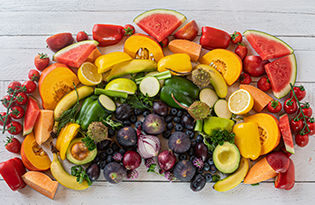
Can eating the rainbow help to reduce inflammation?
11/6/2025 by Tamara Soerense
n
Inflammation is a natural process initiated by the immune system in response to illness, trauma, toxins, physical stress and chronic disease. While acute inflammation is protective and allows our bodies to heal, it can become harmful if it persists, leading to chronic inflammation. Chronic inflammation, in turn, can lead to conditions such as arthritis, heart disease, and diabetes.
Several foods can contribute to inflammation. These include highly processed foods, refined carbohydrates, or foods high in added sugars. Conversely, other foods can help calm the immune system, decreasing inflammation.
Let’s explore which foods help lower inflammation and how they can be incorporated into an anti-inflammatory diet.
Fruits and Vegetables: Colorful fruits and vegetables naturally contain various phytonutrients and bioactive compounds that help keep inflammation in check. These foods form the foundation of the anti-inflammatory diet and can be enjoyed in abundance. For an extra boost of protection, try drizzling antioxidant-rich olive oil on your veggies..
Protein: Choose primarily from plant-based sources such as legumes, soy, nuts, and seeds, with smaller amounts from lean cuts of animal protein and fatty fish. The fats in these proteins, mainly monounsaturated and omega-3, play a significant role in combating inflammation. The American Heart Association recommends 6 to 8 ounces of fatty fish and 5 ounces of legumes, nuts, and seeds per week.
Whole grains: Whole grains contain all parts of the grain, whereas refined grains remove the germ and bran, eliminating important inflammation-reducing compounds. Of these, fiber is a bit of a superstar, shown to help reduce blood sugar and cholesterol levels. Aim for at least 50% of your grains from whole grain sources, such as rolled oats and brown rice.
Herbs and Spices: Herbs and spices add flavor to your food and help reduce oxidative stress, which can trigger inflammation. Add ginger, turmeric, clove, cinnamon, oregano, and garlic to your next meal.
What change can you make today to shift your body into a less inflamed state?
Consider adding one colorful fruit or vegetable to your diet each day. Suggestions include tomatoes, oranges, yellow bell peppers, arugula, blueberries, pumpkin and broccoli.
Tamara Soerensen completed her bachelor’s degree in biology at the University of California, Santa Barbara and her master’s in nutrition at Bastyr University. She is currently a dietetic intern at Mayo Clinic in Rochester, Minnesota. Special interests include digestive health and the utilization of diet for disease prevention.






 Cherry blossoms are the national flower of Japan, representing a time of renewal and optimism. We hope our service users and staff are enjoying this pretty view!





 Healthaware